
Is the American Tech Tree in War Thunder OP? A Comprehensive Breakdown
The American tech tree in War Thunder has long been a subject of heated debate within the community. Whether you’re a seasoned pilot grinding through the ranks or a newcomer evaluating which nation to main, the question of whether the U.S. tech tree offers an unfair advantage persists. This detailed analysis examines the strengths, weaknesses, and overall balance of American aircraft, tanks, and naval vessels to determine if “OP” accurately describes this formidable lineup.
War Thunder’s progression system demands strategic choices about which nation to invest time in. The American tech tree presents an intriguing case study in game balance, offering exceptional versatility across multiple vehicle classes while maintaining distinct playstyle characteristics. Understanding whether this versatility translates to overpowered status requires examining specific vehicle tiers, comparing performance metrics, and considering the skill ceiling for different playstyles.
American Aircraft: Dominance or Balance?
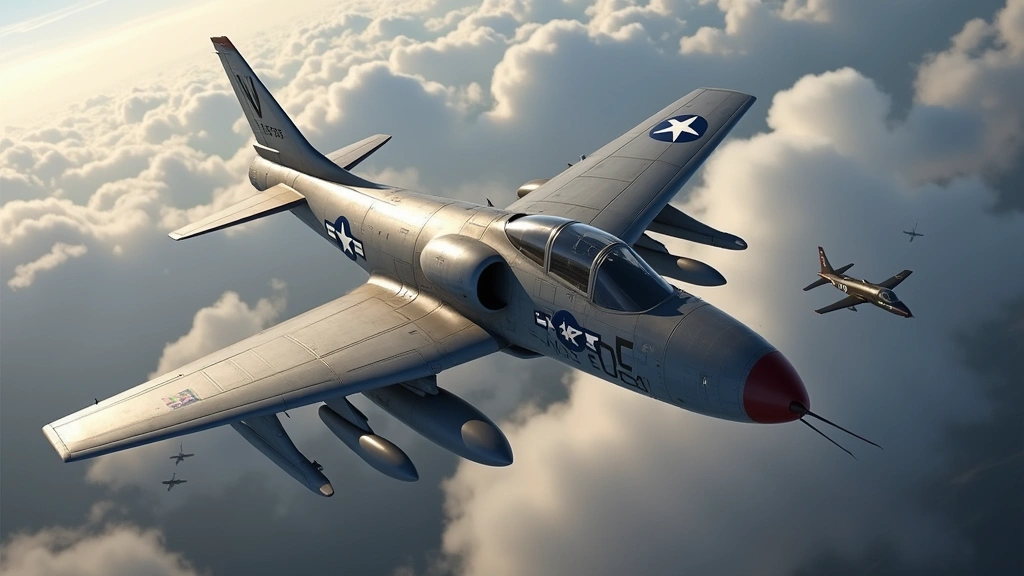
American aircraft in War Thunder occupy a unique position in the meta. The tech tree excels at mid-altitude combat with superior energy retention compared to many counterparts. Iconic fighters like the P-51 Mustang and F-86 Sabre have become benchmarks for balanced aircraft design, offering competitive performance without overwhelming advantages.
The early-tier American fighters, particularly the P-36 and P-40 variants, introduce players to the nation’s characteristic high-speed, energy-fighting approach. These aircraft prioritize horizontal acceleration and diving capability over turning radius. This playstyle rewards disciplined pilots who understand energy management and boom-and-zoom tactics. When piloted skillfully, American fighters demonstrate exceptional versatility across various combat scenarios.
Mid-tier American aircraft like the P-47 Thunderbolt showcase the tech tree’s defining strength: raw speed and armament. The P-47’s eight .50 caliber machine guns deliver devastating firepower, and its weight distribution allows impressive energy retention during vertical maneuvers. However, the aircraft’s poor turn rate means pilots cannot rely on dogfighting alone. Success requires maintaining speed advantage and utilizing the aircraft’s strengths deliberately.
The late-tier American jets, particularly the F-86 Sabre and F-100 Super Sabre, represent some of War Thunder’s most balanced vehicles. The Sabre’s all-around performance—decent turn rate combined with excellent speed—makes it competitive across multiple playstyles. Yet it rarely dominates matches single-handedly, suggesting balance rather than overpowerment. According to War Thunder’s official forums, player win rates for American jets remain competitive but not consistently superior to comparable Soviet or German counterparts.
One critical advantage American pilots enjoy is predictability in performance. The consistent energy-fighting characteristics across the tech tree allow players to develop transferable skills. Pilots mastering the P-51 find similar principles applicable to the F-86, creating a cohesive learning progression. This consistency doesn’t constitute overpowerment—it represents thoughtful game design.
Tank Lineup Analysis
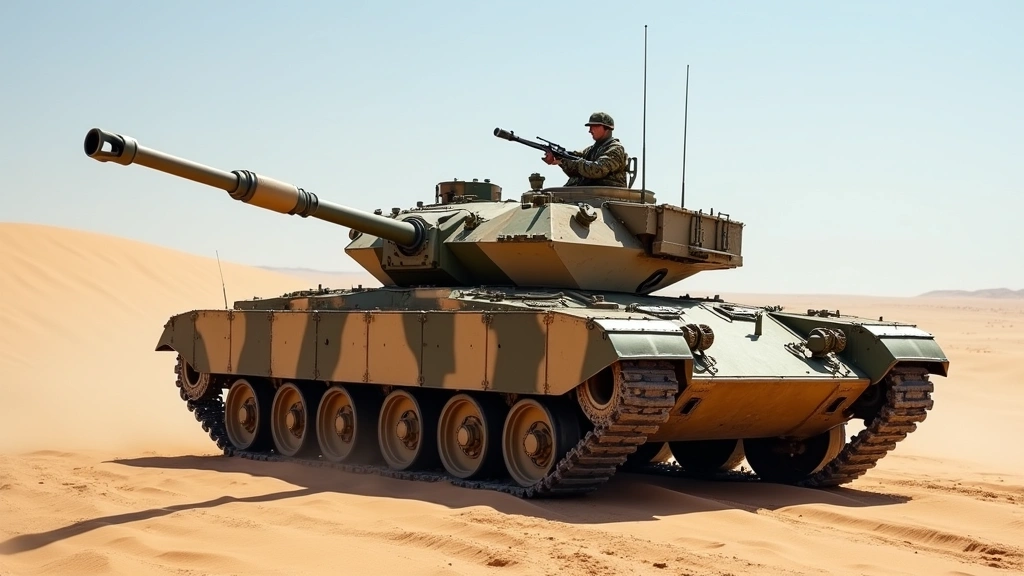
The American tank tech tree presents a more nuanced picture than aircraft. Early-tier American tanks like the M4 Sherman family serve as the backbone of ground forces. These medium tanks offer adequate armor, reliable firepower, and excellent gun depression—features that benefit less-experienced players. The M4A1 76mm variant demonstrates competitive capability at mid-tiers, though it struggles against heavily armored opponents.
American heavy tanks, particularly the M26 Pershing and subsequent models, bridge the gap between medium and super-heavy designs. The M26’s 90mm gun delivers respectable penetration while maintaining superior mobility compared to Soviet heavy tanks. This balance creates engaging gameplay where positioning and tactical awareness matter more than raw armor thickness.
High-tier American tanks introduce the M48 Patton series and M60 variants, which emphasize mobility and firepower over armor. The M48 Patton, in particular, demonstrates exceptional gun handling and turret traverse speed. These characteristics appeal to experienced players who leverage superior positioning and gun accuracy. However, the vehicles’ relatively thin armor means mistakes prove costly—a design philosophy that prevents dominance through raw durability.
Comparing American tanks to counterparts from other nations reveals interesting balance dynamics. While the Sherman family enjoys advantages in gun depression and crew ergonomics, Soviet tanks often feature superior armor protection and firepower. German tanks typically offer better armor angling and gun accuracy. This rock-paper-scissors dynamic suggests purposeful balancing rather than American superiority. The IGN War Thunder coverage frequently highlights how tank matchups depend heavily on player skill and tactical positioning rather than vehicle superiority alone.
One legitimate American advantage exists in lineup depth. The tech tree provides numerous options at each battle rating, allowing players to field diverse compositions. This variety doesn’t constitute overpowerment—it reflects historical American industrial capacity translated into game mechanics. Players with limited garage space may struggle to maximize this advantage, while committed grinders benefit from flexibility.
Naval Capabilities
American naval forces represent perhaps the strongest argument for American tech tree superiority. The U.S. Navy tech tree emphasizes destroyer and cruiser gameplay with exceptional firepower and crew survivability. American destroyers like the Fletcher-class offer competitive armament and handling characteristics that reward aggressive positioning.
The American cruiser line, featuring vessels like the Brooklyn and Cleveland-class ships, provides versatile platforms with effective anti-air capabilities and reliable damage output. These ships excel in mixed-tier battles where air threats remain prevalent. Their gun handling and ammunition variety create engaging tactical options.
However, naval gameplay in War Thunder remains the least balanced game mode overall. All nations’ naval forces feature balance inconsistencies that extend beyond American vehicles. The mode’s relative unpopularity means less developer attention and fewer comprehensive balance adjustments compared to air and ground forces. Evaluating American naval superiority requires acknowledging that the entire naval meta requires recalibration.
Comparative Performance Against Other Nations
Determining whether the American tech tree is overpowered requires direct comparison with Soviet, German, British, and Japanese alternatives. Statistical analysis from War Thunder’s official statistics reveals interesting patterns: American vehicles maintain competitive win rates without consistently dominating across all tiers.
Soviet aircraft excel at low-altitude combat and turning performance, creating matchups where American energy-fighting approaches face genuine challenges. The Yak and La-series fighters represent formidable opponents that require respect and tactical awareness from American pilots. Similarly, Soviet heavy tanks like the IS-series force American tankers to leverage superior mobility and positioning.
German vehicles, particularly the Tiger and Panther tanks alongside the Bf 109 fighter series, provide comparable or superior performance at specific roles. The Bf 109’s climb rate and energy retention match American fighters, while German tanks’ armor schemes sometimes provide advantages in direct engagements. This parity suggests balanced design rather than American overpowerment.
British vehicles offer interesting counterpoints. The Spitfire series matches American fighters in turning performance while sacrificing some speed, creating distinct playstyle differences rather than clear superiority hierarchies. British tanks emphasize firepower with the QF gun systems, creating alternative tactical approaches.
Japanese aircraft, while less competitive overall, demonstrate specific strengths in turning radius and climb characteristics that create unfavorable matchups for American fighters. A Zero pilot who understands American weaknesses can exploit poor turn performance and force engagements in unfavorable parameters. This dynamic reinforces that American superiority isn’t universal.
Skill Ceiling and Learning Curve
One crucial distinction separates overpowered vehicles from well-designed ones: skill ceiling. American vehicles, particularly aircraft, demand understanding of energy management and positioning. Novice players piloting a P-51 Mustang will underperform compared to experienced pilots, suggesting the vehicle requires skill to maximize effectiveness.
This characteristic distinguishes American aircraft from truly overpowered vehicles. Compare the P-51 to a hypothetical aircraft with superior speed, armor, and firepower—such a vehicle would dominate regardless of pilot skill. American fighters instead reward knowledge and discipline, creating a healthy learning curve where improvement correlates with success.
Ground forces present similar dynamics. American tanks’ emphasis on mobility and gun handling means inexperienced players often struggle compared to heavy tank pilots who rely on armor. This skill-dependent performance indicates balance rather than overpowerment. Players investing time to master American vehicles enjoy advantages that feel earned rather than given.
The learning progression through the American tech tree develops transferable skills. Pilots who master boom-and-zoom tactics in the P-47 apply identical principles to the F-86 and beyond. This coherent progression path benefits long-term player development while preventing dominance through mechanical advantages alone.
Meta Shifts and Recent Balancing
War Thunder’s balance philosophy involves continuous adjustments based on statistical data and community feedback. Recent patches demonstrate commitment to maintaining equilibrium across national tech trees. The developers have implemented various American vehicle adjustments, including firepower modifications, armor corrections, and flight model updates.
These adjustments reveal important context: the American tech tree has received both buffs and nerfs, indicating developers view the tech tree as needing regular calibration rather than consistent dominance. If American vehicles were genuinely overpowered, we would expect consistent nerfs rather than the mixed approach observed.
The meta shifts significantly based on battle rating and game mode. American aircraft dominate certain tier ranges while struggling in others. Tanks show similar variation, performing exceptionally at mid-tiers while facing challenges at the highest levels. This inconsistency contradicts the “overpowered” designation, which implies superiority across contexts.
Community sentiment varies considerably based on player experience level. Novice players often perceive American vehicles as underpowered due to poor energy management, while experienced pilots recognize their potential. This perception gap suggests balance rather than overpowerment—truly overpowered vehicles perform well regardless of pilot skill.
Recent matchmaking improvements and battle rating adjustments have further enhanced balance. The developers’ willingness to adjust American vehicles alongside other nations demonstrates commitment to fair competition. Players interested in the broader technical landscape might appreciate exploring how artificial intelligence applications increasingly influence game balance calculations in modern titles.
FAQ
Is the American P-51 Mustang overpowered in War Thunder?
The P-51 Mustang represents a well-balanced aircraft with distinct strengths and weaknesses. Its superior energy retention and speed excel at high-altitude combat, but poor turn performance creates vulnerabilities against agile opponents. Success requires understanding energy management and boom-and-zoom tactics. Competitive pilots exploit the Mustang’s strengths while inexperienced players often underperform, indicating skill-dependent balance rather than overpowerment.
Why do American tanks seem better than Soviet alternatives?
American tanks emphasize mobility and gun handling, while Soviet tanks prioritize armor protection and firepower. Neither approach is universally superior—each creates distinct tactical gameplay. American tanks reward positioning and accuracy, while Soviet tanks reward aggressive, direct engagement. Player perception of superiority often reflects personal playstyle preferences rather than objective overpowerment.
How does the American tech tree compare to Germany’s?
German and American tech trees occupy different design philosophies. German vehicles emphasize armor angling and precise firepower, while American vehicles prioritize mobility and gun handling. Neither consistently dominates—matchup outcomes depend heavily on engagement circumstances, player skill, and tactical execution. Both nations maintain competitive win rates across comparable battle ratings.
Should beginners choose the American tech tree?
The American tech tree offers excellent learning progression for new players. Early aircraft teach fundamental energy management principles applicable throughout the tech tree. Tanks introduce reliable platforms with forgiving characteristics. However, beginners shouldn’t expect automatic advantages—success requires understanding American playstyle principles and developing tactical awareness. The tech tree’s consistency makes learning easier but doesn’t eliminate the skill requirement.
Has War Thunder nerfed American vehicles recently?
Yes, developers regularly adjust American vehicles as part of continuous balance updates. Recent patches have modified firepower characteristics, armor values, and flight models. These mixed adjustments—both buffs and nerfs—indicate developers maintain American vehicles at competitive rather than dominant levels. The willingness to adjust suggests commitment to balance rather than allowing overpowerment to persist.
What role does player skill play in American vehicle performance?
Player skill represents the dominant factor in American vehicle performance. American aircraft require understanding energy management and positioning, creating significant skill expression opportunities. Novice pilots underperform compared to experienced ones, while truly overpowered vehicles perform well regardless of pilot capability. This skill dependency indicates balanced design with high skill ceilings rather than mechanical overpowerment.


