Is An Anesthesia Tech Job Right for You? Expert Insights
The healthcare industry continues to evolve rapidly, with specialized technical roles becoming increasingly vital to patient care and surgical outcomes. Among these critical positions, anesthesia technician jobs represent a unique intersection of medical knowledge, technical expertise, and hands-on responsibility. If you’re considering a career transition or exploring healthcare opportunities, understanding whether an anesthesia tech role aligns with your skills, temperament, and professional goals is essential before committing to training and certification.
Anesthesia technicians, also known as anesthesia technologists, work directly with anesthesiologists and nurse anesthetists to manage complex medical equipment, prepare patients, and ensure surgical environments maintain the highest safety standards. This demanding role requires a combination of technical proficiency, critical thinking, and the ability to remain calm under pressure—qualities that define successful healthcare professionals. Whether you’re drawn to medicine, fascinated by advanced technology, or seeking a stable career with strong earning potential, this comprehensive guide explores every dimension of an anesthesia tech job to help you make an informed decision.
Understanding the Anesthesia Tech Role
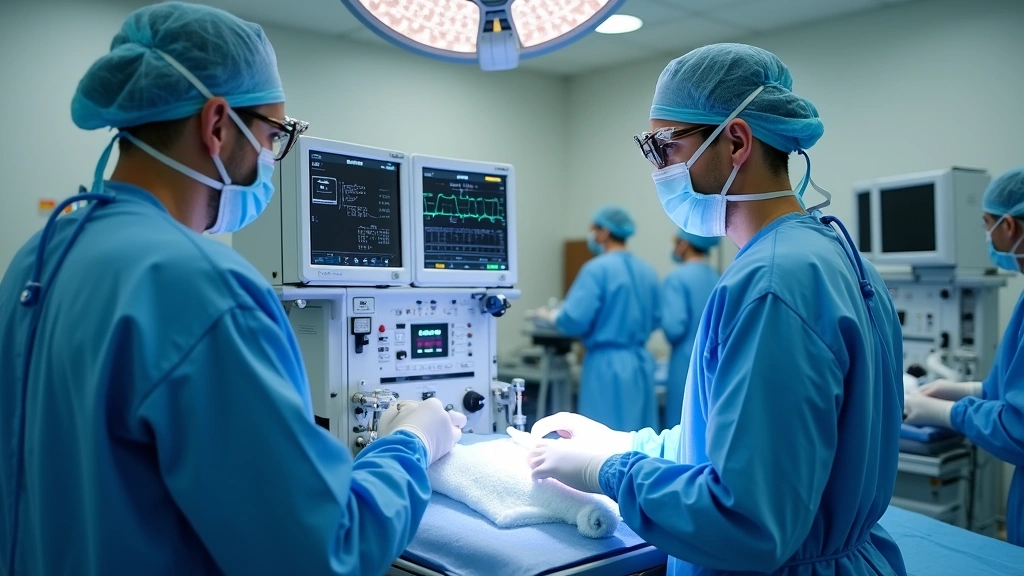
An anesthesia technician operates at the critical intersection of patient safety and surgical success. These healthcare professionals serve as essential team members in operating rooms, preoperative areas, and intensive care units, supporting anesthesia providers with specialized equipment management and patient preparation. The role encompasses far more than simply handing instruments to a provider—it requires comprehensive understanding of anesthesia delivery systems, monitoring equipment, and emergency protocols.
The primary responsibility of an anesthesia tech involves preparing and maintaining anesthesia machines, which are among the most sophisticated pieces of medical equipment in any hospital. These machines deliver precise doses of anesthetic gases and medications while continuously monitoring patient vital signs. Technicians must understand every component, from vaporizers to ventilators to cardiac monitors. When equipment malfunctions during surgery, the anesthesia tech becomes the first line of response, requiring quick troubleshooting skills and deep technical knowledge.
Beyond equipment management, anesthesia technicians assist with patient positioning, establish IV lines under supervision, monitor vital signs during procedures, and maintain accurate documentation. They prepare sterile fields, manage waste anesthetic gases, and ensure compliance with strict safety protocols. The role demands vigilance—the consequences of overlooking details can directly impact patient outcomes. This high-stakes environment attracts healthcare professionals who thrive on responsibility and precision.
According to the Bureau of Labor Statistics, surgical technology and anesthesia support roles are experiencing steady growth as surgical volume increases across healthcare systems. The demand for qualified anesthesia technicians continues to outpace supply in many regions, creating excellent job security and advancement opportunities.
Educational Requirements and Certification
Becoming an anesthesia technician requires formal education and professional certification. Most positions demand completion of an accredited anesthesia technician program, typically offered through community colleges, vocational schools, or hospitals. These programs generally require 12-24 months of full-time study, combining classroom instruction with hands-on clinical experience.
The curriculum covers anesthesia principles, pharmacology, anatomy and physiology, medical terminology, patient safety, equipment operation, and emergency procedures. Students learn to operate and troubleshoot anesthesia machines, understand drug interactions, recognize complications, and respond to critical situations. Clinical rotations in operating rooms provide supervised experience with real patients and equipment under the guidance of experienced anesthesiologists and nurse anesthetists.
Certification through the National Board of Certification for Anesthesia (NBCA) or the Board of Certification for Anesthesia Technologists (BCAT) is highly recommended and often required by employers. The Certified Anesthesia Technician (CertAT) credential demonstrates competency and commitment to the profession. To sit for certification exams, candidates must complete an accredited program and meet specific clinical hour requirements, typically 2,000 hours of supervised anesthesia tech experience.
Many states don’t legally regulate anesthesia technician practice, meaning certification isn’t always mandatory. However, employers increasingly prefer or require certification due to quality assurance and liability considerations. Continuing education requirements help technicians stay current with advancing technology and evolving best practices. Professional development is ongoing—the field constantly introduces new equipment, medications, and protocols that require continuous learning.
Day-to-Day Responsibilities
A typical shift for an anesthesia technician begins long before the first surgical case. Technicians arrive early to perform equipment checks, ensuring anesthesia machines function properly, medications are stocked, and all supplies are available. This pre-operative preparation is non-negotiable—discovering equipment failure during surgery creates dangerous delays and patient risk.
When patients arrive for surgery, anesthesia techs assist with positioning, helping patients move safely to the operating table and arranging positioning devices. They explain procedures in simple terms to calm anxious patients, demonstrating compassion while maintaining professional boundaries. Once anesthesia induction begins, the tech monitors the patient’s physiological responses, watches equipment readings, and alerts the anesthesia provider to any concerning changes.
During surgery, anesthesia technicians continuously monitor vital signs displayed on multiple monitors—heart rate, blood pressure, oxygen saturation, carbon dioxide levels, temperature, and more. They adjust equipment settings as directed, manage ventilation parameters, and maintain IV lines and medication infusions. If complications arise—a patient’s blood pressure drops dangerously, oxygen levels decline, or equipment malfunctions—the tech responds immediately with technical solutions and alerts the surgical team.
Post-operative responsibilities include transferring patients to recovery areas, continuing monitoring during emergence from anesthesia, documenting all activities, and cleaning equipment. Technicians prepare operating rooms between cases, restocking supplies, sterilizing reusable equipment, and performing maintenance checks. They work closely with various healthcare technology systems to ensure seamless integration of data and equipment management throughout the surgical process.
The work pace varies dramatically. Some days include routine procedures with predictable anesthesia requirements; other days bring emergency surgeries, trauma cases, or complicated patients requiring advanced techniques. This unpredictability keeps the job engaging but demands mental flexibility and stress management skills.
Required Technical Skills and Competencies
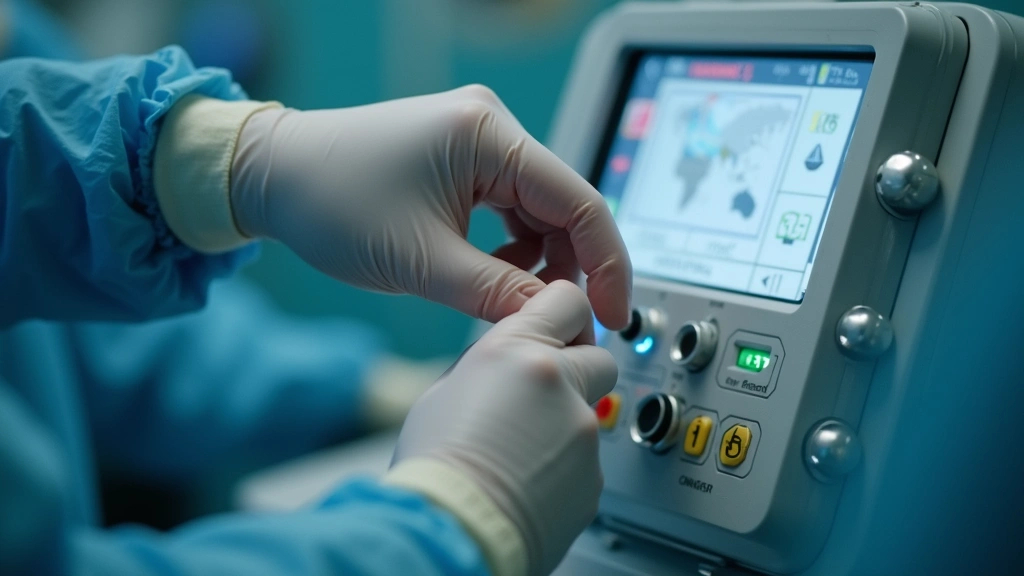
Success as an anesthesia technician requires a diverse skill set combining technical knowledge, clinical judgment, and interpersonal abilities. Technical expertise forms the foundation—you must thoroughly understand anesthesia equipment operation, troubleshooting, and maintenance. This knowledge extends beyond theoretical understanding to hands-on proficiency. You’ll operate ventilators, manage gas delivery systems, monitor capnography and pulse oximetry, and respond to equipment alarms intelligently.
Medical knowledge is equally essential. Understanding basic pharmacology helps you recognize drug interactions and side effects. Anatomy and physiology knowledge enables you to anticipate physiological responses to anesthesia and surgery. You need to understand how different patient conditions—obesity, heart disease, respiratory issues—affect anesthesia management and what equipment modifications become necessary.
Problem-solving abilities are critical in high-pressure situations. When an anesthesia machine malfunctions mid-surgery, there’s no time for panic or lengthy deliberation. You must quickly diagnose the problem, implement solutions, and communicate effectively with the surgical team. This requires analytical thinking, technical competence, and confidence in your abilities.
Communication skills matter tremendously, despite the operating room’s controlled environment. You collaborate with anesthesiologists, surgeons, nurses, and other operating room staff. Clear, concise communication prevents errors and ensures everyone understands equipment status, patient condition, and any concerns. You must also communicate effectively with anxious patients pre-operatively, explaining procedures and providing reassurance.
Attention to detail separates excellent technicians from adequate ones. Anesthesia is unforgiving—small errors compound into serious complications. Maintaining accurate records, monitoring subtle changes in patient condition, and meticulously preparing equipment all require unwavering focus. The ability to maintain concentration during long procedures, sometimes standing for 8+ hours, is essential.
Physical stamina and manual dexterity are practical requirements. Operating rooms can be cold, and you’ll stand throughout procedures. You’ll manipulate small equipment components, establish IV lines, and position patients. Good hand-eye coordination and physical fitness support job performance and reduce injury risk. Additionally, emotional resilience helps you process difficult cases—unsuccessful resuscitations, patient complications, or traumatic injuries—while maintaining professional composure.
Salary, Benefits, and Career Growth
Anesthesia technician compensation varies by location, experience, employer type, and credentials. According to Bureau of Labor Statistics data, anesthesia technicians earn competitive salaries reflecting their specialized knowledge and critical responsibilities. Entry-level positions typically start around $35,000-$42,000 annually, while experienced technicians with certifications earn $50,000-$65,000 or more. Specialized roles or management positions can exceed $70,000.
Compensation packages extend beyond base salary. Most healthcare employers offer comprehensive benefits including health insurance, dental and vision coverage, retirement plans with employer matching, and paid time off. Many hospitals provide tuition reimbursement for continuing education and certification maintenance, supporting professional development. Some employers offer shift differentials for evening, night, or weekend work, which can significantly increase earnings.
Career advancement opportunities exist for motivated technicians. Some advance to supervisory positions, overseeing anesthesia tech teams or operating room management. Others pursue further education, becoming nurse anesthetists (requiring additional nursing education and graduate training) or anesthesiologists (requiring medical school). Some technicians specialize in specific areas—cardiac anesthesia, pediatric anesthesia, or trauma anesthesia—commanding higher compensation.
The healthcare industry’s emphasis on artificial intelligence applications and advanced monitoring systems creates emerging opportunities for technicians with strong technical backgrounds. As hospitals implement sophisticated monitoring networks and data management systems, technicians who understand both anesthesia and healthcare technology gain competitive advantages. Some transition into biomedical engineering roles, equipment management positions, or clinical informatics.
Job security is exceptional. Healthcare demand remains consistently strong, and surgical procedures won’t disappear. Unlike many fields vulnerable to automation or outsourcing, anesthesia tech positions require local, in-person expertise. This stability makes the career attractive for those prioritizing job security and predictable employment.
Work Environment and Schedule Challenges
Operating rooms are unique work environments with distinct characteristics that significantly impact daily experience. They’re highly controlled spaces maintained at specific temperatures with strict infection control protocols. This means wearing surgical attire—scrubs, surgical cap, mask, and gloves—throughout shifts. For some people, this protective gear feels constraining; for others, it’s simply part of the job.
The operating room culture emphasizes precision, hierarchy, and efficiency. Surgeons and anesthesiologists lead the team, and roles are clearly defined. Communication follows specific protocols, and deviations can create tension. Some technicians thrive in this structured environment; others find it overly rigid. Understanding your comfort with hierarchical workplace cultures matters when evaluating this career.
Schedule unpredictability is a significant consideration. While some hospitals maintain consistent surgical schedules, emergency surgeries disrupt planned routines. You might work a standard 8-hour shift that extends to 10+ hours when complex cases arise. Call schedules requiring on-call availability for emergency surgeries are common, especially in trauma centers. These scheduling demands affect personal life, family time, and work-life balance.
The physical demands are substantial. Standing for 8+ hours during long procedures causes foot, back, and leg fatigue. The operating room environment—cold temperatures, bright lights, occasional unpleasant odors—requires adjustment. Exposure to bloodborne pathogens, anesthetic gases, and other hazardous materials necessitates strict safety protocol adherence. While modern operating rooms have excellent ventilation and safety systems, some technicians develop sensitivities to anesthetic gases or latex, potentially requiring career changes.
Emotional demands shouldn’t be underestimated. Witnessing patient complications, unsuccessful resuscitations, or tragic outcomes affects technicians emotionally. While you maintain professional composure during crises, processing these experiences afterward requires emotional resilience and healthy coping mechanisms. Strong team relationships and access to mental health resources support wellbeing in this demanding environment.
Is This Career Right for You
Determining whether an anesthesia tech career suits you requires honest self-assessment across multiple dimensions. First, evaluate your genuine interest in healthcare. This isn’t a job you can perform adequately while lacking passion for helping patients. Technicians who find meaning in contributing to patient safety and surgical success experience greater job satisfaction than those viewing it merely as employment.
Assess your technical aptitude and comfort with complex equipment. If you enjoy learning how things work, troubleshooting problems, and mastering sophisticated technology, you’ll likely find the technical aspects rewarding. Conversely, if technology frustrates you or you struggle with mechanical concepts, this career may prove perpetually challenging. Consider your past experiences with technical learning—did you enjoy it or endure it?
Evaluate your stress tolerance and ability to remain calm under pressure. The operating room occasionally becomes chaotic. Emergencies happen. Equipment fails. Patients crash. If you panic easily, struggle with high-pressure situations, or need extensive time to make decisions, this career will be stressful. However, if you thrive on adrenaline, make decisions confidently under pressure, and view crises as challenges rather than catastrophes, you’re well-suited.
Consider your personality and work style preferences. Do you prefer routine and predictability, or do you enjoy variety and unpredictability? Anesthesia tech work offers both—some days follow patterns, others bring surprises. Do you work well in teams, communicating constantly with colleagues? The operating room is highly collaborative. Do you prefer direct patient care or prefer working behind the scenes? Anesthesia tech roles involve both, though less direct patient interaction than nursing.
Honestly assess your commitment to continuous learning. The field evolves constantly—new equipment, new drugs, new protocols emerge regularly. Maintaining certification requires ongoing education. If you prefer static knowledge and resist learning new systems, this career will frustrate you. If you view learning as exciting and necessary, you’ll embrace professional development.
Examine your lifestyle preferences and schedule flexibility. Can you work evenings, nights, weekends, and holidays? Can you be on-call for emergencies? Can you handle shift work’s effects on sleep and family time? For people requiring rigid schedules or unable to work unpredictable hours, this career creates challenges. However, for those with flexible schedules or preferring varied work hours, it offers advantages.
Finally, evaluate financial expectations. While anesthesia tech salaries are respectable and provide comfortable middle-class living, they don’t rival physician or advanced practice provider earnings. If you’re pursuing this career primarily for wealth accumulation, reconsider. However, if you seek stable income, good benefits, and reasonable compensation for specialized work, this career delivers.
Consider exploring the field before fully committing. Many hospitals offer volunteer opportunities in operating rooms or shadowing programs allowing you to observe technicians working. Spending time in this environment provides invaluable insight into whether you’re truly suited for the role. Talking with experienced technicians about their career satisfaction, challenges, and rewards offers realistic perspectives beyond theoretical descriptions.
FAQ
How long does it take to become an anesthesia technician?
Most accredited anesthesia technician programs require 12-24 months of full-time study. After completing your program, you’ll need 2,000+ hours of supervised clinical experience before becoming eligible for certification exams. The complete timeline from starting education to becoming certified typically spans 2-3 years, depending on program length and how quickly you accumulate clinical hours.
Do I need a bachelor’s degree to become an anesthesia tech?
No, a bachelor’s degree isn’t required. Most positions require completion of an accredited anesthesia technician program from a community college, vocational school, or hospital-based program. Many of these programs award associate degrees or certificates. However, having some college coursework or a high school diploma with strong science grades helps with program admission.
Is anesthesia tech work physically demanding?
Yes, it’s moderately to highly physically demanding. You’ll stand throughout long procedures, sometimes 8-10+ hours. You’ll move patients, manipulate equipment, and maintain focus despite physical fatigue. The work requires good physical fitness, though you don’t need to be an athlete. Pre-existing back problems, severe arthritis, or conditions limiting standing tolerance may make this career challenging.
Can I work part-time as an anesthesia technician?
Most hospitals prefer full-time staff due to the specialized nature of the role and training requirements. However, some facilities offer part-time or per-diem positions, particularly larger hospitals with multiple operating rooms. Finding part-time work may require living in areas with multiple hospitals or being willing to work weekends and evenings.
What’s the difference between an anesthesia tech and an anesthesia assistant?
Anesthesia technicians focus on equipment management, patient preparation, and technical support. Anesthesia assistants have additional education (usually master’s level) and can administer anesthesia under supervision, perform advanced clinical tasks, and make more clinical decisions. Anesthesia assistants require significantly more education but earn higher salaries and have expanded responsibilities.
Are there opportunities to specialize in specific types of anesthesia?
Yes, experienced technicians can specialize in cardiac anesthesia, pediatric anesthesia, neuroanaesthesia, trauma anesthesia, or other specialty areas. Specialization typically comes after gaining general operating room experience. Specialized positions often offer higher compensation and more focused, predictable work environments compared to general operating room rotations.
How do I stay current with continuing education requirements?
Most certification bodies require continuing education units (CEUs) to maintain credentials. These can be obtained through workshops, conferences, online courses, professional organization memberships, and hospital-provided training. Many employers support technician education through tuition reimbursement. Professional organizations like the American Society of Anesthesiologists offer resources and educational opportunities for technicians.
What’s the job outlook for anesthesia technicians?
The outlook is positive. As surgical volume increases and healthcare systems expand, demand for anesthesia technicians continues growing. The Bureau of Labor Statistics projects steady growth in surgical technology and related fields. Many regions report shortages of qualified technicians, creating excellent job security and competitive salaries for skilled professionals.


