
Anesthesia Tech Jobs: In-Demand Career Path?
The healthcare technology sector is experiencing unprecedented growth, and anesthesia tech jobs represent one of the most compelling opportunities for professionals seeking stability, competitive compensation, and meaningful work. As hospitals and surgical centers modernize their operating room infrastructure, the demand for skilled anesthesia technologists continues to surge. These specialized professionals operate, maintain, and troubleshoot sophisticated medical equipment that directly impacts patient safety and surgical outcomes. Whether you’re considering a career transition or exploring entry-level healthcare positions, understanding the landscape of anesthesia tech employment is essential for making informed decisions about your professional future.
Anesthesia technologists work at the intersection of healthcare and technology, operating advanced monitoring systems, anesthesia delivery machines, and patient support equipment during surgical procedures. This role combines technical expertise with clinical knowledge, requiring professionals who can think critically under pressure while maintaining meticulous attention to detail. The Bureau of Labor Statistics projects steady growth in healthcare professions through 2032, with specialized technical roles like anesthesia tech showing particularly strong demand across urban and rural healthcare facilities.
What Anesthesia Technologists Actually Do
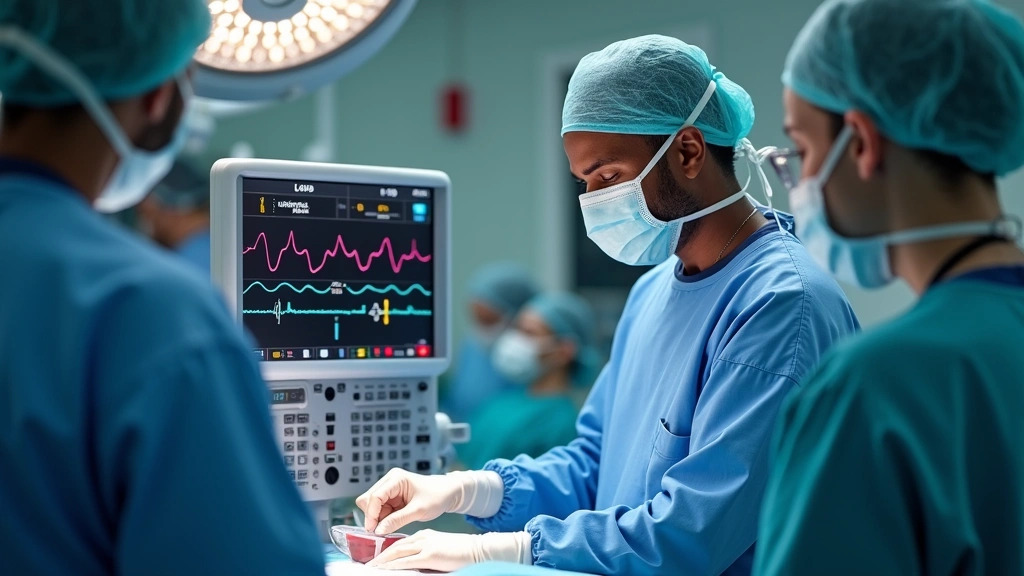
Anesthesia technologists perform critical functions that directly support anesthesiologists and certified registered nurse anesthetists (CRNAs) during surgical procedures. Their primary responsibilities include preparing anesthesia equipment before surgery, testing machines for proper functionality, calibrating monitoring devices, and ensuring all supplies are sterile and readily available. During procedures, they monitor equipment performance, assist with patient positioning, track vital signs on monitors, and respond immediately to any technical malfunctions that could compromise patient safety.
The technical expertise required extends beyond basic equipment operation. These professionals must understand the pharmacology of anesthetic agents, recognize abnormal vital sign patterns, troubleshoot equipment failures in real-time, and maintain comprehensive documentation of all equipment usage and maintenance. They work closely with anesthesiologists to ensure optimal operating room conditions and often serve as the liaison between the surgical team and biomedical engineering departments when equipment issues arise. This combination of clinical knowledge and technical proficiency makes the role uniquely valuable within healthcare settings.
Daily tasks include checking oxygen delivery systems, verifying ventilator settings, managing IV lines and fluid administration, monitoring patient temperature and heart rhythm, and maintaining sterile field protocols throughout extended surgical procedures. Many anesthesia techs also participate in equipment inventory management, supply ordering, and training new staff members on proper equipment handling and safety procedures.
Educational Requirements and Certification Pathways
Most healthcare facilities require anesthesia technologists to complete a formal educational program, typically a one to two-year certificate or associate degree from an accredited institution. These programs combine classroom instruction in anatomy, physiology, pharmacology, and medical equipment technology with hands-on clinical training in actual operating room environments. The American Association of Nurse Anesthetists and various state licensing boards maintain specific educational standards that programs must meet.
Certification is highly valued and increasingly expected by employers. The Certified Anesthesia Technologist (CAT) credential, administered by the National Board of Certification and Recertification for Anesthesia Technologists (NBCRNAT), demonstrates competency and commitment to professional standards. To qualify for certification, candidates typically need to complete an accredited training program and pass a comprehensive examination covering equipment operation, safety protocols, pharmacology, and emergency procedures. Some states require licensure in addition to certification, so checking your specific state’s regulations is essential before enrolling in training programs.
For those already working in healthcare, pursuing professional development through continuing education ensures you stay current with rapidly evolving medical technologies. Many community colleges and hospitals offer these accredited programs, with tuition costs typically ranging from $8,000 to $25,000 depending on program length and institution type.
Salary Expectations and Job Growth Projections
Anesthesia tech jobs offer competitive compensation that reflects the technical skill and responsibility required. According to the Bureau of Labor Statistics, surgical technologists (the closest comparable classification) earn a median annual salary of approximately $52,000, with experienced professionals in major metropolitan areas earning $65,000 to $80,000 or more. Specialized roles focusing specifically on anesthesia equipment often command higher salaries, particularly in academic medical centers and specialized surgical hospitals.
The job growth outlook is exceptionally strong. Healthcare employment is projected to grow 16% from 2022 to 2032, significantly faster than the average for all occupations. This growth is driven by an aging population requiring more surgical procedures, technological advancement in operating rooms, and increased focus on patient safety protocols that mandate properly trained technical staff. Rural areas are experiencing particularly acute shortages of qualified anesthesia technologists, creating excellent opportunities for professionals willing to work in underserved communities.
Salary progression typically follows experience level, with entry-level technologists starting around $35,000 to $40,000 and advancing to $55,000 to $75,000 within five to ten years. Senior technologists, particularly those who pursue supervisory roles or specialize in complex equipment maintenance, can earn $80,000 to $95,000 annually. Benefits packages in healthcare settings are typically generous, including comprehensive health insurance, retirement plans, continuing education subsidies, and shift differentials for evening and weekend work.
Essential Technical Skills and Equipment Knowledge
Modern operating rooms utilize sophisticated medical technology that requires in-depth technical knowledge. Anesthesia technologists must master several critical equipment systems, including anesthesia delivery machines, patient monitoring systems, ventilators, and emergency backup equipment. Understanding the mechanical and electronic components of these systems is essential—this goes beyond pushing buttons to comprehending how oxygen flows through circuits, how monitors detect electrical signals from the heart, and how backup systems engage during emergencies.
Technical proficiency with modern medical technology and emerging artificial intelligence applications in healthcare is increasingly important. Many facilities now utilize AI-enhanced monitoring systems that predict adverse events before they occur, requiring technologists to understand both traditional equipment and cutting-edge technological systems. Familiarity with electronic medical records (EMR) systems, equipment calibration software, and data management platforms is essential in contemporary operating rooms.
Beyond equipment operation, successful anesthesia technologists develop troubleshooting expertise that allows them to diagnose problems quickly and implement solutions under pressure. This requires understanding circuit diagrams, electrical safety principles, gas delivery systems, and emergency protocols. Many facilities provide on-the-job training with experienced mentors, but formal education programs should cover these technical foundations thoroughly.
Work Environment and Scheduling Realities
Anesthesia technologists work in operating room environments where precision, focus, and emotional resilience are paramount. The work is intellectually demanding and fast-paced, requiring constant vigilance and quick decision-making. You’ll be on your feet for extended periods, often during lengthy surgical procedures that can last several hours. The operating room environment demands strict adherence to sterile protocols, infection control procedures, and safety regulations that govern healthcare facilities.
Scheduling in healthcare is rarely traditional. Most anesthesia tech positions require availability for evening, night, and weekend shifts, as surgical emergencies and trauma cases occur around the clock. Many facilities operate 24/7, necessitating rotating schedules that take time to adjust to. However, this scheduling reality also creates flexibility—many positions offer rotating schedules that provide predictable time off, and some facilities offer shift differentials that compensate for non-traditional hours. Call schedules, where you’re available for emergency procedures outside regular shifts, are common in some settings.
The emotional demands shouldn’t be underestimated. You’ll witness patient suffering, medical crises, and occasionally adverse outcomes. Developing healthy coping mechanisms and maintaining work-life balance is essential for long-term career sustainability. Many healthcare facilities offer employee assistance programs, mental health resources, and peer support networks specifically designed to support clinical staff managing these emotional challenges.
Career Advancement Opportunities
The anesthesia tech career path offers multiple advancement directions depending on your interests and goals. Many technologists advance into supervisory or management roles, overseeing equipment maintenance, staff training, and operating room operations. These positions typically require several years of experience and additional management training, but they offer increased compensation and reduced clinical responsibilities.
Some anesthesia technologists pursue further education to become certified registered nurse anesthetists (CRNAs), a graduate-level role requiring a master’s degree and additional clinical experience. While this represents a significant educational commitment, it substantially increases earning potential and professional autonomy. Others specialize in biomedical equipment maintenance and repair, working with hospital engineering departments to maintain and troubleshoot complex medical devices across entire healthcare systems.
Pursuing related certifications and investing in continued education with appropriate technology tools keeps you competitive and opens doors to specialized roles. Some technologists become educators, training new technologists at community colleges or within hospital systems. Others move into equipment sales and technical support roles, leveraging their operational knowledge to help healthcare facilities select and implement new technologies.
Challenges and Considerations
Before committing to anesthesia tech training, honestly assess whether you can handle the inherent challenges. The role demands emotional resilience—you’ll work with patients in vulnerable states and occasionally witness poor outcomes despite everyone’s best efforts. Physical demands are substantial; you’ll spend long hours standing, often in uncomfortable positions, in cold operating room environments. The fast-paced, high-pressure nature of surgical settings isn’t suitable for everyone.
Continuing education requirements mean you must stay current with evolving technology and protocols throughout your career. New equipment, updated safety standards, and emerging techniques require ongoing professional development. Some technologists find this stimulating; others experience it as burdensome. The certification maintenance process requires regular continuing education credits and periodic recertification exams.
Burnout is a real concern in healthcare. The combination of physical demands, emotional labor, irregular scheduling, and high-stakes responsibility can lead to exhaustion and disengagement. Researching workplace culture, staffing ratios, and employee retention rates at potential employers helps identify facilities where you’re likely to thrive rather than merely survive.
Getting Started in the Field
Your first step is researching accredited anesthesia technologist programs in your region. The American Association of Nurse Anesthetists maintains a directory of accredited educational programs. Evaluate programs based on curriculum comprehensiveness, clinical placement opportunities, instructor experience, and graduate employment rates. Many community colleges offer affordable, high-quality programs with strong connections to local healthcare employers.
During your educational program, build relationships with clinical mentors and supervisors—these connections often lead directly to employment opportunities. Many facilities hire graduates of their affiliated training programs, particularly if you’ve impressed the anesthesia team during clinical rotations. Networking at professional conferences and within your local healthcare community accelerates career entry.
Consider starting your search by connecting with anesthesia tech resources and career information that provide comprehensive guidance on entry requirements. Once certified, pursuing positions at well-regarded medical centers or teaching hospitals provides excellent experience and professional development. These facilities typically have robust equipment, mentorship programs, and career advancement opportunities that benefit early-career technologists.
Job boards specifically focused on healthcare careers, hospital websites, and professional associations are excellent resources for identifying openings. Many positions remain unfilled due to workforce shortages, creating favorable conditions for qualified candidates. Your geographic flexibility significantly impacts your job prospects—willingness to relocate to rural or underserved areas dramatically increases your employment opportunities and often comes with relocation assistance and signing bonuses.

The Future of Anesthesia Technology
The anesthesia tech field is evolving rapidly as healthcare technology advances. Artificial intelligence and machine learning are increasingly integrated into patient monitoring systems, requiring technologists to understand algorithmic decision-making and data interpretation. Robotic-assisted surgical systems demand new technical knowledge. Telemedicine and remote monitoring capabilities are expanding the scope of anesthesia practice, potentially creating new roles for technologists in monitoring and support functions.
Understanding these technological trends positions you advantageously for long-term career success. Professionals who embrace continuous learning and adapt to emerging technologies remain in high demand. The integration of modern programming languages and technical skills into healthcare roles is accelerating, suggesting that anesthesia technologists with broader technical literacy will enjoy enhanced career prospects.
Regulatory changes also shape the field. Increased focus on patient safety, equipment standardization, and technologist certification requirements reflect growing recognition of the critical role these professionals play in surgical outcomes. Staying informed about regulatory changes and maintaining certifications ensures you remain compliant and competitive throughout your career.
FAQ
How long does it take to become an anesthesia technologist?
Most accredited programs require one to two years of full-time study, combining classroom instruction and clinical training. Some programs can be completed in as little as 12 months, while others extend to two years. After completing your program, you’ll need to pass the certification exam, which typically occurs within a few months of graduation.
Do I need a bachelor’s degree to become an anesthesia tech?
No. Most positions require only an associate degree or certificate from an accredited program. However, some healthcare facilities and advancement opportunities may prefer or require a bachelor’s degree. Pursuing further education can enhance career prospects without being mandatory for entry-level positions.
What’s the difference between an anesthesia tech and a surgical tech?
While both work in operating rooms, their roles differ significantly. Anesthesia technologists focus specifically on anesthesia equipment, patient monitoring systems, and supporting anesthesiologists. Surgical technologists prepare instruments, manage the surgical field, and assist the surgical team directly. Some professionals cross-train in both areas, but they require different certifications.
Is certification required for anesthesia tech jobs?
Requirements vary by state and employer. Some states require licensure, while others don’t. However, most reputable healthcare facilities prefer or require certification (CAT credential), as it demonstrates competency and commitment to professional standards. Pursuing certification significantly improves employment prospects and earning potential.
What’s the job outlook for anesthesia technologists?
The outlook is excellent. Healthcare employment is growing faster than average occupations, with specialized technical roles like anesthesia tech experiencing particularly strong demand. Aging populations requiring more surgical procedures and healthcare facilities’ emphasis on patient safety create sustained demand for qualified professionals.
Can anesthesia technologists advance to higher-paying roles?
Absolutely. Advancement paths include supervisory positions, biomedical equipment specialization, further education as a CRNA, or educator roles. Many technologists increase their earning potential significantly through advancement and specialization. Some transition into healthcare technology sales and consulting roles that leverage their operational expertise.
Do anesthesia technologists work only in hospitals?
While hospitals are the primary employers, anesthesia technologists also work in surgical centers, ambulatory care facilities, dental clinics, and specialized medical facilities. Some positions exist in equipment sales and technical support roles for medical device manufacturers.


