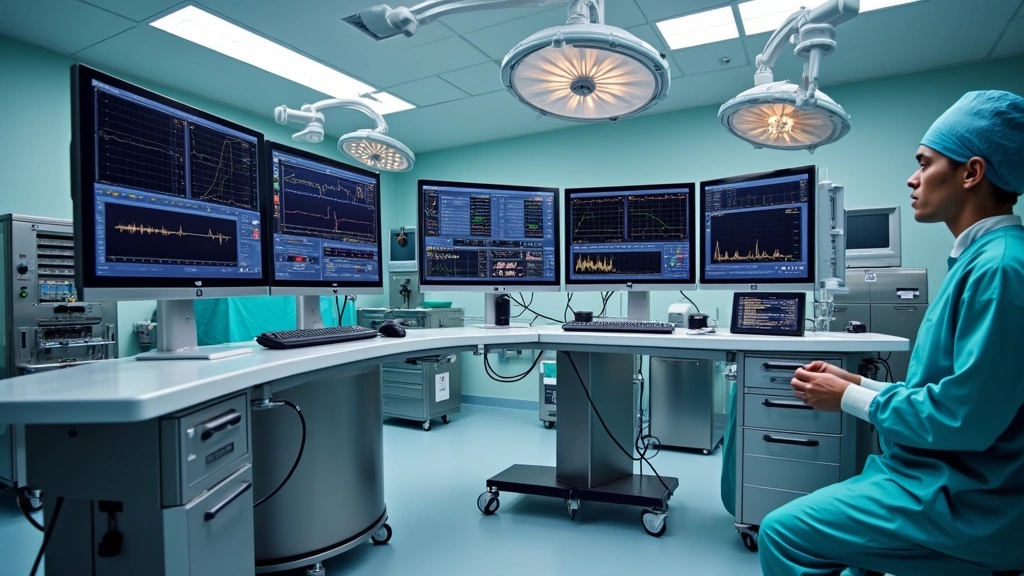
Top Anesthesia Tech Gadgets: Expert Insights for Healthcare Professionals
The anesthesia technology landscape has undergone a dramatic transformation over the past decade, with sophisticated monitoring devices and delivery systems becoming essential components of modern operating rooms. For anesthesia tech professionals seeking career advancement, understanding the latest gadgets and equipment is crucial for staying competitive in the field. Whether you’re exploring anesthesia tech roles or looking to enhance your technical expertise, this comprehensive guide examines the cutting-edge devices that define modern anesthetic practice.
The convergence of digital health, artificial intelligence, and precision engineering has created unprecedented opportunities for anesthesia technicians. These professionals operate at the intersection of patient safety and technological innovation, managing equipment that directly impacts surgical outcomes. As healthcare facilities increasingly invest in advanced anesthesia systems, demand for skilled technicians continues to surge—particularly for those seeking anesthesia tech jobs near me with competitive compensation packages.

Advanced Anesthesia Delivery Systems
Modern anesthesia delivery systems represent the pinnacle of precision engineering, combining mechanical reliability with digital intelligence. The latest generation of anesthesia workstations incorporates target-controlled infusion (TCI) technology, allowing anesthesiologists to achieve precise drug concentrations with minimal manual adjustment. These systems automatically calculate and deliver anesthetic agents based on patient-specific parameters including age, weight, and individual pharmacokinetic profiles.
Leading manufacturers have revolutionized volatile anesthetic delivery through closed-circuit systems that dramatically reduce agent waste while maintaining precise concentrations. The GE Aisys CS2 and Draeger Perseus represent industry benchmarks, featuring integrated gas control modules with real-time concentration monitoring. These workstations incorporate advanced scavenging systems that capture exhaust gases, protecting OR personnel from chronic exposure while optimizing agent efficiency. Draeger’s anesthesia solutions have become synonymous with reliability and innovation across European healthcare systems.
For anesthesia tech professionals, understanding the calibration, maintenance, and troubleshooting protocols for these systems is essential. As technology and AI continue transforming healthcare, anesthesia delivery systems increasingly incorporate predictive analytics to anticipate equipment failures before they occur. Technicians must master both hardware diagnostics and software interfaces, making this field increasingly attractive for those pursuing technical healthcare careers.
Infusion pump integration has become standard, with many modern workstations featuring built-in pumps or seamless wireless connectivity to external infusion devices. This integration reduces medication errors by enabling automatic documentation and dose verification. The ability to program complex drug sequences and maintain detailed anesthetic records has transformed anesthesia delivery from an art into a quantifiable science.
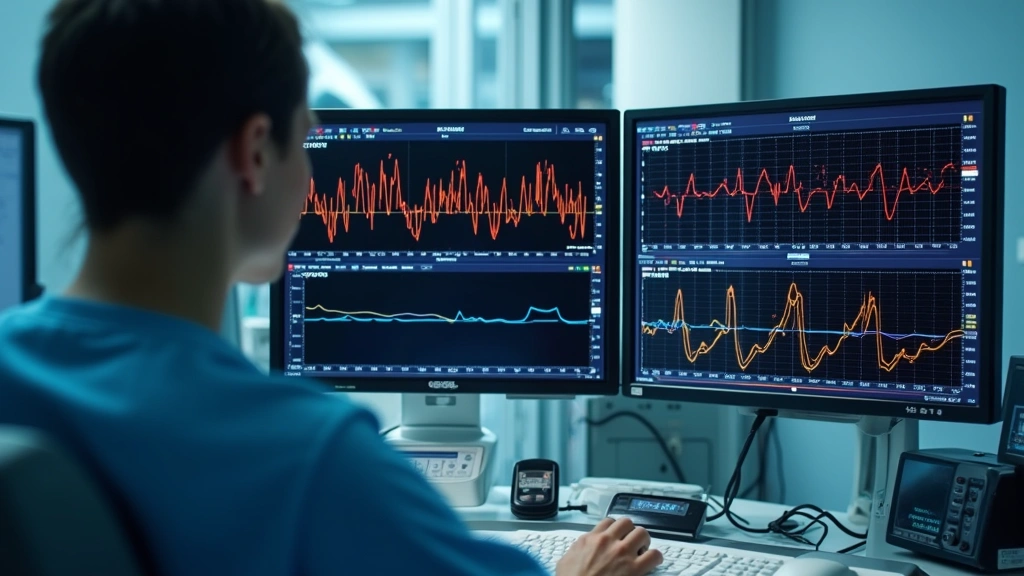
Patient Monitoring Devices and Sensors
Comprehensive patient monitoring forms the foundation of safe anesthetic practice, with modern devices providing real-time assessment of multiple physiological parameters simultaneously. Capnography—measuring end-tidal carbon dioxide—has evolved from a single-parameter sensor into sophisticated systems that analyze respiratory waveforms, detect ventilation anomalies, and predict potential airway complications.
Non-invasive blood pressure monitoring has advanced dramatically, with oscillometric devices now capable of detecting arrhythmias and providing vascular stiffness measurements. Advanced pulse oximetry goes beyond simple oxygen saturation readings, incorporating plethysmographic waveform analysis to assess perfusion quality and predict hemodynamic changes. The Verge’s healthcare technology coverage frequently highlights how biomedical sensors are becoming increasingly sophisticated in clinical applications.
Neuromuscular monitoring represents a critical advancement, with train-of-four stimulation devices now featuring acceleromyography and electromyography capabilities. These systems provide objective assessment of neuromuscular blockade, enabling precise dosing of neuromuscular agents and preventing residual paralysis—a significant cause of postoperative complications. Modern devices offer wireless transmission, reducing OR clutter while maintaining real-time data visibility.
Temperature monitoring has evolved beyond simple thermometry, with advanced systems providing core-peripheral temperature gradients and predictive analytics for malignant hyperthermia detection. Esophageal, nasopharyngeal, and skin temperature sensors can be integrated into comprehensive monitoring networks, with algorithms alerting clinicians to temperature anomalies that might indicate serious complications. For anesthesia technicians, proficiency with these sensors and their calibration procedures is increasingly valuable in competitive job markets.
Airway Management Technology
Difficult airway management represents one of anesthesia’s greatest challenges, and technology has dramatically improved both prediction and management capabilities. Video laryngoscopes have revolutionized intubation, providing superior visualization compared to traditional direct laryngoscopy. Devices like the GlideScope and McGrath incorporate advanced optics and digital display systems, allowing team members to visualize the airway simultaneously and improving first-pass success rates.
Fiber-optic intubating devices have become more compact and user-friendly, with integrated cameras and high-definition displays enabling detailed examination of the entire airway. These devices are particularly valuable for anticipated difficult airways, allowing detailed pre-operative planning and reducing emergency situations. The learning curve for fiber-optic techniques has flattened considerably with modern equipment, making proficiency achievable for most anesthesia professionals.
Supraglottic airway devices have evolved into sophisticated alternatives to intubation, with pressure-regulating cuffs and integral ventilation channels. Some modern devices incorporate video capabilities, allowing confirmation of proper positioning. The flexibility of these devices—ranging from emergency rescue airways to elective alternatives—has expanded their role in anesthetic management significantly.
For those pursuing anesthesia tech positions, mastery of airway device maintenance, troubleshooting, and sterilization is fundamental. These devices require meticulous care, with regular inspection and testing protocols essential to prevent failures during critical moments.
Ventilator Systems and Respiratory Support
Intraoperative ventilation has become increasingly sophisticated, with modern anesthesia ventilators offering numerous modes and monitoring capabilities previously reserved for critical care environments. Pressure-controlled ventilation with volume guarantee, adaptive support ventilation, and automated weaning protocols have transformed intraoperative respiratory management from a static parameter into a dynamic, responsive system.
Advanced ventilators incorporate lung protective strategies automatically, with tidal volume limiting and PEEP optimization algorithms reducing ventilator-induced lung injury. These systems analyze respiratory mechanics in real-time, detecting changes in compliance or resistance that might indicate complications like aspiration, bronchospasm, or tube malposition. CNET’s medical device reviews regularly evaluate how ventilator technology is advancing across healthcare settings.
Closed-loop ventilation systems represent the frontier of respiratory management, with some devices incorporating automated feedback mechanisms that adjust ventilation parameters based on real-time blood gas predictions. These systems promise to reduce hypoxemia and hypercapnia while minimizing barotrauma, though their adoption in operating rooms remains limited by cost and the need for specialized training.
The integration of ventilators with anesthesia workstations has created unified respiratory management platforms. Technicians must understand both the mechanical aspects of ventilation and the sophisticated software algorithms controlling modern systems. This dual expertise makes anesthesia technology increasingly attractive as a career path, particularly for those with both mechanical aptitude and programming interests.
Data Integration and Operating Room Networks
Modern operating rooms have evolved into sophisticated information ecosystems, with anesthesia workstations serving as central nodes in comprehensive patient data networks. Electronic health record integration enables automatic documentation of vital signs, drug administration, and clinical events, reducing manual charting burden while improving data accuracy and completeness.
Operating room networks facilitate real-time communication between anesthesia systems, surgical equipment, nursing stations, and hospital information systems. This interconnectedness enables rapid response to emergencies, with alert systems automatically notifying relevant personnel when critical thresholds are exceeded. The integration of artificial intelligence into healthcare networks is enabling predictive analytics that anticipate complications before they manifest clinically.
Cybersecurity has become increasingly critical as anesthesia equipment connects to hospital networks. Technicians must understand HIPAA compliance, secure data transmission protocols, and vulnerability management. Healthcare systems require rigorous validation of any software updates or network changes, making anesthesia tech roles increasingly important for maintaining both patient safety and data security.
Cloud-based analytics platforms are beginning to leverage aggregated anesthesia data to identify best practices and predict patient outcomes. These systems analyze thousands of cases to identify patterns associated with complications, enabling continuous quality improvement across healthcare systems. For anesthesia professionals, understanding these data-driven approaches represents a competitive advantage in anesthesia tech careers.
Emerging Technologies Shaping the Future
Artificial intelligence is beginning to transform anesthesia practice, with machine learning algorithms predicting hemodynamic instability, detecting critical events, and optimizing anesthetic depth. Some systems analyze physiological waveforms to predict adverse events minutes before they would be clinically apparent, giving anesthesiologists crucial time for intervention. As programming languages continue evolving, anesthesia technology developers are increasingly leveraging advanced algorithms and real-time processing capabilities.
Augmented reality systems are beginning to enhance airway visualization, with overlaid anatomical models improving intubation success rates and reducing complications. These systems combine real-time video feeds with pre-operative imaging data, creating three-dimensional models that guide clinicians through complex anatomical variations. Early adopters report significant improvements in difficult airway management outcomes.
Portable anesthesia systems are emerging for remote and austere environments, bringing sophisticated anesthetic capabilities to settings previously limited to basic sedation. These compact systems maintain the reliability and safety features of full-sized workstations while dramatically reducing footprint and weight. For anesthesia technicians interested in global health or military medicine, these devices represent exciting opportunities.
Wearable sensors are beginning to provide continuous monitoring beyond traditional operating room parameters. Implantable devices and non-invasive wearables offer the potential for extended perioperative monitoring, capturing data throughout the recovery period and enabling early detection of post-operative complications. The integration of wearable technology with hospital information systems promises to transform post-operative care delivery.
Robotic systems are increasingly assisting with routine anesthesia tasks, including IV placement, arterial catheterization, and even some aspects of airway management. While these systems complement rather than replace human expertise, they reduce procedure-related complications and free anesthesia professionals to focus on higher-level clinical decision-making.
FAQ
What qualifications do I need for anesthesia tech positions?
Most positions require at minimum a high school diploma or GED, with formal anesthesia technology training programs preferred. Many employers seek candidates with certification through the American Society of Anesthesiologists (ASA) or equivalent credentialing. While becoming a software developer requires different training, both fields increasingly value technical certifications and continuing education.
How much does anesthesia tech equipment cost?
Modern anesthesia workstations range from $150,000 to $500,000+ depending on features and included devices. Monitoring systems add significant cost, with comprehensive packages exceeding $100,000. Healthcare facilities typically depreciate equipment over 7-10 years, with regular maintenance contracts adding 5-10% annually to acquisition costs.
Are anesthesia tech jobs in high demand?
Yes, demand for qualified anesthesia technicians significantly exceeds supply in most healthcare markets. The aging population, increasing surgical volume, and complexity of modern equipment create robust job growth. Salaries have increased accordingly, with median compensation ranging from $45,000 to $65,000+ depending on location and experience.
What’s the difference between anesthesia tech and anesthesiologist?
Anesthesia technicians manage equipment, prepare workstations, and handle routine technical tasks under supervision. Anesthesiologists are physicians who administer anesthesia and manage patient physiology. Anesthesia assistants occupy a middle ground, with expanded clinical responsibilities beyond technicians but less training than physicians.
How do I find anesthesia tech jobs near me?
Healthcare job boards like Indeed, LinkedIn, and specialty sites focused on anesthesia tech employment are excellent starting points. Hospital career pages, staffing agencies specializing in healthcare, and professional organizations often post positions. Networking within healthcare facilities and maintaining certifications increases visibility to recruiters.


