Top 5 Anesthesiology Tech Gadgets of 2023
The anesthesiology field has undergone a remarkable transformation in recent years, driven by cutting-edge technological innovations that enhance patient safety, streamline workflows, and provide clinicians with real-time data insights. As we navigate through 2023, the intersection of medical precision and advanced engineering continues to redefine how anesthesiologists monitor, manage, and deliver care during surgical procedures. From AI-powered monitoring systems to portable ultrasound devices, these technological breakthroughs represent the future of perioperative medicine.
Whether you’re an experienced anesthesiologist seeking to upgrade your clinical toolkit or a curious professional exploring anesthesia tech innovations, understanding these five transformative gadgets will provide insight into how modern technology is reshaping the operating room. These devices combine sophisticated sensor technology, machine learning algorithms, and intuitive interfaces to deliver unprecedented levels of clinical decision support and patient monitoring capabilities.
GE CARESCAPE Monitor B650: Advanced Hemodynamic Monitoring
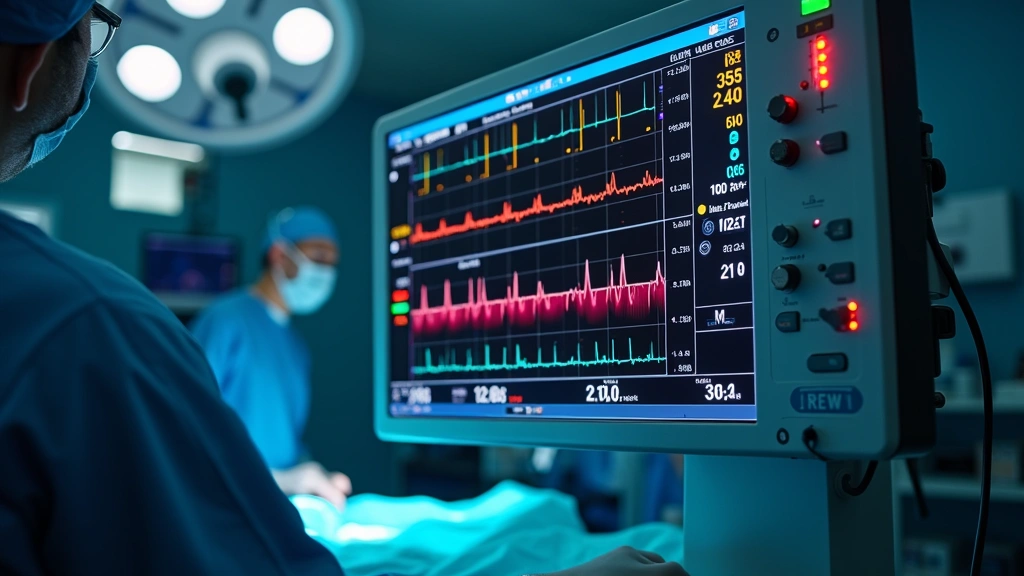
The GE CARESCAPE Monitor B650 stands as one of the most comprehensive patient monitoring platforms available in modern operating rooms. This sophisticated system integrates multiple physiological parameters into a single, intuitive display that provides anesthesiologists with actionable clinical intelligence. The monitor combines traditional vital sign monitoring with advanced hemodynamic measurements, creating a unified ecosystem for perioperative patient management.
What distinguishes the B650 from conventional monitors is its intelligent data processing architecture. The system employs advanced algorithms to filter out noise and artifact, delivering clean, reliable waveforms even in challenging clinical environments. The high-resolution touchscreen interface allows clinicians to customize displays based on their specific procedural needs, whether managing a routine surgical case or handling complex hemodynamic scenarios.
The device excels in trend analysis and predictive alerting. Rather than simply displaying raw numbers, the B650 analyzes temporal patterns in patient data to identify subtle physiological changes before they become critical. This proactive approach to monitoring has demonstrated significant improvements in early detection of hemodynamic instability. The monitor supports integration with various anesthesia tech positions requiring sophisticated monitoring expertise.
External connectivity features enable seamless data transmission to electronic health records systems, eliminating manual transcription errors and ensuring complete perioperative documentation. The GE Healthcare platform supports wireless connectivity while maintaining strict HIPAA compliance standards. Battery backup ensures continuous monitoring even during temporary power disruptions, a critical safety feature in any surgical environment.
Key technical specifications include support for up to 16 invasive and non-invasive pressure channels, advanced cardiac output monitoring through multiple modalities, and customizable alarm thresholds that adapt to individual patient physiology. The monitor’s processing power enables simultaneous analysis of dozens of physiological parameters without lag or display latency.
Masimo Root Platform: Non-Invasive Continuous Monitoring
Masimo’s Root Platform represents a paradigm shift in non-invasive patient monitoring through its innovative approach to physiological measurement. Rather than relying solely on pulse oximetry, the Root platform integrates multiple non-invasive sensors that capture a comprehensive view of patient physiology without requiring arterial lines or central venous catheters.
The platform’s cornerstone technology, rainbow pulse oximetry, extends beyond traditional SpO2 measurement to provide continuous, non-invasive hemoglobin, carboxyhemoglobin, and methemoglobin levels. This capability proves invaluable during cases involving massive transfusion protocols or carbon monoxide exposure, where real-time hemoglobin trending directly impacts transfusion decisions. The Masimo technology has become standard in many academic medical centers.
Another standout feature is the patient state index (PSI), which combines EEG-derived brain activity measurements with vital sign data to provide objective depth-of-anesthesia monitoring. This reduces the risk of both intraoperative awareness and excessive anesthetic exposure, two complications with significant clinical and medicolegal implications. The PSI algorithm continuously adjusts based on individual patient response patterns, providing personalized monitoring rather than generic thresholds.
The Root platform’s modular architecture allows clinicians to add monitoring modules based on specific procedural requirements. Whether you need continuous non-invasive blood pressure, cardiac output, or advanced perfusion index measurements, additional modules integrate seamlessly with the core platform. This flexibility makes the Root system adaptable to diverse surgical specialties and patient populations.
Integration capabilities extend across most major electronic health record systems and operating room information management platforms. Data export functionality supports both real-time streaming and retrospective analysis, enabling quality improvement initiatives and research applications. The platform’s wireless connectivity eliminates cable clutter in the operating room while maintaining robust security protocols.
SonoSite Edge Ultrasound: Point-of-Care Imaging
Point-of-care ultrasound has revolutionized perioperative anesthesia practice, and the SonoSite Edge portable ultrasound system exemplifies the convergence of imaging technology and clinical accessibility. This handheld device delivers hospital-grade ultrasound capabilities in a form factor small enough to fit in a coat pocket, fundamentally changing how anesthesiologists approach regional anesthesia and vascular access.
The Edge’s imaging quality rivals conventional ultrasound machines despite its portable design. The system incorporates multiple transducer frequencies and geometries optimized for different anatomical regions and procedural requirements. Whether performing nerve blocks, identifying vascular anatomy, or assessing cardiac function, clinicians have access to appropriate imaging tools without leaving the patient’s bedside.
One particularly valuable application involves rapid ultrasound assessment of the inferior vena cava, which provides real-time information about intravascular volume status and right ventricular preload. This non-invasive measurement guides fluid management decisions throughout the perioperative period, reducing unnecessary fluid administration and associated complications. The portable nature of the Edge enables rapid bedside assessment in pre-operative areas, operating rooms, and intensive care units.
Battery life extends to approximately eight hours of continuous operation, with quick-charge capabilities that enable overnight turnaround. The rugged, sealed design withstands the demanding operating room environment, including exposure to surgical antiseptics and occasional spillage. The SonoSite Edge specifications include advanced image processing that enhances visualization in challenging anatomical presentations.
The system’s connectivity features enable image capture and transmission to electronic health records, creating permanent procedural documentation. Teaching capabilities include screen recording functionality and image archiving, supporting education and quality improvement initiatives. The intuitive interface requires minimal training, allowing clinicians to achieve competency rapidly.
Medtronic Puritan Bennett 980 Ventilator: Intelligent Respiratory Support
Mechanical ventilation has evolved from basic pressure and volume delivery to intelligent, adaptive systems that respond dynamically to changing patient physiology. The Medtronic Puritan Bennett 980 ventilator represents the pinnacle of this technological evolution, combining sophisticated control algorithms with intuitive user interfaces that simplify complex respiratory management.
The 980’s most innovative feature involves its IntelliVent-ASV technology, an automated closed-loop system that continuously adjusts ventilator settings based on real-time capnography and arterial blood gas parameters. Rather than manually titrating minute ventilation, clinicians set a target end-tidal CO2 and allow the ventilator to optimize tidal volume, respiratory rate, and inspiratory pressure automatically. This approach reduces the cognitive burden on anesthesiologists while improving ventilatory efficiency.
Advanced monitoring capabilities provide unprecedented insight into respiratory mechanics. The system continuously calculates and displays dynamic compliance, airway resistance, and auto-PEEP levels, enabling rapid identification of ventilator-patient asynchrony or bronchospasm. When the ventilator detects suboptimal mechanics, it alerts clinicians and suggests corrective actions, functioning as an intelligent decision support system rather than simply a passive delivery device.
The ventilator’s dual-circuit design enables simultaneous anesthesia gas delivery and mechanical ventilation through a single airway interface. This integration streamlines the operating room setup and reduces equipment complexity. The system’s advanced gas mixing capabilities allow precise control of inspired oxygen concentration and volatile anesthetic delivery, with automatic compensation for changing circuit compliance.
According to Medtronic specifications, the 980 supports diverse ventilation modes ranging from conventional volume and pressure control to advanced modes like airway pressure release ventilation and high-frequency oscillatory ventilation. This versatility makes the device suitable for routine anesthesia cases as well as complex respiratory scenarios involving compromised pulmonary function.
Connectivity and integration features enable seamless data transfer to operating room information systems and electronic health records. The ventilator’s digital interface supports remote monitoring and software updates, ensuring the device remains current with evolving clinical best practices and regulatory requirements.
Neuros OnX: AR-Guided Nerve Localization
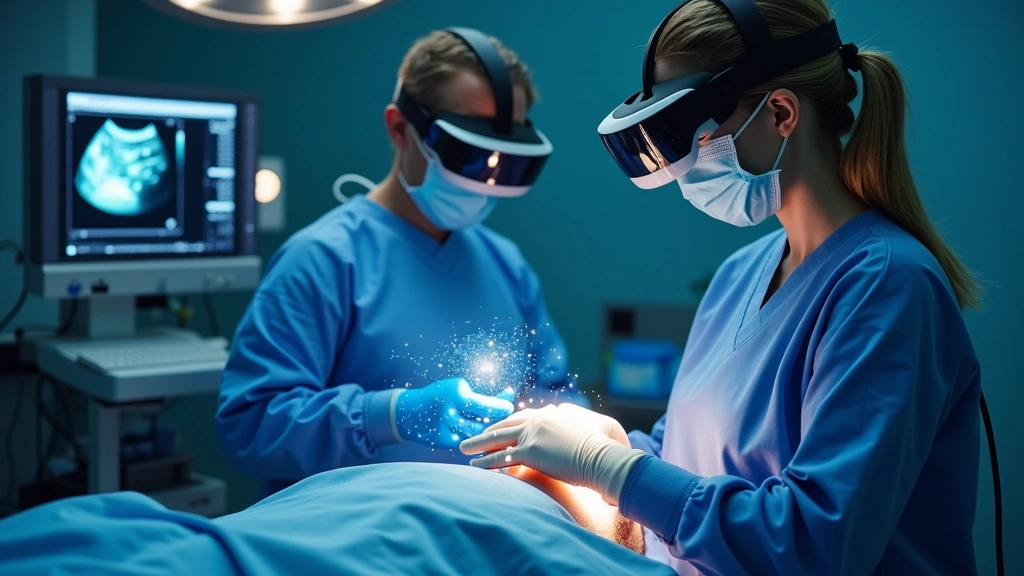
Augmented reality technology has found compelling applications in regional anesthesia through systems like the Neuros OnX platform, which overlays real-time ultrasound imaging with three-dimensional nerve anatomy guidance. This innovative approach combines the proven benefits of ultrasound-guided regional anesthesia with advanced spatial computing technology.
The OnX system utilizes advanced image registration algorithms to align ultrasound imaging with pre-operative or real-time CT/MRI data, creating a comprehensive three-dimensional map of relevant anatomy. As the clinician moves the ultrasound transducer, the augmented reality overlay updates in real-time, showing predicted nerve locations and optimal needle trajectories. This guidance system reduces the learning curve for regional anesthesia and improves success rates even among experienced practitioners.
One particularly valuable application involves complex brachial plexus blocks, where multiple nerve trunks require precise localization across multiple anatomical planes. The OnX system guides clinicians through the optimal scanning sequence and needle pathway, reducing procedure time and improving block success rates. The system’s ability to integrate preoperative imaging enables identification of anatomical variants before the procedure begins.
The augmented reality interface projects guidance information directly onto the operative field, eliminating the need to look away from the patient or ultrasound probe. This heads-up display approach maintains situational awareness while providing detailed anatomical information. The system supports voice-activated controls, allowing hands-free operation during procedures.
Battery life and wireless connectivity ensure reliable operation throughout extended procedures without cable entanglement. The device’s rugged design withstands the operating room environment, including exposure to surgical antiseptics and moisture. According to Neuros Medical technology documentation, the OnX platform achieves positioning accuracy within millimeters, enabling precise needle guidance.
Integration with ultrasound systems from major manufacturers enables seamless workflow integration without requiring specialized equipment. The platform’s educational features include procedure recording and playback functionality, supporting training and quality improvement initiatives. These advanced anesthesia technologies represent the cutting edge of perioperative innovation.
FAQ
What is the primary advantage of AI-integrated anesthesia monitoring?
AI-integrated monitoring systems analyze vast quantities of physiological data in real-time, identifying subtle patterns that might escape human observation. These systems provide predictive alerting, often identifying impending physiological derangements before critical thresholds are reached. This proactive approach enables earlier intervention and improved patient outcomes.
How does non-invasive hemodynamic monitoring compare to invasive techniques?
Non-invasive monitoring eliminates risks associated with arterial lines and central venous catheters, including infection, thrombosis, and mechanical complications. Modern non-invasive systems provide accurate hemodynamic data suitable for most routine surgical cases. However, invasive monitoring remains valuable in complex cases requiring beat-by-beat cardiac output measurements or frequent blood sampling.
Can augmented reality guidance systems reduce regional anesthesia complications?
Yes, AR-guided systems improve block success rates and reduce the incidence of vascular puncture and neural injury. By providing precise anatomical guidance and optimal needle trajectories, these systems help clinicians avoid critical structures while ensuring accurate local anesthetic deposition at target nerves.
What training is required to operate these advanced anesthesia gadgets?
Most modern anesthesia technology platforms feature intuitive interfaces requiring minimal specialized training. However, understanding the physiological principles underlying each device remains essential for appropriate clinical application. Many manufacturers provide formal training programs, and anesthesia tech roles increasingly emphasize technology proficiency.
How do these technologies integrate with existing operating room information systems?
Modern anesthesia gadgets support standardized connectivity protocols including HL7 and DICOM standards, enabling seamless integration with electronic health records and operating room information management systems. This integration eliminates manual data entry, reduces transcription errors, and creates comprehensive digital perioperative records.
Are these technologies covered by insurance and hospital budgets?
Coverage varies based on hospital size, financial resources, and clinical priorities. While advanced monitoring and imaging technology represents significant capital investment, many institutions justify these expenditures through improved patient outcomes, reduced complications, and enhanced operational efficiency. Grant funding and manufacturer partnerships sometimes facilitate technology adoption in resource-constrained settings.


