Top Applied Weapons Tech: Expert Insights into Modern Defense Systems
The landscape of applied weapons technology has undergone a seismic shift over the past decade, driven by artificial intelligence, autonomous systems, and advanced materials science. Military organizations worldwide are investing billions into next-generation defense capabilities that blur the lines between conventional warfare and cyber operations. Understanding these technologies requires a nuanced perspective that examines both their engineering sophistication and their strategic implications in modern conflict scenarios.
This comprehensive guide explores the most significant advancements in applied weapons tech, from hypersonic missiles to drone swarms and directed energy weapons. We’ll examine how these systems work, their real-world applications, and what experts predict for future military capabilities. Whether you’re a defense analyst, tech enthusiast, or someone interested in how technology and artificial intelligence are transforming our future, this deep dive provides actionable insights into one of the most rapidly evolving tech sectors.

Hypersonic Missile Systems
Hypersonic weapons represent a quantum leap in ballistic technology, traveling at speeds exceeding Mach 5 (roughly 3,800 mph). These systems challenge traditional air defense mechanisms because their velocity and maneuverability make interception extraordinarily difficult. The Russian Kinzhal, American AGM-183 ARRW, and Chinese DF-ZF are prime examples of this technology class, each demonstrating different approaches to achieving and sustaining hypersonic flight.
The engineering challenges behind hypersonic missiles are immense. At these speeds, air molecules don’t have time to flow around the vehicle—they compress and create extreme heat. Missile designers must employ advanced materials like titanium alloys, ceramic matrix composites, and specialized coatings that can withstand temperatures exceeding 2,000 degrees Celsius. The guidance systems must also function reliably under conditions that would disable conventional electronics, requiring radiation-hardened components and innovative sensor designs.
According to Defense News, global hypersonic weapons programs have accelerated significantly, with over a dozen nations now actively developing these systems. The strategic advantage lies not just in speed but in unpredictability—hypersonic glide vehicles can maneuver mid-flight, making pre-calculated interception nearly impossible. This has prompted major military powers to reconsider entire air defense architectures, investing in multi-layered systems and AI-enhanced threat prediction.
The specifications are staggering: hypersonic systems can achieve operational ranges of 1,000+ kilometers while maintaining terminal accuracy within meters. This combination of range, speed, and precision fundamentally alters strategic calculus in regional conflicts. For those interested in how advanced computing powers these systems, our guide on how to become a software developer covers the programming disciplines essential to defense tech careers.
Autonomous Combat Drones and Swarms
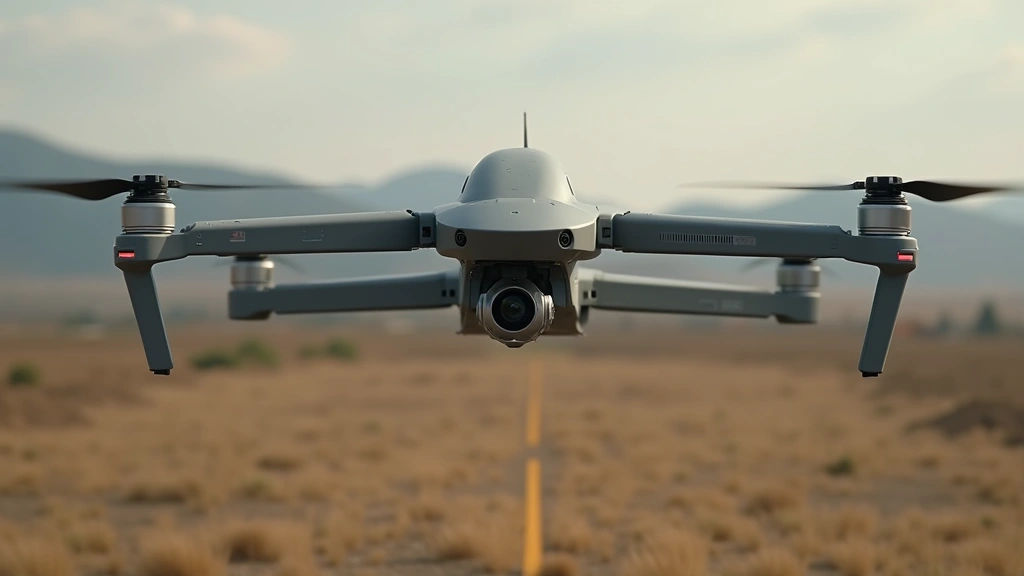
Autonomous unmanned systems have transitioned from surveillance platforms to active combat participants. Modern combat drones like the Turkish Bayraktar TB2, Israeli Harop, and American MQ-9 Reaper represent different points on the autonomy spectrum, ranging from human-controlled to semi-autonomous to fully autonomous systems. The evolution toward swarming behavior—where multiple drones coordinate without direct human command—represents perhaps the most significant tactical innovation.
Drone swarms operate through decentralized intelligence networks where each unit communicates with neighbors rather than relying on centralized command. This architecture provides remarkable resilience; eliminating individual units doesn’t collapse the entire system. Research from DARPA demonstrates swarms of 50+ micro-drones coordinating complex maneuvers, breaching defenses, and executing precision strikes. The sensor fusion capabilities allow swarms to create real-time battlefield maps and identify targets autonomously.
The technical specifications are impressive: commercial drone swarms achieve flight times of 30+ minutes, ranges exceeding 50 kilometers, and payload capacities from 5 to 50+ kilograms depending on platform. Military variants sacrifice some endurance for enhanced sensors and weapons systems. The communication protocols typically use mesh networking, allowing information to propagate through the swarm even if individual communication links are jammed or destroyed.
Ethical and legal considerations around autonomous weapons systems remain contentious. The UN and various international bodies continue debating appropriate frameworks, but development continues unabated. Military strategists argue that autonomous systems reduce civilian casualties by improving target discrimination, while critics worry about accountability when machines make lethal decisions. This intersection of technology and policy makes autonomous systems a crucial topic for anyone following applied tech developments.
IMAGE_2
Directed Energy Weapons
Directed energy weapons (DEWs) represent a fundamental shift in how military systems project force. These systems—primarily high-power lasers and microwave emitters—offer advantages that kinetic weapons cannot match: speed of light engagement, virtually unlimited magazine capacity (limited only by power supply), and minimal collateral damage potential. The U.S. Navy’s Tactical Laser System and the Army’s High Energy Laser Tactical Vehicle Demonstrator represent operational examples of this emerging capability.
High-power laser systems operate by focusing coherent light on targets to disable electronics or damage structures. A 10-kilowatt laser can disable sensors at ranges exceeding 5 kilometers; 100-kilowatt systems are entering service with potential ranges of 20+ kilometers. The technology has matured significantly, with modern systems compensating for atmospheric distortion through adaptive optics—technology borrowed from astronomical telescopes. Atmospheric conditions remain a challenge; fog, rain, and dust reduce effectiveness, but researchers continue improving all-weather performance.
Microwave-based DEWs operate differently, using high-power electromagnetic pulses to disable electronics without physical damage. These systems can affect entire areas simultaneously, making them valuable for defending against drone swarms or cruise missiles. The High Power Microwave (HPM) technology can temporarily disable unshielded electronics at distances of hundreds of meters, providing non-lethal defense options.
The power requirements for DEWs are substantial—most systems require 100+ kilowatts of continuous power, necessitating large power generation systems. This limits deployment to ships, large vehicles, and fortified positions. Portable directed energy weapons remain in development, with solid-state lasers promising weight reductions. According to Jane’s Defence Weekly, over 30 nations have active DEW programs, with several systems already operational in limited capacities.
AI-Powered Targeting Systems
Artificial intelligence has revolutionized how military systems identify, track, and engage targets. Modern targeting systems process sensor data from multiple sources—radar, infrared, optical, and acoustic—fusing information in real-time to create comprehensive situational awareness. Machine learning algorithms trained on millions of hours of imagery can identify specific vehicle types, distinguish combatants from civilians, and predict target movement with remarkable accuracy.
The computational requirements for these systems are immense. Real-time processing of multi-spectral sensor data, predictive modeling, and autonomous decision-making requires specialized hardware and optimized algorithms. Defense contractors employ similar techniques to those discussed in our article on technology and artificial intelligence transforming our future, though optimized for austere environments and reliability requirements exceeding commercial standards.
Target discrimination capabilities have improved dramatically. Modern systems can distinguish between military and civilian vehicles with accuracy rates exceeding 95%, identify specific equipment types, and even assess damage and threat levels. However, adversarial examples—carefully crafted inputs designed to fool AI systems—remain a concern. Military researchers invest heavily in adversarial training, exposing AI systems to deceptive inputs to improve robustness.
The speed advantage is decisive. AI systems make targeting decisions in milliseconds, far faster than human operators. In scenarios involving fast-moving targets like aircraft or missiles, this speed differential determines engagement success. The integration of AI across sensor networks creates what military strategists call “mosaic warfare”—where information from distributed sensors automatically routes to the weapon system best positioned to engage, without human intervention required.
Cyber Warfare Technologies
Cyber warfare represents the newest domain of military conflict, where applied tech achieves strategic effects without kinetic weapons. Advanced persistent threats (APTs) developed by nation-states can infiltrate critical infrastructure, military command systems, and weapons platforms. The sophistication of these attacks has escalated dramatically, with some operations requiring years of preparation and coordination across multiple organizations.
Offensive cyber capabilities include zero-day exploits (vulnerabilities unknown to defenders), advanced malware, and social engineering attacks. Defensive systems employ machine learning to detect anomalous behavior, behavioral analysis to identify intrusions, and automated response systems to isolate compromised networks. The technical arms race between attackers and defenders drives continuous innovation in both domains.
Supply chain attacks represent an emerging threat vector where attackers compromise software or hardware before it reaches military users. These attacks offer extraordinary stealth—defenders investigating breaches often find legitimate products contain hidden backdoors. Military organizations respond by implementing rigorous verification procedures, hardware trust anchors, and compartmentalized networks that limit damage if individual systems are compromised.
The integration of cyber capabilities with kinetic weapons creates hybrid threats. Attackers might disable air defenses through cyber attacks before launching missile strikes, or corrupt targeting systems to reduce accuracy. This convergence requires military organizations to think holistically about security, integrating cyber and physical defense strategies. The complexity rivals that of traditional military operations, requiring specialists with deep technical expertise in systems covered by our software developer guide.
Advanced Materials and Stealth
Materials science underpins many advanced weapons systems. Composite materials offer strength-to-weight ratios superior to traditional metals, enabling faster aircraft and more maneuverable missiles. Carbon-fiber reinforced polymers, ceramic matrix composites, and advanced titanium alloys dominate modern military design. These materials can withstand extreme temperatures, resist fatigue from repeated stress cycles, and reduce radar cross-sections.
Stealth technology integrates materials science, aerodynamic design, and electromagnetic principles. Radar-absorbing materials (RAM) contain conductive particles embedded in epoxy matrices that dissipate electromagnetic energy as heat rather than reflecting it back to radar receivers. Modern stealth aircraft like the F-35 employ multiple RAM formulations optimized for different frequency ranges. The geometric design of stealth platforms—faceted surfaces and internal weapons bays—further reduces detectability by minimizing radar reflections.
Infrared stealth presents different challenges. Hot jet exhausts are easily detected by infrared sensors, so designers employ exhaust mixers that blend hot exhaust with cooler bypass air, reducing thermal signature. Some systems use plasma cloaking—ionizing air around the vehicle to bend electromagnetic waves, though operational effectiveness remains limited.
Metamaterials represent the frontier of stealth technology. These engineered materials have properties not found in nature, including negative refractive indices that bend electromagnetic waves in unexpected ways. Researchers are developing metamaterials that could eventually provide broadband stealth across all detection frequencies—a capability that would fundamentally alter air defense requirements. The sophistication of these technologies connects to broader themes in applied tech innovation.
Network-Centric Warfare Platforms
Modern military operations depend on integrated networks that connect sensors, command centers, and weapons systems. Network-centric warfare (NCW) philosophy emphasizes information sharing and coordinated action over individual platform capabilities. The U.S. military’s Global Information Grid, NATO’s Federated Mission Networking, and similar systems create unprecedented situational awareness and enable rapid decision-making.
These networks process enormous data volumes. A single modern warship generates terabytes of sensor data daily from radar, sonar, optical, and electronic warfare systems. Machine learning systems filter this torrent of information, highlighting relevant threats and opportunities. The integration challenge is immense—systems from different manufacturers and nations must interoperate reliably under combat conditions where traditional IT support is unavailable.
Resilience against cyber attacks is paramount. Military networks employ compartmentalization, air-gapping critical systems, and redundant communication paths. Some systems use mesh networking where information can route through multiple paths, ensuring survivability even if individual links are destroyed. The technical requirements exceed those of commercial systems, with availability requirements exceeding 99.9% and security standards demanding comprehensive threat modeling.
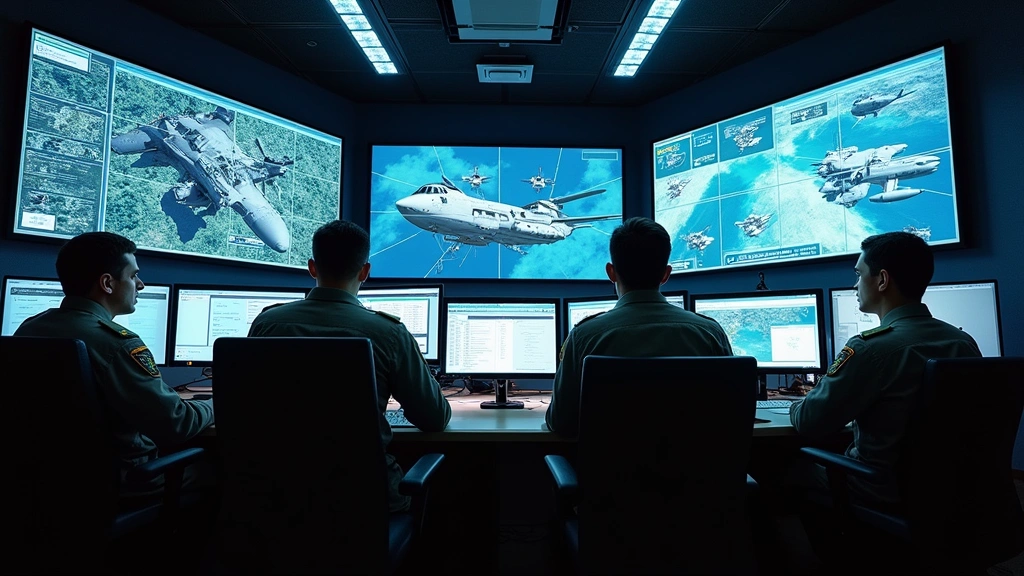
The human element remains crucial. Despite sophisticated automation, military networks require trained operators who understand system capabilities and limitations. The career paths for these specialists are discussed in our guide on best laptops for students 2025, which covers hardware platforms used in military IT training. Command and control systems must balance automation with human judgment, recognizing that complex situations often require human intuition and ethical reasoning that machines cannot replicate.
IMAGE_3
FAQ
What is applied weapons technology?
Applied weapons technology encompasses the practical implementation of scientific principles to develop military systems and weapons. This includes everything from hypersonic missiles and autonomous drones to AI targeting systems and cyber warfare capabilities. The field combines materials science, electronics, software engineering, and strategic theory to create systems that achieve military objectives effectively.
How do hypersonic weapons differ from conventional missiles?
Hypersonic weapons travel at speeds exceeding Mach 5 (3,800+ mph), making them extremely difficult to intercept. They can maneuver during flight, increasing unpredictability. The extreme speeds and temperatures require exotic materials and specialized guidance systems that conventional missiles don’t need. This combination of speed, maneuverability, and precision fundamentally alters air defense requirements.
Are autonomous weapons systems legal under international law?
International law on autonomous weapons remains evolving. The UN has discussed appropriate frameworks, but no binding treaties currently prohibit autonomous systems. Individual nations have different policies—some embrace autonomy for tactical advantages, while others restrict it. The legal status will likely clarify as more nations adopt autonomous systems and international bodies develop formal agreements.
What makes directed energy weapons effective against drones?
Directed energy weapons offer speed-of-light engagement, making them ideal against fast-moving targets like drones. A single laser can engage multiple targets rapidly, addressing the swarm problem where traditional missiles are too slow and expensive. The virtually unlimited “magazine” of directed energy weapons provides cost advantages against expendable drones, making the economic calculus favorable for defense.
How do military AI systems differ from commercial AI?
Military AI systems prioritize reliability, security, and performance under extreme conditions. They must function with limited computational resources, survive electromagnetic interference, and make decisions in milliseconds. Commercial systems optimize for accuracy and cost, while military systems accept slightly lower accuracy to gain robustness. Military systems also employ adversarial training to resist deceptive inputs that might fool commercial AI.
What role does cloud computing play in military systems?
Cloud computing provides scalable processing power for analyzing massive sensor data streams. Military organizations increasingly leverage cloud technologies for training AI models, simulating scenarios, and managing network infrastructure. Our article on cloud computing benefits for businesses covers foundational concepts applicable to military applications, though military clouds employ additional security and reliability measures.
The landscape of applied weapons technology continues evolving at an accelerating pace. Hypersonic missiles, autonomous systems, directed energy weapons, and AI-powered targeting represent just the leading edge of military innovation. As these technologies mature, they will reshape strategic thinking and force structures across military organizations worldwide. Understanding these developments requires technical sophistication combined with strategic awareness—the intersection of engineering excellence and geopolitical reality. For those interested in careers in this field, explore our comprehensive resources on tech pulse hunter blog for additional insights into cutting-edge technology sectors.


