Arkansas vs Texas Tech: Ticket Prices Compared
Sports ticketing has become increasingly complex in the digital age, with dynamic pricing algorithms, secondary markets, and venue-specific factors dramatically influencing what fans pay to attend live events. When comparing tickets for Arkansas vs Texas Tech matchups, potential attendees face a multifaceted landscape of pricing variables that extend far beyond simple face value. Whether you’re a die-hard Razorbacks supporter or a Red Raiders fan, understanding the intricate dynamics of ticket pricing can help you secure the best deals and plan your game day experience strategically.
The battle between Arkansas and Texas Tech represents more than just athletic competition—it reflects broader trends in sports entertainment economics, venue management, and fan engagement strategies. Both universities leverage cutting-edge ticketing technology to optimize revenue while maintaining fan accessibility. This comprehensive guide explores the ticket pricing ecosystem for these rival programs, examining factors that influence costs, comparing various purchasing channels, and providing actionable insights for savvy sports fans looking to maximize their entertainment value.
Understanding Dynamic Pricing in College Sports
Dynamic pricing represents a paradigm shift in how universities approach ticket sales, fundamentally transforming the traditional fixed-price model that dominated sports for decades. This sophisticated approach utilizes real-time data analytics, historical attendance patterns, opponent strength, weather conditions, and promotional calendars to adjust prices continuously. When Arkansas faces Texas Tech, the pricing structure reflects sophisticated algorithms that consider variables both programs use to optimize revenue generation.
The implementation of dynamic pricing technology mirrors strategies employed by airlines and hospitality industries, where demand fluctuations directly influence cost structures. For college football matchups like Arkansas vs Texas Tech score tracking, early-season games typically command lower prices than conference championship implications or rivalry contests. Universities invest substantial resources in ticketing infrastructure that analyzes competitor pricing, social media sentiment, and historical conversion rates to maximize both attendance and revenue simultaneously.
Understanding these pricing mechanics empowers fans to identify optimal purchase windows. Research from The Verge’s technology analysis demonstrates how data-driven systems have revolutionized entertainment economics. The sophistication of modern ticketing platforms means prices can fluctuate multiple times daily, sometimes varying by hundreds of dollars between morning and evening listings.
Arkansas Razorbacks Ticket Overview
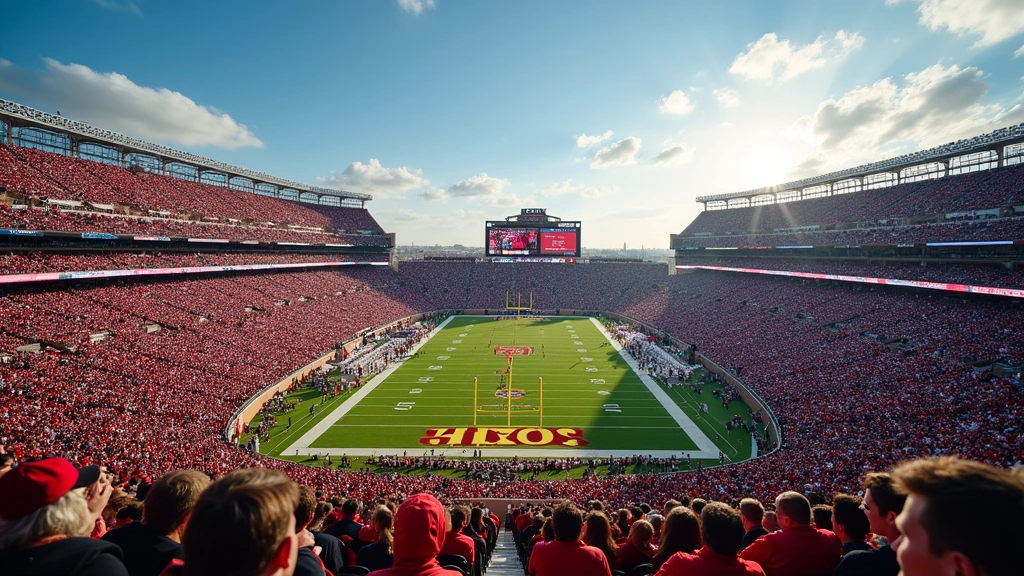
Razorback football commands passionate fan support across Arkansas and surrounding regions, translating directly into ticket demand that influences pricing strategies at Donald W. Reynolds Razorback Stadium. This 76,751-capacity venue represents one of the Southeastern Conference’s premier facilities, and ticket availability significantly impacts pricing structures. Face value for Arkansas football tickets typically ranges from $49 to $199 for regular season matchups, with premium seating and club level access commanding substantially higher prices.
The Arkansas athletic department implements tiered pricing based on opponent strength and game timing. Matchups against traditional powerhouses or division rivals generate heightened demand, pushing secondary market prices substantially above face value. When examining specific Arkansas vs Texas Tech contests, historical data reveals pricing patterns influenced by:
- Conference standings and playoff implications
- Kickoff time (prime time games typically cost more)
- Weather forecasts and seasonal factors
- Marketing campaigns and promotional periods
- Availability of premium hospitality packages
Arkansas utilizes Ticketmaster’s enterprise solutions for primary market distribution, creating a direct channel for face-value purchases. However, significant price disparities emerge when comparing official channels to secondary marketplaces, where demand-driven fluctuations can inflate costs by 200-400% for marquee matchups.
Texas Tech Red Raiders Ticket Analysis
Texas Tech football occupies a distinctive position within college athletics, representing one of the Big 12 Conference’s compelling programs with a dedicated fan base that supports competitive teams. Jones AT&T Stadium accommodates 55,733 spectators, creating a more intimate venue compared to some conference peers. The smaller capacity generates higher demand intensity when supply becomes constrained, directly influencing ticket pricing dynamics.
Texas Tech ticket prices for regular season games typically range from $39 to $169 for face value purchases, with notable variations based on opponent caliber. The Red Raiders’ pricing strategy emphasizes accessibility while optimizing revenue through sophisticated segmentation. When exploring our comprehensive blog coverage, you’ll discover detailed analyses of conference-wide ticketing trends affecting Big 12 programs.
The Red Raiders implement aggressive early-purchase discounting for non-conference matchups, creating opportunities for budget-conscious fans. However, conference games—particularly against traditional rivals—command premium pricing due to intensified demand. Texas Tech’s athletic marketing emphasizes digital engagement, utilizing email campaigns and mobile app notifications to drive early sales before dynamic pricing adjusts upward.
Venue Capacity and Demand Factors
Venue capacity fundamentally shapes ticket pricing economics, with smaller stadiums experiencing more pronounced price volatility. The 21,000-seat capacity difference between Arkansas and Texas Tech venues creates distinct market dynamics. Reynolds Stadium’s larger capacity allows for more flexible pricing strategies, accommodating broader fan bases with varied budget constraints. Conversely, Jones AT&T Stadium’s more intimate size creates scarcity dynamics that amplify pricing pressure.
When demand exceeds available inventory—a common occurrence for rivalry games or matchups with significant playoff implications—secondary market prices escalate dramatically. Historical data from CNET’s consumer technology analysis demonstrates how ticketing algorithms respond to real-time inventory levels. The psychological impact of “limited availability” messaging drives urgency, influencing purchase decisions across both primary and secondary channels.
Game timing significantly influences demand patterns. Prime-time television slots generate substantially higher ticket costs compared to early afternoon kickoffs. When Arkansas hosts Texas Tech in evening games, secondary market prices frequently exceed face value by 150-300%, reflecting heightened fan interest and broader television audience appeal.
Secondary Market Trends
The secondary ticket market—encompassing platforms like StubHub, SeatGeek, and Vivid Seats—has fundamentally transformed how fans purchase sports event access. These marketplaces enable price discovery through competitive bidding, creating transparent pricing that reflects genuine demand levels. For Arkansas vs Texas Tech matchups, secondary market prices typically diverge significantly from official channel pricing, sometimes offering superior value despite reputation for elevated costs.
Secondary market dynamics reveal fascinating pricing patterns. Early-season games often appreciate in value as game day approaches and inventory depletes, while games with uncertain playoff implications may depreciate as kickoff nears. Smart fans monitor price trends across multiple platforms, identifying arbitrage opportunities where specific seats trade below typical market rates.
The fee structure varies considerably across secondary platforms, with total costs including service charges, facility fees, and payment processing surcharges that can add 20-30% to advertised prices. Understanding these hidden costs proves essential for accurate price comparisons. When evaluating career opportunities in sports management and ticketing technology, professionals recognize secondary markets’ critical role in sports entertainment economics.
Season Ticket Holder Benefits
Season ticket holders enjoy substantial advantages in college football ticketing, receiving priority access to high-demand matchups and locked-in pricing that shields them from dynamic pricing volatility. Arkansas and Texas Tech both offer tiered season ticket packages, with premium levels including parking passes, exclusive hospitality areas, and priority seating for conference tournaments.
The financial calculus of season ticket ownership versus individual game purchases depends on personal attendance frequency and risk tolerance regarding pricing fluctuations. Loyal fans attending 5+ games annually typically benefit from season ticket ownership, while casual attendees may optimize costs through strategic individual purchases. Both universities implement early renewal periods offering modest discounts for returning season ticket holders, creating incentives for multi-year commitments.
Season ticket packages range from approximately $499 to $2,499 annually at Arkansas, depending on seat location and amenities. Texas Tech’s offerings span comparable price ranges, with additional flexibility through partial-season packages accommodating budget-conscious supporters. The loyalty rewards programs both universities implement provide cumulative benefits that enhance season ticket value beyond raw ticket cost savings.
Digital Ticketing Technology
Modern ticketing platforms integrate sophisticated digital technologies that streamline purchasing, enhance fan experience, and enable innovative revenue optimization strategies. Both Arkansas and Texas Tech leverage mobile ticketing applications, digital wallet integration, and real-time inventory management systems that facilitate seamless transactions across multiple devices.
The adoption of blockchain-based ticketing and NFT integration represents emerging frontier in sports entertainment technology. These innovations address authentication concerns, enable secondary market transparency, and create digital collectibles that enhance fan engagement. When researching technology infrastructure improvements, sports organizations recognize ticketing systems as critical digital assets requiring continuous modernization.
Mobile ticketing eliminates physical ticket printing, reducing environmental impact while accelerating entry processes on game day. Fans utilizing digital tickets access real-time pricing information, instant transfers to other attendees, and integrated stadium information including parking, concessions, and facility amenities. The data generated through these digital interactions provides universities with unprecedented insights into fan behavior, enabling increasingly sophisticated targeting and personalization strategies.
Budget-Friendly Purchasing Strategies
Savvy sports fans employ multiple strategies to minimize ticket costs while maintaining attendance at competitive college football matchups. Early purchase timing proves particularly effective for non-conference games, where universities discount inventory aggressively to establish strong attendance figures before conference play begins. Purchasing 4-6 weeks before kickoff typically yields the lowest available prices on primary market channels.
Monitoring SeatGeek’s price tracking tools enables fans to identify optimal purchase windows across multiple platforms simultaneously. These tools aggregate pricing data from primary and secondary markets, highlighting seats offering superior value relative to comparable locations. Setting price alerts for specific games triggers notifications when prices drop below predetermined thresholds, eliminating the need for constant manual monitoring.
Strategic seat selection significantly influences final costs. Corner and upper-level seats typically command 30-50% discounts compared to premium sideline locations, while maintaining excellent sightlines and game experience. Flexibility regarding seat location—prioritizing attendance over specific vantage points—enables substantial savings across both primary and secondary markets.
Promotional codes distributed through email subscriptions, social media campaigns, and athletic department newsletters frequently offer 10-20% face-value discounts on primary market purchases. Subscribing to both Arkansas and Texas Tech athletic department communications ensures access to these limited-time offers. Additionally, students and military personnel typically receive dedicated discount tiers, reducing effective ticket costs by 15-25% with appropriate credential verification.
Group purchasing often unlocks substantial savings, with universities offering discounts for parties of 10+ attendees. Coordinating attendance with friends, family, or social organizations enables negotiation of group rates that substantially reduce per-person costs. This strategy proves particularly effective for non-conference games where inventory remains abundant and athletic departments actively incentivize group sales.
Conference-Specific Pricing Considerations
The Southeastern Conference and Big 12 Conference create distinct ticketing ecosystems reflecting their respective competitive landscapes and fan engagement strategies. SEC games typically command premium pricing due to traditional competitive intensity and national television prominence, while Big 12 matchups offer slightly more accessible pricing despite comparable athletic quality.
When analyzing technology resources for students managing budgets, college athletes and student fans recognize ticketing costs as significant entertainment expenses. Both conferences implement initiatives designed to enhance student accessibility, including discounted student ticket programs and digital distribution through campus networks.
Conference tournament implications dramatically influence regular season game pricing. Late-season matchups with playoff ramifications command substantially higher prices than early-season contests. When Arkansas and Texas Tech meet during critical conference windows, secondary market pricing frequently exceeds 200% of face value, reflecting the heightened stakes and intensified fan interest.
Weather and Seasonal Factors
Environmental conditions and seasonal timing significantly influence ticket demand and pricing dynamics. Early-season games (August-September) typically feature lower attendance and more accessible pricing, as fans balance competing summer activities and travel plans. October and November games command premium pricing as weather stabilizes and conference standings crystallize.
Weather forecasts influence pricing in nuanced ways. Predictions of inclement conditions reduce demand slightly, creating opportunities for value-conscious fans willing to endure challenging weather. Conversely, forecasts of ideal weather conditions drive demand upward, as fans prioritize outdoor entertainment experiences. This weather-driven volatility creates additional complexity in timing optimization strategies.
Thanksgiving week games represent unique pricing anomalies, as holiday travel and family commitments reduce local fan availability while creating unique entertainment timing for students and family units seeking alternative activities. These games often feature discounted pricing compared to comparable conference matchups, despite potentially significant competitive implications.
Comparing Total Attendance Costs
Calculating total game attendance costs requires accounting for numerous expenses beyond ticket prices. Parking typically ranges from $10-$30 per vehicle at both venues, while concessions (food, beverages, merchandise) average $40-$80 per person. Travel costs for out-of-town fans—including fuel, lodging, or commercial transportation—substantially inflate total expenditures.
When evaluating emerging technologies transforming entertainment experiences, comprehensive cost analysis proves essential for budgeting entertainment spending. Stadium Wi-Fi access, mobile app features, and digital concessions ordering increasingly represent standard amenities rather than premium add-ons, yet contribute to overall attendance costs.
A realistic budget for attending an Arkansas or Texas Tech home game—including ticket, parking, concessions, and travel—ranges from $120-$250 per person for local fans and $250-$500 for out-of-town attendees. These calculations emphasize the importance of strategic ticket purchasing in optimizing overall entertainment value.
Future Ticketing Trends
The sports ticketing landscape continues evolving rapidly, with emerging technologies and changing consumer preferences reshaping pricing strategies and distribution channels. Artificial intelligence increasingly drives dynamic pricing algorithms, enabling more sophisticated demand forecasting and revenue optimization. Virtual reality and augmented reality technologies may eventually offer remote attendance alternatives, fundamentally disrupting traditional ticketing economics.
Cryptocurrency and blockchain integration promises enhanced transparency in secondary markets, potentially reducing fraud while enabling innovative monetization strategies through digital collectibles. Universities actively experiment with NFT integration, creating digital representations of attendance experiences that provide supplementary revenue streams beyond traditional ticket sales.
The post-pandemic sports entertainment environment has accelerated digital transformation, with fans increasingly comfortable purchasing through mobile platforms and appreciating contactless entry processes. These technological shifts will likely accelerate in coming years, further optimizing the fan experience while enabling increasingly sophisticated pricing strategies.


