
The Best Tech Books at Athens Store? Expert Picks
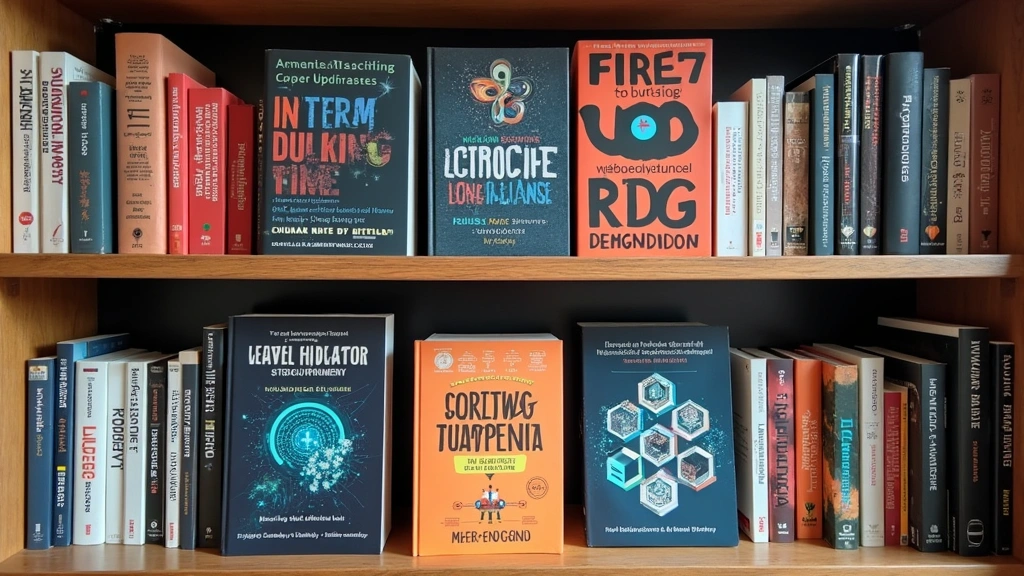
Finding the right technology books can be challenging, especially when you’re navigating a local Athens tech bookstore with countless titles vying for your attention. Whether you’re a seasoned developer, an aspiring tech enthusiast, or someone looking to understand the digital landscape better, the selection of tech literature available in Athens stores offers something for everyone. This comprehensive guide explores the best tech books you’ll find at Athens bookstores, featuring expert recommendations across multiple categories and skill levels.
The Athens tech bookstore scene has evolved significantly, offering curated collections that cater to professionals, students, and curious learners alike. From foundational programming guides to cutting-edge artificial intelligence texts, these establishments serve as knowledge hubs for the tech-savvy community. Our expert analysis covers everything you need to know about selecting the perfect tech book, understanding what makes certain titles essential reading, and discovering hidden gems that deserve a spot on your shelf.

Programming Fundamentals and Languages
The foundation of any tech education begins with understanding programming languages and core concepts. Athens tech bookstores typically stock comprehensive collections of programming books that serve as invaluable references for both beginners and intermediate developers. “Python Crash Course” by Eric Matthes remains one of the most popular titles, offering hands-on projects that make learning engaging and practical. This book is particularly valuable for those starting their coding journey, as it combines theory with real-world applications that you can implement immediately.
For those interested in system-level programming, “The C Programming Language” by Brian W. Kernighan and Dennis M. Ritchie remains the definitive reference. Often called “The C Bible,” this classic text provides profound insights into the language that powers much of modern computing infrastructure. The book’s clarity and precision make it essential for anyone serious about understanding how software interacts with hardware.
JavaScript developers will find “Eloquent JavaScript” by Marijn Haverbeke invaluable for mastering this ubiquitous language. The book progresses from basic concepts to advanced patterns, with interactive examples that help solidify understanding. For those exploring student-friendly resources, this title offers excellent value and depth.
“Clean Code” by Robert C. Martin transcends specific languages to teach writing maintainable, professional-grade code. This book should be on every programmer’s shelf, regardless of their primary language, as it addresses the mindset and practices that separate junior developers from seasoned professionals.
Advanced Software Development
Once you’ve mastered the basics, Athens tech bookstores offer sophisticated texts for advancing your development expertise. “Design Patterns” by Gang of Four (Gamma, Helm, Johnson, Vlissides) is considered the bible of software architecture. While dense, this book provides the vocabulary and frameworks that experienced developers use when discussing complex system design. Understanding these patterns is crucial for writing scalable, maintainable applications.
“Refactoring” by Martin Fowler teaches the art of improving existing code without changing its external behavior. This practical guide includes detailed examples and techniques that you can apply immediately to your projects. It’s particularly valuable for developers working on legacy systems or large codebases.
For those interested in performance optimization, “Designing Data-Intensive Applications” by Martin Kleppmann offers deep insights into distributed systems, databases, and system design. This comprehensive reference explores how to build systems that handle massive scale while maintaining reliability and consistency. The book includes extensive diagrams and real-world examples from major tech companies.
“The Pragmatic Programmer” by David Thomas and Andrew Hunt provides timeless advice about software development practices, tools, and mindsets. This book helps developers think beyond individual coding tasks to consider broader career and project management strategies that lead to professional success.
Web Development and Modern Frameworks
The web development section of Athens tech bookstores reflects the rapid evolution of this field. “You Don’t Know JS” series by Kyle Simpson provides exceptional depth on JavaScript’s quirks, async patterns, and scope mechanisms. These books are essential for developers who want to truly understand the language rather than just use it.
“React Up and Running” by Stoyan Stefanov offers practical guidance for building modern user interfaces. The book balances theory with hands-on examples, making it suitable for developers transitioning from traditional approaches to component-based architecture. Understanding React’s principles helps with adopting similar patterns in other frameworks.
For backend developers, “Node.js Design Patterns” by Mario Casciaro and Luciano Mammino explores how to build scalable server applications using JavaScript. This book covers essential patterns for asynchronous programming, streaming, and designing robust APIs that can handle production-level traffic.
“CSS Secrets” by Lea Verou transforms how developers approach styling. Rather than treating CSS as a necessary evil, this book reveals elegant solutions to common design challenges. The insights help create more maintainable stylesheets and improve overall user experience through thoughtful design implementation.
Artificial Intelligence and Machine Learning
The AI and machine learning section has expanded dramatically, reflecting the technology’s growing importance. “Hands-On Machine Learning” by Aurélien Géron provides practical introduction to ML concepts with Python code examples. This book is particularly valuable because it balances mathematical understanding with practical implementation, allowing readers to build working models while grasping underlying principles.
For those interested in artificial intelligence applications, “Artificial Intelligence: A Guide for Thinking Humans” by Melanie Mitchell offers accessible explanations of AI concepts without requiring deep mathematical background. This book helps non-technical stakeholders understand AI capabilities and limitations, making it valuable for business leaders and decision-makers.
“Deep Learning” by Ian Goodfellow, Yoshua Bengio, and Aaron Courville serves as the comprehensive reference for deep learning practitioners. While mathematically rigorous, this book provides the theoretical foundation necessary for advanced ML work. It’s particularly valuable for researchers and developers working on cutting-edge AI applications.
“Grokking Deep Learning” by Andrew W. Trask takes a different approach, building neural networks from scratch using only basic Python. This hands-on methodology helps readers understand how deep learning actually works at a fundamental level, making it excellent for those who prefer learning through implementation.
Smart Home Technology and IoT
As smart home technology continues advancing, Athens tech bookstores increasingly stock books covering home automation and IoT devices. “Smart Homes For Dummies” by Damien Stolarz provides practical guidance for setting up connected home systems. The book covers device selection, integration challenges, and security considerations that homeowners should understand before implementing smart technology.
“The Internet of Things” by Samuel Greengard explores IoT’s broader implications across industries, from healthcare to manufacturing. This book helps readers understand how connected devices are transforming various sectors and what opportunities and challenges lie ahead. It’s valuable for professionals looking to apply IoT concepts in their industries.
“Arduino Project Handbook” by Mark Geddes offers hands-on projects for building connected devices. The book includes detailed schematics, code examples, and explanations that make it accessible to hobbyists while providing depth for experienced makers. Projects range from simple sensors to complex home automation systems.
Cybersecurity and Privacy
In an increasingly connected world, cybersecurity knowledge is essential for all tech professionals. “Cryptography Engineering” by Niels Ferguson, Bruce Schneier, and Tadayoshi Kohno provides practical guidance on implementing secure systems. Rather than focusing on mathematical theory alone, this book emphasizes real-world security practices and common pitfalls to avoid.
For those needing system security fundamentals, “The Web Application Hacker’s Handbook” by Stuttard and Pinto explores common vulnerabilities and exploitation techniques. Understanding how attackers think is crucial for building secure applications. This book helps developers recognize and prevent common security flaws.
“Practical Network Penetration Testing” by Abhinav Singh guides readers through legitimate security testing methodologies. The book covers tools, techniques, and reporting practices used by professional security researchers. It’s valuable for those pursuing careers in cybersecurity or wanting to improve their organization’s security posture.
“The Privacy Paradox” by Nir Eyal explores how technology companies balance user privacy with business models. This book is essential for product managers, developers, and entrepreneurs who need to understand privacy implications of their decisions.
Tech Leadership and Career Development
Beyond technical skills, Athens tech bookstores offer resources for career advancement and leadership. “The Manager’s Path” by Camille Fournier provides exceptional guidance for developers transitioning into management roles. The book addresses common challenges like delegation, performance management, and team building with practical advice grounded in real experience.
For tech industry insights, “Zero to One” by Peter Thiel explores startup thinking and innovation strategy. While not exclusively technical, this book is invaluable for understanding how technology companies create competitive advantages and drive industry transformation.
“Radical Candor” by Kim Scott teaches communication strategies for high-performing teams. The book emphasizes caring personally while challenging directly, a philosophy that leads to stronger team dynamics and better outcomes. It’s particularly valuable for technical leaders managing talented engineers.
“The Mythical Man-Month” by Frederick P. Brooks Jr. remains relevant decades after publication. This classic explores why software projects fail and how to organize teams effectively. The insights about communication overhead and complexity apply to modern development as much as they did in the 1970s.
Emerging Technologies and Innovation
Athens tech bookstores feature growing sections on emerging technologies reshaping industries. “The Innovators” by Walter Isaacson traces technology history from the computer’s invention through modern times. This engaging narrative helps readers understand how today’s technologies emerged and what might come next.
“Blockchain Basics” by Daniel Drescher demystifies blockchain technology beyond cryptocurrency hype. The book explains distributed ledgers, consensus mechanisms, and practical applications across various industries. It’s valuable for anyone wanting to understand blockchain’s potential and limitations.
“Quantum Computing: An Applied Approach” by Jack Hidary introduces quantum computing concepts without requiring advanced physics background. As quantum computing moves from theoretical to practical applications, understanding its potential and limitations becomes increasingly important for tech professionals.
“The Lean Product Playbook” by Dan Olsen teaches methodologies for building successful products in uncertain environments. The book combines lean startup principles with product management frameworks, making it valuable for anyone involved in technology product development.
Finding and Selecting Books at Athens Tech Bookstores
When visiting Athens tech bookstores, several strategies help identify the best books for your needs. First, consider your current skill level and learning objectives. Beginners benefit from books emphasizing hands-on projects and practical examples, while experienced developers may prefer comprehensive references or advanced specialized topics. Second, examine publication dates carefully. Technology evolves rapidly, so books on frameworks or tools should be recent. Third, read reviews from other developers on platforms like Amazon and Goodreads to understand whether books match your learning style. Many Athens bookstores offer preview pages online, allowing you to assess writing quality before purchasing.
Staff recommendations at local Athens tech bookstores are invaluable. Knowledgeable staff members understand which books resonate with different learner types and can suggest titles matching your specific goals. Don’t hesitate to ask for guidance, especially when exploring unfamiliar technology areas.
Consider building a balanced library combining breadth and depth. Include foundational texts that provide context and understanding alongside specialized books addressing specific technologies. This approach ensures you develop both comprehensive knowledge and deep expertise in particular areas.
FAQ
What are the most essential tech books for beginners?
“Python Crash Course,” “Eloquent JavaScript,” and “Clean Code” provide excellent foundations. These books balance theory with practical examples, making them ideal for developers starting their careers. They teach not just syntax but professional practices and problem-solving approaches.
Which books should experienced developers read?
“Design Patterns,” “Designing Data-Intensive Applications,” and “Refactoring” help experienced developers deepen their expertise. “The Manager’s Path” and “Radical Candor” are valuable for those considering leadership roles. These books address complex challenges that emerge as you advance in your career.
Are physical books or digital versions better for tech books?
Physical books offer advantages for complex subjects requiring frequent reference and detailed diagrams. Many developers prefer physical books for foundational texts and digital versions for quick lookups. Consider your learning style when deciding between formats.
How often should I update my tech book collection?
Update foundational books every 5-10 years, as core concepts remain relevant. For books on specific frameworks or tools, prioritize recent editions since these technologies evolve rapidly. Emerging technology books should be recent to reflect current state of the field.
Can I find all recommended books at Athens tech bookstores?
Major titles are typically available at larger Athens bookstores or through special order. Smaller independent bookstores may stock curated selections. Check store websites or call ahead for availability of specific titles, especially specialized or newer publications.
What’s the best way to read technical books?
Technical books require active engagement rather than passive reading. Work through code examples, complete exercises, and apply concepts to your projects. Take notes on key insights and revisit sections as needed. Many developers find reading technical books most effective when working on related projects simultaneously.


