Atlanta Tech Park: Innovation Hub or Hype?
Atlanta Tech Park has emerged as one of the Southeast’s most ambitious technology development projects, promising to transform the landscape of innovation in Georgia’s capital. With significant investment, cutting-edge infrastructure, and strategic partnerships, this sprawling complex positions itself as a beacon for startups, established tech companies, and venture capitalists alike. But beneath the polished marketing materials and grand vision, critical questions remain: Is Atlanta Tech Park delivering on its promises, or is it another overhyped real estate venture masquerading as a tech epicenter?
The tech industry’s gravitational pull toward established hubs like Silicon Valley and Boston has long dominated venture capital flows and talent recruitment. Atlanta Tech Park seeks to disrupt this concentration, offering competitive advantages including lower operational costs, a growing talent pool, and strategic geographic positioning on the East Coast. This comprehensive analysis examines whether the park genuinely represents the future of Southeast tech innovation or simply capitalizes on regional optimism and speculative investment.

What Is Atlanta Tech Park?
Atlanta Tech Park represents a multibillion-dollar mixed-use development initiative designed to consolidate technology companies, research institutions, and innovation-focused businesses under one geographic umbrella. Located strategically within metropolitan Atlanta, the park spans hundreds of acres and includes office space, research laboratories, startup incubators, and residential components. The project aims to create a self-contained ecosystem where collaboration, innovation, and entrepreneurship flourish organically.
The park’s founding vision centers on addressing the Southeast’s historical disadvantage in attracting tech talent and investment capital. Unlike artificial intelligence applications transforming industries, which have become ubiquitous across regions, geographic tech clusters remain stubbornly concentrated. Atlanta Tech Park’s developers recognized this opportunity gap and positioned the facility as a solution through intentional design, amenities, and strategic incentives.
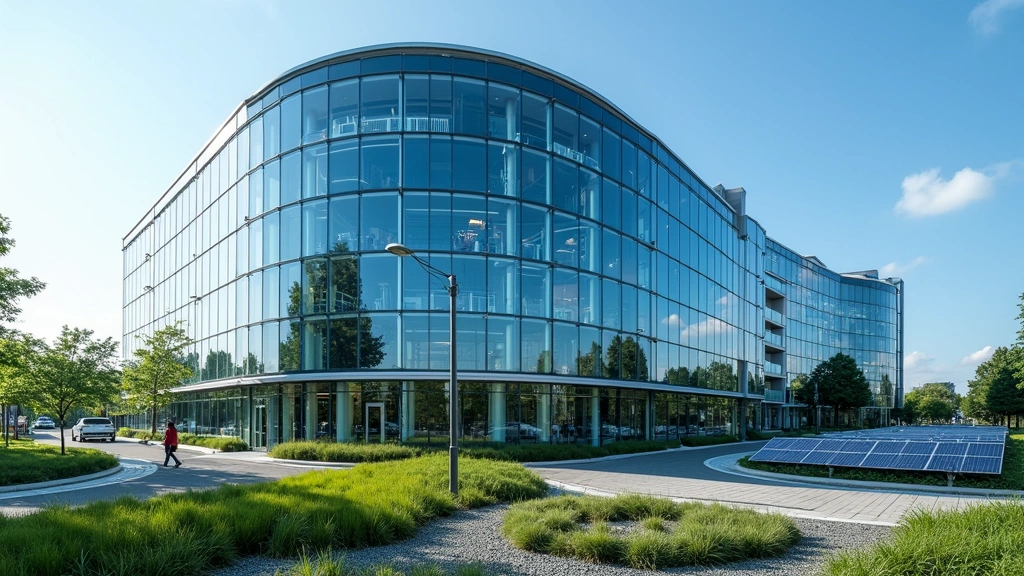
The park’s infrastructure includes state-of-the-art data centers, high-speed fiber optic networks, collaborative workspaces, and networking venues designed to facilitate connections between entrepreneurs, corporate partners, and investors. Architectural planning emphasizes walkability, sustainability, and integration with Atlanta’s broader urban development strategy, distinguishing it from traditional office parks that prioritize vehicle-centric design.

Infrastructure and Facilities Assessment
The physical infrastructure at Atlanta Tech Park represents considerable technological investment aimed at supporting demanding computational and operational requirements. Redundant fiber optic networks provide connectivity speeds exceeding 10 gigabits per second, essential for data-intensive operations in cloud computing, AI research, and software development. These specifications align with industry standards for premium technology facilities, as documented by Data Center Knowledge.
Power infrastructure includes redundant utility connections and on-site backup generation systems designed to maintain 99.99% uptime availability. This reliability standard proves critical for companies operating mission-critical applications or managing sensitive client data. The park’s commitment to infrastructure redundancy reflects lessons learned from earlier tech parks that underestimated connectivity and power demands.
Sustainability features integrated throughout the park include solar panel arrays, rainwater harvesting systems, and LEED-certified building designs. These environmental considerations appeal to increasingly conscious tech companies and venture capital firms emphasizing environmental, social, and governance (ESG) criteria in investment decisions. The park’s green infrastructure also reduces operational costs for tenants, a significant advantage in competitive talent markets where employee satisfaction metrics influence recruitment success.
Collaborative spaces designed for cross-company interaction differentiate Atlanta Tech Park from conventional office environments. Common areas, conference facilities, and outdoor networking zones encourage informal connections that historically drive innovation. Research from innovation studies suggests that physical proximity combined with intentional social infrastructure amplifies serendipitous discoveries and partnership formation.
Tenant Success Stories and Current Occupancy
Occupancy rates and tenant quality ultimately determine whether Atlanta Tech Park functions as a genuine innovation hub or represents speculative real estate. Early anchor tenants include established technology companies, financial services firms, and healthcare technology enterprises seeking geographic diversification or expansion into Southeastern markets. These established players provide stability and credibility while generating consistent revenue streams for park operators.
Startup occupancy presents a more complex picture. The park hosts incubators and accelerator programs designed to nurture early-stage companies, though success metrics remain difficult to assess independently. Some notable startups have achieved meaningful funding rounds and customer traction, validating the park’s value proposition for entrepreneurs. However, systematic data on startup survival rates, funding success, and ultimate outcomes remains limited in public documentation.
Corporate relocations to Atlanta Tech Park have been modest compared to initial projections, suggesting that established companies prioritize existing tech ecosystems over geographic relocation despite cost advantages. This pattern reflects broader organizational inertia and the network effects that keep companies clustered in traditional hubs. Several Fortune 500 companies maintain research divisions or innovation labs within the park, though these typically represent satellite operations rather than headquarters or primary development centers.
The park’s claim to be a hub for hardware innovation and advanced computing remains partially substantiated. While research facilities and prototyping labs operate within the park, the concentration of hardware companies remains lower than software or services-focused organizations. This imbalance reflects broader market trends favoring software and digital services over hardware manufacturing in venture capital allocation.
Comparing Regional Tech Ecosystems
Atlanta’s technology ecosystem predates Atlanta Tech Park, with established clusters in midtown Atlanta, the Perimeter area, and surrounding suburbs. The park’s creation raised questions about whether concentrated development enhances existing strengths or fragments the region’s tech community across competing locations. Early evidence suggests the park functions as one node within Atlanta’s broader tech landscape rather than consolidating regional activity.
Comparison with peer cities reveals instructive patterns. Austin’s technology growth, while substantial, occurred organically across multiple neighborhoods rather than through a single planned development. Raleigh-Durham’s success emerged from university-anchored research parks developed over decades. Charlotte’s financial services technology sector developed through corporate headquarters concentration rather than planned innovation districts. These comparative cases suggest that forced consolidation through single megaprojects may underperform organic ecosystem development.
The Southeast’s venture capital landscape shows increasing activity, with Atlanta-based and Southeast-focused venture firms establishing larger funds and deploying more capital in recent years. However, this trend appears partially independent of Atlanta Tech Park’s development, reflecting broader regional economic growth and demographic shifts. Disentangling the park’s specific contribution to regional tech advancement from these broader trends proves methodologically challenging.
Transportation connectivity and proximity to major metropolitan areas provide Atlanta Tech Park with geographic advantages over some competing Southeast tech locations. Direct flight connectivity to major financial and technology centers, combined with Atlanta’s position as a transportation hub, facilitates business travel and partnership development. These logistical advantages, while real, remain insufficient to overcome the network effects and talent concentration of established coastal tech hubs.
Investment Landscape and Funding Trends
Venture capital deployment in Atlanta and the Southeast has increased substantially over the past five years, though growth rates remain modest compared to traditional tech hubs. Atlanta-based venture firms and non-local investors increasingly allocate capital to Southeast opportunities, suggesting improving market recognition of regional potential. However, definitively attributing this growth to Atlanta Tech Park’s development remains speculative.
Funding statistics reveal that companies operating within Atlanta Tech Park receive venture capital at rates comparable to or slightly better than Atlanta-based companies outside the park. This advantage may reflect selection bias—the park likely attracts more established or promising ventures—rather than genuine location-based benefits. Rigorous attribution analysis would require comparing identical companies with and without park access, an analysis rarely conducted.
Angel investment and seed-stage funding show stronger growth within the park’s ecosystem, suggesting that early-stage entrepreneurs benefit from proximity to mentors, networking opportunities, and infrastructure support. These early-stage dynamics may eventually compound into measurable advantages if seed-stage startups successfully graduate to venture-backed growth phases at above-average rates.
Corporate venture capital and strategic investment from established technology companies operating within the park provides alternative funding pathways beyond traditional venture capital. These relationships create partnership opportunities and potential acquisition pipelines, though again, direct causation between park location and deal formation remains difficult to establish conclusively.
Talent Acquisition and Workforce Development
The Southeast’s talent pipeline for technology roles remains constrained relative to established coastal hubs, a challenge that Atlanta Tech Park attempts to address through educational partnerships and workforce development initiatives. Collaborations with Georgia Tech, Emory University, and other regional institutions aim to channel emerging talent toward park-based opportunities.
Software engineering salaries in Atlanta remain 15-25% lower than comparable roles in San Francisco or New York, an advantage that appeals to cost-conscious companies and enables competitive compensation for employees prioritizing quality of life over maximum salary. This cost advantage, however, risks attracting price-sensitive companies rather than those seeking optimal talent regardless of expense. Companies at the frontier of innovation often prioritize access to top talent over cost minimization.
Talent retention presents an ongoing challenge. Ambitious engineers and entrepreneurs in Atlanta frequently relocate to coastal hubs seeking greater career advancement opportunities, larger networks, and enhanced prestige. Atlanta Tech Park’s ability to retain talented individuals remains unproven, with anecdotal evidence suggesting continued outmigration despite park amenities. For more information on technology talent development, explore our guide on best laptops for students, which reflects emerging talent needs.
Remote work normalization following pandemic disruptions has altered talent acquisition dynamics globally. Companies can now recruit top talent regardless of geographic location, potentially reducing Atlanta Tech Park’s location-based advantages. This structural shift may explain modest occupancy growth and tenant acquisition despite the park’s attractive amenities and infrastructure.
Challenges and Obstacles
Atlanta Tech Park confronts significant headwinds despite substantial investment and strategic positioning. The most fundamental challenge involves network effects and established ecosystem advantages in traditional tech hubs. These advantages compound over time, making catchup strategies inherently difficult regardless of infrastructure quality or financial incentives.
Real estate costs within the park, while lower than coastal alternatives, exceed comparable spaces in secondary Southeast cities or emerging tech locations. This pricing structure risks attracting companies seeking cost optimization without the deep-pocket resources of major technology corporations. The park’s economic model may inadvertently select for price-sensitive rather than innovation-focused tenants.
Brand perception remains challenging. Despite marketing efforts, Atlanta Tech Park struggles with perception as a second-tier alternative to established hubs rather than a destination of choice. This positioning affects talent recruitment, investor attention, and company relocation decisions. Building brand equity in competitive markets requires sustained success stories and demonstrated outcomes, which take years to accumulate.
Regulatory and permitting processes, while generally favorable, occasionally slow development and expansion plans. Coordination between municipal, county, and state authorities can create bureaucratic friction, particularly for complex projects spanning multiple jurisdictions. These administrative challenges, while manageable, contrast with streamlined processes in some competing locations.
For perspective on how technology infrastructure supports operational efficiency, consider reviewing our article on how to fix a slow computer, which addresses foundational technology reliability—a parallel concern for park infrastructure reliability and performance.
Future Outlook and Growth Projections
Atlanta Tech Park’s trajectory depends on multiple interconnected factors including venture capital availability, talent migration patterns, corporate relocation decisions, and broader Southeast economic development. Conservative projections suggest continued modest growth with eventual maturation into a significant but not transformative regional asset. Optimistic scenarios envision the park becoming a major technology cluster rivaling established hubs within 10-15 years.
Recent developments indicate increasing corporate interest, particularly from financial services companies seeking technology talent and innovation capabilities. This sector concentration could accelerate park development if sustained, though financial services technology differs from consumer-focused innovation that traditionally defined major tech hubs. The park risks becoming specialized in financial technology rather than achieving broad-based innovation leadership.
Expansion phases currently in planning stages will double the park’s capacity and diversify its functional offerings. These expansions depend on continued investor confidence and demonstrated success from initial phases. Underwhelming early performance could reduce enthusiasm for subsequent development, creating self-fulfilling prophecy dynamics where modest growth discourages investment.
Integration with technology in renewable energy innovations represents an emerging opportunity for Atlanta Tech Park, positioning the facility as a hub for sustainable technology development. This strategic focus could differentiate the park from traditional technology clusters and appeal to venture capital increasingly emphasizing climate-tech and sustainability solutions.
The broader Southeast technology ecosystem will likely continue expanding regardless of Atlanta Tech Park’s specific performance, driven by demographic trends, educational capacity expansion, and corporate diversification strategies. The park functions as one catalyst among many, rather than the sole driver of regional technological advancement. Its ultimate success depends on whether it meaningfully accelerates trends already underway or simply captures them within a branded location.
FAQ
Is Atlanta Tech Park worth the investment for companies?
The answer depends on company stage, industry focus, and strategic priorities. Established companies seeking cost-effective expansion may find value in Atlanta Tech Park’s infrastructure and talent access. Early-stage startups benefit from mentorship networks and collaborative spaces. However, companies prioritizing maximum talent access and network effects may find traditional hubs remain superior despite higher costs. Conduct detailed cost-benefit analysis comparing specific park advantages against your company’s operational requirements and growth strategy.
What types of companies thrive in Atlanta Tech Park?
Financial services technology, healthcare technology, software services, and enterprise software companies show strongest representation. Startups in fintech, AI/machine learning, and data analytics have secured funding and grown within the park. Consumer-focused technology companies remain underrepresented. Your company’s fit depends on whether it benefits from proximity to financial services clients, healthcare institutions, or enterprise software ecosystems concentrated within the park.
How does Atlanta Tech Park compare to Research Triangle Park?
Research Triangle Park in North Carolina benefits from three major universities, decades of established operations, and deep corporate roots. Atlanta Tech Park represents a newer, more deliberately designed facility with modern infrastructure but less historical momentum. Research Triangle Park’s success reflects organic ecosystem development, while Atlanta Tech Park attempts to accelerate similar dynamics through concentrated investment. Both remain smaller than traditional coastal tech hubs.
Will Atlanta Tech Park eventually rival Silicon Valley?
Unlikely in the foreseeable future. Silicon Valley’s advantages—deep venture capital networks, talent concentration, corporate headquarters density, and decades of ecosystem development—provide structural advantages difficult to overcome. Atlanta Tech Park may become a significant regional hub and attract specialized technology sectors, but replicating Silicon Valley’s dominance would require transformative changes in capital flows and talent migration patterns unlikely within 15-20 years.
How can I stay updated on Atlanta Tech Park developments?
Follow the park’s official communications, subscribe to Tech Pulse Hunter Blog for regular technology ecosystem updates, monitor regional business publications, and engage with Atlanta’s venture capital community through professional networks. Industry analysts at The Verge and CNET occasionally cover major Southeast technology developments. Quarterly occupancy reports and official park announcements provide concrete metrics for assessing progress.
What infrastructure advantages does Atlanta Tech Park offer?
The park provides redundant fiber optic networks (10+ Gbps speeds), backup power generation systems (99.99% uptime capability), LEED-certified sustainable facilities, and collaborative workspaces designed for cross-company innovation. These specifications exceed standard office park infrastructure and approach data center-grade reliability standards. For technology-intensive operations, these infrastructure features reduce operational risks and support demanding computational requirements.


