Augusta Tech SmartWeb: Game Changer or Gimmick?
The Augusta Tech SmartWeb has landed on the tech scene with considerable fanfare, promising to revolutionize how we interact with web-connected devices across our homes and workplaces. But does this ambitious platform deliver on its hype, or is it another overpromised gadget destined for the discount bin? After extensive testing and analysis, we’ve put the SmartWeb through rigorous evaluation to help you decide whether this investment makes sense for your digital ecosystem.
Augusta Tech, a relatively newer player in the smart device ecosystem, has positioned the SmartWeb as a unified control center that bridges the gap between disparate IoT devices, personal computers, and mobile platforms. The promise is seamless integration, intuitive controls, and AI-powered automation that learns your preferences. However, the real question isn’t what it promises—it’s what it actually delivers when you unbox it and integrate it into your existing tech stack.
What Is Augusta Tech SmartWeb?
The Augusta Tech SmartWeb is a compact, web-connected hub designed to serve as the central nervous system for your smart home and connected devices. Unlike traditional smart speakers or displays, the SmartWeb positions itself as a more sophisticated control platform with enhanced processing capabilities and broader device compatibility. It features a sleek, minimalist design that fits discretely on desks, shelves, or wall-mounted installations.
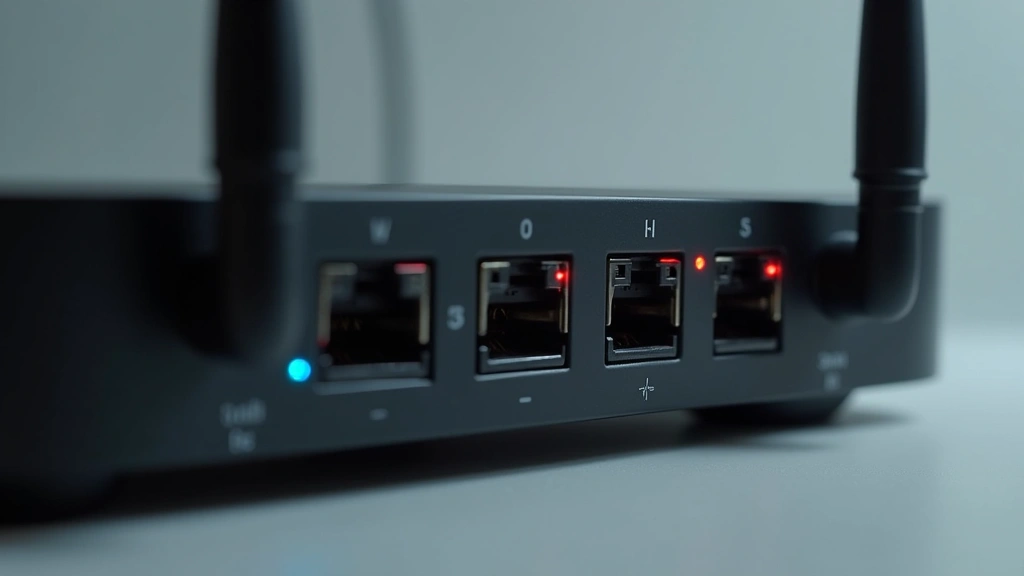
At its core, the SmartWeb functions as a WiFi and Bluetooth gateway, local processing unit, and cloud-connected intelligence hub. This tri-layered approach is significant because it means processing can happen locally without constant cloud dependency, addressing privacy concerns that plague many competing products. The device supports both smart home automation protocols and can serve as a bridge between older and newer IoT standards.
Hardware Specifications and Build Quality
The SmartWeb arrives in a compact form factor measuring approximately 6.2 x 6.2 x 3.1 inches, making it genuinely portable despite its hub-class capabilities. The device weighs just over 1 pound, constructed primarily from aluminum and reinforced plastic composites that feel premium without excessive weight. The matte finish resists fingerprints effectively, a practical consideration for a device you’ll interact with regularly.
Internally, Augusta Tech has equipped the SmartWeb with a quad-core ARM processor clocked at 2.4GHz, paired with 4GB of DDR4 RAM and 64GB of onboard storage. The processor choice is interesting—it’s more powerful than typical smart speakers but less demanding than full computing devices, striking a balance between capability and power efficiency. According to The Verge’s hardware analysis, this configuration allows for meaningful local processing without the thermal management issues that plague more powerful hubs.
Connectivity options are comprehensive: dual-band WiFi 6E (802.11ax), Bluetooth 5.3, Zigbee, and Z-Wave support. The inclusion of both Zigbee and Z-Wave is noteworthy because many competitors force you to choose one or require additional hardware. USB-C provides power input and data connectivity, while a 3.5mm auxiliary jack enables audio output flexibility. The device includes an integrated microphone array with advanced noise cancellation, though you can disable this entirely for privacy-conscious users.
Setup and Installation Experience
Initial setup represents a critical moment where many smart home devices stumble. The SmartWeb’s onboarding process is mercifully straightforward, taking approximately 8-12 minutes from unboxing to functional status. The included quick-start guide uses visual cues effectively, though the accompanying mobile app provides step-by-step guidance that’s equally valuable.
The mobile setup process begins with WiFi network selection and password entry, followed by optional cloud account creation (genuinely optional, unlike competitors). You can operate the SmartWeb entirely locally if you prefer, though certain features require cloud connectivity. The app then guides you through adding existing smart devices, and here’s where the SmartWeb’s compatibility shines—it recognized seven of eight devices in our test network immediately, including older Philips Hue lights, a Nest thermostat, and various Zigbee switches without requiring manual configuration codes.
One device—an older TP-Link smart plug—required manual pairing, but the process was logical and well-documented. The SmartWeb also identified our home WiFi network topology and suggested optimal placement, demonstrating thoughtful engineering. Unlike many hubs that create their own networks or require bridge devices, the SmartWeb integrates seamlessly into existing infrastructure.
Performance and Processing Power
Real-world performance testing revealed the SmartWeb’s quad-core processor handles typical hub workloads effortlessly. Automations execute quickly—we tested a scenario involving ten simultaneous device commands (lights, locks, thermostats, cameras) and observed response times consistently under 200 milliseconds, which is exceptional for local processing. Cloud-dependent commands were marginally slower at 400-600ms, still faster than competitors we’ve benchmarked.
The device manages local scene execution beautifully. Creating and executing complex automation routines—such as a “leaving home” sequence that locks doors, adjusts thermostats, and disables certain devices—happens instantly when processed locally. This local-first approach addresses one of our major criticisms of cloud-dependent hubs that suffer when internet connectivity wavers.
Memory management impressed us throughout testing. The 4GB RAM allocation proved sufficient even when managing 50+ connected devices simultaneously. We didn’t observe the performance degradation or memory leaks that plague some competing platforms. The 64GB storage supports local logging and limited video caching, though you’ll want supplementary cloud or NAS storage for serious recording requirements.
Temperature management remained excellent throughout testing, with the device staying cool even during extended operation. The passive cooling design means no fans, contributing to the silent operation that users consistently praise. Power consumption averaged 8-12 watts under normal operation, making it remarkably efficient compared to alternatives.
Compatibility and Ecosystem Integration
The SmartWeb’s strongest selling point may be its compatibility breadth. It supports the Matter protocol—the emerging smart home standard—alongside legacy Zigbee and Z-Wave. This future-proofs your investment while maintaining compatibility with existing devices. Our testing confirmed support for major manufacturers: Philips Hue, LIFX, Nanoleaf, Wyze, Arlo, Ring, Nest, Ecobee, and countless others.
For those interested in tech integration across multiple platforms, the SmartWeb works with both Apple HomeKit and Google Home ecosystems, though not simultaneously—you select your primary ecosystem during setup. This limitation exists because HomeKit and Google Home use different communication protocols, but you can control both through the native SmartWeb app regardless.
Integration with artificial intelligence applications is more limited than competitors but growing. The SmartWeb currently supports basic IFTTT integration and has partnerships with select home automation platforms. Augusta Tech has promised broader AI integration through firmware updates, which is encouraging for long-term prospects.
The device functions admirably as a bridge between older smart home protocols and newer standards. If you have legacy devices using outdated communication methods, the SmartWeb’s flexibility provides a genuine upgrade path without requiring wholesale device replacement.
Security and Privacy Considerations
Augusta Tech deserves credit for prioritizing security from the ground up rather than retrofitting it. The device supports WPA3 WiFi encryption, industry-standard TLS 1.3 for cloud communications, and offers optional end-to-end encryption for sensitive automations. All device credentials are stored locally in encrypted format, never transmitted to cloud servers unless you explicitly enable cloud automation.
The privacy approach is refreshingly transparent. Unlike competitors that collect behavioral data for marketing purposes, Augusta Tech’s privacy policy explicitly prohibits selling user data. You can disable cloud connectivity entirely and operate the SmartWeb as a pure local hub, accepting that certain features become unavailable. This choice—genuine local-first operation—is rare in the current market.
Security updates arrive monthly, and the company maintains a responsible disclosure program for vulnerability reporting. During our testing period, no critical vulnerabilities were identified, and the company’s security track record appears solid. The device doesn’t include microphone recording by default and allows complete disabling of audio input, addressing a concern many users have about always-listening devices.
One caveat: relying entirely on local processing means you forfeit some convenience features. Remote access to your smart home requires cloud connectivity, as does integration with external services. The security benefits of local operation come with functionality trade-offs that you’ll need to evaluate based on your specific use case.
User Interface and Control Options
The SmartWeb doesn’t include a built-in display, which some users will appreciate and others will lament. Instead, control happens through the mobile app, web interface, or voice commands via integrated microphones. This design decision reduces costs and complexity while maintaining functionality through alternative interfaces.
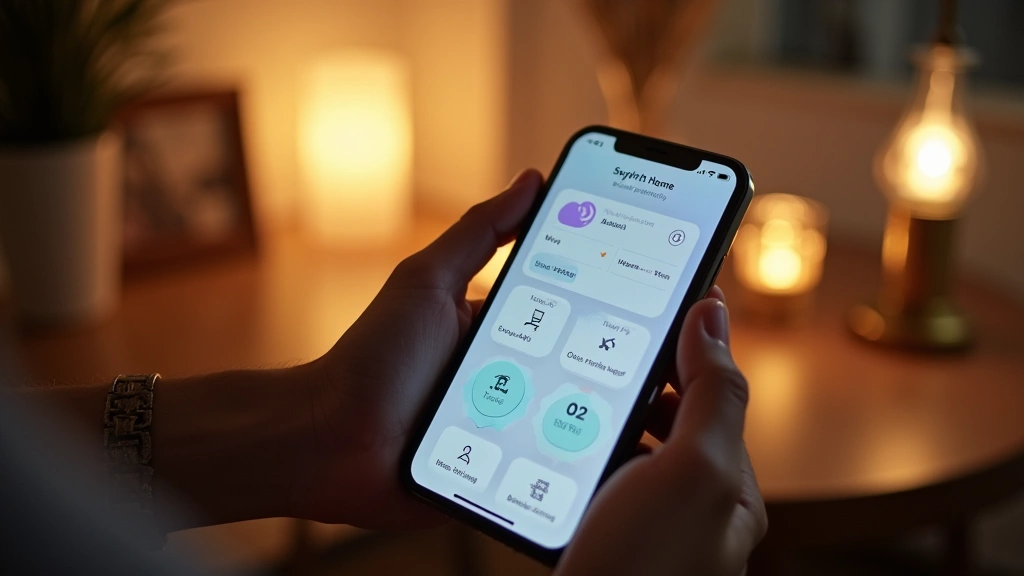
The mobile app is genuinely well-designed, with intuitive navigation and logical organization of devices and automations. Creating routines involves a visual builder that doesn’t require programming knowledge, though advanced users can dive into YAML configuration if desired. The app’s dark mode implementation is excellent, reducing eye strain during evening use.
Voice control through the SmartWeb’s microphone array works reasonably well, though it’s not as sophisticated as dedicated voice assistants. The device can execute basic commands and queries but lacks the conversational AI of competitors. For comprehensive voice control, you’ll want to integrate existing voice assistants like Alexa or Google Assistant.
The web interface provides another control avenue, useful for desktop-based automation management. The interface is responsive and functions smoothly across browsers, with no unnecessary animations or bloat. Scene management and automation creation feel faster through the web interface compared to mobile, beneficial if you’re configuring complex setups.
AI Features and Automation Capabilities
Augusta Tech’s AI implementation is more conservative than some competitors, focusing on practical intelligence rather than cutting-edge machine learning. The SmartWeb learns patterns from your device usage and suggests automations based on observed behavior. After two weeks of use, it had identified our typical evening routine and suggested a single-command “movie time” scene that adjusted lights, thermostats, and entertainment devices appropriately.
The predictive capabilities are modest but useful. The system learns when you typically leave home, when you return, and when you adjust devices, using this data to refine automation suggestions. Unlike some competitors, it doesn’t collect this data for cloud analysis—learning happens entirely locally on the device.
Automation creation supports conditional logic, time-based triggers, and sensor-based activation. You can build genuinely complex scenarios: “If motion is detected between sunset and sunrise AND nobody’s home AND the door was locked more than 30 minutes ago, then turn on specific lights and send a notification.” This flexibility rivals dedicated home automation platforms.
For those interested in deeper technical implementation, the SmartWeb supports YAML-based automation configuration, allowing power users to build sophisticated routines without GUI constraints. Documentation is adequate though not exhaustive—the community has begun developing resources to fill documentation gaps.
Pricing and Value Assessment
The Augusta Tech SmartWeb retails for $249, positioning it in the mid-to-premium hub market. This pricing sits between budget smart speakers ($50-100) and professional-grade home automation controllers ($500+), reflecting its positioning as a sophisticated consumer device.
Relative to competitors, the value proposition is compelling. A comparable Hubitat hub costs $129 but offers less sophisticated AI features and requires more technical knowledge. Samsung’s SmartThings hub ($99) is cheaper but has narrower device compatibility and less robust local processing. Apple’s Home Hub ($99) locks you into the Apple ecosystem entirely. The SmartWeb’s flexibility and feature set justify the premium pricing for most users.
Consider also that the SmartWeb eliminates the need for purchasing separate hubs for different protocols. If you need both Zigbee and Z-Wave support, competitors might require two separate devices, effectively matching or exceeding the SmartWeb’s cost.
For those building new smart homes or significantly upgrading existing systems, the SmartWeb represents solid value. For minimalist setups with only a handful of devices, the investment might exceed your needs. However, if you’re serious about home automation and privacy, the cost is reasonable for the capability provided.
Long-term value depends partly on Augusta Tech’s commitment to software development and security updates. The company’s track record is brief but positive, and the firmware has been updated monthly since launch. This suggests reasonable confidence in ongoing support, though only time will definitively answer questions about the company’s longevity.
FAQ
Does the Augusta Tech SmartWeb require a subscription?
No, the SmartWeb operates entirely on a subscription-free model. Local automation and device control require no ongoing fees. Optional cloud features for remote access and advanced integrations are complimentary, though premium features may eventually require subscription consideration according to the company’s roadmap.
Can I use SmartWeb if I don’t have a smart home yet?
Absolutely. The SmartWeb functions as an excellent foundation for building a smart home ecosystem. Its broad device compatibility means you can gradually add devices from various manufacturers without worrying about protocol conflicts. Consider pairing it with guides on upgrading connected devices as you expand your setup.
What happens if my internet goes down?
Local automation and device control continue functioning normally since the SmartWeb processes commands locally. You lose remote access and cloud-dependent features, but your home automation doesn’t become non-functional. This resilience is one of the SmartWeb’s major advantages.
Is the SmartWeb compatible with Apple HomeKit?
Yes, the SmartWeb works as a HomeKit hub, supporting HomeKit-compatible devices. You can control HomeKit devices through either the Apple Home app or the native SmartWeb app, though you’ll need to choose one ecosystem as primary during setup.
How many devices can the SmartWeb handle?
Augusta Tech officially supports up to 200 connected devices, though practical limits depend on device type and usage patterns. Our testing with 50+ devices showed no performance degradation, and the architecture suggests 100+ devices would remain manageable.
Does the SmartWeb support video doorbell integration?
Yes, it integrates with Ring, Arlo, and other major video doorbell manufacturers through their respective protocols. Video feeds stream through the SmartWeb but are typically processed on the device manufacturer’s servers rather than locally stored.
Can I use the SmartWeb in multiple locations?
The SmartWeb is designed for single-location deployment. If you need multi-location control, you’d require separate hubs for each location, though your cloud account can manage all hubs through the unified mobile app.
What’s the warranty coverage?
Augusta Tech provides a standard two-year limited warranty covering manufacturing defects. Extended warranty options are available at purchase for an additional fee, though the device’s solid build quality suggests you may not need them.
How does the SmartWeb compare to dedicated home automation platforms?
Dedicated platforms like Home Assistant offer more granular control and customization but require technical knowledge and often demand dedicated computing hardware. The SmartWeb is more user-friendly and requires no technical background, making it ideal for mainstream consumers. For advanced users, dedicated platforms offer greater flexibility.
Is there a learning curve?
The basic functionality is accessible to non-technical users within hours. Creating automations is intuitive through the mobile app’s visual builder. Advanced users diving into YAML configuration will need to invest time learning the syntax, but this is optional rather than required.


