Auto Body Tech Jobs: Career Insights & Trends
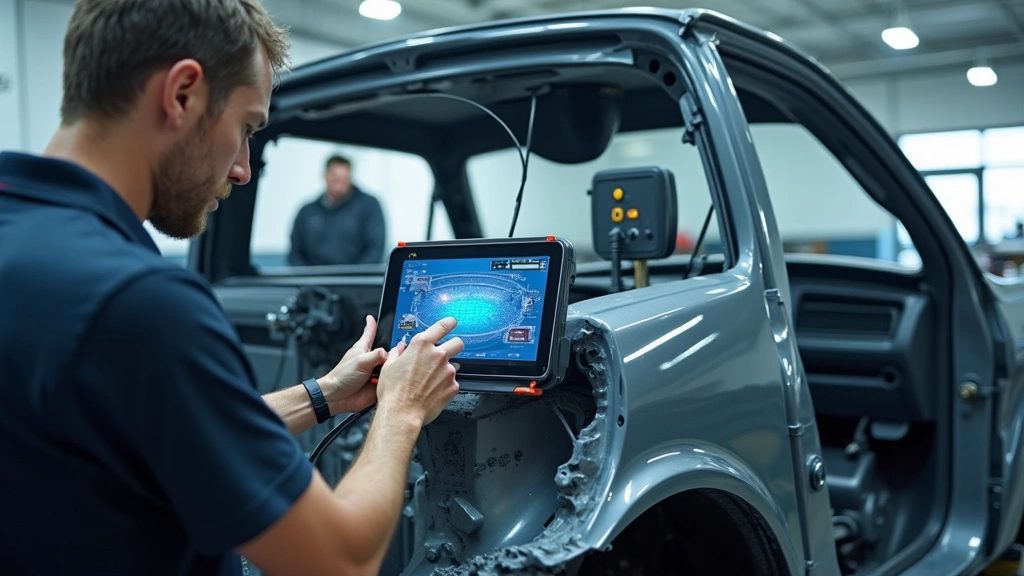
The automotive repair industry is experiencing a significant transformation driven by advanced diagnostic technologies, electric vehicle proliferation, and sophisticated paint systems. Auto body tech jobs have evolved from traditional dent-and-paint roles into highly technical positions requiring specialized knowledge of computer-aided design systems, laser measurement tools, and AI-powered damage assessment software. Modern collision centers now demand technicians who understand both mechanical repair principles and digital workflow management, creating unprecedented career opportunities for skilled professionals willing to embrace technological advancement.
As vehicle technology becomes increasingly complex, with integrated sensors, advanced driver-assistance systems (ADAS), and aluminum body construction becoming standard, the demand for certified auto body technicians continues to surge. Industry data shows that collision repair shops are struggling to fill positions, with many offering premium wages and comprehensive training programs to attract qualified candidates. This comprehensive guide explores current employment trends, required certifications, salary expectations, and the technological skills that define successful careers in auto body repair today.
Current Market Demand and Job Outlook
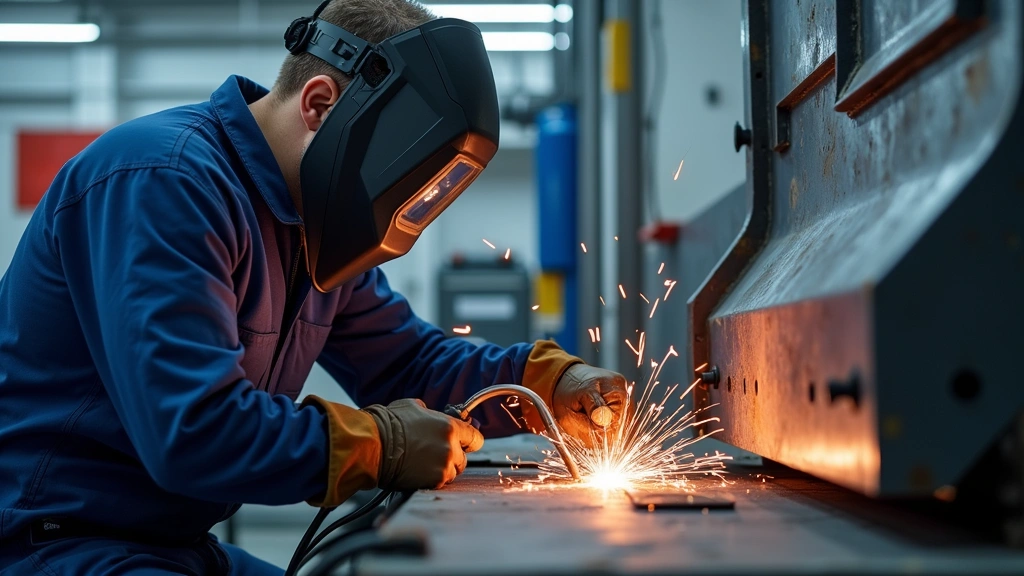
The Bureau of Labor Statistics projects steady growth in collision repair technician positions through 2032, with demand outpacing supply in most metropolitan areas. This shortage stems from an aging workforce, increased vehicle repair complexity, and the industry’s struggle to attract younger workers. Technology news outlets frequently highlight how automation and digital systems are reshaping automotive careers, making technical literacy increasingly valuable.
Major insurance companies and collision repair networks are actively recruiting, offering sign-on bonuses ranging from $2,000 to $10,000 for experienced technicians. Regional variations exist, with metropolitan areas like Los Angeles, New York, and Chicago offering higher compensation due to increased vehicle volume and cost-of-living adjustments. Rural markets often provide better work-life balance but lower overall earnings potential.
The rise of electric vehicle repairs presents both challenges and opportunities. Technicians must understand high-voltage systems, battery construction, and regenerative braking components that differ fundamentally from traditional internal combustion engines. Shops investing in EV-specific training programs report higher technician retention and customer satisfaction rates.
Essential Skills and Technical Certifications
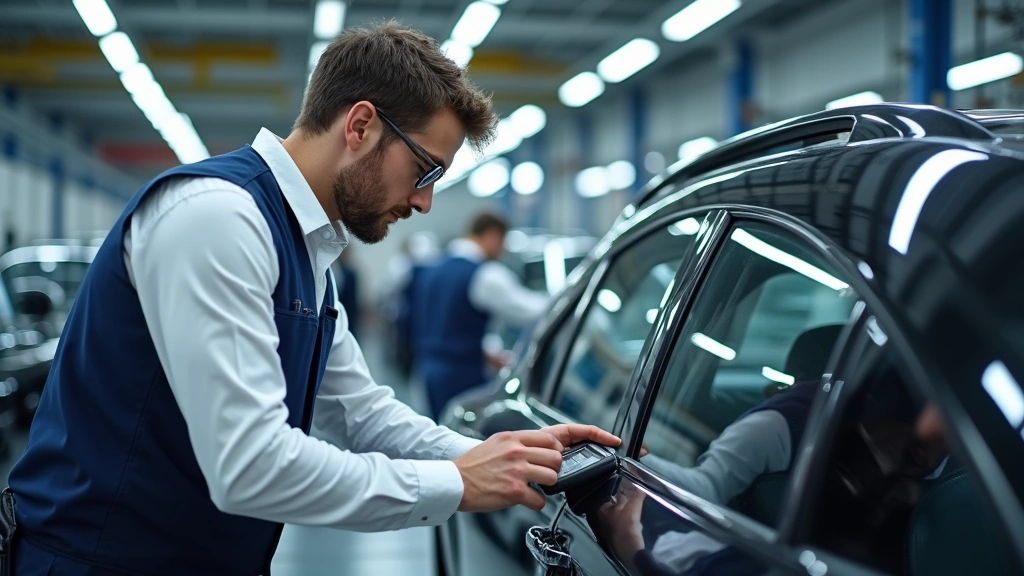
Modern auto body technicians require a multifaceted skill set combining traditional craftsmanship with cutting-edge technological proficiency. The most sought-after certifications include the National Institute for Automotive Service Excellence (ASE) Collision Repair and Refinish certification, which validates comprehensive knowledge across multiple repair disciplines.
Key technical competencies include:
- ADAS Calibration: Advanced driver-assistance systems require precise calibration after collision repairs. Technicians must operate specialized equipment costing $50,000-$200,000, making this expertise highly valued and commanding premium wages.
- Laser Measurement Systems: 3D measuring technology identifies structural damage invisible to the human eye. Proficiency with systems like CNET reviews advanced diagnostic equipment demonstrates professional competency.
- Paint Matching Technology: Spectrophotometers and digital color-matching systems ensure perfect refinish results. Modern shops use AI-assisted systems that analyze paint composition and environmental factors automatically.
- Aluminum and Composite Repair: Lightweight materials require different welding techniques and structural repair approaches than traditional steel. Certification programs specifically address these specialized skills.
- CAD Software Proficiency: Collision estimating software like Xactimate, CCC, and Mitchell require intermediate computer skills and industry-specific knowledge.
Understanding how technology transforms industries helps technicians adapt to emerging diagnostic platforms and workflow management systems that increasingly incorporate machine learning for damage prediction and repair optimization.
Salary and Compensation Trends
Entry-level auto body technicians earn approximately $28,000-$35,000 annually, while experienced professionals command $45,000-$65,000 or higher depending on location, certifications, and specialization. Top-tier technicians in luxury vehicle collision centers can earn $70,000-$85,000 with comprehensive benefits packages.
Compensation structures vary significantly across shop types:
- Independent Collision Centers: Often offer hourly wages ($18-$32/hour) with performance bonuses based on quality metrics and customer satisfaction scores.
- Dealership Service Departments: Typically provide stable salaries ($40,000-$55,000) with comprehensive health insurance, retirement plans, and manufacturer-specific training opportunities.
- Insurance-Affiliated Networks: Major insurers operate proprietary repair networks offering competitive wages ($35,000-$50,000) with standardized procedures and consistent workflow.
- Specialty Restoration Shops: High-end classic and luxury vehicle specialists pay premium wages ($55,000-$90,000) for technicians with advanced certification and specialized expertise.
Overtime availability significantly impacts total earnings, with shops typically requiring 45-55 hour work weeks during peak seasons. Many technicians supplement income through side projects, detailing services, or consulting for insurance claims.
Technology Integration in Modern Shops
Contemporary collision centers operate as technology-intensive environments where traditional repair skills merge with digital diagnostic systems. The Verge frequently covers automotive technology innovations that directly impact repair procedures and technician requirements.
Key technological systems reshaping the industry include:
- Artificial Intelligence Damage Assessment: Computer vision systems analyze photos of damaged vehicles, automatically identifying repair requirements and estimating labor hours. This technology reduces estimate variance and accelerates claims processing.
- Cloud-Based Workflow Management: Integrated platforms coordinate scheduling, parts ordering, technician assignments, and customer communication. Understanding cloud computing benefits helps technicians appreciate how digital systems improve operational efficiency.
- Augmented Reality Assembly Guides: AR applications overlay repair instructions directly onto vehicle components, reducing errors and accelerating complex procedures. Technicians using AR systems report 20-30% faster completion times.
- Predictive Maintenance Analytics: IoT sensors in shop equipment predict maintenance requirements before failures occur, minimizing downtime and extending equipment lifespan.
- Electric Vehicle Charging Integration: Shops now require expertise in vehicle charging systems, battery diagnostics, and high-voltage safety protocols.
The integration of these systems creates demand for technicians comfortable with continuous learning and technological adaptation. Shops prioritize hiring candidates demonstrating digital literacy and willingness to pursue advanced certifications.
Career Advancement Pathways
Auto body technicians enjoy multiple advancement opportunities within the collision repair industry. Entry-level positions typically involve basic cosmetic repairs, panel replacement, and paint preparation under supervision. With 2-3 years experience and appropriate certifications, technicians progress to specialized roles requiring independent judgment and complex repair execution.
Advancement trajectories include:
- Master Technician Status: Achieving ASE certification plus specialized credentials (ADAS, aluminum repair, electric vehicles) qualifies technicians for premium compensation and leadership responsibilities.
- Shop Foreman/Manager: Experienced technicians transition to supervisory roles overseeing quality control, scheduling, and staff development. Managers typically earn $55,000-$75,000 with additional benefits.
- Training and Development Roles: Shops employ certified technicians as in-house trainers, developing curriculum and mentoring newer staff. This pathway appeals to technicians preferring reduced physical labor while leveraging expertise.
- Claims Adjuster Transition: Insurance companies recruit experienced technicians as claims adjusters, leveraging their expertise to evaluate damage and authorize repairs. This transition typically involves modest salary increases ($50,000-$65,000) with improved work-life balance.
- Equipment Specialist: Technicians demonstrating aptitude with diagnostic systems transition to equipment support roles, assisting shops with technology implementation and troubleshooting.
- Entrepreneurship: Experienced technicians frequently establish independent collision centers, mobile repair services, or specialty restoration businesses.
Training Programs and Educational Resources
Comprehensive training pathways prepare candidates for successful auto body careers. Community colleges offer associate degree programs combining classroom instruction with hands-on shop experience, typically requiring 18-24 months. These programs provide foundational knowledge in vehicle construction, repair procedures, safety protocols, and business fundamentals.
Manufacturer-specific programs offered by major automotive brands provide advanced training on proprietary repair procedures and diagnostic systems. These programs, often available through dealership partnerships, accelerate certification timelines and enhance career prospects within brand-specific networks.
Online learning platforms complement traditional education, offering specialized courses in emerging technologies. Understanding technology skill development principles helps technicians identify valuable learning opportunities aligned with industry trends.
Apprenticeship programs combine paid work experience with structured classroom instruction, allowing candidates to earn while learning. These programs typically require 3-4 years but result in highly skilled technicians with minimal student debt.
Professional organizations like the Society of Collision Repair Specialists (SCRS) offer continuing education, networking opportunities, and industry advocacy. Membership provides access to technical publications, webinars, and annual conferences featuring cutting-edge repair methodology presentations.
Certification renewal requirements ensure technicians maintain current knowledge of evolving repair standards and emerging technologies. Most certifications require periodic testing and continuing education credits, incentivizing ongoing professional development.
FAQ
What educational background do I need for auto body tech jobs?
Most positions require high school diploma or GED plus completion of vocational training or associate degree program. Some shops hire candidates without formal education if they demonstrate mechanical aptitude and commitment to certification programs. Apprenticeship programs accept candidates without prior experience, providing structured training pathways.
How long does ASE certification take?
ASE Collision Repair and Refinish certification requires passing comprehensive exams covering multiple repair specialties. Most candidates prepare through 6-12 months of focused study while working in collision centers. The exam itself takes approximately 8 hours spread across multiple sessions.
Are electric vehicle repairs significantly different from traditional repairs?
Yes, EV repairs require distinct expertise including high-voltage system understanding, battery diagnostics, and specialized safety protocols. Technicians lacking EV training face limitations in career growth and earning potential as electric vehicles comprise increasing market share. Specialized EV certification programs typically require 40-80 hours additional training.
What’s the work environment like in collision centers?
Modern shops are well-ventilated, climate-controlled facilities with significant noise levels from grinding, welding, and spray equipment. Physical demands include standing extended periods, lifting heavy components, and working in awkward positions. Safety equipment (respirators, protective eyewear, steel-toed boots) is standard. Most shops operate Monday-Friday with occasional weekend hours during peak seasons.
Can I specialize in specific vehicle types?
Absolutely. Luxury vehicle specialists, classic car restoration experts, and commercial fleet technicians command premium compensation. Specialization typically requires 5+ years general experience plus manufacturer-specific advanced training. Specialty shops offer more interesting work but may have fewer available positions and greater geographic concentration.
What’s the job security outlook for auto body technicians?
Collision repair demand remains stable due to continuous vehicle accident frequency and increasing repair complexity. Industry projections show consistent growth through 2032, with technician shortages in most markets. Economic downturns may temporarily reduce demand, but skilled technicians typically maintain employment through customer retention and shop consolidation.
How does ADAS calibration impact earning potential?
ADAS calibration expertise commands significant wage premiums, often $5-$15 per hour above standard rates. Since modern vehicles require post-repair ADAS recalibration, technicians offering this service become invaluable to collision centers. Certification typically requires 40-60 hours training and $8,000-$15,000 equipment investment for independent practitioners.


