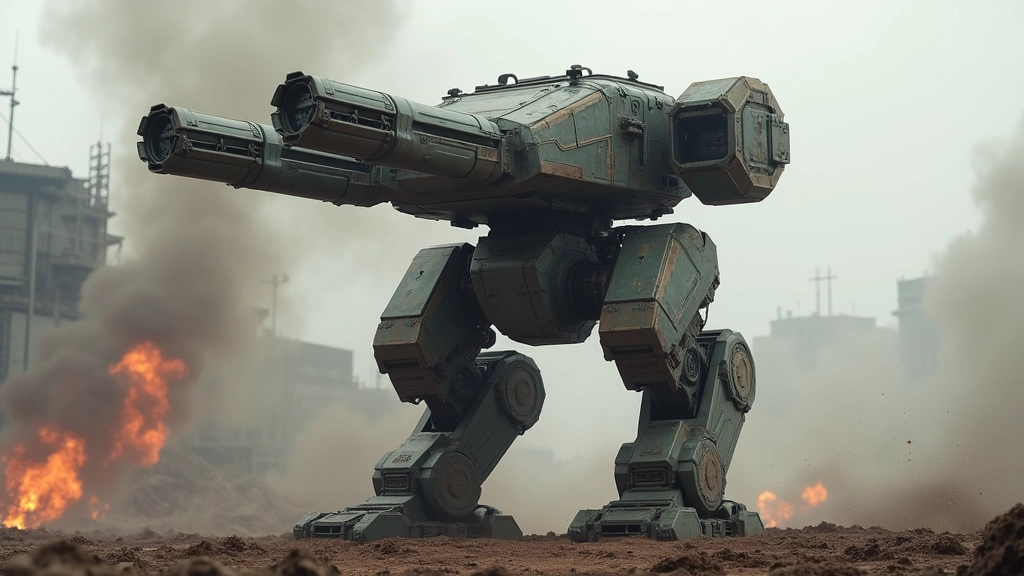
Top BattleTech Mechs Ranked: Expert Analysis
BattleTech has captivated strategy enthusiasts and mecha fans for decades with its intricate combat system and diverse roster of mechanical warriors. Whether you’re a seasoned MechWarrior veteran or exploring the universe for the first time, understanding which battle tech mechs dominate the battlefield requires deep knowledge of loadouts, armor configurations, and tactical deployment scenarios. This comprehensive guide ranks the most formidable mechs across weight classes, examining their strengths, weaknesses, and optimal usage patterns that make them essential to any competitive lance composition.
The evolution of BattleTech mechs reflects decades of game design refinement, from tabletop origins to modern video game adaptations. Each mech represents a unique combination of firepower, mobility, armor plating, and heat management capabilities. Like upgrading your gaming setup with optimized hardware components, selecting the right mech requires understanding performance metrics and tactical synergies. Our expert analysis evaluates mechs based on competitive viability, role flexibility, and meta-game relevance across multiple BattleTech iterations.
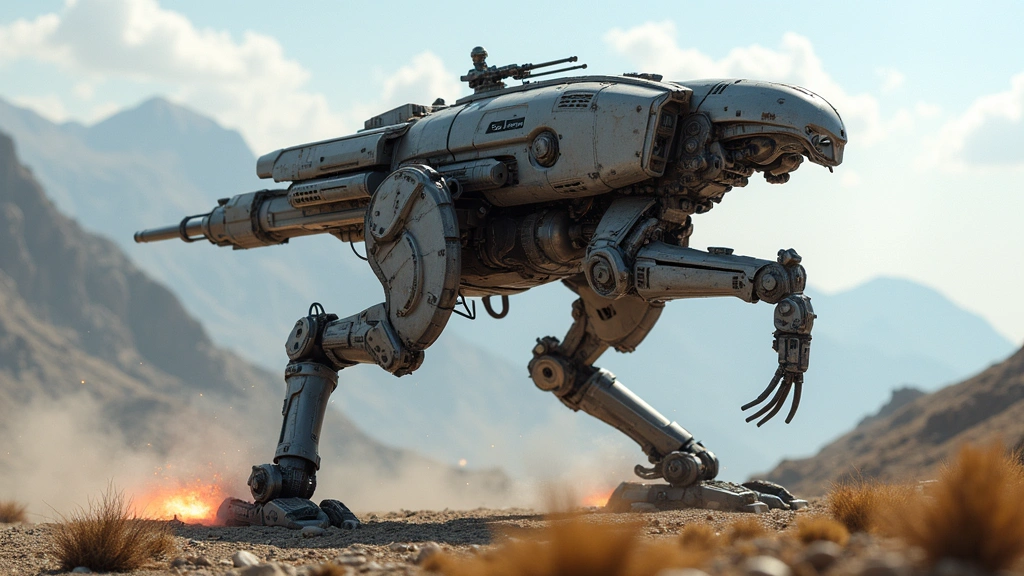
Light Mechs: Speed and Reconnaissance
Light mechs form the reconnaissance backbone of any competent lance, providing mobility that heavier units cannot match. The Locust exemplifies pure speed with its 170 km/h maximum velocity, making it ideal for scouting enemy positions and harassing isolated targets. However, its paper-thin armor demands expert piloting to avoid catastrophic damage. The Locust excels in hit-and-run tactics, where superior mobility compensates for limited firepower.
The Spider represents a more balanced light mech approach, sacrificing some speed for improved weapon capacity and armor thickness. With excellent jump jet capabilities, the Spider navigates complex terrain while maintaining offensive pressure. Its torso-mounted hardpoints allow for diverse loadout configurations, from long-range missile support to short-range ballistic firepower. The Spider’s flexibility makes it valuable across multiple mission types, from industrial sabotage to urban combat scenarios.
Flea and Commando mechs round out the light category, each offering specialized capabilities. The Flea provides exceptional firepower for its weight class, mounting multiple medium lasers and ballistic weapons. The Commando introduces advanced targeting systems and better armor distribution, making it more survivable against concentrated fire. Light mechs demand positioning expertise and map awareness—pilots must identify high-ground advantages and use terrain features to amplify their speed advantage.
Mastering light mech gameplay parallels learning complex coding frameworks, as detailed in our practical coding guide. Both require understanding fundamental principles before executing advanced techniques. Light mech pilots must recognize optimal engagement ranges, predict enemy movements, and execute coordinated lance tactics that leverage their speed advantage across varied terrain.
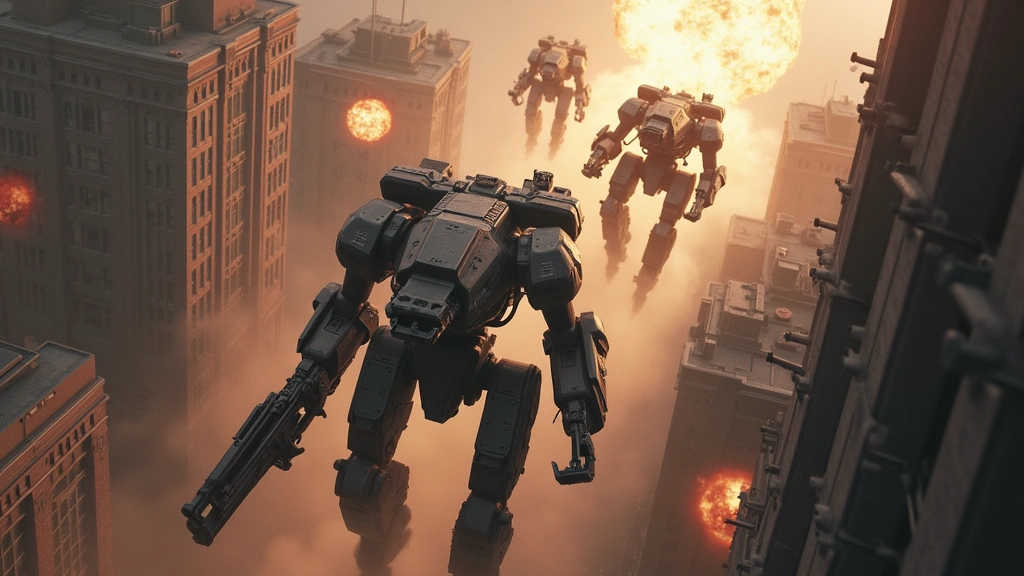
Medium Mechs: Balanced Versatility
Medium mechs represent the sweet spot between mobility and firepower, offering tactical flexibility that appeals to diverse playstyles. The Centurion stands as an iconic medium mech, balancing respectable armor with reliable weapon systems. Its AC/20 ballistic cannon delivers devastating close-range damage, while medium lasers provide supplementary firepower. The Centurion’s straightforward design makes it accessible to new players while remaining competitive in experienced hands.
The Jagermech specializes in long-range support, mounting four medium lasers and ballistic weapons optimized for distant engagements. Its superior heat dissipation allows sustained firing without dangerous core temperature buildup. Jagermech pilots excel at maintaining distance while providing consistent damage output that softens enemy armor before assault mechs engage. This support role proves invaluable in coordinated lance operations where specialized roles enhance overall effectiveness.
The Enforcer and Hunchback represent aggressive medium mech alternatives. The Enforcer provides excellent armor coverage with reliable energy weapon loadouts, making it durable against sustained fire. The Hunchback, particularly its AC/20 variant, delivers exceptional burst damage that can cripple heavier opponents through focused fire concentration. Both mechs require aggressive piloting and excellent positioning to maximize their combat effectiveness.
Medium mechs bridge the gap between light reconnaissance units and heavy assault platforms, much like how mid-range laptops balance performance and affordability. They provide flexibility that allows lance commanders to adapt strategies based on mission requirements and enemy composition. A well-piloted medium mech can exploit weaknesses in enemy formations while maintaining sufficient armor to survive counterattacks.
Heavy Mechs: Firepower and Durability
Heavy mechs command battlefield presence through superior armor plating and devastating weapon systems that can eliminate opponents in direct confrontation. The Jagermech Prime configuration maximizes firepower with multiple ballistic cannons and energy weapons, creating a walking fortress of destruction. Its substantial armor pool allows sustained engagement against multiple enemies, though heat management becomes critical during extended firefights.
The Awesome mech epitomizes heavy firepower specialization, mounting an AC/20 ballistic cannon that delivers massive single-shot damage. Pilots using the Awesome must manage ammunition carefully and position defensively to maximize armor efficiency. The mech’s slower movement speed restricts tactical flexibility, requiring lance mates to protect flanks and cover vulnerable angles. Despite mobility limitations, the Awesome’s firepower justification makes it essential in heavy lance compositions.
The Stalker offers balanced heavy mech capabilities, mounting multiple medium lasers and ballistic weapons that provide consistent damage output. Its superior armor distribution and heat management systems allow sustained combat operations without dangerous temperature spikes. The Stalker’s versatility makes it valuable across diverse mission types, from industrial facility defense to open-field engagements. Experienced pilots leverage the Stalker’s balanced profile to adapt tactics dynamically based on evolving battlefield conditions.
Heavy mechs require strategic positioning and support from lighter units that handle reconnaissance and flanking maneuvers. Understanding heavy mech deployment parallels comprehending enterprise infrastructure architecture, where specialized components work together toward unified objectives. A heavy mech without proper support becomes vulnerable to coordinated attacks that exploit its mobility limitations and expose unarmored rear sections.
Assault Mechs: Battlefield Dominance
Assault mechs represent the pinnacle of BattleTech firepower and durability, capable of single-handedly shifting battle outcomes through overwhelming destructive potential. The Atlas stands as the franchise flagship, mounting dual AC/20 ballistic cannons that deliver catastrophic damage against any opponent foolish enough to engage directly. Its massive armor pool and powerful weapons make the Atlas the ultimate endgame mech that veteran players aspire to pilot.
The King Crab matches the Atlas in firepower while offering superior mobility through optimized weight distribution. Its multiple ballistic cannon configuration creates overlapping fields of fire that devastate enemy formations. The King Crab’s tactical flexibility allows pilots to engage across multiple ranges, transitioning between long-range support and close-range assault depending on battle progression. Coordinating King Crab firepower with medium and light mech support creates lance compositions that overwhelm unprepared opponents.
The Jagermech Assault variant and Highlander round out the assault category, each offering specialized capabilities that justify their substantial tonnage. The Highlander excels at energy weapon loadouts, mounting multiple medium and large lasers that provide consistent heat-dependent firepower. Its superior jump jet capacity allows assault mechs to reach elevated positions typically reserved for lighter units, creating unexpected tactical advantages. The Highlander’s versatility makes it valuable for pilots seeking balanced assault capabilities rather than pure firepower specialization.
Assault mech deployment requires careful strategic planning, as their slow movement speed demands protection from faster units. Successfully using assault mechs mirrors implementing advanced AI systems in complex networks—both require supporting infrastructure working harmoniously toward unified objectives. A well-protected assault mech becomes an unstoppable force that enemy lances must address immediately or face systematic elimination.
Loadout Optimization Strategies
Maximizing mech effectiveness extends beyond chassis selection to encompassing comprehensive loadout optimization that balances firepower, heat management, and armor efficiency. Energy weapons—primarily lasers and PPCs—generate substantial heat but offer unlimited ammunition, making them ideal for sustained operations where resupply proves difficult. Medium lasers provide reliable damage output with manageable heat signatures, while large lasers and PPCs deliver devastating single shots at the cost of significant heat generation.
Ballistic weapons including autocannons and missile launchers provide ammunition-dependent firepower that avoids heat generation entirely. AC/20 cannons deliver maximum damage per shot, making them ideal for burst-damage strategies that eliminate opponents quickly. Smaller autocannon variants provide sustained damage with improved accuracy at longer ranges. Missile launchers offer area-effect damage that proves valuable against clustered enemies or for softening armor before close-range engagement.
Heat management determines whether mechs perform optimally or suffer catastrophic shutdown during critical moments. Double heat sinks improve cooling efficiency, allowing sustained weapon firing without dangerous temperature buildup. Pilots must understand their mech’s thermal envelope—the maximum heat they can safely manage—and adjust firing patterns accordingly. Some loadouts prioritize heat efficiency through energy weapon selection, while others accept thermal risk in exchange for maximum firepower output.
Armor distribution significantly impacts mech survivability, requiring pilots to anticipate enemy attack angles and allocate protection accordingly. Front-heavy armor configurations suit defensive playstyles where mechs engage enemies directly, while balanced armor distributions support more dynamic positioning. Expert pilots adjust armor distribution based on specific mission requirements and expected enemy composition, demonstrating tactical sophistication that separates competent pilots from championship-level operators.
Competitive Meta Analysis
BattleTech’s competitive landscape constantly evolves as players discover optimal loadouts and tactical synergies that define the current meta-game. Recent balance updates have shifted viability toward specific mech configurations that exploit underutilized weapon systems and armor combinations. Understanding current competitive trends requires monitoring tournament results, professional player loadout choices, and community forum discussions where experienced pilots share strategic insights.
Lance composition—the selection of four mechs that work together—determines success more than individual mech selection. Balanced lances typically include light mechs for reconnaissance, medium mechs for support, heavy mechs for sustained firepower, and assault mechs for breakthrough operations. However, specialized lance compositions focused on specific strategies—such as all-missile builds or energy weapon emphasis—prove viable against unprepared opponents who fail to adapt counter-tactics.
Terrain utilization and positional awareness separate competitive players from casual enthusiasts. Expert pilots identify high-ground advantages that improve weapon accuracy and defensive positioning, use buildings for cover that blocks incoming fire, and orchestrate coordinated movements that isolate enemies for systematic elimination. These tactical elements transcend mech selection, making pilot skill the ultimate determining factor in competitive success.
Professional BattleTech tournaments showcase cutting-edge strategies and innovative mech loadouts that inspire competitive communities. Reviewing tournament footage and champion player guides provides invaluable tactical education for aspiring competitive pilots. Consulting resources like The Verge’s technology analysis and gaming-focused coverage helps understand broader esports trends that influence tactical evolution. Similarly, CNET’s gaming reviews provide context for understanding how game design influences competitive environments and player adaptation strategies.
FAQ
What is the best BattleTech mech for beginners?
The Centurion represents the ideal beginner mech, offering straightforward weapon systems, adequate armor, and reliable performance without complex heat management requirements. Its balanced profile allows new pilots to focus on fundamental positioning and targeting rather than managing advanced mechanical systems. The Jagermech provides an excellent alternative for players preferring long-range support roles.
How do I choose between ballistic and energy weapons?
Ballistic weapons avoid heat generation but require ammunition management, making them ideal for sustained operations. Energy weapons generate heat but offer unlimited ammunition, suiting extended missions without resupply opportunities. Hybrid loadouts combining both weapon types provide flexibility for adapting to changing battlefield conditions and enemy compositions.
Can light mechs compete against assault mechs?
Light mechs cannot defeat assault mechs in direct confrontation but excel at exploiting positioning advantages, flanking maneuvers, and hit-and-run tactics. Multiple light mechs coordinating attacks can overwhelm assault mechs through superior mobility and tactical coordination. Success depends entirely on pilot skill, map knowledge, and strategic execution rather than mech specifications.
What role does heat management play in mech performance?
Heat management directly impacts sustained firepower output and mech functionality. Overheating causes performance degradation and potential shutdown, making thermal efficiency critical for extended combat operations. Double heat sinks improve cooling capacity, while weapon selection and firing patterns influence heat generation rates. Understanding your mech’s thermal envelope determines optimal engagement strategies.
How important is armor distribution in mech loadouts?
Armor distribution proves essential for mech survivability, requiring pilots to anticipate enemy attack angles and allocate protection accordingly. Front-heavy armor suits defensive playstyles, while balanced distributions support dynamic positioning. Expert pilots adjust armor distribution based on mission requirements and expected enemy composition, demonstrating tactical sophistication that separates competitive players from casual operators.
Where can I learn advanced BattleTech tactics?
Professional tournament footage, champion player guides, and community forum discussions provide invaluable tactical education. Reviewing MechWarrior Online’s official community resources and Reddit’s BattleTech community connects you with experienced players sharing strategic insights. Practicing against varied opponents and analyzing your performance reveals skill development areas requiring improvement.
What makes certain mechs viable in competitive play?
Competitive viability depends on loadout optimization, role specialization within lance compositions, and alignment with current meta-game trends. Mechs offering superior firepower-to-tonnage ratios, exceptional heat efficiency, or unique tactical capabilities typically dominate competitive environments. Monitoring tournament results and professional player loadout choices reveals which mechs currently define the competitive landscape.
Understanding BattleTech mechs requires comprehensive knowledge spanning mech specifications, loadout optimization, thermal management, and tactical deployment strategies. Whether piloting light reconnaissance units or assault platforms, success depends on player skill, strategic positioning, and coordinated lance composition. Explore the Tech Pulse Hunter blog for additional gaming and technology insights that enhance your competitive performance.


