
AR/VR Future: Big Tech’s Vision and Investments Shaping Tomorrow’s Reality
The augmented reality (AR) and virtual reality (VR) landscape has transformed dramatically over the past five years, with major technology companies pouring billions into these immersive technologies. What was once considered niche entertainment has evolved into a critical strategic priority for Apple, Meta, Microsoft, Google, and Sony. These tech giants recognize that AR and VR represent the next frontier of human-computer interaction, potentially reshaping how we work, learn, communicate, and entertain ourselves.
Big tech’s investment in AR and VR isn’t merely speculative—it reflects a fundamental belief that spatial computing will define the computing paradigm of the next decade. From Meta’s aggressive metaverse push to Apple’s Vision Pro launch, from Microsoft’s HoloLens evolution to Google’s AR ecosystem expansion, the industry is witnessing unprecedented capital allocation toward these technologies. This comprehensive analysis explores the major players, their strategic visions, financial commitments, and the technological innovations driving this revolution.
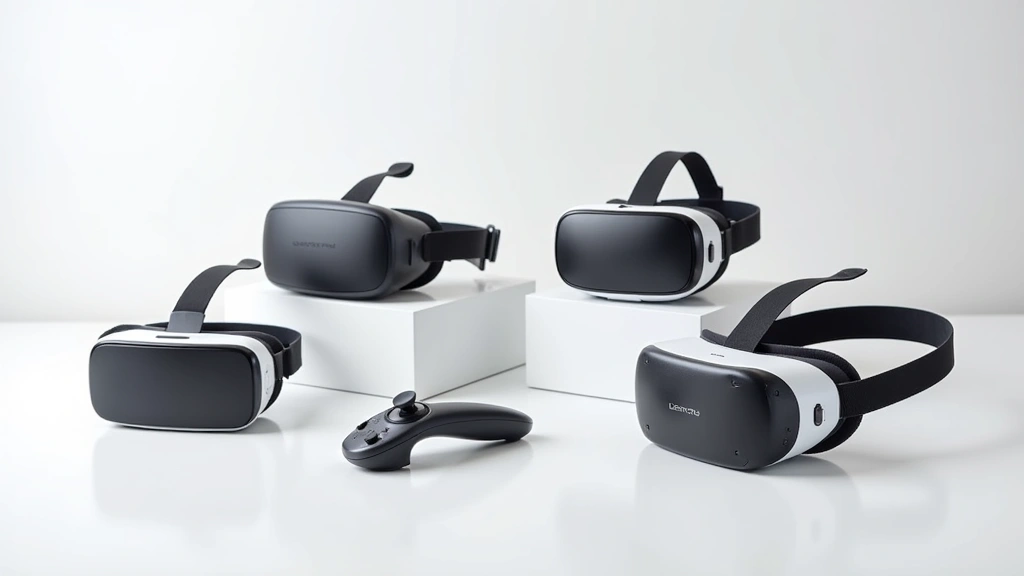
Meta’s Metaverse Bet and Reality Labs
Meta Platforms has emerged as the most aggressive investor in AR and VR technologies, with Reality Labs operating as a dedicated subsidiary pursuing metaverse development. Since 2021, Meta has invested over $36 billion into Reality Labs, making it the most significant single investment by any tech company in these immersive technologies. CEO Mark Zuckerberg has positioned the metaverse as Meta’s long-term strategic priority, fundamentally reshaping the company’s identity from a social media platform to a spatial computing pioneer.
The company’s investment strategy encompasses hardware development, software platforms, and ecosystem partnerships. Meta’s Quest headset line represents the most commercially successful consumer VR platform, with millions of units sold worldwide. The Quest 3 and upcoming Quest Pro models feature advanced hand tracking, mixed reality capabilities, and increasingly powerful processors. Beyond consumer hardware, Meta is developing advanced haptic gloves, neural interfaces, and AR glasses that could eventually replace smartphones as primary computing devices.
Meta’s software ecosystem includes Meta Horizon OS, a purpose-built operating system for spatial computing, alongside development of the Horizon Worlds platform. The company acquired numerous VR studios and development talent, including Beat Games (Beat Saber creator), Within (fitness VR), and Ready at Dawn, consolidating creative resources for content creation. This vertical integration strategy ensures Meta controls both hardware and content, similar to Apple’s ecosystem approach.
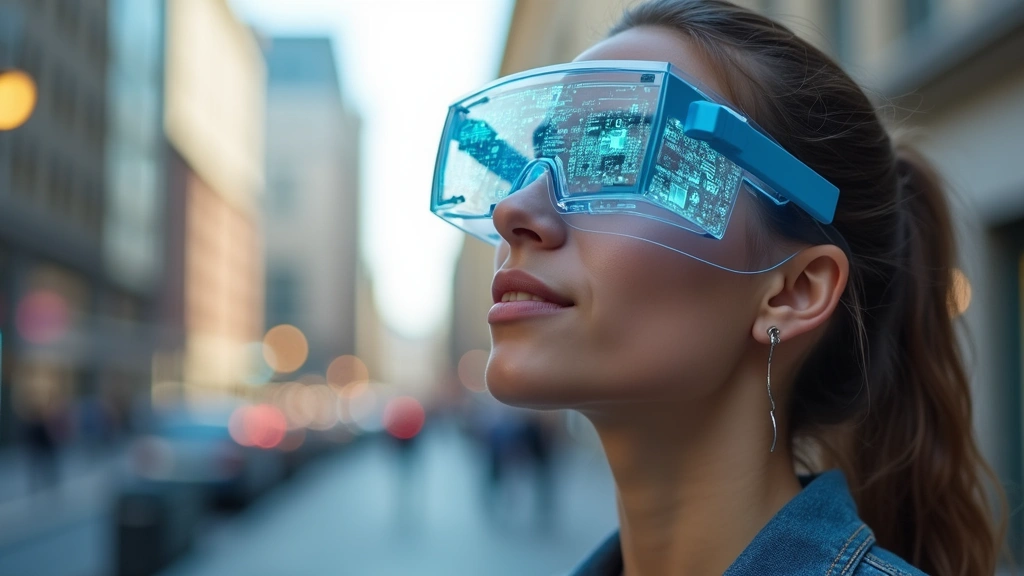
Apple’s Vision Pro and Spatial Computing
Apple’s entrance into AR/VR with the Vision Pro marked a watershed moment for spatial computing legitimacy in mainstream markets. Announced in June 2023 and launched in early 2024, the Vision Pro represents Apple’s most significant hardware innovation since the Apple Watch. Priced at $3,499, it targets premium consumers and professionals, establishing a distinct market position from Meta’s consumer-focused Quest line.
The Vision Pro incorporates dual 4K displays, M2 and R1 chips, advanced eye-tracking, hand recognition, and spatial audio technologies creating an immersive experience that impressed reviewers and analysts. Apple’s visionOS operating system introduces innovative spatial computing paradigms, including virtual windows, environmental awareness, and seamless integration with existing Apple devices. The device’s design emphasis on aesthetics and user experience reflects Apple’s historical product philosophy.
Apple’s investment extends beyond hardware into software ecosystems and developer tools. The company provides visionOS SDKs, development frameworks, and App Store distribution infrastructure enabling third-party developers to create spatial applications. Strategic partnerships with enterprise software makers position Vision Pro for professional applications in design, engineering, medicine, and training. Unlike Meta’s metaverse focus, Apple emphasizes practical productivity and professional use cases, though entertainment and gaming remain significant opportunities.
The big tech platform industry news has extensively covered Apple’s spatial computing ambitions, highlighting how the company’s entry legitimizes AR/VR investment across the industry.
Microsoft’s Enterprise AR Strategy
Microsoft has pursued a distinctly enterprise-focused AR strategy through its HoloLens platform and mixed reality ecosystem. Unlike consumer-oriented competitors, Microsoft targets professional and industrial applications where AR delivers measurable productivity gains. The company’s HoloLens 2 and upcoming HoloLens 3 devices emphasize field service, manufacturing, healthcare, and design workflows.
Microsoft’s investment strategy integrates AR capabilities across its enterprise software portfolio, including Microsoft Teams, Dynamics 365, and Azure cloud services. The company enables spatial collaboration, remote assistance, and three-dimensional data visualization within professional workflows. Partnerships with enterprise customers like Airbus, Thyssen Krupp, and Honeywell demonstrate real-world deployments delivering operational value.
The company’s cloud infrastructure investments prove critical for AR/VR success. Azure services provide the computational backbone for spatial computing applications, real-time collaboration features, and data processing. Microsoft’s artificial intelligence applications increasingly integrate with spatial computing, enabling intelligent object recognition, spatial understanding, and AI-powered assistance within AR environments.
Google’s AR Ambitions and Ecosystem
Google has pursued a pragmatic AR strategy emphasizing smartphone-based augmented reality before transitioning to advanced spatial computing. The company’s ARCore framework enables AR experiences on billions of Android devices, establishing a massive installed base for spatial computing development. Google Lens integrates AR capabilities into search, allowing users to identify objects, translate text, and access information through camera-based interfaces.
The company’s Project Iris represents Google’s ambitious AR glasses initiative, featuring advanced optical displays, AI integration, and real-time translation capabilities. Unlike Meta and Apple’s relatively near-term device launches, Project Iris targets the mid-to-late 2020s, allowing extended development time for breakthrough optical and computational technologies. Google’s approach emphasizes achieving technological breakthroughs before mass-market deployment, contrasting with competitors’ faster market entry strategies.
Google’s investment encompasses acquisition of AR companies like North (smart glasses developer) and internal development of spatial computing technologies. Integration of AI capabilities with AR platforms creates unique competitive advantages, particularly for search, translation, and information overlay applications. The company’s vast data resources and machine learning expertise position Google uniquely for AI-powered AR experiences.
Sony and Gaming-Focused Investments
Sony has maintained strategic focus on VR gaming through PlayStation VR and the upcoming PlayStation VR2 platform. While less aggressive than Meta’s metaverse bet, Sony’s investments reflect confidence in VR’s gaming entertainment future. The PlayStation VR platform has sold over 5 million units, establishing a substantial user base for VR content.
PlayStation VR2 represents a significant technological leap, featuring 4K resolution per eye, 110-degree field of view, haptic feedback integration, and advanced eye-tracking. The device targets PlayStation 5 owners, leveraging Sony’s dominant console position. Exclusive gaming titles and partnerships with major studios ensure compelling content availability, critical for consumer adoption.
Sony’s strategy prioritizes gaming entertainment and consumer adoption over metaverse ambitions or enterprise applications. This focused approach contrasts with Meta’s diversified investment strategy, reflecting Sony’s core entertainment business identity. However, Sony’s participation underscores broad industry consensus regarding VR gaming’s viability and long-term potential.
Investment Trends and Financial Commitments
The financial commitment from big tech companies to AR and VR has reached unprecedented levels. Beyond Meta’s $36 billion Reality Labs investment, Apple’s Vision Pro development required estimated billions in R&D. Microsoft continues expanding HoloLens and mixed reality investments, while Google’s Project Iris represents multi-billion dollar commitment. Industry analysts estimate combined big tech AR/VR spending exceeds $100 billion annually across hardware, software, and infrastructure development.
Venture capital investment in AR/VR startups has accelerated despite market skepticism about near-term commercial viability. Companies like Varjo (enterprise VR), Magic Leap (spatial computing), and numerous content studios have attracted significant funding. Strategic acquisitions by major tech companies indicate confidence in emerging technologies and talent acquisition priorities.
The big tech acquisitions landscape reveals consistent patterns of major companies acquiring AR/VR startups, development talent, and intellectual property. These acquisitions consolidate innovation capabilities while eliminating potential competitors, a strategy particularly evident in Meta’s aggressive acquisition program.
Technological Innovations Enabling Growth
Several technological breakthroughs have enabled the current AR/VR investment surge. Advances in display technology, including micro-OLED and miniaturized projectors, allow compact devices delivering high-resolution immersive experiences. Eye-tracking technology has matured significantly, enabling natural interaction paradigms and efficient foveated rendering reducing computational requirements.
Processing power improvements, particularly specialized spatial computing chips like Apple’s M2 and R1 processors, provide necessary computational capacity for real-time rendering and environmental understanding. Neural processing engines enable on-device AI, critical for spatial understanding, object recognition, and intelligent assistance features without requiring constant cloud connectivity.
Battery technology improvements extend device runtime, while wireless connectivity advances enable seamless multiplayer experiences and cloud-connected applications. Haptic feedback systems create tactile sensations enhancing immersion, while spatial audio technologies deliver convincing three-dimensional soundscapes. These converging technologies create the foundation for compelling consumer and professional experiences.
Challenges and Market Realities
Despite massive investment and technological progress, AR/VR faces significant adoption challenges. Consumer pricing remains prohibitively high for mainstream adoption—Vision Pro’s $3,499 entry price and Quest 3’s $499 minimum represent substantial investments. Content ecosystem development lags behind hardware availability, with many users reporting insufficient compelling applications.
Motion sickness and discomfort issues persist for some users, limiting extended usage sessions. Social acceptance remains uncertain, with privacy concerns regarding always-on cameras and tracking capabilities. Battery limitations restrict untethered usage duration, while thermal management challenges emerge during extended sessions. These technical and social barriers require resolution before mass-market adoption becomes viable.
The metaverse concept, central to Meta’s investment thesis, has faced significant skepticism and market resistance. User engagement metrics for Horizon Worlds remain disappointing, raising questions about long-term commercial viability of metaverse platforms. Competitive fragmentation, with multiple platforms and incompatible ecosystems, complicates user experience and content distribution.
Future Outlook and Industry Predictions
Industry analysts project AR/VR markets will reach $30-50 billion annually by 2030, with consumer adoption accelerating as prices decline and content ecosystems mature. Enterprise applications, particularly in manufacturing, healthcare, and professional services, are expected to drive early revenue growth and demonstrate practical value propositions.
The convergence of AR and VR into mixed reality experiences represents the likely evolution pathway, with devices supporting both immersive virtual environments and augmented reality overlays on physical spaces. This hybrid approach, exemplified by Apple’s Vision Pro and Microsoft’s HoloLens strategy, appears to be gaining industry consensus.
Artificial intelligence integration with spatial computing will likely enable breakthrough experiences, with AI-powered spatial understanding, intelligent virtual assistants, and context-aware applications transforming how users interact with immersive technologies. The technology and artificial intelligence transforming our future article explores these convergence trends in greater depth.
Long-term, spatial computing may eventually replace smartphones and traditional computing interfaces, though this transition likely requires 10-15 years minimum. Major tech companies’ continued investment suggests confidence in this vision, despite near-term commercial uncertainties. The competitive dynamics between Meta’s consumer metaverse focus, Apple’s premium spatial computing positioning, Microsoft’s enterprise strategy, and Google’s AI-integrated approach will likely shape the industry’s evolution.
For investors interested in tech industry trends, understanding best tech stocks to buy requires consideration of companies’ AR/VR investment strategies and market positioning. Companies leading in spatial computing may disproportionately benefit from this technological transition.
FAQ
How much has Meta invested in AR and VR development?
Meta has invested over $36 billion into Reality Labs since 2021, making it the largest single tech company investment in AR/VR technologies. The company continues allocating several billion dollars annually toward metaverse development, hardware, and software platforms.
What is Apple Vision Pro’s market positioning?
Apple Vision Pro targets premium consumers and professionals at a $3,499 price point, emphasizing spatial computing productivity applications and professional use cases. This premium positioning contrasts with Meta’s consumer-focused Quest platform and Microsoft’s enterprise HoloLens strategy.
When will AR/VR achieve mainstream adoption?
Industry analysts predict meaningful mainstream adoption will occur in 2028-2032 timeframe, as prices decline, content ecosystems mature, and practical applications demonstrate clear value. Enterprise adoption is expected to accelerate faster than consumer markets.
Which technology company is winning the AR/VR race?
No single company has definitively “won”—different companies are succeeding in distinct market segments. Meta leads in consumer VR, Apple in premium spatial computing, Microsoft in enterprise AR, and Google in smartphone-based AR. Success will ultimately depend on market segment and application category.
What are the main barriers to AR/VR adoption?
Key barriers include high device pricing, limited content ecosystems, motion sickness concerns, privacy issues regarding tracking and cameras, battery limitations, and uncertain long-term commercial viability of metaverse platforms. Technical improvements and compelling applications will address these barriers over time.
How does AI integration enhance AR/VR experiences?
AI enables spatial understanding, intelligent object recognition, real-time language translation, context-aware assistance, and personalized experiences within immersive environments. AI-powered features make spatial computing applications more intuitive, helpful, and capable.
Explore more insights on TechPulse Hunter Blog for comprehensive coverage of emerging technology trends and industry developments shaping the future of computing and digital experiences.


