Does BodyTech Creatine Work? Expert Analysis and Performance Review
BodyTech Creatine has become a staple supplement for fitness enthusiasts and athletes seeking to enhance muscle performance and strength gains. As one of the most researched and affordable creatine monohydrate options on the market, this supplement promises significant benefits for those committed to resistance training and athletic performance. But does it actually deliver results, or is it just another overhyped fitness product? This comprehensive review examines the science behind BodyTech Creatine, its effectiveness, purity standards, and how it compares to competing brands in the supplement industry.
The supplement market is flooded with countless brands making extraordinary claims about performance enhancement, muscle growth, and recovery. BodyTech, a brand under the larger Bodytech Holdings umbrella, positions itself as an affordable yet effective creatine solution for serious lifters and casual gym-goers alike. Unlike many supplements that rely heavily on marketing hype, creatine monohydrate has decades of scientific validation supporting its efficacy. The question isn’t whether creatine works in general—it does—but whether BodyTech’s specific formulation meets quality standards and delivers consistent results comparable to premium alternatives.

What Is BodyTech Creatine and How Does It Work?
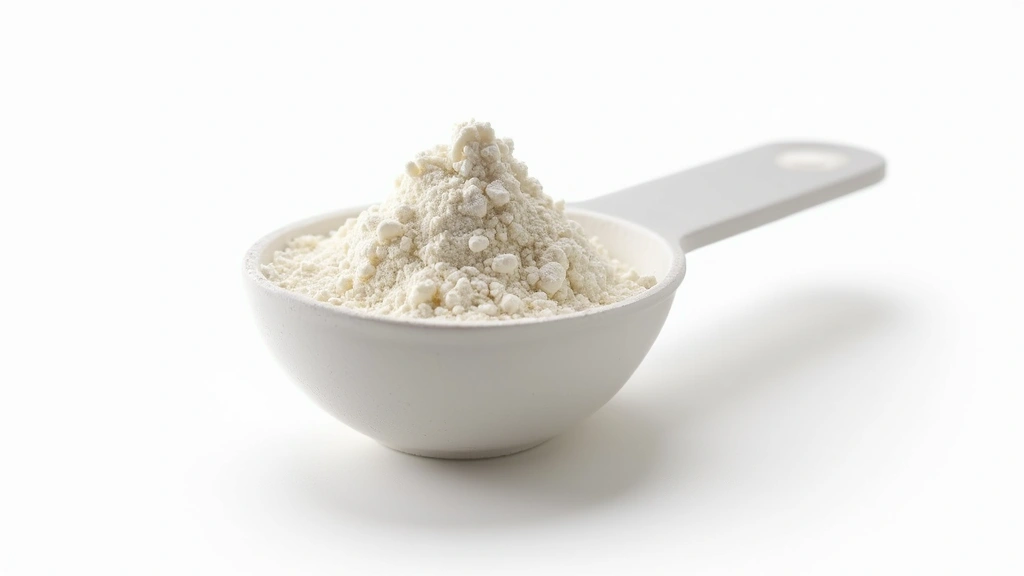
BodyTech Creatine is a creatine monohydrate supplement designed to support ATP (adenosine triphosphate) production in muscle cells. This supplement comes in powder form, typically unflavored or with minimal additives, making it a straightforward approach to creatine supplementation. The primary active ingredient is pure creatine monohydrate, which is the most studied and established form of creatine supplementation available today.
Creatine functions as an energy substrate within muscle tissue. During high-intensity exercise, your muscles rapidly deplete ATP, the primary energy currency. Creatine phosphate donates its phosphate group to ADP, regenerating ATP and extending your muscles’ ability to perform at high intensity. By increasing intramuscular creatine stores through supplementation, you theoretically extend the duration and intensity of muscle contractions before fatigue sets in. This mechanism explains why creatine is particularly effective for activities involving repeated maximal efforts, such as weightlifting and sprinting.
BodyTech positions their creatine as a no-frills supplement featuring 5 grams of pure creatine monohydrate per serving, with minimal fillers or additives. The powder mixes into water or beverage of choice, though users consistently report that creatine monohydrate has limited solubility and requires vigorous stirring. The brand emphasizes affordability and transparency, appealing to budget-conscious consumers who want basic supplementation without premium pricing.

Scientific Evidence Behind Creatine Supplementation
Before evaluating BodyTech specifically, it’s crucial to understand the scientific foundation supporting creatine supplementation generally. According to research published through the International Society of Sports Nutrition, creatine monohydrate is one of the most effective ergogenic aids available for improving athletic performance, muscle strength, and muscle hypertrophy.
Multiple meta-analyses demonstrate that creatine supplementation produces measurable improvements in:
- Maximal strength and power output – increases in bench press, squat, and deadlift performance
- Muscle mass and hypertrophy – greater lean muscle tissue gains when combined with resistance training
- Anaerobic endurance – improved performance during repeated high-intensity efforts with short recovery periods
- Cognitive function – emerging evidence suggests potential benefits for memory and processing speed
The National Institutes of Health confirms that creatine monohydrate is safe for long-term supplementation in healthy individuals, with no serious adverse effects documented in decades of research. Effect sizes are typically modest but consistent, with most studies showing 5-15% improvements in strength and power metrics depending on training status and individual response variability.
What’s important to note is that creatine monohydrate—the form used in BodyTech Creatine—is the most extensively researched and validated form. More expensive alternatives like creatine ethyl ester or buffered creatine have not demonstrated superior effectiveness in peer-reviewed research. This means the basic science supports using budget options like BodyTech, provided they meet quality standards.
BodyTech Creatine Product Analysis and Specifications
BodyTech Creatine comes in several package sizes, typically ranging from 100 to 500 servings. The standard formulation contains:
- 5 grams of creatine monohydrate per serving
- Zero additional ingredients in unflavored versions
- Minimal fillers or flow agents
- No artificial sweeteners, colors, or flavors (standard version)
- Approximately 300-400 servings per large container depending on size
The pricing structure makes BodyTech highly competitive. A 500-serving container typically costs between $25-35, translating to roughly $0.05-0.07 per gram of creatine. This positions BodyTech among the most affordable options while maintaining reasonable quality standards. For comparison, premium brands charge $0.15-0.30+ per gram.
The packaging is straightforward—simple plastic containers with printed labels. BodyTech doesn’t invest heavily in premium packaging or marketing, which explains the lower cost. The powder itself appears white to off-white, consistent with legitimate creatine monohydrate. However, appearance alone doesn’t guarantee purity or quality.
Effectiveness for Muscle Growth and Strength
Based on the established science of creatine monohydrate, BodyTech Creatine should produce measurable results for individuals engaged in consistent resistance training. The supplement itself—if it contains legitimate creatine monohydrate—will work identically to any other brand’s creatine monohydrate. The active ingredient is the same molecule regardless of manufacturer.
Expected results from BodyTech Creatine supplementation include:
- Strength increases – typically 5-10% improvements in major lifts within 4-6 weeks of consistent training
- Muscle mass gains – enhanced hypertrophy response when combined with progressive resistance training
- Training volume capacity – ability to complete additional reps or sets before fatigue limits performance
- Recovery between sets – faster ATP regeneration allows quicker return to maximal intensity
However, several critical factors determine whether you’ll experience these benefits:
- Training consistency – results require progressive resistance training 3-5 days weekly
- Adequate nutrition – sufficient protein and total calories support muscle growth
- Individual responders – approximately 5-10% of individuals show minimal response to creatine
- Proper loading protocol – following evidence-based dosing accelerates saturation and results
- Product quality – the creatine must actually be legitimate and pure
The effectiveness timeline matters. Creatine doesn’t provide immediate results. Most users notice subtle improvements in training capacity within 1-2 weeks, with more pronounced strength and mass gains appearing after 4-6 weeks of consistent supplementation and training. Patience and consistency are essential.
Purity, Quality, and Safety Standards
This is where BodyTech’s affordability requires scrutiny. The supplement industry has notoriously lax quality control, and budget brands sometimes cut corners on purity testing. BodyTech products are manufactured in facilities that claim GMP (Good Manufacturing Practice) certification, though independent verification of these claims is difficult for consumers.
Third-party testing is the gold standard for supplement verification. Unfortunately, BodyTech does not prominently display third-party testing results on their packaging or website. This is a significant limitation compared to premium brands that submit products to independent laboratories like NSF International or Informed Choice for verification.
Potential contaminants in low-quality creatine include:
- Creatinine – degraded creatine that reduces effectiveness
- Dicyandiamide (DCD) – byproduct of creatine synthesis that may cause side effects
- Dihydrotriazine – another creatine synthesis byproduct
- Heavy metals – lead, cadmium, or mercury from manufacturing processes
While BodyTech hasn’t faced major quality scandals or recalls, the lack of transparent third-party testing creates uncertainty. Users purchasing BodyTech accept slightly higher contamination risk compared to brands with verified purity certifications. For most healthy individuals, this risk remains minimal, but it’s a legitimate consideration.
The affordability comes with a trade-off: lower quality assurance overhead translates to lower costs. Whether this trade-off is acceptable depends on individual risk tolerance and budget constraints.
Dosing Protocol and Usage Guidelines
Proper dosing maximizes BodyTech Creatine effectiveness and ensures optimal results. The standard protocol involves two approaches:
Loading Protocol (Faster Saturation):
- Week 1: Take 20 grams daily divided into 4 servings of 5 grams (4x daily)
- Weeks 2-12+: Maintenance dose of 3-5 grams daily (single serving)
No-Loading Protocol (Gradual Saturation):
- Weeks 1-4+: Take 3-5 grams daily consistently
- Results appear more gradually but reach same plateau after 3-4 weeks
The loading approach produces noticeable results faster (within 5-7 days), while no-loading takes 3-4 weeks but avoids gastrointestinal discomfort some users experience during high-dose loading.
Important usage guidelines for BodyTech Creatine:
- Hydration – drink adequate water throughout the day, as creatine increases intramuscular water retention
- Consistency – take your dose daily without missing, as creatine accumulates gradually
- Mixing – stir vigorously or use warm water to improve solubility
- Timing – post-workout consumption with carbohydrates and protein optimizes absorption, though timing matters less than total daily intake
- Duration – maintain supplementation continuously; benefits plateau after 3-4 weeks but require ongoing dosing to sustain
Many users find mixing BodyTech Creatine into juice or sports drinks improves palatability and solubility compared to plain water. The unflavored nature requires this workaround, which some view as inconvenient compared to flavored alternatives.
Side Effects and Safety Considerations
Creatine monohydrate is exceptionally safe for healthy individuals. Decades of research involving thousands of participants have documented minimal serious adverse effects. However, users should understand potential side effects:
Common, Mild Side Effects:
- Water retention – intramuscular water accumulation causes 1-2 pound weight gain, sometimes mistaken for fat gain
- Gastrointestinal upset – bloating, cramping, or loose stools during loading phase, especially with high single doses
- Muscle cramping – anecdotally reported by some users, though research doesn’t consistently support this link
- Dehydration risk – increased intramuscular water can reduce plasma volume if hydration is inadequate
Populations Requiring Caution:
- Individuals with kidney disease or compromised renal function
- Those with uncontrolled hypertension
- People taking medications affecting kidney function
- Individuals with a personal or family history of rhabdomyolysis
BodyTech Creatine carries the same safety profile as any other creatine monohydrate supplement. The risks are minimal for healthy individuals maintaining adequate hydration and following dosing guidelines. Medical consultation is prudent for individuals with pre-existing health conditions.
Comparison with Competing Brands
BodyTech Creatine occupies the budget segment alongside brands like Optimum Nutrition Creatine, Bulk Supplements, and store brands. How does it stack up?
BodyTech vs. Optimum Nutrition (ON) Micronized Creatine:
- Price: BodyTech ~$0.06/gram vs. ON ~$0.15/gram (more expensive)
- Purity: ON has third-party testing; BodyTech lacks transparent verification
- Solubility: ON micronized dissolves better; BodyTech requires vigorous stirring
- Effectiveness: Identical if both are legitimate creatine monohydrate
BodyTech vs. Bulk Supplements Creatine Monohydrate:
- Price: Comparable (~$0.05-0.07/gram)
- Purity: Bulk Supplements provides third-party testing; BodyTech does not
- Variety: Bulk offers multiple creatine forms; BodyTech focuses on monohydrate
- Quality: Bulk Supplements has better transparency
BodyTech vs. Premium Brands (Creatine HCI, Buffered Creatine):
- Price: Premium brands $0.20-0.50/gram (significantly more expensive)
- Research support: Standard monohydrate is superior based on evidence
- Value proposition: Premium forms lack demonstrated advantages over monohydrate
- Verdict: Premium alternatives typically represent poor value
For budget-conscious consumers, BodyTech Creatine offers competitive pricing. However, brands with third-party testing like Bulk Supplements provide slightly better quality assurance at similar price points. The difference is marginal—both represent excellent value compared to premium alternatives.
User Reviews and Real-World Results
Analyzing user feedback from major retailers reveals consistent patterns with BodyTech Creatine:
Positive User Experiences:
- Strong appreciation for affordability and value
- Reports of noticeable strength increases within 4-6 weeks
- Users confirm expected weight gain (water retention) aligns with scientific predictions
- Generally positive experiences with mixing and taste when combined with flavored beverages
- Long-term users report sustained benefits across multiple purchase cycles
Negative User Experiences:
- Some users report gastrointestinal discomfort during loading phase
- Poor solubility requiring aggressive stirring frustrates some consumers
- Occasional reports of clumping in humid storage conditions
- Lack of third-party testing causes skepticism among quality-conscious buyers
- Minimal product information or support from manufacturer
The overall sentiment is positive, with users consistently noting that BodyTech Creatine produces expected results at an excellent price point. Complaints tend toward convenience and quality transparency rather than actual effectiveness. This suggests the product works as intended when it’s legitimate creatine monohydrate.
Final Verdict and Recommendations
Does BodyTech Creatine work? Yes, provided the product contains legitimate creatine monohydrate and you follow proper supplementation protocols. The active ingredient—creatine monohydrate—is scientifically validated to improve strength, power, and muscle growth when combined with consistent resistance training.
BodyTech’s primary advantage is affordability. At roughly $0.06 per gram, it represents exceptional value compared to premium brands. For price-sensitive consumers committed to long-term supplementation, BodyTech eliminates unnecessary expenses while maintaining functional effectiveness.
However, several limitations warrant consideration:
- Lack of third-party testing creates uncertainty about purity and contamination levels
- Poor solubility requires extra effort for mixing compared to micronized alternatives
- Minimal product support leaves questions unanswered for new users
- No differentiation from generic store brands in terms of quality assurance
Recommendation for Different Users:
Budget-Conscious Lifters: BodyTech Creatine is an excellent choice if you accept minimal quality verification in exchange for maximum savings. The risk is small, and the cost savings substantial.
Quality-Focused Consumers: Consider Optimum Nutrition or Bulk Supplements for third-party testing and better transparency, even if costs are 2-3x higher.
New Supplement Users: Start with BodyTech to assess individual tolerance and response before investing in premium alternatives. If you respond well, continue the budget option.
Serious Athletes: Premium brands with verified purity testing may justify higher costs for competition-level athletes where product reliability is paramount.
The technology driving supplement effectiveness remains unchanged regardless of brand. Creatine monohydrate has not been improved by marketing or packaging innovation. BodyTech’s no-frills approach actually aligns with scientific reality: the supplement works through its active ingredient, not ancillary additions. For most users, BodyTech Creatine represents an intelligent financial decision without meaningful sacrifice of effectiveness, provided training consistency and nutrition remain adequate.
Interested in optimizing your supplement strategy? Explore our comprehensive TechPulseHunter Blog for detailed product analysis and research-backed recommendations. Understanding supplement science helps you make informed purchasing decisions that align with your fitness goals and budget constraints.
FAQ
How long does BodyTech Creatine take to work?
With loading protocol, you’ll notice improved training capacity within 5-7 days. Significant strength gains typically appear within 4-6 weeks. Without loading, saturation takes 3-4 weeks. Results depend on training consistency and individual response variability.
Is BodyTech Creatine safe for long-term use?
Yes. Creatine monohydrate is one of the safest supplements available, with decades of research supporting long-term safety in healthy individuals. Maintain adequate hydration and follow dosing guidelines. Consult healthcare providers if you have kidney concerns.
Can I mix BodyTech Creatine with other supplements?
Yes. Creatine stacks well with protein powder, carbohydrates, caffeine, and beta-alanine. Mixing with post-workout carbohydrates and protein optimizes absorption. Avoid mixing with excessive caffeine as this may increase dehydration risk.
Why doesn’t BodyTech Creatine dissolve well?
Standard creatine monohydrate has poor water solubility by chemical nature. Micronized versions are processed to smaller particle size for better mixing, but BodyTech uses standard monohydrate. Stir vigorously or use warm water to improve solubility.
Does BodyTech Creatine cause bloating or water retention?
Yes, but this is intramuscular water retention, not fat gain. You’ll gain 1-2 pounds from increased muscle cell water content. This is normal and expected. Maintain hydration to minimize gastrointestinal bloating.
How does BodyTech Creatine compare to creatine HCI or buffered versions?
Creatine monohydrate (BodyTech’s form) is superior based on research evidence. More expensive alternatives lack demonstrated advantages. BodyTech’s standard monohydrate is the most cost-effective choice with equivalent effectiveness.


