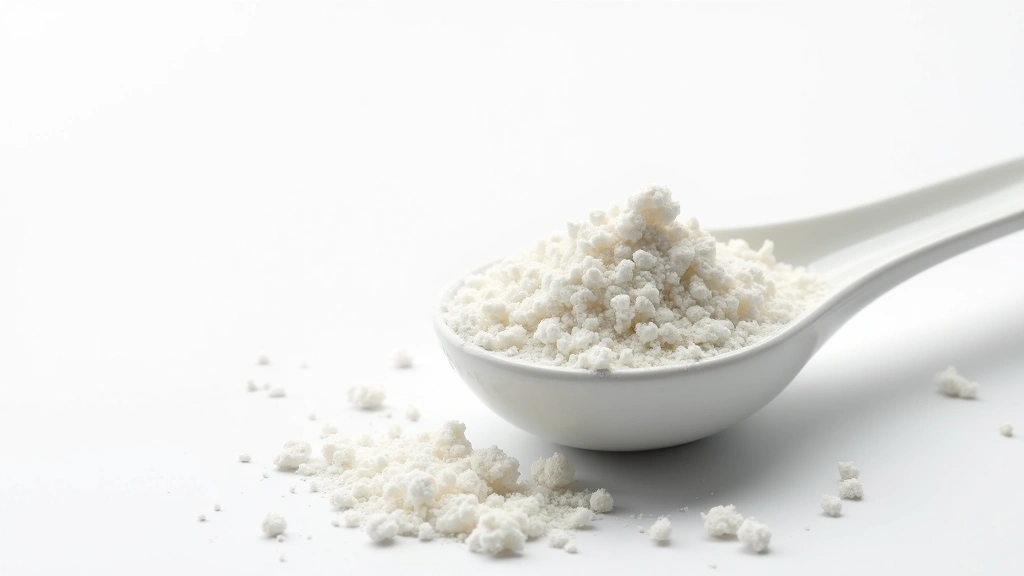
Creatine monohydrate has become one of the most researched and debated supplements in fitness and sports science. Whether you’re a casual gym-goer or a serious athlete, understanding the effectiveness of this compound requires diving into peer-reviewed research, expert analysis, and real-world application data. This comprehensive guide examines the science behind creatine monohydrate, its proven benefits, potential drawbacks, and how it compares to other supplement technologies available today.
The supplement industry has evolved dramatically over the past two decades, with consumers now demanding evidence-based products backed by rigorous clinical trials. Creatine monohydrate stands out as one of the few supplements that has consistently demonstrated measurable results across hundreds of independent studies. However, the effectiveness question isn’t merely about whether it works—it’s about understanding the mechanisms, optimal dosing protocols, individual response variations, and how this supplement integrates with modern training methodologies and nutrition strategies.

What is Creatine Monohydrate and How Does It Work?
Creatine monohydrate is a naturally occurring compound synthesized primarily in the liver and kidneys, stored predominantly in skeletal muscle tissue. The body produces approximately 1-2 grams daily, while dietary sources like red meat and fish contribute additional quantities. The supplement form provides a concentrated dose designed to elevate intramuscular creatine phosphate levels, which serve as a critical energy substrate during high-intensity activities.
The biochemical mechanism centers on the phosphocreatine system, an energy buffering system that operates independently of aerobic metabolism. During intense muscular contractions lasting 6-30 seconds, muscles rapidly deplete adenosine triphosphate (ATP), the primary energy currency. Creatine phosphate donates its phosphate group to regenerate ATP, extending the duration that muscles can maintain maximal power output. By supplementing with creatine monohydrate, athletes increase the availability of this phosphate donor, theoretically extending performance capacity during anaerobic activities.
This mechanism explains why creatine supplementation produces the most pronounced effects in activities characterized by repeated high-intensity efforts with short recovery periods. The compound doesn’t provide direct energy like carbohydrates; rather, it enhances the body’s capacity to regenerate energy more rapidly. Understanding this distinction separates evidence-based supplement use from marketing hype prevalent throughout the fitness industry.

The Science Behind Creatine Effectiveness
Over 1,000 peer-reviewed studies have examined creatine monohydrate’s effects on human physiology and performance. The Journal of the International Society of Sports Nutrition published a comprehensive position stand indicating creatine monohydrate as one of the most rigorously tested sports supplements with consistent evidence supporting its efficacy. Meta-analyses synthesizing data from hundreds of studies demonstrate statistically significant improvements in strength, power output, and muscle mass when combined with resistance training protocols.
The effectiveness hinges on several critical factors. First, individual response varies considerably based on genetic predisposition, baseline muscle creatine concentrations, and dietary patterns. Vegetarians and vegans typically show greater supplementation responses due to lower baseline intramuscular creatine from reduced dietary sources. Second, training stimulus intensity determines whether creatine supplementation yields measurable performance improvements. Activities requiring maximal power output show the greatest benefits, while endurance activities demonstrate minimal to no advantage.
Research from CNET Health and Wellness divisions examining supplement efficacy note that creatine monohydrate’s effectiveness requires consistent use over 4-8 weeks for optimal saturation of muscle tissue. Short-term supplementation studies often fail to demonstrate significant effects, contributing to misconceptions about the compound’s utility. The loading protocol—consuming 20 grams daily divided into four 5-gram doses for 5-7 days—accelerates saturation, though standard dosing of 3-5 grams daily achieves similar results within 3-4 weeks.
Neurological and cognitive benefits have emerged as surprising findings in recent research. Some studies indicate creatine supplementation improves memory formation, processing speed, and mental fatigue resistance, particularly in populations with lower baseline cognitive function. These effects appear mediated through enhanced ATP availability in neural tissue, though research remains less conclusive than strength and power improvements.
Performance Benefits and Athletic Applications
Strength athletes represent the population demonstrating the most consistent and dramatic responses to creatine supplementation. Powerlifters, weightlifters, and resistance-trained individuals consistently achieve 5-15% improvements in maximum strength and work capacity when supplementing with creatine monohydrate alongside appropriate training protocols. These improvements translate directly to increased training volume tolerance, enabling athletes to complete additional repetitions or sets at given intensities.
Muscle hypertrophy—the enlargement of muscle fibers—represents another well-documented benefit. The mechanism involves both direct effects on muscle protein synthesis signaling and indirect effects through enhanced training capacity. By enabling increased training volume and intensity, creatine supplementation indirectly promotes greater muscle growth stimulus. Additionally, creatine increases intracellular water retention, which may trigger anabolic signaling pathways independent of mechanical tension.
Team sport athletes performing repeated sprints show notable performance enhancements. Soccer players, rugby athletes, and basketball competitors engaging in intermittent high-intensity activity benefit from improved recovery between intense efforts. Studies examining repeated sprint performance demonstrate 5-10% improvements in power output maintenance across multiple bouts, a meaningful advantage in competitive contexts.
Endurance athletes represent an exception to creatine’s general effectiveness profile. Distance runners, cyclists, and swimmers rarely demonstrate performance improvements from supplementation, as their primary energy systems (aerobic metabolism) operate independently of the phosphocreatine system. However, even endurance athletes may benefit from increased training capacity during high-intensity interval sessions integrated into periodized training programs.
When comparing creatine effectiveness to modern artificial intelligence applications transforming training optimization, we see complementary approaches. AI-powered coaching systems analyze movement patterns and prescribe individualized training protocols that maximize creatine supplementation benefits through intelligent periodization.
Dosing Protocols and Optimization Strategies
The loading protocol represents the most aggressive dosing approach, consuming 20 grams daily (divided into four 5-gram doses) for 5-7 days, followed by maintenance dosing of 3-5 grams daily. This strategy rapidly saturates muscle tissue, producing performance benefits within 7-10 days. However, the loading phase may cause temporary gastrointestinal discomfort, water retention, and rapid weight gain (2-3 kg initially from intracellular water), which some athletes find suboptimal.
Standard dosing involves consuming 3-5 grams daily without a loading phase, requiring 3-4 weeks for complete muscle saturation. This approach produces identical long-term benefits with fewer acute side effects and more gradual weight gain, preferred by athletes in weight-class sports or those sensitive to rapid body composition changes. The extended timeline demands greater supplementation consistency and patience.
Timing considerations have received substantial research attention. While creatine monohydrate isn’t acutely performance-enhancing like caffeine, consuming the daily dose with carbohydrate and protein may enhance absorption through insulin-mediated mechanisms. Splitting the dose across meals throughout the day optimizes absorption and minimizes gastrointestinal distress compared to single large doses.
Individual response optimization requires monitoring performance metrics, body composition changes, and subjective experience over 4-8 week periods. Responders—typically 70-80% of the population—demonstrate measurable improvements in strength, power, and training capacity. Non-responders, comprising 20-30% of users, show minimal to no benefit, often due to genetic factors influencing creatine transporter expression or baseline muscle creatine saturation.
Combining creatine with other evidence-based supplements like cloud computing benefits for performance analytics (through training data tracking) and resistance training creates synergistic effects. Protein supplementation, adequate caloric intake, and consistent training stimulus represent prerequisites for maximizing creatine’s effectiveness rather than substitutes for proper fundamentals.
Safety Profile and Side Effects
Creatine monohydrate demonstrates an exceptional safety profile across decades of research involving thousands of subjects. Unlike many supplements, creatine has undergone scrutiny comparable to pharmaceutical compounds, with regulatory agencies including the FDA finding no evidence of serious adverse effects at recommended dosages. Long-term supplementation studies spanning years show no negative impacts on liver function, kidney function, or cardiovascular parameters in healthy individuals.
Common side effects remain predominantly minor and manageable. Water retention—manifesting as increased body weight and potential bloating—represents the most frequent experience, typically resolving after discontinuation. Gastrointestinal distress, including mild cramping or loose stools, occurs more frequently with loading protocols or single large doses, mitigated through divided dosing and adequate hydration. Muscle cramping claims lack consistent scientific support, though anecdotal reports persist among certain users.
Specific populations warrant cautious consideration. Individuals with pre-existing kidney disease should consult healthcare providers before supplementing, as creatine increases serum creatinine levels, potentially complicating kidney function assessment. However, healthy individuals with normal kidney function show no impaired renal function from creatine supplementation. Pregnant and nursing women should avoid supplementation due to limited safety data rather than demonstrated harm.
Dehydration concerns have been addressed extensively in scientific literature. While creatine increases intramuscular water retention, total body water balance remains unaffected, and dehydration risk doesn’t increase with proper hydration practices. Athletes maintaining adequate fluid intake—particularly important during intense training or competition—experience no dehydration-related complications.
Monitoring markers like serum creatinine, blood urea nitrogen (BUN), and glomerular filtration rate (GFR) provides reassurance for athletes concerned about kidney function. Baseline testing followed by periodic reassessment during long-term supplementation establishes individual safety profiles and identifies any concerning trends.
Comparing Creatine Forms and Technologies
While creatine monohydrate remains the gold standard due to extensive research validation, numerous alternative formulations have emerged claiming superior absorption, bioavailability, or reduced side effects. Creatine ethyl ester, buffered creatine (Kre-Alkalyn), and micronized creatine represent popular alternatives, yet comparative research demonstrates that creatine monohydrate matches or exceeds their performance.
Creatine ethyl ester theoretically improves intestinal absorption through esterification, though studies show no performance advantage over monohydrate and potentially greater conversion to creatinine, a metabolic byproduct. Buffered creatine attempts to prevent conversion to creatinine through pH elevation, yet performance improvements remain equivalent to monohydrate without meaningful advantage.
Micronized creatine monohydrate—mechanically reduced to smaller particle sizes—claims improved solubility and absorption. While micronization enhances mixability, performance outcomes remain indistinguishable from standard monohydrate powder. The added processing increases cost without corresponding benefit, making standard monohydrate the most cost-effective option for equivalent results.
Liquid creatine formulations, despite marketing claims of enhanced absorption, demonstrate inferior stability and performance compared to powder forms. Research indicates liquid creatine converts to creatinine more readily during storage, reducing bioavailable creatine content. Powder formulations provide superior stability and cost-effectiveness.
Examining supplement technology evolution parallels developments in technology in renewable energy innovations, where foundational technologies often outperform complex alternatives. Simple, evidence-based approaches frequently prove superior to technologically elaborate solutions lacking rigorous validation.
Real-World Results and User Experiences
Anecdotal evidence from thousands of athletes using creatine monohydrate reveals consistent patterns aligning with scientific findings. Strength athletes report improved training capacity, enabling additional repetitions and sets during resistance sessions. Progressive overload—incrementally increasing training demands—becomes more achievable with creatine supplementation, translating to accelerated strength and muscle mass development.
Bodybuilders frequently incorporate creatine as a foundational supplement, crediting it with meaningful contributions to muscle mass accumulation during training cycles. Combined with adequate protein intake, caloric surplus, and progressive resistance training, creatine provides measurable advantages in hypertrophy outcomes. The intramuscular water retention also enhances muscle fullness and appearance, relevant to competitive bodybuilders.
Combat sport athletes—boxers, mixed martial artists, wrestlers—benefit from improved power output during training and competition. The repeated high-intensity nature of their sport aligns perfectly with creatine’s mechanism, enabling better performance maintenance across training rounds.
Casual fitness enthusiasts report more modest but meaningful improvements in training capacity and recovery between sets. The ability to complete additional repetitions or reduce rest periods between sets accelerates progress toward fitness goals, even for non-competitive users.
Negative experiences remain infrequent but notable. Some users report water retention they find aesthetically undesirable, while others experience gastrointestinal sensitivity requiring cessation. These individual responses highlight the importance of personal experimentation and monitoring rather than assuming universal effectiveness.
Long-term users spanning years or decades consistently maintain supplementation, suggesting perceived benefits justify continued use. Discontinuation often results in performance decrements, attributed to reduced muscle creatine concentrations returning to baseline levels, reinforcing the compound’s functional impact.
Comparing user experiences to recent discussions about big tech and smart cities, we observe that foundational tools—whether creatine or urban infrastructure—prove most valuable when properly implemented. Technology adoption in fitness mirrors smart city integration: successful implementation requires understanding mechanisms, optimizing implementation, and maintaining consistent application.
Integration with Modern Training and Nutrition
Creatine supplementation functions as a performance-enhancing tool rather than a magic solution, requiring proper training stimulus and nutritional foundation for effectiveness. Athletes must maintain consistent resistance training with progressive overload, adequate protein intake (0.7-1.0 grams per pound of body weight), sufficient total calories supporting their training goals, and proper hydration.
Periodized training programs incorporating creatine supplementation show superior results compared to non-periodized approaches. Strategic variation in training intensity, volume, and exercise selection combined with consistent supplementation optimizes adaptations and prevents plateaus.
Recovery protocols including adequate sleep (7-9 hours nightly), stress management, and active recovery days complement creatine supplementation’s effects. The supplement enhances training capacity without addressing systemic recovery factors, making comprehensive lifestyle optimization essential.
Checking relevant resources like The Verge for discussions on fitness technology, wearables, and training optimization provides complementary insights into modern performance enhancement approaches. Wearable devices tracking training load, heart rate variability, and sleep quality integrate with creatine supplementation protocols to create holistic performance optimization systems.
Reading the latest best tech stocks to invest in reveals growing market recognition of health and fitness technology sectors, indicating increasing validation of science-based performance enhancement approaches.
Frequently Asked Questions
How long does creatine monohydrate take to work?
With loading protocols (20g daily for 5-7 days), performance benefits typically emerge within 7-10 days as muscle tissue saturates. Standard dosing (3-5g daily) requires 3-4 weeks for complete saturation and measurable performance improvements. Individual variation exists based on muscle mass, dietary intake, and genetic factors.
Can women benefit from creatine supplementation?
Absolutely. Women demonstrate equivalent performance improvements from creatine supplementation as men when training stimulus and dosing are controlled. Concerns about excessive muscle gain are unfounded—creatine amplifies training effects rather than independently promoting extreme hypertrophy. Female athletes in strength sports, team sports, and high-intensity training consistently benefit from supplementation.
Does creatine cause hair loss?
No peer-reviewed evidence supports this commonly cited concern. The belief originated from a single study suggesting creatine increases DHT (dihydrotestosterone) conversion, but subsequent research failed to confirm these findings. Thousands of long-term creatine users show no increased hair loss rates compared to non-users.
Should I cycle creatine supplementation?
Cycling isn’t necessary. Unlike certain supplements, creatine doesn’t diminish effectiveness with continuous use or suppress natural creatine production. Long-term continuous supplementation maintains elevated muscle creatine concentrations and associated performance benefits. Discontinuation results in gradual return to baseline levels over 4-6 weeks.
What’s the difference between creatine monohydrate and other forms?
Creatine monohydrate remains the most researched and cost-effective form with extensive efficacy validation. Alternative forms (ethyl ester, buffered, micronized) claim improvements but lack superior performance evidence. Monohydrate’s simplicity, affordability, and proven effectiveness make it the optimal choice for most athletes.
Can creatine improve cognitive function?
Emerging research suggests creatine supplementation may enhance memory formation, processing speed, and mental fatigue resistance, particularly in populations with lower baseline cognitive function. Effects appear more modest than physical performance improvements, and more research is needed to establish clinical significance and optimal protocols for cognitive benefits.
Is creatine supplementation suitable for teenagers?
Safety data supports creatine supplementation in adolescents, with studies showing no adverse effects on growth, development, or hormonal function. However, teenagers should prioritize training stimulus, nutrition, and recovery fundamentals before considering supplementation. Consulting healthcare providers and sports medicine specialists provides individualized guidance appropriate for specific situations.


