Are Smart TVs Obsolete? Expert Analysis
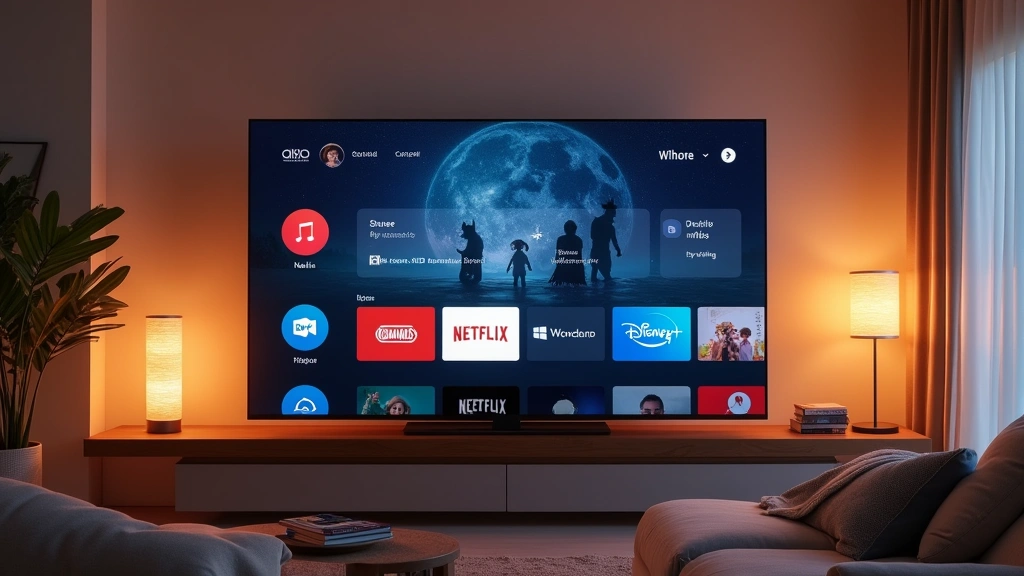
The smart TV market has experienced explosive growth over the past decade, with manufacturers racing to embed streaming capabilities, voice assistants, and AI-powered features directly into television sets. Yet a growing segment of tech enthusiasts and industry analysts are asking a provocative question: are smart TVs becoming obsolete before they’ve even reached mainstream maturity? This comprehensive analysis examines the current state of smart TV technology, explores emerging alternatives, and determines whether these connected devices still hold relevance in 2024 and beyond.
Smart TVs were supposed to simplify home entertainment by eliminating the need for external streaming devices. Instead, they’ve created a fragmented ecosystem where manufacturers prioritize proprietary platforms, bloatware, and data collection over user experience. Meanwhile, dedicated streaming devices like Apple TV 4K, Roku Ultra, and NVIDIA Shield have continued to innovate with superior performance, cleaner interfaces, and longer software support cycles. The question isn’t whether smart TVs are dead—it’s whether they’re worth buying when superior alternatives exist.
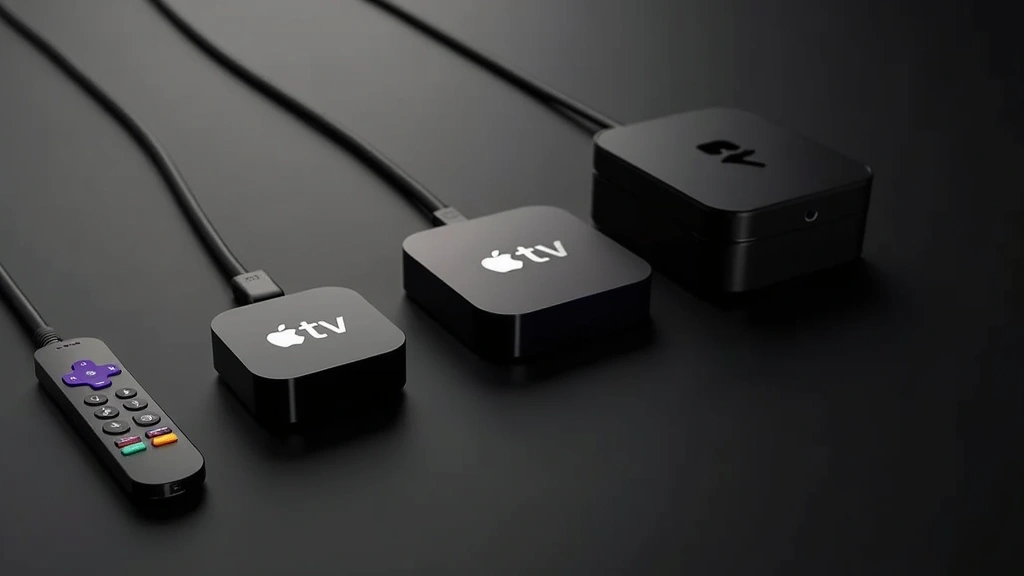
The Rise and Fall of Smart TV Promises
When Samsung, LG, and Sony first introduced smart TV technology through TechPulse Hunter’s coverage, the pitch was revolutionary: a single device that would handle all your entertainment needs. No more external boxes cluttering your entertainment center. No more HDMI cable management nightmares. Just a television that natively understood Netflix, Hulu, Disney+, and dozens of other platforms. The reality has proven far messier.
Manufacturers quickly discovered that embedding smart functionality directly into televisions presented significant engineering challenges. TVs have 7-10 year expected lifespans, but the processors powering their smart platforms become outdated within 2-3 years. Software bloat accumulates as manufacturers add features without removing legacy code. The result is a device that feels snappy on day one but becomes sluggish and unresponsive by year three.
The financial incentive structure has also corrupted the smart TV experience. Unlike dedicated streaming devices sold at modest margins, television manufacturers view the smart platform as a data collection opportunity. Every button press, every pause, every search query feeds recommendation algorithms and advertising systems. This creates perverse incentives to prioritize data extraction over user interface quality.
Performance Limitations That Matter
Technical specifications reveal why smart TVs struggle against dedicated alternatives. Most mid-range smart TVs ship with processors designed for basic web browsing and video playback, not complex applications. A typical 2024 LG or Samsung smart TV might include a quad-core ARM processor clocked at 1.5GHz with 2-3GB RAM—specifications that would have been considered entry-level for smartphones five years ago.
These underpowered components create noticeable user experience degradation. App loading times stretch to 5-10 seconds. Switching between applications causes brief freezes. 4K streaming at 60fps with HDR often triggers performance hiccups. The Verge’s extensive testing consistently shows that flagship streaming devices outperform integrated smart TV platforms by measurable margins.
Consider the Apple TV 4K, which uses Apple’s custom-designed A15 Bionic chip—the same processor found in iPhone 13 Pro. This delivers 2-3x faster app launching, smoother 4K 120fps gaming support, and seamless multitasking. NVIDIA Shield Pro employs an even more powerful custom processor optimized specifically for streaming and gaming workloads. When you’re spending $1,500-$3,000 on a television, relegating the smart platform to decade-old mobile processor architecture seems like poor value allocation.
Software Updates and Obsolescence
Perhaps the most damning critique of smart TVs concerns software support timelines. Most manufacturers promise 3-4 years of OS updates, with many TVs receiving zero meaningful feature updates after year two. Security patches become sporadic. Apps gradually cease compatibility as their backend infrastructure advances.
By contrast, Apple provides iOS updates to iPhones for 6-7 years. Google commits to 3 years of major Android updates and 4 years of security patches for Pixel devices. Roku devices often receive updates for 5+ years. This creates a situation where your $2,000 television becomes a security liability before the warranty expires.
The fragmentation across smart TV platforms compounds this problem. Samsung’s Tizen OS, LG’s webOS, Sony’s Google TV, and TCL’s Roku TV each operate as separate ecosystems with different update schedules and feature sets. An app that works flawlessly on one platform might crash constantly on another. Developers must maintain multiple code bases, reducing their incentive to optimize for any single platform.
This contrasts sharply with dedicated streaming devices, where manufacturers control both hardware and software. When Apple releases a tvOS update, every Apple TV 4K benefits from identical improvements and security enhancements. The device becomes more capable over time rather than gradually deteriorating.
The Streaming Device Alternative
The case for dedicated streaming devices has strengthened considerably over the past 18 months. The CNET review database demonstrates that premium streaming devices now offer features completely absent from smart TV platforms.
Apple TV 4K supports gaming through Apple Arcade, enabling console-quality titles on your television. It integrates seamlessly with HomeKit for whole-home automation. It offers lossless audio, Dolby Vision, and spatial audio features that elevate movie watching to cinematic levels. Most importantly, it receives major software updates annually, ensuring long-term relevance.
Roku Ultra provides exceptional value at lower price points while maintaining comprehensive streaming platform support. Roku’s official specification pages highlight its extensive app ecosystem—over 10,000 channels—and industry-leading compatibility with emerging streaming services.
NVIDIA Shield Pro targets enthusiasts willing to invest in premium hardware. Its custom processor enables 8K support, advanced gaming capabilities, and Plex server functionality. For home theater aficionados, Shield Pro delivers features that no smart TV can match, including support for obscure audio codecs and advanced video processing options.
The financial argument also favors streaming devices. A $150-$200 Roku or Fire TV Stick provides superior performance to smart TV platforms costing $500+ more. If your smart TV’s platform disappoints, you can replace the streaming device for a fraction of replacement television costs. This modularity creates flexibility that integrated smart TVs cannot match.
Smart TV Advantages Still Worth Considering
Despite these criticisms, smart TVs retain legitimate advantages in specific scenarios. For casual users who want straightforward entertainment without technical complexity, smart TV simplicity remains appealing. No additional boxes to purchase. No extra remote controls. The platform is built-in and ready immediately upon setup.
Budget-conscious consumers should also recognize that mid-range smart TVs have become genuinely competent. A $600-$900 Samsung or LG TV with integrated Roku or Google TV platform handles basic streaming adequately. Performance isn’t exceptional, but it’s sufficient for Netflix, Prime Video, and YouTube consumption. The convenience premium might justify the trade-off for non-enthusiasts.
Additionally, the latest smart TV innovations demonstrate that manufacturers are attempting to address historical complaints. Mini-LED and QD-OLED display technologies have genuinely improved picture quality. Some manufacturers are extending software support commitments to 5-7 years. AI-powered upscaling algorithms enhance lower-resolution content more effectively each generation.
The ecosystem integration argument also carries weight for users already invested in specific platforms. Samsung’s SmartThings integration, LG’s AI ThinQ compatibility, and Sony’s PlayStation integration create value for users who embrace broader smart home ecosystems. If you’re already using these platforms extensively, the integrated approach reduces friction.
Future Outlook for Connected Televisions
The trajectory suggests smart TVs will neither disappear nor reclaim dominance. Instead, they’ll occupy a middle ground: acceptable for mainstream consumers, but increasingly abandoned by enthusiasts and power users. This mirrors the smartphone market, where integrated solutions dominate for casual users while power users maintain greater flexibility through modular approaches.
Manufacturers are likely to improve by embracing openness rather than proprietary lock-in. The adoption of Google TV across multiple brands (Sony, TCL, Hisense) represents progress toward standardization. If this trend continues, smart TV software fragmentation might diminish, improving the platform’s viability.
Artificial intelligence represents another potential inflection point. AI applications are transforming entertainment through improved content recommendations, real-time scene analysis, and voice interface sophistication. Smart TVs with purpose-built AI processors could differentiate themselves from streaming devices if executed thoughtfully.
However, the fundamental challenge remains: television replacement cycles extend far longer than technology refresh cycles. Even if smart TVs improve dramatically, users who purchased devices 3-5 years ago will feel increasingly frustrated. This creates natural momentum toward external streaming devices that users can upgrade independently of their television purchase.
For investors evaluating technology stocks in the consumer electronics space, smart TV platforms represent declining strategic importance. The real value in home entertainment is shifting toward specialized streaming devices, content platforms, and AI-powered recommendations—not the television hardware itself.
FAQ
Are smart TVs worth buying in 2024?
Smart TVs are worth buying primarily for their display technology, not their integrated platforms. Purchase based on panel quality, brightness, contrast ratio, and refresh rates. View the smart TV platform as a bonus feature, not the primary value proposition. If the smart platform disappoints, you can always add a superior streaming device.
Which smart TV platform is best?
Google TV has emerged as the strongest platform due to Google’s resources and commitment to regular updates. Roku TV offers excellent value and extensive app support. LG’s webOS remains responsive and user-friendly. Samsung’s Tizen has improved but lags behind competitors. Avoid older proprietary platforms when possible.
Should I buy a dedicated streaming device or smart TV?
If you’re a casual viewer watching primarily Netflix and basic streaming services, a smart TV’s integrated platform suffices. If you care about performance, long-term support, gaming capabilities, or emerging features, a dedicated streaming device is superior. The ideal approach: purchase a television for its display quality, then add a premium streaming device like Apple TV 4K or Shield Pro.
How long do smart TV platforms receive updates?
Most manufacturers commit to 3-4 years of OS updates with sporadic security patches thereafter. Premium brands like LG and Samsung sometimes extend to 5 years. This is significantly shorter than dedicated streaming devices, which often receive updates for 6-7+ years. Plan accordingly when evaluating long-term ownership costs.
Will smart TVs become obsolete?
Smart TVs won’t become completely obsolete, but they’ll become increasingly irrelevant for tech-conscious consumers. The trajectory mirrors DVD players—still functional and widely owned, but no longer considered primary technology. Most future television purchases will likely emphasize display quality while relying on external streaming devices for platform functionality.