Essential Brake Tech Tools: Expert Picks Inside
Modern brake systems have evolved far beyond simple mechanical components. Today’s vehicles integrate sophisticated electronic braking technology, advanced diagnostics, and precision engineering that demands specialized tools for proper maintenance and repair. Whether you’re a professional mechanic working in a busy shop or an enthusiast tackling brake work in your garage, understanding which brake tech tools deliver the best results is crucial for safety and efficiency.
The automotive industry has witnessed a dramatic shift toward brake-by-wire systems, regenerative braking, and integrated electronic stability control. This technological advancement means that traditional brake bleeding kits and basic calipers no longer suffice. Modern technicians need access to diagnostic scanners, pressure testing equipment, and specialized adapters that can interface with vehicle manufacturer specifications. Our comprehensive guide explores the essential brake tech tools that professionals recommend, breaking down their capabilities, accuracy ratings, and real-world applications.
Diagnostic Scanners and Code Readers
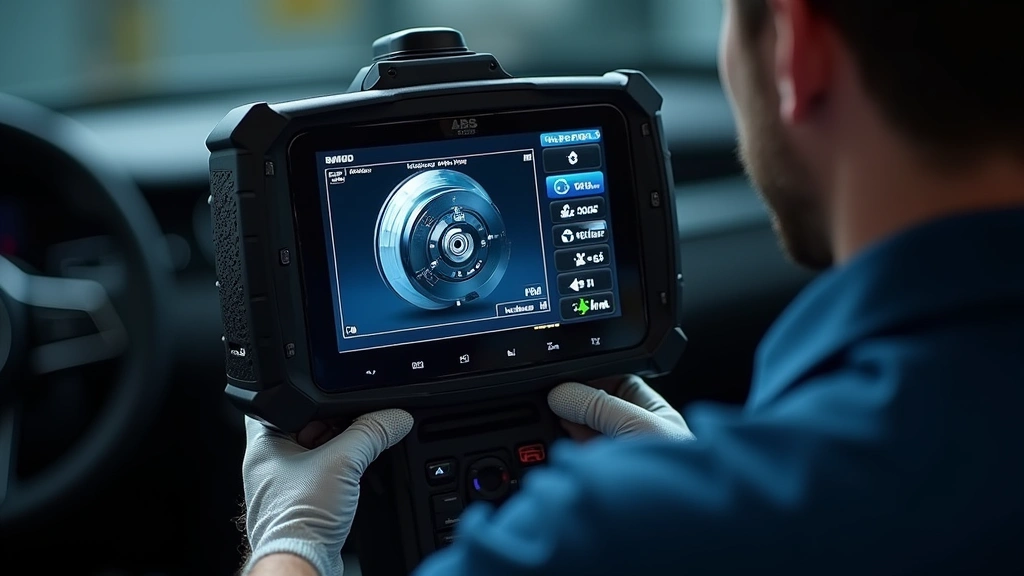
The foundation of modern brake system diagnostics rests on advanced scanning technology. Professional-grade diagnostic scanners have become indispensable tools for identifying brake system failures, electronic control module errors, and sensor malfunctions. Unlike basic code readers, comprehensive diagnostic scanners offer bi-directional control, allowing technicians to command brake components through various test scenarios and monitor real-time data streams.
Leading manufacturers like Bosch and Continental have developed integrated brake diagnostic platforms that interface directly with vehicle networks. These systems can read ABS error codes, evaluate traction control functionality, and assess electronic parking brake performance. The CNET automotive guide highlights that modern scanners with wireless connectivity enable remote diagnostics and cloud-based reporting, significantly reducing troubleshooting time.
When selecting a diagnostic scanner for brake work, look for models supporting multiple vehicle manufacturer protocols including CAN-bus, K-line, and J1850 standards. Entry-level professional scanners typically cost $500-$1,500, while comprehensive shop systems with full manufacturer database access range from $3,000-$10,000. The investment in quality diagnostic equipment directly correlates with faster brake repairs and reduced customer wait times.
Integration with your existing TechPulseHunter blog resources reveals that many independent shops now utilize cloud-connected diagnostic systems. These platforms automatically update with the latest vehicle specifications and recall information, ensuring technicians always have access to current brake system specifications and troubleshooting procedures.
Brake Pressure Testing Equipment
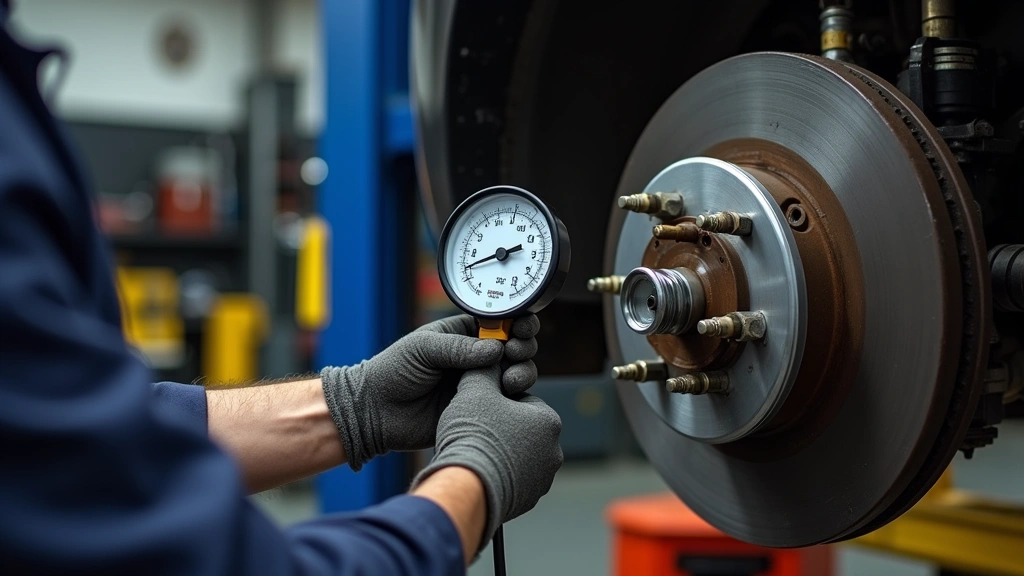
Accurate brake pressure measurement stands as a critical component in brake system diagnostics. Hydraulic brake systems operate under extreme pressure—typically between 800-1,200 PSI during normal braking—making precision testing equipment essential for identifying pressure loss, proportioning valve failures, and master cylinder degradation.
Digital brake pressure gauges represent a significant advancement over analog instruments. These tools feature high-resolution displays, data logging capabilities, and pressure spike detection that helps identify issues like brake proportioning valve stiction or ABS pump malfunction. Professional-grade pressure testing kits typically include multiple adapters for various brake line configurations, ensuring compatibility across domestic and imported vehicles.
The Verge’s technical analysis demonstrates that modern pressure transducers achieve accuracy within ±2% of true pressure values, far exceeding the ±5% tolerance of older analog gauges. This precision proves invaluable when diagnosing intermittent brake issues or validating repairs before vehicle release.
The testing procedure involves connecting pressure gauges to strategic points in the brake system: the master cylinder outlet, each wheel circuit, and the proportioning valve output. Technicians can then observe pressure response during various braking scenarios, identifying anomalies that indicate component failure. Digital data logging allows comparison against manufacturer specifications and documentation for customer records.
Quality pressure testing kits range from $200-$500 for basic professional setups to $1,200+ for advanced systems with wireless data transmission and integrated diagnostic capabilities. The return on investment becomes apparent after just a few complex brake diagnostics, where accurate pressure readings eliminate unnecessary component replacement.
Advanced Brake Bleeding Systems
Manual brake bleeding—the traditional gravity-bleed or two-person pedal-bleed method—has largely given way to pressurized bleeding systems that deliver superior results with significantly less labor time. These automated systems address the fundamental challenge of removing air from brake lines, which compromises hydraulic pressure transmission and creates soft, unreliable brake pedal feel.
Modern pressurized brake bleeders operate by applying controlled pressure to the master cylinder brake fluid reservoir, forcing fluid through brake lines and purging air bubbles. This approach proves particularly effective on vehicles equipped with ABS systems, where traditional gravity bleeding often fails to fully purge air from the ABS pump and modulator.
The Haynes technical specifications indicate that pressure-bleed systems can complete full system bleeding in 15-20 minutes, compared to 45-90 minutes for manual methods. This efficiency gain translates directly to reduced labor costs and faster vehicle turnaround times.
Key features to evaluate when selecting a brake bleeding system include:
- Pressure range: 15-20 PSI for most domestic vehicles, up to 25-30 PSI for European performance models
- Fluid capacity: Larger reservoirs reduce refilling frequency during extended bleeding operations
- Adapter compatibility: Universal adapters accommodate various master cylinder designs and brake fluid reservoir configurations
- Safety features: Pressure relief valves prevent over-pressurization and potential master cylinder damage
- Portability: Compact designs enable convenient shop mobility and mobile brake service applications
Investment in quality brake bleeding equipment typically ranges from $300-$800 for professional-grade systems. When calculated across a shop’s annual brake service volume, the labor time savings easily justify this expense, often recovering the equipment cost within 6-12 months of operation.
Precision Measurement and Inspection Tools
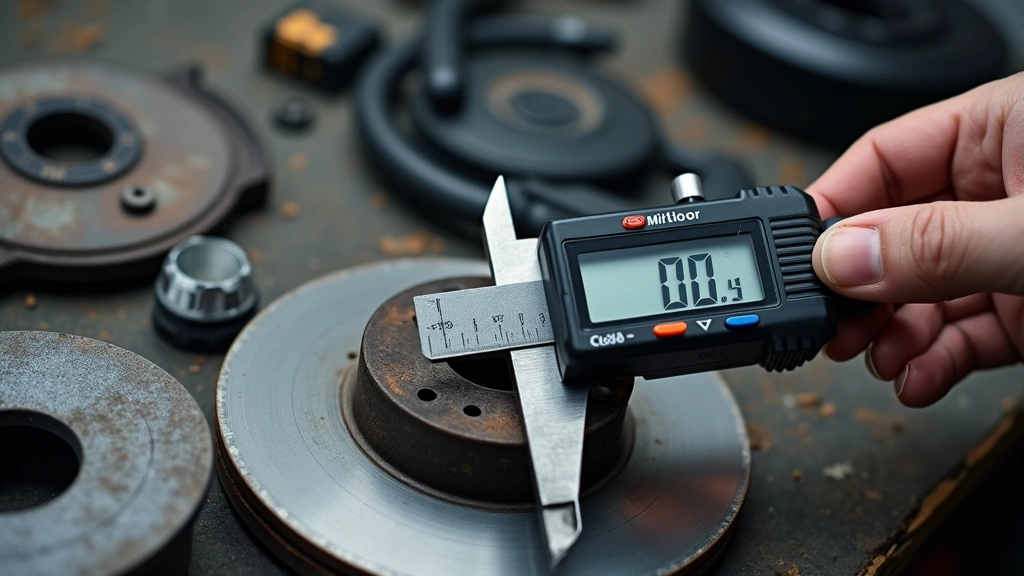
Brake system maintenance demands precise measurement capabilities for rotor thickness, pad wear, and component clearances. Digital calipers and brake rotor micrometers enable technicians to verify components meet manufacturer specifications before reassembly, preventing premature failures and warranty issues.
Rotor thickness measurement represents perhaps the most critical measurement in brake maintenance. Manufacturers specify minimum thickness limits—typically 0.125 inches below the original thickness—beyond which rotors must be replaced rather than resurfaced. Precision micrometers accurate to ±0.001 inches ensure accurate measurements that protect vehicle safety.
Digital brake pad wear indicators and thickness gauges provide quick assessment of remaining pad material without requiring caliper removal. This capability proves invaluable for pre-purchase inspections and predictive maintenance planning. Quality digital measurement tools cost $50-$200 but deliver accuracy that prevents costly mistakes.
Visual inspection equipment has also advanced significantly. LED inspection lights with articulating arms and magnetic bases illuminate brake components in cramped wheel wells, while bore scopes enable internal examination of brake drums, wheel cylinders, and brake hose conditions without complete disassembly.
Professional shops increasingly invest in automated brake measurement systems that use computer vision and laser measurement to assess rotor parallelism, run-out, and thermal damage patterns. These systems provide detailed reports documenting component conditions and supporting warranty claims when brake failures occur.
Electronic Brake Control Systems
The integration of artificial intelligence applications extends into brake system diagnostics and control. Modern vehicles employ sophisticated electronic control units that continuously monitor brake system performance, adapting brake force distribution based on vehicle dynamics, road conditions, and driver input.
Advanced brake control systems require specialized diagnostic tools that can communicate with multiple integrated control modules. These systems manage functions including:
- Anti-lock braking (ABS): Prevents wheel lockup during hard braking through rapid pressure modulation
- Electronic stability control (ESC): Applies individual wheel brakes to maintain directional stability during cornering or emergency maneuvers
- Traction control: Modulates engine power and applies brake force to prevent wheel slip during acceleration
- Brake force distribution: Automatically adjusts brake pressure between front and rear axles based on vehicle load and deceleration rate
- Regenerative braking: Captures kinetic energy during braking in hybrid and electric vehicles, converting it to electrical energy
Technicians working with these systems must understand the complex interactions between mechanical brake components and electronic control modules. A single sensor malfunction or software glitch can trigger multiple fault codes affecting braking performance and vehicle safety.
Professional diagnostic equipment must support manufacturer-specific control strategies and software updates. Many premium automotive brands require dealership-level diagnostic access for certain brake system repairs, necessitating investments in brand-specific scan tools or subscriptions to remote diagnostic services.
The cost of comprehensive electronic brake diagnostic capabilities ranges from $2,000-$8,000 for independent shops, with ongoing subscription fees for software updates and technical support. However, this investment becomes essential for shops serving vehicles with integrated brake-by-wire systems, which represent an increasing percentage of new vehicle sales.
Safety and Protective Equipment
Brake system maintenance exposes technicians to hazardous materials and high-pressure systems requiring appropriate protective equipment. Modern brake fluids contain toxic compounds that can cause serious health effects through skin absorption or inhalation. Brake dust contains asbestos in older vehicles and crystalline silica in newer formulations, both recognized carcinogens requiring respiratory protection.
Essential safety equipment includes:
- Nitrile gloves: Protect against brake fluid exposure and contamination
- Respiratory protection: N95 or P100 respirators filter brake dust during pad and rotor service
- Eye protection: Safety glasses prevent brake fluid splashing and dust particle contact
- Work surface containment: Absorbent pads and drain pans prevent brake fluid spills and environmental contamination
- Spill cleanup supplies: Specialized absorbent materials for brake fluid cleanup, preventing water contamination of storm drains
Brake fluid disposal requires careful handling due to its hygroscopic nature—it absorbs water from air and surroundings, compromising brake system performance. Proper disposal through licensed waste management facilities prevents environmental contamination and ensures regulatory compliance.
Shop safety protocols should mandate brake dust containment through wet cleaning methods or HEPA-filtered vacuum systems. These practices protect technician health while complying with OSHA regulations governing occupational exposure to hazardous materials. Investment in proper safety equipment and procedures costs far less than addressing health-related workers compensation claims.
FAQ
What diagnostic scanner features are essential for brake system work?
Professional brake diagnostics require scanners supporting real-time data stream monitoring, bi-directional control for component testing, and comprehensive ABS/ESC system access. Look for tools compatible with multiple vehicle manufacturer protocols and supporting freeze frame data capture for intermittent fault diagnosis.
How often should brake pressure testing be performed?
Pressure testing should be performed whenever brake system work is undertaken, whenever soft pedal conditions are reported, or when ABS system faults are indicated. Annual preventive testing can identify early pressure loss indicating seal wear or component degradation.
Can manual brake bleeding methods still be used on modern vehicles?
While possible, manual bleeding proves increasingly ineffective on vehicles equipped with ABS systems and complex brake proportioning architectures. Pressurized bleeding systems offer superior results, faster completion times, and reduced risk of incomplete air evacuation that compromises braking performance.
What training is required to work with electronic brake control systems?
Technicians should complete manufacturer-specific training covering the particular brake control system architecture in vehicles they service. Many premium brands require certification before authorizing diagnostic access to proprietary systems. General automotive technician certification through ASE provides foundational knowledge applicable across multiple vehicle platforms.
How can independent shops stay current with evolving brake technology?
Subscribe to manufacturer technical bulletins and service updates, participate in continuing education through professional organizations like ASE, and maintain relationships with tool and equipment distributors who provide training on new diagnostic capabilities. Consider joining automotive repair networks that share technical information across member shops.
What’s the typical lifespan of brake tech tools?
Quality diagnostic scanners typically remain functional for 7-10 years, though software updates may require subscription fees. Pressure testing equipment and measurement tools often last 10-15 years with proper maintenance. Plan for periodic tool replacement and budget accordingly to maintain competitive service capabilities.
Are there budget-friendly alternatives for small shops?
Many diagnostic tool manufacturers offer tiered product lines with entry-level options for independent technicians. Consider starting with basic code readers and pressure gauges, upgrading to comprehensive systems as your business grows. Some shops utilize remote diagnostic services or mobile app-based tool integration to reduce upfront capital investment.
How does brake technology relate to broader tech industry trends?
Brake system advancement mirrors trends across the technology sector, including best tech stocks driven by autonomous vehicle development and electrification. Understanding technology in renewable energy innovations helps contextualize why electric vehicle regenerative braking systems represent the future of brake technology.


