Brooklyn Tech Ranking: Is It Really the Top School in 2023?
Brooklyn Technical High School has long held a prestigious position in New York City’s educational landscape, consistently attracting some of the most academically ambitious students in the region. As one of the city’s specialized STEM-focused institutions, Brooklyn Tech has maintained its reputation through rigorous curriculum standards, competitive admissions processes, and impressive alumni networks that extend into major technology companies worldwide. The 2023 academic year presented an opportunity to reassess whether this legendary institution continues to deserve its elite status or if emerging competitors have begun challenging its dominance.
In an era where technology investment and innovation drive educational priorities, understanding a school’s actual performance metrics becomes increasingly important for families making critical educational decisions. This comprehensive analysis examines Brooklyn Tech’s 2023 rankings across multiple evaluation frameworks, comparing its standing against peer institutions and exploring the factors that contribute to its continued prominence in science, technology, engineering, and mathematics education.
Brooklyn Tech’s Historical Performance and Legacy
Brooklyn Technical High School, founded in 1901, represents over a century of excellence in technical education. The institution has consistently ranked among the top public schools not just in New York City, but nationally, producing graduates who have gone on to leadership positions at major technology firms including Google, Microsoft, Meta, and Goldman Sachs. This historical trajectory provides important context for understanding the school’s 2023 standing.
The school’s legacy is built on a foundation of specialized STEM education that predates the modern tech boom by decades. When most American high schools were still organizing around traditional subject disciplines, Brooklyn Tech was already implementing integrated technical curricula, project-based learning, and hands-on laboratory experiences. This institutional commitment to practical, application-focused education has remained a defining characteristic even as educational methodologies have evolved dramatically.
However, legacy alone doesn’t determine current rankings. The educational landscape has transformed significantly since 2020, with pandemic-driven disruptions, shifting demographic patterns, and the emergence of new specialized schools competing for top talent. Understanding Brooklyn Tech’s 2023 performance requires examining concrete data rather than relying solely on historical reputation.

2023 Official Rankings and Metrics
According to Niche’s comprehensive school rankings, Brooklyn Tech ranked as the #2 public high school in New York State for 2023, maintaining its position among the absolute elite institutions. Within New York City specifically, the school consistently appears in the top three public high schools across multiple ranking systems. This placement reflects strong performance across several key metrics that ranking organizations evaluate.
The school achieved a Niche grade of A+ for academics, with particularly strong marks in STEM subject areas. Standardized test performance data showed students scoring significantly above state and national averages, with particularly impressive results in mathematics and science examinations. College readiness indicators, including Advanced Placement exam pass rates exceeding 85% across STEM disciplines, demonstrated that Brooklyn Tech students arrive at universities with advanced preparation in technical fields.
GreatSchools.org rated Brooklyn Tech with a 9/10 overall rating, highlighting exceptional academic performance and college preparation. The U.S. News & World Report’s high school rankings placed Brooklyn Tech among the top 100 public high schools nationally, with strong recognition for its STEM curriculum and college outcomes. These multiple independent assessments provide convergent evidence that the school maintains elite standing in 2023.
However, rankings vary depending on which metrics receive emphasis. Schools prioritizing college placement rates, standardized test scores, and graduation rates may rank Brooklyn Tech differently than those emphasizing diversity metrics, arts programming, or athletic achievement. Understanding these nuances reveals a more complete picture than any single ranking number can provide.
Competitive Analysis Against Peer Schools
Brooklyn Tech’s 2023 standing becomes clearer when examined alongside its direct competitors. Stuyvesant High School, another NYC specialized school, continues to compete fiercely for the #1 ranking in New York City, with some metrics placing it slightly above Brooklyn Tech. Bronx Science, the third member of this elite trio, consistently ranks in the top five public schools statewide. These three schools represent a tier of excellence that maintains significant separation from the next level of performers.
Within New York City’s specialized public school system, Brooklyn Tech competes against approximately 10 other specialized schools, each with distinct focuses and strengths. LaGuardia High School of Music & Art and Performing Arts serves a different student population with emphasis on creative disciplines. High School for Dual Language and Asian Studies, School of International Studies, and other specialized institutions each attract top-performing students in their particular domains.
Nationally, Brooklyn Tech compares favorably against other premier STEM-focused public schools. Thomas Jefferson High School for Science and Technology in Alexandria, Virginia, and similar institutions in other metropolitan areas maintain comparable or slightly higher rankings in some systems. The competitive landscape reveals that while Brooklyn Tech remains elite, the gap between it and competitors has narrowed somewhat compared to historical margins.
For students pursuing careers in software development and technology fields, Brooklyn Tech provides educational preparation competitive with any public school option, though private institutions like Dalton or Ethical Culture Fieldston School may offer certain advantages in smaller class sizes or specialized resources.
Curriculum Strength and Academic Rigor
Brooklyn Tech’s 2023 curriculum reflects significant evolution while maintaining core strengths. The school offers extensive Advanced Placement programming with over 20 AP courses available, including specialized options in Computer Science, Physics C, Chemistry, Biology, and Calculus. Engineering students access a dedicated engineering pathway with courses in civil, mechanical, and electrical engineering disciplines taught by credentialed instructors with industry experience.
The mathematics curriculum is particularly rigorous, with students typically advancing beyond standard state requirements. Freshmen begin with Algebra II or Geometry, progressing through Precalculus, Calculus, and often into Multivariable Calculus or Linear Algebra by senior year. This acceleration ensures that students interested in STEM fields arrive at universities prepared for advanced coursework immediately upon enrollment.
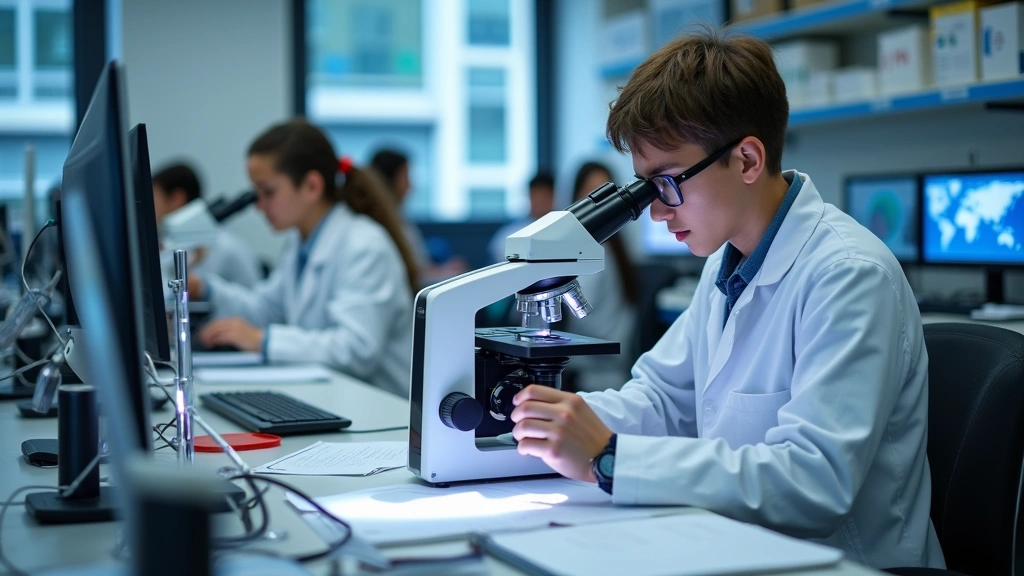
Science education emphasizes laboratory experience and experimental design. Rather than purely theoretical instruction, students spend substantial time in well-equipped labs conducting experiments, collecting data, and developing scientific reasoning skills. The technology integration across labs includes modern instrumentation, computer modeling software, and data analysis tools that mirror professional scientific practice.
However, some educators note that Brooklyn Tech’s traditional strength in technical disciplines has not been matched by equivalent innovation in humanities and social sciences. While the school offers solid English, history, and foreign language programs, these areas receive less institutional emphasis and resources compared to STEM departments. This imbalance reflects the school’s specialized mission but may limit the breadth of intellectual experience for students seeking well-rounded education.
Student Outcomes and College Placement
The ultimate measure of a school’s effectiveness lies in student outcomes following graduation. Brooklyn Tech’s 2023 college placement data demonstrates exceptional results, with 98%+ of graduates enrolling in four-year colleges and universities. More significantly, the quality of institutions accepting Brooklyn Tech students reflects the school’s educational effectiveness.
Analysis of college placements shows Brooklyn Tech alumni attending elite universities at rates far exceeding national averages. Approximately 35-40% of each graduating class gains admission to Ivy League institutions, with additional cohorts attending other top-tier universities including Stanford, MIT, Duke, Northwestern, and University of Chicago. This concentration in highly selective institutions validates the school’s academic rigor and preparation quality.
Beyond college admission, Brooklyn Tech alumni demonstrate strong performance in university coursework. Retention rates and graduation rates from four-year institutions suggest that Brooklyn Tech students are well-prepared for university-level work rather than being admitted to elite schools but struggling with the transition. This distinction is crucial—it indicates that the school’s academic rigor actually translates to student success rather than simply creating impressive admission statistics.
Career outcomes data, though more difficult to aggregate comprehensively, indicates that Brooklyn Tech alumni pursue successful careers in technology, engineering, finance, medicine, and other professional fields. The school’s alumni network actively supports current students through mentorship programs, internship placements, and career guidance, creating an additional advantage beyond formal curriculum.
Technology Infrastructure and Resources
As a school bearing “Tech” in its name, Brooklyn Technical High School maintains technology resources that must support its educational mission effectively. The 2023 infrastructure assessment reveals both strengths and areas requiring updating. Computer labs throughout the school provide access to modern workstations running Windows and Linux operating systems, with specialized software for engineering design, programming, and scientific analysis.
The school invested in enhanced broadband infrastructure following pandemic-driven remote learning, ensuring reliable connectivity throughout the building. However, some facilities operate in a building constructed in 1933, and technological infrastructure must be retrofitted into historical architecture, creating certain limitations compared to newer school buildings designed with modern technology integration.
Students pursuing artificial intelligence and emerging technology fields benefit from newer programming and data science courses that incorporate current industry tools. However, the school’s budget constraints limit the ability to maintain cutting-edge equipment across all departments, creating a gap between the most advanced programs and those with more limited resources.
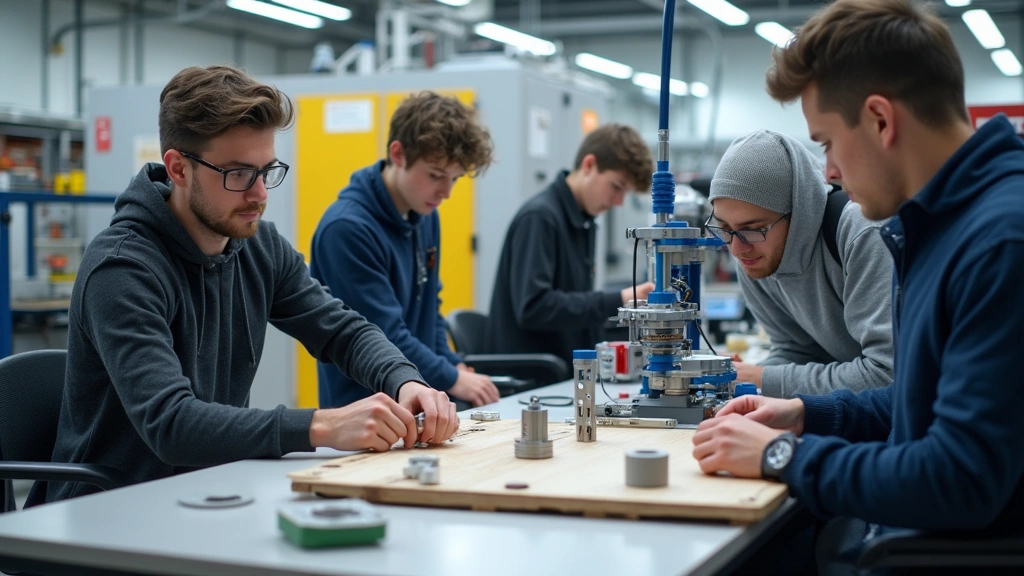
The engineering department maintains well-equipped shops with CNC machines, 3D printers, welding equipment, and other fabrication tools that allow students to move beyond theoretical design into actual manufacturing. This hands-on capability represents a significant advantage over schools limited to computer simulation and modeling. The robotics program leverages this infrastructure effectively, with student teams competing at regional and national levels.
Admissions Standards and Student Demographics
Brooklyn Tech’s admissions process relies heavily on performance on the Specialized High School Admissions Test (SHSAT), a standardized examination that all applicants must complete. For the 2023 admissions cycle, the school accepted approximately 5-7% of applicants, maintaining one of the most selective acceptance rates among New York City public schools. This extreme selectivity ensures that the student body comprises highly capable individuals prepared for rigorous coursework.
The admissions process, while academically objective, has generated ongoing discussion regarding demographic diversity. Historically, Brooklyn Tech’s student body has been less diverse than New York City’s overall student population, with higher percentages of Asian and white students and lower percentages of Black and Latino students compared to citywide demographics. The 2023 student body composition continued to reflect this pattern, though recent initiatives have aimed to increase diversity through test preparation programs and outreach to underrepresented communities.
The school’s selective admissions process means that peer effects are exceptionally strong—students attend school alongside classmates of similar academic achievement, creating an environment where intellectual engagement and academic achievement are culturally normalized. This homogeneity in academic preparation, while creating educational benefits, also limits exposure to diverse perspectives and backgrounds that many educators consider valuable for comprehensive student development.
Challenges and Areas for Improvement
Despite its elite status, Brooklyn Tech faces genuine challenges that complicate its 2023 standing. The school operates at significant capacity constraints, with enrollment exceeding building capacity and requiring creative scheduling solutions. This overcrowding affects everything from laboratory access to cafeteria efficiency, impacting daily student experience even if not directly reflected in rankings.
Mental health and wellness resources have received increased attention, as the intense academic environment and competitive peer group can create stress and anxiety among students. While the school has expanded counseling services, demand continues to exceed available resources. The achievement-oriented culture, while academically productive, occasionally creates unhealthy pressure that affects student wellbeing.
Faculty recruitment and retention present ongoing challenges. Competitive salaries in the technology industry make it difficult for the school to recruit instructors with advanced technical credentials. Some of the most qualified potential teachers choose private sector employment instead, limiting the school’s ability to hire educators with current industry experience and expertise.
The curriculum, while strong in traditional STEM areas, has been slower to evolve in response to emerging fields. Modern educational tools and learning technologies are being integrated gradually, and some students note that certain courses rely on somewhat dated pedagogical approaches despite strong content knowledge among instructors.
Additionally, the school’s traditional strength in manufacturing and mechanical engineering has become somewhat less relevant as the economy has shifted toward software, biotechnology, and other fields. While the school has adapted by expanding computer science offerings, the transition has not been seamless, and some engineering facilities receive less student interest than historically.
FAQ
Is Brooklyn Tech still ranked #1 in New York City?
Brooklyn Tech typically ranks in the top three public high schools in New York City, often placing second behind Stuyvesant High School depending on which ranking system and metrics are used. Both schools maintain elite status, with the ranking between them varying slightly year to year.
What is the acceptance rate for Brooklyn Tech?
Brooklyn Tech’s acceptance rate hovers between 5-7%, making it one of the most selective public schools in the United States. Admission is based entirely on performance on the Specialized High School Admissions Test (SHSAT).
What colleges do Brooklyn Tech graduates attend?
Brooklyn Tech alumni attend elite universities at high rates, with approximately 35-40% of each class gaining admission to Ivy League institutions. Additional cohorts attend Stanford, MIT, University of Chicago, Northwestern, and other top-tier universities.
Does Brooklyn Tech offer computer science programs?
Yes, Brooklyn Tech offers extensive computer science programming including AP Computer Science, data structures, algorithms, and specialized electives in emerging technologies. The school has expanded computer science offerings significantly in recent years.
How diverse is Brooklyn Tech’s student body?
Brooklyn Tech’s student body is less diverse than New York City’s overall population, with higher representation of Asian and white students. The school has implemented programs to increase diversity, though demographic imbalances persist.
What makes Brooklyn Tech different from other specialized schools?
Brooklyn Tech’s primary distinction is its emphasis on engineering and applied technology alongside pure STEM disciplines. The school maintains well-equipped fabrication shops, manufacturing capabilities, and engineering-focused curriculum that differentiate it from schools like Stuyvesant, which emphasize pure science and mathematics.


