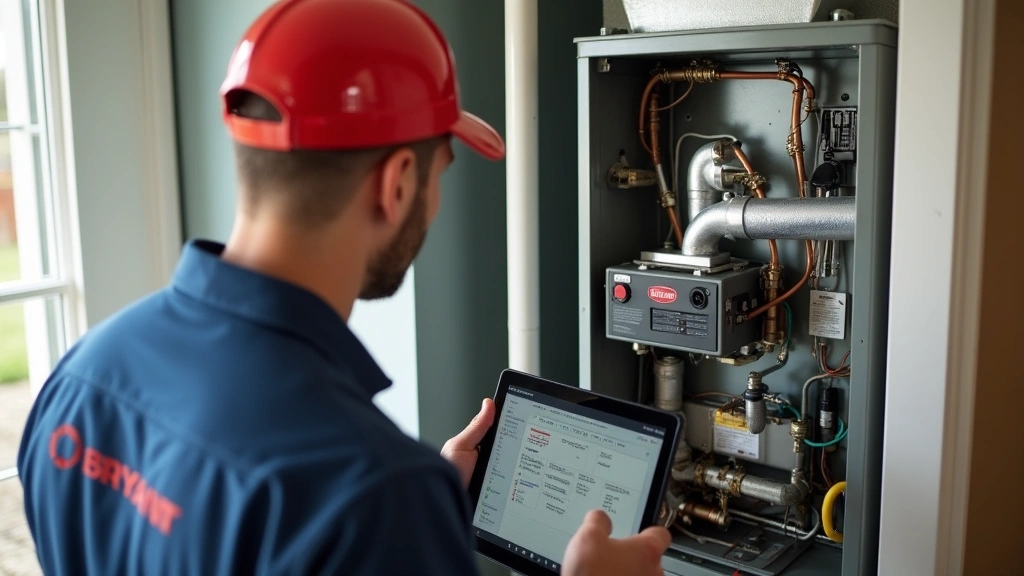
Bryant Tech Support: Reliable Help or Not? A Comprehensive Review
When you’re dealing with HVAC system issues or need assistance with Bryant heating and cooling equipment, the quality of technical support can make or break your experience. Bryant, as a major player in the climate control industry, offers multiple support channels to help customers troubleshoot problems, schedule maintenance, and resolve urgent issues. But is their tech support actually reliable, or does it fall short of expectations? This comprehensive review examines Bryant’s support infrastructure, response times, customer satisfaction metrics, and how it compares to competitors in the HVAC industry.
Whether you’re a homeowner with a malfunctioning furnace or a contractor managing multiple installations, understanding what to expect from Bryant tech support is crucial. We’ll dive deep into their phone support quality, online resources, warranty coverage, and what real customers are saying about their experiences. By the end of this analysis, you’ll have a clear picture of whether Bryant’s technical support lives up to the company’s reputation and your expectations.
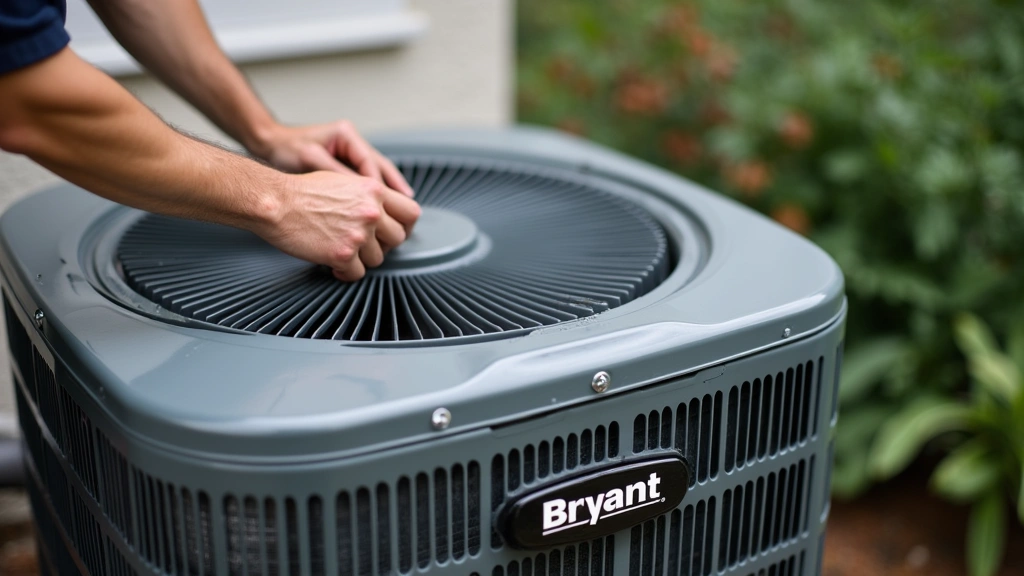
Bryant Tech Support Overview
Bryant, a subsidiary of Carrier Corporation, operates one of the largest HVAC support networks in North America. The company provides technical assistance across multiple channels including phone support, online chat, email, and their dedicated customer portal. With over 75 years of manufacturing experience in heating and cooling systems, Bryant has built an extensive knowledge base to support their products.
The company’s support structure is divided into different categories based on customer type: residential homeowners, commercial property managers, and licensed contractors. Each segment receives tailored support solutions designed to address their specific needs. Bryant’s commitment to staying current with technology trends extends to their support infrastructure, which has increasingly incorporated digital tools and remote diagnostic capabilities.
Bryant operates a tiered support system where basic questions are handled through automated systems and self-service portals, while complex technical issues are escalated to certified technicians. This approach aims to reduce wait times for urgent problems while providing accessible solutions for routine questions. The company also maintains relationships with authorized dealers and service centers nationwide, creating a distributed network for local support.

Phone Support and Response Times
Bryant’s phone support line is available during business hours, with extended hours during peak seasons. The company advertises average wait times of 10-15 minutes during standard hours, though actual experiences vary considerably based on seasonal demand. During winter months when heating systems are critical, wait times can extend significantly, sometimes reaching 30-45 minutes or longer.
One notable strength of Bryant’s phone support is the technical expertise of their representatives. Most technicians are well-trained in diagnosing HVAC issues and can often provide immediate solutions for common problems. They have access to comprehensive product databases and can pull up your specific system information if you have your model and serial numbers ready. However, the quality of support can be inconsistent, with some representatives providing thorough assistance while others offer only basic troubleshooting.
The phone support team can schedule service appointments through authorized dealers, provide warranty information, and escalate issues requiring specialized attention. For emergency situations, Bryant recommends contacting local authorized service dealers directly, as they can often respond faster than the main support line. This distributed approach makes sense geographically but can create confusion about which number to call for different types of issues.
Response time performance during non-peak hours is generally strong, with most calls connected within 5-10 minutes. However, during winter peak season or immediately after severe weather events, the system becomes overwhelmed. Bryant has acknowledged this limitation and continues investing in additional support staff, though the improvements have been gradual.
Online Resources and Self-Service Options
Bryant’s online support portal represents a significant investment in customer self-service capabilities. The company maintains an extensive library of product manuals, installation guides, troubleshooting documents, and video tutorials. For many common issues like filter replacement, thermostat programming, or basic error code interpretation, these resources provide quick solutions without requiring human interaction.
The online resource quality varies by product age. Newer systems have comprehensive digital documentation and video guides, while older models may have limited online material. Bryant’s website includes a searchable knowledge base organized by product category, making it relatively easy to find information if you know what you’re looking for. However, the search functionality could be more intuitive, and some documentation uses technical language that homeowners might struggle to understand.
Bryant recently launched an interactive troubleshooting wizard that guides users through diagnostic steps based on their symptoms. This tool has received positive feedback for its user-friendly interface and accurate problem identification. The wizard can often pinpoint issues and suggest fixes, potentially saving customers the time and expense of scheduling professional service for simple problems.
Mobile app functionality is available through Bryant’s customer portal, allowing users to access documentation and support resources from their smartphones. The app integration with connected systems provides real-time status updates and alerts for some newer models, though this feature is limited to Bryant’s premium product lines. The mobile experience is functional but not as polished as some competitors’ applications.
Warranty Coverage and Claims Process
Bryant offers comprehensive warranty coverage on their HVAC systems, typically including 10-year parts warranties on compressors and 5-year coverage on other components for residential installations. The warranty process itself is administered through authorized dealers and service providers, which creates both advantages and disadvantages for customers.
The advantage of this dealer-based system is that warranty work can often be completed locally without extensive back-and-forth communication with Bryant corporate. Authorized dealers have direct relationships with Bryant and can expedite parts shipments and technical consultations. However, the disadvantage is that warranty service quality depends heavily on your local dealer’s capabilities and responsiveness.
Filing warranty claims requires documentation of the original installation and proof of purchase, typically available through your dealer or from product registration records. Bryant’s warranty database is accessible to authorized service providers, allowing them to verify coverage without extensive paperwork. This system works smoothly when dealing with reputable dealers but can become complicated if your original dealer is no longer in business or unresponsive.
Extended warranty options are available through Bryant and third-party providers, offering coverage beyond the standard terms. These plans typically cost $500-$1500 depending on coverage scope and can provide valuable protection for systems beyond their initial warranty period. Before purchasing extended coverage, compare terms carefully and understand what’s actually covered, as limitations often apply to labor costs and certain components.
Contractor vs Homeowner Support
Bryant differentiates between support tiers, with contractors receiving priority treatment and access to specialized technical resources. Licensed HVAC contractors get dedicated phone lines with shorter wait times, access to contractor-only training materials, and priority parts ordering through distribution channels. This tiered approach makes business sense but can frustrate homeowners who feel deprioritized.
Contractors also receive technical bulletins and field updates before public release, allowing them to stay ahead of known issues and design improvements. Bryant’s contractor portal includes job management tools, inventory tracking, and integration with popular HVAC software platforms. These professional-grade resources justify the priority support contractors receive and reflect the company’s understanding that contractor satisfaction drives customer satisfaction.
Homeowners accessing tech support through dealer networks often receive better service than those calling Bryant directly, creating an incentive to work with authorized dealers. This arrangement benefits customers who choose reputable, established dealers but disadvantages those in areas with limited dealer options or those who prefer dealing directly with manufacturers. The quality of homeowner support ultimately depends on your local dealer’s capabilities and commitment to customer service.
Bryant has been gradually improving direct-to-homeowner support through their online portal and chat systems, recognizing that not all customers prefer dealer intermediaries. However, the company still encourages customers to work through authorized dealers for most service and support needs, maintaining the traditional HVAC industry distribution model.
Customer Satisfaction and Reviews
Overall customer satisfaction with Bryant tech support receives mixed reviews across various platforms. On the major tech industry tracking sites, Bryant typically scores between 3.5 and 4.2 out of 5 stars, with significant variation based on individual experiences. Common positive feedback highlights knowledgeable technicians, helpful online resources, and reliable products that rarely require support intervention.
Negative reviews frequently mention long hold times, inconsistent support quality, and difficulty reaching appropriate departments. Some customers report frustration with being transferred between departments or receiving conflicting information from different support representatives. During peak seasons, the volume of complaints increases substantially, suggesting that Bryant’s support infrastructure struggles under heavy demand.
Third-party review sites like Consumer Reports and J.D. Power give Bryant’s HVAC systems high reliability ratings, though support ratings are less impressive. The company’s reliability means fewer customers need tech support, which somewhat masks underlying support infrastructure issues. Customers who do need support during emergencies report the most negative experiences, as these situations often involve long wait times and urgent scheduling challenges.
Contractor feedback tends to be more positive than homeowner feedback, reflecting the prioritized support contractors receive. Professional installers appreciate Bryant’s technical resources, parts availability, and contractor support channels. However, even contractors sometimes complain about phone support wait times during peak periods and occasional difficulty reaching specialists for complex technical questions.
Comparison with Competitors
When compared to other major HVAC manufacturers like Carrier, Trane, and Lennox, Bryant’s tech support is roughly equivalent in quality and structure. All major manufacturers operate similar tiered support systems with dealer networks and phone support channels. However, some competitors have invested more heavily in digital support tools and mobile applications.
Trane, another Carrier subsidiary, offers comparable support but with slightly better phone support wait times in some regions. Lennox has invested heavily in digital tools and mobile app functionality, giving them an edge in self-service options. Independent studies show that Carrier (Bryant’s parent company) actually provides slightly better overall support satisfaction than Bryant branded services, though the difference is marginal.
Smaller manufacturers often provide more personalized support with direct access to engineers, but they typically have fewer local service options. Regional manufacturers may excel in specific geographic areas but lack the national infrastructure of major players like Bryant. For most customers, the choice between major manufacturers should be based on product quality and local dealer reliability rather than tech support differences, as these are relatively comparable.
Bryant’s integration within the Carrier family provides access to extensive technical resources and global support infrastructure. This backing ensures that Bryant maintains competitive support capabilities and can quickly address emerging issues across their product line. The parent company relationship also means Bryant can leverage artificial intelligence applications and advanced diagnostic tools being developed across the Carrier portfolio.
Common Issues and Solutions
The most frequently reported issues that trigger Bryant tech support calls include thermostat communication failures, refrigerant charging problems, compressor issues, and air flow restrictions. For thermostat problems, Bryant’s online resources provide excellent self-service solutions, with step-by-step guides for recalibration and battery replacement that resolve most issues without professional intervention.
Refrigerant-related problems typically require professional service, as they involve specialized equipment and EPA certification. However, Bryant’s tech support can often diagnose refrigerant issues through phone troubleshooting and advise whether the problem warrants emergency service or can wait for scheduled maintenance. The company provides clear guidance on identifying refrigerant leaks versus normal refrigerant charge loss over time.
Compressor failures are among the most expensive issues homeowners face, often requiring complete system replacement. Bryant’s warranty coverage typically protects against compressor failure, but the claims process can be lengthy. Tech support can confirm whether a compressor failure is warranty-eligible before authorizing service, potentially saving customers thousands in out-of-pocket costs.
Air flow problems often stem from dirty filters, blocked vents, or ductwork issues that tech support can help diagnose remotely. Bryant’s support team provides thorough guidance on filter replacement, duct cleaning, and identifying airflow obstructions. These relatively simple fixes, when properly diagnosed, prevent unnecessary service calls and keep systems running efficiently.
Error code interpretation represents another common reason for tech support contact. Bryant systems display diagnostic codes that mean little to untrained users. The company’s online knowledge base includes comprehensive error code definitions with troubleshooting steps, and phone support can quickly interpret codes and recommend appropriate action. This resource is particularly valuable for contractors who encounter unfamiliar error codes on systems they’re not regularly servicing.
Seasonal issues like reduced heating efficiency or air conditioning cooling problems often result from simple maintenance needs that tech support can address. Proper refrigerant charge levels, clean coils, and appropriate airflow settings significantly impact system performance. Bryant’s support team can walk customers through basic maintenance checks and determine whether professional service is necessary.
FAQ
What is Bryant’s phone support number and hours?
Bryant’s main support line operates during standard business hours, typically 8 AM to 5 PM EST Monday through Friday. The specific number can be found on your system documentation or the company website. For emergency service, contact your local authorized Bryant dealer directly, as they can often respond faster than the main support line.
How long is the typical wait time for Bryant tech support?
Average wait times range from 10-15 minutes during normal periods, but can extend to 30-45 minutes or longer during peak winter months. Contractors and service professionals typically experience shorter wait times through dedicated support lines. Using online chat or email support often results in faster response times than phone calls.
Does Bryant offer remote diagnostic capabilities?
Bryant’s newer systems with connected capabilities allow remote diagnostics through their online portal. However, traditional systems require phone-based troubleshooting or in-home service calls. The company is gradually expanding remote diagnostic capabilities across their product line, particularly for premium models.
What warranty does Bryant provide on new systems?
Standard warranties typically include 10-year compressor coverage and 5-year parts warranty on residential installations. Warranty terms vary based on product line and installation date. Extended warranties are available through Bryant and third-party providers for additional cost.
Can I get tech support without going through an authorized dealer?
Yes, Bryant offers direct phone support and online resources for homeowners. However, dealer networks handle most warranty service and local repairs. Direct support is most useful for troubleshooting and basic questions, while service appointments typically route through authorized dealers in your area.
How does Bryant tech support compare to other HVAC manufacturers?
Bryant’s support is roughly comparable to competitors like Carrier, Trane, and Lennox. All major manufacturers offer similar support structures with dealer networks and phone support. Specific advantages vary by manufacturer and region, so local dealer quality often matters more than the brand’s corporate support.
What should I have ready before calling Bryant tech support?
Gather your system model number, serial number, and installation date before calling. Have information about any error codes displayed, recent performance changes, and maintenance history available. This information helps technicians quickly diagnose issues and provide accurate solutions.
Does Bryant offer chat support or email support options?
Bryant provides online chat support through their website during business hours, typically with faster response times than phone calls. Email support is available but may take 24-48 hours for response. Chat support is most useful for quick questions and basic troubleshooting.


