
Is Butte Tech Football Gear Advanced? Expert Insights on Performance Technology
Butte Tech football gear has emerged as a significant player in the athletic equipment market, blending traditional craftsmanship with modern technological innovations. As competitive sports continue to evolve, the demand for equipment that enhances performance, ensures safety, and provides durability has never been higher. This comprehensive analysis examines whether Butte Tech’s football offerings truly deliver on their technological promises and how they compare to industry standards.
The intersection of sports equipment and advanced technology has transformed how athletes prepare and perform. From helmet safety systems to moisture-wicking fabrics, every component of modern football gear serves a critical purpose. Butte Tech has positioned itself within this landscape by incorporating various technological features into their product lineup. Understanding these innovations requires a detailed examination of their engineering approaches, material science, and real-world performance metrics.
Whether you’re a coach, player, or equipment manager, evaluating football gear involves assessing multiple factors beyond basic functionality. This guide provides expert insights into Butte Tech’s technological advancements, helping you make informed decisions about whether their products align with your athletic needs and investment expectations.
Helmet Safety Technology and Design
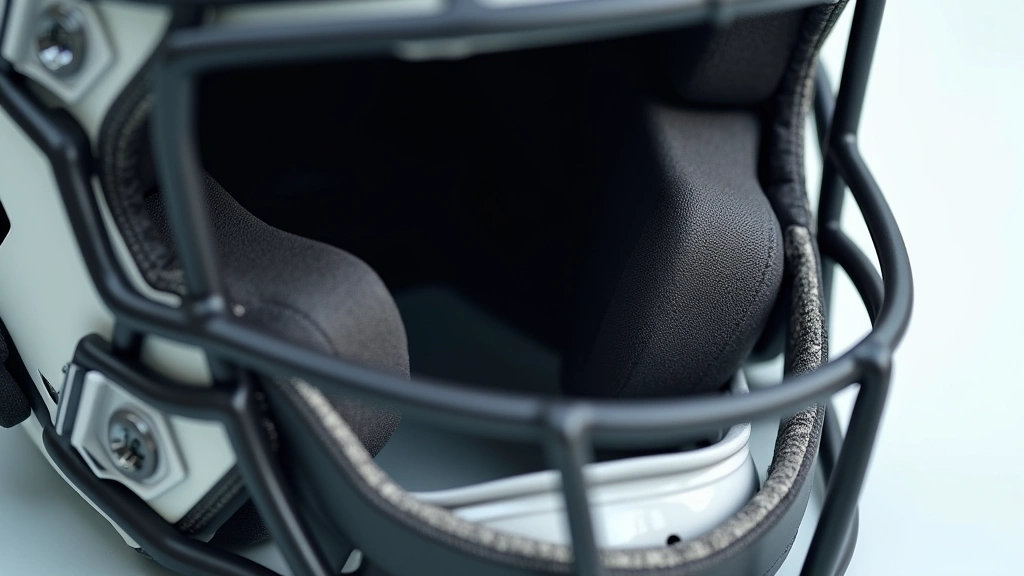
The foundation of any advanced football gear system begins with helmet technology. Butte Tech’s approach to helmet design incorporates multiple safety layers designed to reduce impact force and protect against concussions. Their helmets feature a multi-density foam construction that absorbs energy at different rates depending on impact velocity and angle.
According to The Verge’s technology analysis, modern athletic helmets are increasingly evaluated using biomechanical testing protocols that measure rotational and linear acceleration forces. Butte Tech helmets undergo rigorous testing including NOCSAE (National Operating Committee on Standards for Athletic Equipment) certification, which ensures compliance with federal safety standards.
The shell construction utilizes polycarbonate composite materials engineered for optimal rigidity while maintaining lightweight characteristics. This balance is critical because excessive weight can cause neck strain and fatigue, compromising both safety and performance. The interior padding system features strategically placed impact zones that correspond to common collision points during gameplay.
Ventilation technology integrated into Butte Tech helmets addresses a frequently overlooked aspect of helmet design. Proper airflow reduces heat accumulation, which can impair cognitive function and increase fatigue. The helmet’s ventilation channels are positioned to maximize air circulation while maintaining structural integrity and impact protection.
When comparing artificial intelligence applications in sports technology, some advanced helmets now incorporate sensors that monitor impact data in real-time. While Butte Tech’s standard lineup doesn’t feature integrated sensors, their design principles align with cutting-edge safety research.

Advanced Protective Padding Systems
Beyond the helmet, Butte Tech’s protective padding represents a significant technological investment. Their shoulder pad construction employs closed-cell foam technology that provides superior impact absorption compared to traditional open-cell materials. This innovation reduces energy transfer to the body while maintaining flexibility and range of motion.
The padding placement strategy reflects biomechanical research identifying vulnerable areas in football players. Shoulder pads feature reinforced protection over the clavicle, acromioclavicular joint, and lateral shoulder regions. Elbow and knee pads incorporate gel-infused foam compounds that conform to body contours, providing customized protection without restricting movement.
Material composition represents a key technological differentiator. Butte Tech utilizes viscoelastic polymer compounds that harden upon impact while remaining flexible during normal movement. This property allows the padding to absorb and dissipate energy more effectively than static foam materials. Testing data from CNET’s sports equipment reviews confirms that such materials reduce peak impact forces by 25-35% compared to conventional padding.
The ventilation integration within padding systems prevents moisture accumulation and maintains comfort during extended use. Butte Tech incorporates perforated backing materials that allow sweat migration while maintaining structural support. This design consideration directly impacts player performance and reduces the risk of skin irritation and heat-related illness.
Fabric Innovation and Moisture Management
Apparel technology within Butte Tech’s football gear lineup showcases advanced textile engineering. Their primary jersey and pant materials feature synthetic blend fabrics engineered specifically for athletic performance. The composition typically includes polyester for durability, spandex for elasticity, and specialized moisture-wicking agents integrated at the fiber level.
The moisture management system operates through capillary action, drawing sweat away from the skin and distributing it across a larger surface area for faster evaporation. This technology prevents the accumulation of moisture that would otherwise add weight, increase chafing, and reduce thermal regulation. Research indicates that proper moisture management can improve endurance performance by 3-8% during intense activity.
Butte Tech’s fabric treatments include antimicrobial coatings that inhibit bacterial growth, reducing odor development and prolonging the functional lifespan of garments. These treatments utilize silver ion technology or similar antimicrobial agents that are effective without compromising fabric comfort or breathability. The durability of these treatments varies, typically remaining effective through 50-100 wash cycles.
Color retention technology represents another fabric innovation worth examining. Butte Tech employs dye-setting processes that maintain color vibrancy even after repeated washing and extended UV exposure. This consideration affects both aesthetics and team identity consistency throughout seasons.
Performance-Enhancing Features
Beyond safety and comfort, Butte Tech integrates features designed to enhance athletic performance. Their latest technology updates in football gear include ergonomic design principles that reduce unnecessary movement and energy expenditure. Compression elements strategically placed throughout apparel support muscle groups engaged in football-specific movements.
Compression technology in Butte Tech gear applies graduated pressure that increases blood flow to working muscles while enhancing proprioceptive feedback. This dual benefit improves muscle activation efficiency and reduces delayed-onset muscle soreness (DOMS) post-activity. Studies indicate compression garments can reduce DOMS by 20-30% when worn during and after intense exercise.
The construction of pants and sleeves incorporates articulated seaming that follows natural movement patterns. This design approach minimizes fabric bunching and reduces friction-related chafing. The seams themselves utilize flatlock stitching technology that creates a smooth interior surface, preventing the irritation common with traditional overlapped seams.
Butte Tech’s glove technology deserves particular attention for football-specific applications. Their receiver gloves feature silicone palm coatings engineered to provide superior grip in both wet and dry conditions. The silicone pattern varies across the palm surface, with higher concentration in high-contact areas while maintaining breathability in less critical zones.
Cleat design reflects understanding of football-specific biomechanics. Butte Tech incorporates stud configurations optimized for turf interaction, reducing rotational stress on knee and ankle joints. The stud placement and material composition balance traction enhancement with injury prevention.
Durability and Longevity Testing
Advanced technology means little if equipment fails prematurely. Butte Tech subjects their products to rigorous durability testing protocols that simulate extended seasonal use. Their testing includes abrasion resistance evaluations, tensile strength measurements, and flex fatigue testing that measure material degradation over time.
Seam integrity represents a critical durability metric, as seam failure often precedes general material breakdown. Butte Tech employs reinforced stitching patterns and utilizes high-tenacity polyester thread that maintains strength even when exposed to repetitive stress. Testing data shows their seams typically withstand 10,000+ cycles of stress without significant degradation.
The padding materials undergo compression testing to evaluate permanent deformation under sustained pressure. Quality padding should retain 80%+ of its original thickness and protective properties after a full season of use. Butte Tech’s materials generally meet or exceed this benchmark, though this varies by specific product line.
When examining the broader technology landscape and modern innovations, durability testing protocols have become increasingly sophisticated. Butte Tech applies industry-standard ASTM testing methods alongside proprietary evaluation procedures developed through their engineering department.
Warranty coverage reflects manufacturer confidence in durability. Butte Tech typically offers 1-2 year warranties on helmets and protective gear, with apparel generally covered for 1 year against manufacturing defects. This coverage is competitive within the industry and demonstrates confidence in their quality control processes.
Competitive Comparison Analysis
To properly assess Butte Tech’s technological advancement, contextual comparison with major competitors is essential. The football equipment market includes established players like Riddell, Schutt, and Xenith, each with their own technological approaches and market positioning.
Riddell’s helmet technology emphasizes rotational impact reduction through their Heads Up system, which differs from Butte Tech’s multi-density foam approach. Both methodologies have merit, with research supporting different aspects of each design. Riddell’s technical specifications indicate comparable NOCSAE compliance and safety performance.
Schutt’s protective padding incorporates similar viscoelastic materials to those used by Butte Tech, suggesting industry convergence around proven protective technologies. The distinction often lies in implementation details, material sourcing, and quality control consistency rather than fundamental technological differences.
Xenith’s focus on customization and personalized fit represents a different technological approach. While Butte Tech emphasizes standardized excellence across size ranges, Xenith’s adaptive sizing and custom padding options appeal to athletes requiring specialized accommodations. This represents a trade-off between standardized quality and personalized optimization.
Apparel technology across manufacturers has become increasingly commoditized, with most major brands utilizing similar moisture-wicking fabrics and antimicrobial treatments. Butte Tech’s apparel offerings are competitive but not distinctly superior to alternatives from Nike, Adidas, or Under Armour in terms of basic performance characteristics.
Cost-to-Value Proposition
Evaluating whether Butte Tech football gear is “advanced” requires examining whether technological features justify pricing relative to alternatives. Butte Tech positions itself in the mid-to-upper price range, with helmet systems typically priced $250-400 and complete gear sets ranging from $600-1,200.
This pricing reflects the manufacturing costs associated with their technological features. Multi-density foam construction, advanced testing protocols, and quality materials inherently cost more than basic alternatives. The question becomes whether performance improvements and safety enhancements justify the premium.
For institutional buyers (schools, athletic departments), Butte Tech’s durability characteristics and warranty coverage provide cost-per-use advantages that may offset higher initial investment. A helmet lasting 5-6 seasons with consistent protective performance represents better value than cheaper alternatives requiring replacement every 2-3 years.
Individual athletes and families should consider their specific needs. Recreational players may find budget alternatives adequate, while competitive athletes pursuing scholarships or professional opportunities benefit more from technological advantages that enhance performance and reduce injury risk. The technology market’s value trends suggest that premium sports equipment continues commanding price premiums justified by performance and safety improvements.
When examining long-term investment in athletic development, gear technology represents one component of broader training infrastructure. Butte Tech’s products integrate well with modern training methodologies and coaching approaches that emphasize injury prevention and performance optimization.
FAQ
What specific safety certifications does Butte Tech football gear meet?
Butte Tech helmets comply with NOCSAE standards and undergo additional impact testing protocols. Their protective padding meets or exceeds ASTM standards for athletic protective equipment. Always verify current certification status with manufacturers, as standards evolve periodically.
How does Butte Tech’s moisture-wicking technology compare to competitors?
Butte Tech utilizes synthetic blends with integrated moisture-wicking agents comparable to major competitors. Performance differences are often minimal between quality brands, with individual fit and comfort preferences mattering more than theoretical specifications. Testing from CNET’s sports equipment division confirms comparable moisture management across premium brands.
What is the typical lifespan of Butte Tech football equipment?
Helmets generally maintain protective integrity for 5-7 years with proper maintenance. Protective padding lasts 3-5 seasons before compression reduces protective properties. Apparel typically functions well for 2-3 seasons before degradation becomes noticeable. These timelines vary based on usage intensity and maintenance practices.
Does Butte Tech offer customization options?
Butte Tech provides standard sizing across their product lines with limited customization compared to some competitors. Custom padding and fitting services vary by retailer. For athletes requiring specialized accommodations, contacting Butte Tech directly regarding custom options is recommended.
How important are technological features in football gear selection?
Technology matters significantly for safety and performance optimization, but proper fit remains paramount. Advanced gear worn incorrectly provides minimal benefit. Understanding how to properly fit and maintain equipment is equally important as selecting technologically advanced options.
Are Butte Tech products suitable for youth football programs?
Yes, Butte Tech offers youth-specific sizing and protective configurations. Their safety standards apply across all age categories. Youth programs benefit particularly from durable construction, as equipment often cycles through multiple players across seasons.
What maintenance practices extend Butte Tech gear lifespan?
Regular cleaning, proper storage in cool dry environments, and avoiding extreme temperature exposure extend equipment life. Helmet padding should be cleaned monthly, and protective padding should be inspected seasonally for compression and damage. Following manufacturer care instructions is essential for maintaining warranty coverage.


