Top Gadgets at Canadian Valley Vo-Tech Expo: El Reno’s Premier Tech Showcase
The Canadian Valley Vocational-Technical Center in El Reno, Oklahoma hosts one of the region’s most anticipated technology expos annually, drawing innovators, educators, and tech enthusiasts from across the state. This year’s showcase featured an impressive lineup of cutting-edge gadgets and devices that demonstrate the intersection of vocational training and emerging technology trends. From advanced robotics to smart industrial equipment, the expo highlighted how technical education institutions are preparing students for careers in an increasingly tech-dependent workforce.
Whether you’re an educator evaluating classroom technology investments, a student exploring career paths, or simply a gadget enthusiast, understanding the standout devices featured at this expo provides valuable insights into the tools shaping modern vocational education. This comprehensive review examines the most innovative gadgets that took center stage, analyzing their specifications, practical applications, and relevance to technical training programs.
Advanced Robotics and Automation Systems
The robotics segment at the Canadian Valley Vo-Tech expo demonstrated remarkable advancements in automation technology suitable for educational environments. Several manufacturers showcased collaborative robots (cobots) designed specifically for training purposes, featuring intuitive programming interfaces and safety-first designs that make them ideal for classroom settings.
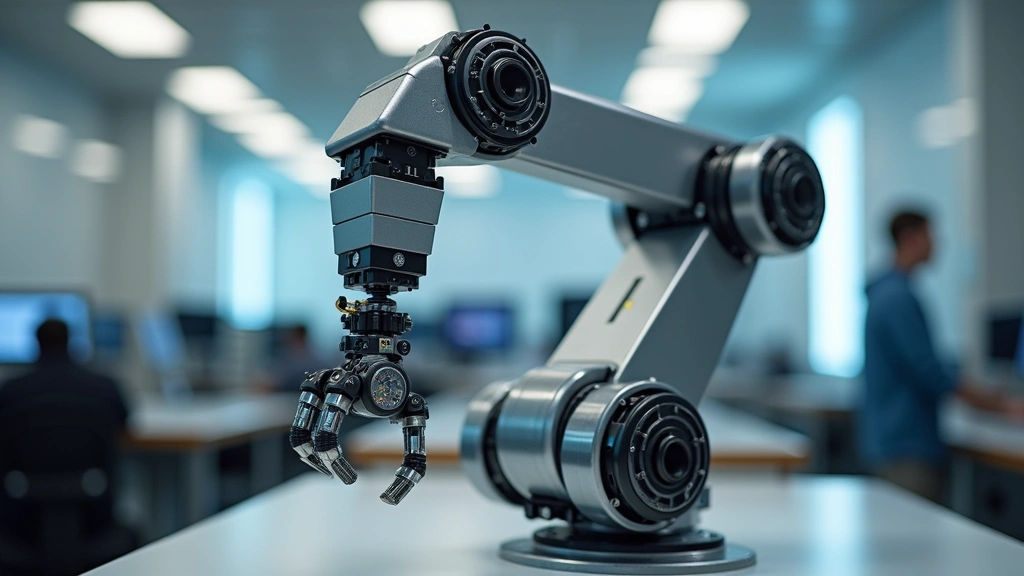
One standout device was a six-axis robotic arm with payload capacity of 10 kilograms, featuring integrated vision systems and force-feedback sensors. The system operates at speeds up to 1 meter per second and includes cloud connectivity for remote monitoring and programming. Students can learn fundamental robotics principles through hands-on manipulation, while the device’s modular architecture allows for customization as skill levels advance. The unit’s teach pendant interface simplifies complex programming tasks, reducing the learning curve for beginners while maintaining sophistication for advanced applications.
Another impressive showcase included autonomous mobile robots (AMRs) equipped with artificial intelligence applications for navigation and obstacle avoidance. These devices feature LIDAR sensors, multiple camera systems, and onboard processing capabilities. They’re particularly valuable for vocational programs because they demonstrate real-world logistics applications while remaining affordable enough for educational institutions. The AMRs showcased had battery life exceeding 8 hours and could navigate complex warehouse-style environments autonomously.
Drone technology also featured prominently, with several commercial-grade quadcopters on display. These units included thermal imaging cameras, 4K video recording, and flight times approaching 30 minutes. For vocational students, drones represent accessible entry points into aerospace technology and commercial applications in surveying, inspection, and agriculture.
Industrial IoT and Smart Equipment
The Internet of Things (IoT) segment showcased how connected devices are transforming industrial environments—knowledge critical for students entering modern technical fields. Multiple exhibitors demonstrated integrated sensor networks that monitor equipment performance in real-time, providing predictive maintenance capabilities that reduce downtime and operational costs.
Industrial sensor suites on display included temperature, humidity, pressure, and vibration monitors with wireless connectivity. These devices transmitted data to cloud dashboards where students could analyze trends and learn to identify equipment failures before they occur. The data collection systems featured edge computing capabilities, processing information locally while syncing to cloud platforms for comprehensive analysis. This dual-processing approach demonstrates important concepts in distributed computing and data management.
Smart power management systems represented another significant category, featuring devices that monitor electrical consumption across multiple circuits. These systems provide real-time analytics and historical trend data, helping facilities reduce energy costs while teaching students about renewable energy innovations integration. Several units displayed integration with solar panel systems and battery storage solutions.
One particularly notable device was an industrial-grade environmental monitoring station combining multiple sensors into a single network node. The unit measured air quality, temperature, humidity, light levels, and atmospheric pressure, transmitting data wirelessly to a central dashboard. With a range exceeding 300 meters and battery life of 12 months, it provides practical learning opportunities for students studying environmental science, facility management, or industrial operations.

Diagnostic and Testing Instruments
Precision measurement and diagnostic equipment featured prominently at the expo, reflecting the industry’s demand for technicians who can accurately troubleshoot complex systems. Digital multimeters on display ranged from basic models suitable for beginners to advanced instruments with wireless connectivity and data logging capabilities.
One standout diagnostic tool was a portable oscilloscope with 200 megahertz bandwidth and real-time sampling rates up to 2 gigasamples per second. This compact device, weighing under 2 kilograms, provides professional-grade measurement capabilities in a form factor suitable for field work. The unit featured color display, built-in waveform generator, and USB connectivity for data transfer—essential features for students learning electronics troubleshooting.
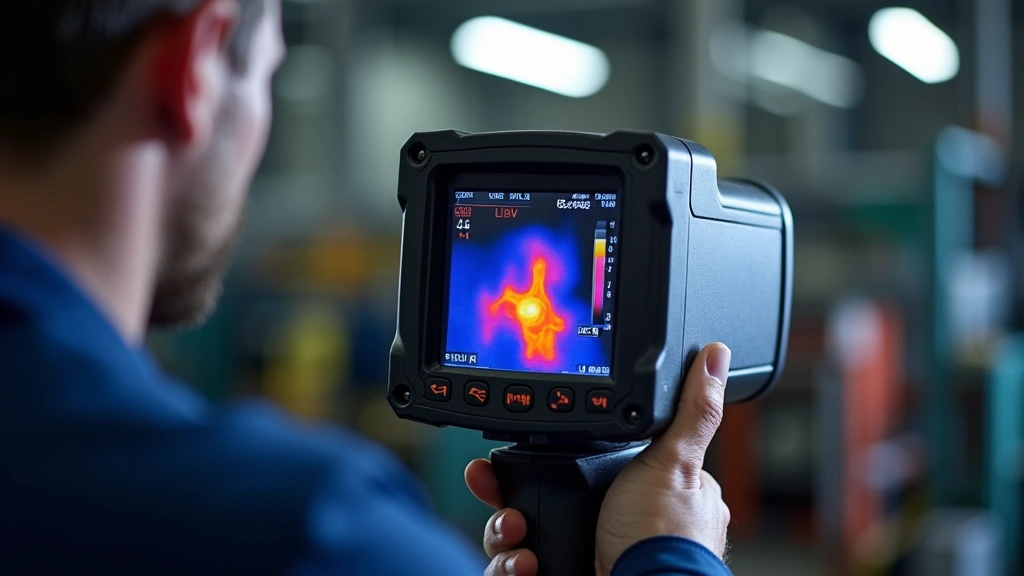
Thermal imaging cameras represented another critical diagnostic category. The units on display offered temperature measurement accuracy within ±2 degrees Celsius across ranges from -20 to +550 degrees Celsius. With thermal sensitivity detecting differences as small as 0.05 degrees, these cameras help technicians identify equipment failures, building insulation problems, and electrical issues. The integration with smartphone apps makes thermal imaging accessible and practical for field technicians.
Pressure testing equipment designed for HVAC and plumbing applications demonstrated real-world applications of measurement technology. These portable units measured pressure ranges from vacuum to 300 pounds per square inch, with digital displays and data logging. They’re essential for training students in mechanical systems diagnosis and represent the type of equipment they’ll use throughout their careers.
Vibration analysis instruments on display provided insights into machinery health monitoring. These devices measure vibration frequencies and amplitudes, helping technicians identify bearing wear, imbalance, and alignment issues before catastrophic failures occur. The predictive maintenance applications these tools enable represent cutting-edge practices in industrial maintenance.
Virtual Reality Training Platforms
Virtual reality (VR) technology has become increasingly important in vocational education, allowing students to practice dangerous or expensive procedures in safe, controlled environments. The expo featured several VR platforms specifically designed for technical training.
One comprehensive system provided immersive welding simulation, where students practice techniques without consuming materials or creating safety hazards. The system tracked hand movements with precision, providing real-time feedback on technique, temperature control, and bead quality. Students can repeat procedures unlimited times, building muscle memory and confidence before working with actual equipment. The platform included progression systems where difficulty increases as skills improve.
Another notable VR application focused on electrical system troubleshooting. Students navigated virtual industrial facilities, identifying and correcting electrical faults using realistic tools and components. The simulation included scenarios with varying complexity, from simple circuit problems to complex three-phase systems. This latest tech news in educational applications demonstrates how immersive technology enhances learning outcomes while reducing training costs.
Mechanical systems maintenance training through VR allowed students to disassemble, diagnose, and reassemble machinery in virtual environments. The haptic feedback systems provided tactile sensations simulating real mechanical resistance and tool manipulation. This multisensory approach significantly improves retention and practical skill development compared to traditional classroom instruction.
Augmented reality (AR) tools complemented VR platforms, overlaying instructional information onto real equipment. Students could point mobile devices at machinery to access maintenance procedures, parts diagrams, and troubleshooting guides. This blended reality approach bridges classroom learning and real-world application seamlessly.
Portable Power and Energy Solutions
Power management and energy storage solutions featured prominently, reflecting the growing importance of portable power in modern work environments. Multiple exhibitors showcased advanced battery systems and portable power stations.
One impressive device was a portable power station with 2000 watt-hour capacity, providing 2000 watts continuous output and 4000-watt surge capability. The unit featured multiple output types including standard AC outlets, USB ports, and DC connections. With integrated solar charging capabilities and fast-charging from standard electrical outlets, this system demonstrates practical energy management concepts while providing genuine utility for field technicians.
Smaller portable power banks emphasized convenience and capacity, with several units offering 20,000 to 50,000 milliamp-hour capacity. These devices featured fast-charging technology, multiple port configurations, and integrated cables for various device types. For students and technicians working in remote locations or during extended field operations, reliable portable power is essential.
Solar charging solutions on display ranged from small portable panels to larger installation systems. Flexible solar panels with 100-watt output demonstrated how renewable energy integrates into mobile applications. The systems included charge controllers, monitoring displays, and battery management systems—comprehensive solutions teaching students about sustainable future innovations.
Uninterruptible power supply (UPS) systems designed for industrial applications provided protection against power interruptions. These units ranged from 500-watt to 10-kilowatt capacities, with battery backup times from 5 to 30 minutes depending on load. The systems included monitoring software and network connectivity, allowing facilities staff to manage power protection across multiple locations from centralized dashboards.
Software and Programming Tools
Beyond hardware, the expo highlighted sophisticated software platforms essential for modern technical professionals. Canadian tech startup innovations in educational software were well-represented, with several local developers showcasing solutions tailored for vocational training.
Integrated development environments (IDEs) designed for industrial automation programming featured intuitive interfaces reducing learning barriers for beginners. These platforms supported multiple programming languages including ladder logic, structured text, and Python, allowing students to progress from simple to complex applications. The tools included simulation capabilities, allowing students to test programs before deploying them to actual equipment.
Computer-aided design (CAD) software demonstrated by several vendors provides essential skills for students in mechanical, electrical, and construction trades. Professional-grade packages included 3D modeling, simulation, and rendering capabilities. Cloud-based collaboration features allow students to work on projects together regardless of location, reflecting modern workplace practices.
Project management and documentation software highlighted during the expo emphasizes the non-technical skills increasingly important in technical careers. These platforms help teams coordinate work, track progress, and maintain detailed records—critical for compliance and quality assurance in regulated industries.
Cybersecurity training platforms deserve special mention, as industrial systems increasingly require protection against digital threats. The expo featured sandbox environments where students practice identifying vulnerabilities and implementing security measures without risking real systems. This hands-on approach to cybersecurity education prepares students for the growing intersection of physical systems and digital security.
Cloud computing platforms featured prominently, with cloud computing benefits demonstrated through practical vocational applications. Students learned how to leverage cloud resources for data analysis, collaboration, and scalable processing—essential competencies for modern technical professionals.
FAQ
What is the Canadian Valley Vocational-Technical Center?
Canadian Valley Vocational-Technical Center in El Reno, Oklahoma is a regional institution providing technical and vocational training across multiple disciplines including automotive, welding, HVAC, electrical, construction, and healthcare. The center serves high school students and adult learners, preparing them for careers in skilled trades and technical fields.
How often is the technology expo held?
The Canadian Valley Vo-Tech expo typically occurs annually, showcasing the latest equipment, tools, and technology relevant to vocational education. The event brings together manufacturers, educators, and industry professionals to demonstrate innovations and network.
Are the gadgets at the expo accessible for small schools?
While some equipment is expensive, many manufacturers offer educational pricing and financing options. Additionally, smaller schools can prioritize essential equipment based on their program offerings. The expo helps educators understand cost-benefit analyses for various tools and systems.
What career paths benefit most from expo technology exposure?
Students in automotive technology, electrical trades, HVAC, welding, industrial maintenance, robotics, renewable energy, and construction benefit significantly. However, technology exposure benefits all technical career paths as automation and digital systems increasingly pervade all industries.
How can I attend the Canadian Valley Vo-Tech expo?
The expo is typically open to educators, students, industry professionals, and the general public. Specific dates and registration information are available through the Canadian Valley Vocational-Technical Center’s website and local announcements.
What’s the significance of vocational tech education in today’s job market?
Skilled trades face significant workforce shortages as experienced technicians retire. Vocational education provides direct pathways to well-paying careers with strong job security. Modern vocational programs emphasizing technology and automation align training with current industry demands, making graduates highly employable.
How does technology at the expo relate to industry standards?
Equipment showcased at the expo represents current industry standards and practices. By training on actual tools and systems used in the field, students develop immediately applicable skills, reducing the learning curve when entering professional positions.


