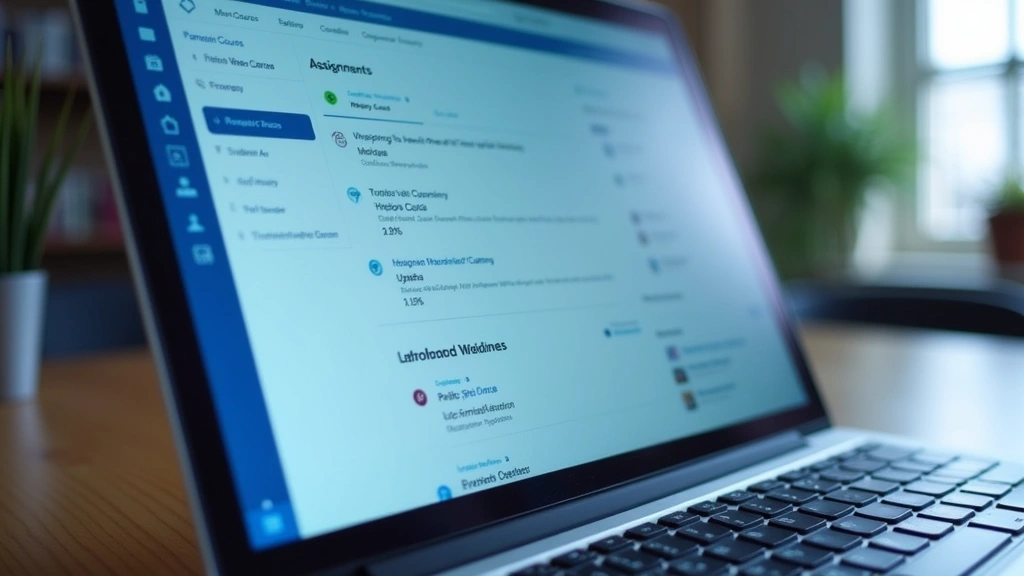
Canvas GA Tech: Essential Tips & Tricks for Georgia Tech Students
Georgia Tech’s Canvas learning management system serves as the digital backbone for thousands of students navigating coursework, assignments, and collaborative projects. Whether you’re a first-year student or an experienced learner, mastering Canvas GA Tech can dramatically improve your academic efficiency and engagement. This comprehensive guide reveals insider strategies, hidden features, and practical workflows that transform Canvas from a simple submission platform into a powerful productivity tool that keeps you organized, connected, and ahead of deadlines.
Canvas at Georgia Tech integrates seamlessly with institutional systems, offering features specifically tailored to the university’s academic structure. From grade tracking to real-time notifications, understanding these tools positions you for academic success. The platform’s flexibility allows for both synchronous and asynchronous learning, making it essential for modern students juggling multiple courses, research opportunities, and extracurricular commitments.

Getting Started with Canvas GA Tech Interface
The Canvas GA Tech interface presents a clean, intuitive design that prioritizes accessibility and functionality. Upon logging in with your Georgia Tech credentials, you’ll encounter your personalized dashboard—your command center for all course-related activities. The left sidebar contains your course list, organized chronologically or alphabetically depending on your preferences. This navigation hub provides quick access to all active courses, archived courses, and institutional announcements.
Your profile settings deserve immediate attention. Navigate to Account Settings to customize notification preferences, configure email delivery schedules, and set up two-factor authentication for enhanced security. Georgia Tech recommends enabling notifications for important course events, grade releases, and assignment due dates. The notification center allows granular control—you can receive immediate alerts for critical messages while batching routine updates into daily digests.
The global search function, accessible from the top navigation bar, proves invaluable when managing multiple courses. Search for specific assignments, discussion posts, files, or course announcements across all your classes simultaneously. This feature saves considerable time compared to navigating individually through each course’s content modules.
Canvas GA Tech supports both light and dark themes. While this seems cosmetic, the dark theme reduces eye strain during extended study sessions and conserves battery life on laptops—important considerations for students spending hours on the platform during exam preparation or project deadlines.

Navigating Your Dashboard Effectively
Your Canvas dashboard aggregates critical information across all courses into a single, scannable view. The To Do section displays upcoming assignments, quizzes, and discussion deadlines ranked by urgency. This widget automatically updates as instructors add or modify due dates, serving as your personal academic assistant.
The Coming Up section provides a calendar view of imminent deadlines across all courses. Clicking any item expands details and links directly to the assignment page. This consolidated timeline prevents the common student nightmare of missing deadlines because they weren’t checking a specific course page regularly.
Customize your dashboard by adding course cards for classes you’re actively working in. These cards display recent activity, upcoming deadlines, and unread announcements specific to each course. Drag and reorder cards to prioritize courses that demand immediate attention. Many students arrange cards by course schedule, placing morning classes at the top for quick reference.
The Recent Activity stream shows instructor announcements, graded assignments, and peer discussion posts across all courses. This real-time feed keeps you informed about important updates without requiring manual checking of individual course pages. Explore our main TechPulseHunter blog for additional productivity insights applicable to digital learning platforms.
Bookmark your dashboard or set it as your browser homepage. This simple habit ensures Canvas GA Tech is your first stop when beginning study sessions, establishing a routine that reduces missed deadlines and forgotten assignments.
Mastering Assignment Submissions
Assignment submission in Canvas GA Tech requires understanding both basic mechanics and strategic timing. When accessing an assignment, carefully read the Submission Details section, which specifies accepted file formats, submission methods, and any special requirements. Some assignments accept text entries directly in Canvas, while others require file uploads or external tool integrations.
File uploads demand attention to detail. Canvas accepts documents, spreadsheets, presentations, videos, and multimedia files. Always name files descriptively—use your last name, assignment number, and date (e.g., Smith_Assignment3_2024-02-15.docx). This naming convention helps instructors organize submissions and prevents confusion when reviewing dozens of student files.
Canvas allows multiple submission attempts for most assignments, though instructors can restrict this. The Submission History shows all previous attempts, timestamps, and file versions. If you make an error, resubmit immediately—Canvas records your latest submission as the official one. However, verify the due date hasn’t passed; late submissions may incur penalties or be rejected entirely depending on instructor policies.
The Rubric View appears in assignment details when instructors attach grading rubrics. Study this rubric before starting your work—it reveals exactly what instructors value and prioritize. Rubrics typically outline point allocations for content, organization, clarity, and technical requirements. Aligning your work to rubric criteria maximizes your grade potential.
For collaborative assignments, Canvas includes a Group Submission feature. One group member uploads files while others are designated as collaborators. This prevents duplicate submissions while ensuring all contributors receive credit. Confirm your group membership before the deadline to avoid last-minute complications.
Pro tip: Submit assignments at least 24 hours before deadlines. This buffer accounts for technical issues, file corruption, or browser compatibility problems. Canvas occasionally experiences server delays during peak submission times—early submission eliminates this risk entirely.
Utilizing Communication Tools
Canvas provides multiple communication channels designed for different interaction types. Announcements are instructor-generated broadcasts sent to entire course sections. These typically communicate policy changes, clarifications, or important updates. Enable notifications for announcements to ensure you never miss critical information from your instructors.
The Discussions feature creates asynchronous forums where students and instructors engage in threaded conversations. Unlike real-time chat, discussions allow thoughtful responses and accommodate different time zones—valuable for Georgia Tech’s diverse student population. When participating in discussions, read the entire thread before replying to avoid redundant posts. Quote relevant passages using the built-in quote function to maintain conversation clarity.
Some instructors require discussion participation as part of course grades. If so, aim for quality over quantity—thoughtful, substantive posts receive better evaluation than numerous superficial comments. Reference course materials, cite sources, and engage with peers’ ideas respectfully. Discussions often reveal how instructors think about course concepts, providing valuable insights for exams.
The Inbox function enables direct messaging between students and instructors. Use this for private questions, grade appeals, or sensitive topics inappropriate for public discussion. Maintain professional tone and clear subject lines. Expect responses within 24-48 hours, though instructors may take longer during busy periods or weekends.
Canvas integrates with Georgia Tech’s email system, so you can receive message notifications in your institutional inbox. Configure this in account settings to ensure messages reach you immediately rather than sitting unread in Canvas.
For group projects, use the Collaborations tool to access shared Google Docs or Microsoft Office documents directly within Canvas. This integration streamlines teamwork without requiring students to exchange external links or navigate between platforms.
Grade Management and Progress Tracking
The Grades page displays your performance across all assignments, quizzes, discussions, and exams in a single course. This comprehensive gradebook shows individual scores, point totals, and running grade percentages. Most instructors configure the gradebook to display your current grade in real-time, allowing continuous progress monitoring.
Understanding grade calculations requires reviewing the Course Details section, which explains weighting schemes. Some courses weight exams heavily (40%), while others distribute points evenly across assignments, discussions, and participation. Knowing these weights helps you prioritize effort strategically—spending additional study time on heavily-weighted assessment types yields better overall results.
The Grade Distribution view, when enabled by instructors, shows class-wide grade statistics including mean, median, and standard deviation. Comparing your performance to class averages provides context for your standing. Scoring above the mean in heavily-weighted assignments indicates strong conceptual understanding.
Canvas allows you to hide specific grades from your view if you prefer focusing on particular assignment types. While this doesn’t affect actual grades, it reduces anxiety about individual low scores and helps you concentrate on upcoming assessments.
Many students download their gradebook data to create personal tracking spreadsheets. While Canvas displays grades clearly, external spreadsheets allow custom visualizations, trend analysis, and goal-setting. Track which assignment types challenge you most, then adjust study strategies accordingly.
If you believe a grade is incorrect, use the Grade Inquiry feature to message your instructor with specific questions. Provide assignment numbers, rubric references, and your reasoning. Respectful, evidence-based inquiries demonstrate engagement and often result in grade reconsiderations if errors occurred.
Calendar and Time Management Features
Canvas includes an integrated calendar displaying all course deadlines, quiz dates, and event dates across your enrolled courses. Access the calendar from the left sidebar navigation. This unified view prevents the dangerous practice of checking individual course pages sporadically and potentially missing important dates.
The calendar supports multiple viewing modes: month view for semester overviews, week view for detailed planning, and agenda view for chronological listings. Most students default to agenda view when managing heavy workloads—this format emphasizes imminent deadlines and prevents surprises.
You can subscribe to course calendars using external calendar applications like Google Calendar or Outlook. This integration displays Canvas deadlines alongside personal commitments, work schedules, and other obligations. Seeing your complete time landscape enables realistic planning and prevents overcommitment.
Set personal calendar reminders for major deadlines. Canvas allows notifications one week before, three days before, and one day before assignment due dates. Configure notifications to match your planning style—some students prefer early warnings to begin work gradually, while others wait until final days for motivation.
The calendar also displays synchronous events like live lectures, quiz dates, and exam times. If your instructor records lectures, the calendar links directly to video recordings, centralizing multimedia content access. Learn coding and technical skills faster by establishing structured study schedules using Canvas calendar management.
Advanced Tips for Power Users
Experienced Canvas users leverage advanced features that streamline workflows and enhance learning outcomes. The SpeedGrader feature, available to instructors, displays student submissions alongside rubrics, previous grades, and peer work for comparative evaluation. While students can’t access SpeedGrader directly, understanding its existence explains why instructor feedback appears in specific formats.
Canvas supports Rich Content Editor for formatted text entry in discussions, assignments, and messages. Use this tool to create well-structured responses with headings, bullet points, and emphasis. Formatted text appears more professional and reads more clearly than plain text, potentially influencing instructor perception of your work quality.
Accessibility features in Canvas benefit all users, not just those with documented disabilities. Enable high-contrast mode for better readability, use keyboard navigation shortcuts to reduce mouse dependency, and utilize the built-in closed captioning for lecture videos. These features improve focus and reduce digital fatigue during extended study sessions.
Canvas API integration allows third-party applications to connect with your Canvas account. Services like Zapier automate notifications, create backups of your grades, or integrate Canvas with note-taking applications like Evernote or OneNote. Check Canvas’s official API documentation for approved integrations that enhance your workflow.
Mobile app usage deserves consideration. The official Canvas mobile application provides limited functionality compared to the web version but excels for checking deadlines, reading announcements, and submitting assignments from anywhere. Download the app and enable notifications—this ensures you never miss time-sensitive updates while away from your computer.
Create a Canvas study routine that includes daily dashboard checks, weekly calendar reviews, and bi-weekly grade monitoring. This consistent engagement prevents procrastination, reduces missed deadlines, and enables early identification of grade concerns. Stay updated on technology trends that might impact educational technology platforms.
Many Georgia Tech students use Canvas alongside other productivity tools. Integrate Canvas with note-taking applications, project management software, and study group platforms. This ecosystem approach creates a comprehensive academic support system that extends beyond Canvas’s native capabilities.
Bookmark frequently-accessed course pages, discussion boards, and assignment submissions. Browser bookmarks reduce navigation time and establish quick access patterns that become automatic during busy semesters.
Finally, explore Canvas’s built-in Help resources. The platform includes comprehensive documentation, video tutorials, and searchable FAQs. Many common questions find answers within Canvas’s official help system without requiring instructor contact.
FAQ
How do I reset my Canvas GA Tech password?
Visit the Georgia Tech login page and select Forgot Password. Enter your Georgia Tech email address, and password reset instructions will be sent to your inbox. Follow the link and create a new password. If you don’t receive the email, check your spam folder or contact Georgia Tech IT support.
Can I access Canvas GA Tech offline?
Canvas requires internet connectivity for most functions, but some features work offline if you’ve previously accessed them. The mobile app caches certain content, allowing limited offline browsing of previously-viewed course materials. However, submitting assignments, posting discussions, and checking grades require active internet connection.
What file formats does Canvas GA Tech accept for submissions?
Canvas accepts documents (Word, PDF, Google Docs), spreadsheets (Excel, Google Sheets), presentations (PowerPoint, Google Slides), images (JPG, PNG), videos (MP4, MOV), and audio files (MP3, WAV). Instructors specify accepted formats in assignment details. When in doubt, submit as PDF to ensure compatibility.
How do I contact my instructor through Canvas GA Tech?
Use the Inbox feature to send direct messages to instructors. Access this from the left sidebar navigation. Include clear subject lines and specific questions or concerns. Most instructors respond within 24-48 hours during business days.
Can I change my course schedule after enrolling in Canvas GA Tech?
Canvas enrollment synchronizes with Georgia Tech’s registration system. Course changes must be made through the official registration system; Canvas updates automatically within 24 hours. Contact the registrar’s office for enrollment modifications.
How do I improve my grades using Canvas GA Tech?
Monitor your grades regularly using the Grades page. Identify struggling areas by analyzing which assignment types you score lowest on. Seek instructor feedback through Grade Inquiry messages. Form study groups using Canvas Collaborations to work through challenging concepts with peers. Review rubrics carefully for future assignments to ensure you’re meeting all evaluation criteria.
Is Canvas GA Tech secure for submitting sensitive information?
Canvas implements industry-standard security protocols protecting student data. However, avoid submitting personally identifiable information like Social Security numbers or financial details through Canvas unless explicitly required by instructors. For sensitive submissions, consult your instructor about secure alternatives.
Can I download all my course materials from Canvas GA Tech?
Yes. Most instructors allow bulk downloads of course materials. Navigate to the course’s Files section and look for download options. Alternatively, contact your instructor to request a course content export if bulk download isn’t available. Explore educational technology companies innovating in learning management systems.
What should I do if Canvas GA Tech is down or inaccessible?
Check Georgia Tech’s status page for service notifications. If the platform is experiencing issues, instructors typically extend deadlines. Contact IT support if you experience persistent access problems. Use the mobile app as a temporary alternative if the web version is unavailable.


