
Is Canvas Ivy Tech User-Friendly? Expert Analysis
Canvas Ivy Tech has emerged as a prominent learning management system serving educational institutions across North America, particularly within the Ivy Tech Community College network. As educational technology continues to evolve, understanding the user-friendliness of platforms like Canvas becomes essential for students, instructors, and administrators who depend on seamless digital learning experiences. This comprehensive analysis examines Canvas Ivy Tech’s interface design, functionality, accessibility features, and real-world usability to determine whether it truly lives up to the promise of user-friendly educational technology.
The platform serves thousands of students daily, making interface intuitiveness and accessibility paramount concerns. Whether you’re a first-time user navigating course materials or an experienced educator designing complex assignments, the user experience directly impacts educational outcomes. Our expert review dives deep into what makes Canvas Ivy Tech tick, identifying both its strengths and areas where improvements could enhance the overall learning experience.
Canvas Ivy Tech Interface Overview
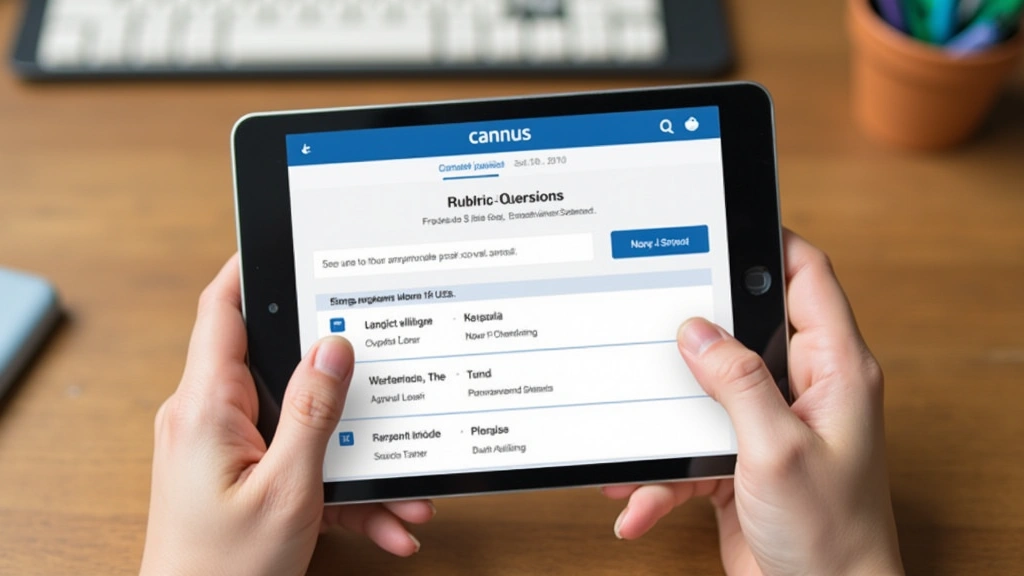
Canvas Ivy Tech represents a significant evolution in learning management systems, built on the widely-adopted Canvas platform by Instructure. The interface emphasizes clean design principles with a focus on reducing cognitive load for end users. Unlike some legacy educational software that feels cluttered and overwhelming, Canvas Ivy Tech presents information in organized sections that guide users naturally through their learning journey.
The platform’s color scheme uses neutral tones with strategic accent colors to highlight important actions and notifications. The layout follows modern web design conventions, making it familiar to users accustomed to contemporary software applications. For institutions evaluating technology solutions for educational settings, Canvas Ivy Tech’s interface consistency across different devices and browsers represents a significant advantage over traditional alternatives.
The architecture separates content into logical modules: courses, grades, calendar, and communication channels. This compartmentalization prevents information overload while ensuring all essential tools remain readily accessible. The platform’s responsive design automatically adapts to different screen sizes, though the desktop experience remains the most feature-rich version available to users.
Navigation and Dashboard Design
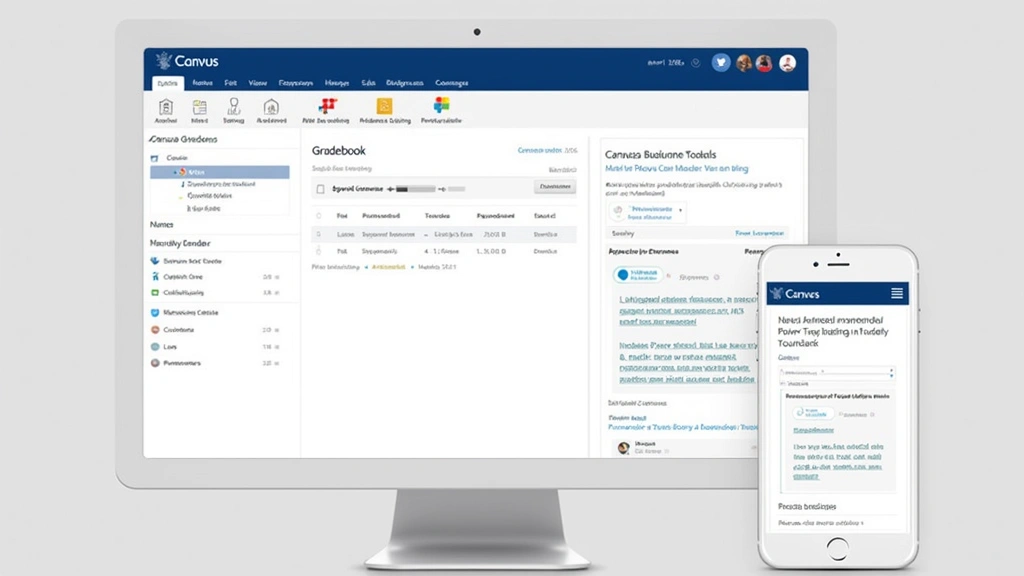
The Canvas Ivy Tech dashboard serves as the central hub where students and instructors begin their sessions. The left sidebar navigation menu provides persistent access to major features without requiring multiple clicks to return to the main menu. This design pattern has become standard in modern software interfaces, and Canvas implements it effectively.
Students see their enrolled courses displayed prominently, with course cards showing recent announcements and upcoming deadlines. The dashboard customization options allow users to organize their courses by semester, subject, or personal preference. Instructors benefit from a streamlined view that displays grading queues, pending assignments, and student engagement metrics at a glance.
The global navigation bar at the top of every page provides quick access to critical functions: courses, groups, calendar, inbox, and account settings. This consistent placement means users can navigate intuitively without extensive training. However, some users report that the distinction between primary and secondary navigation options could be clearer, particularly for first-time users unfamiliar with learning management system conventions.
Search functionality across Canvas Ivy Tech works reasonably well for locating courses, people, and content. The search bar appears prominently in the header, and results return quickly with relevant filtering options. Power users appreciate the ability to search within specific courses or across the entire institution.
Student Experience and Accessibility
For students, Canvas Ivy Tech prioritizes accessibility through multiple mechanisms that comply with modern technology standards. The platform supports screen readers, keyboard navigation, and adjustable text sizes, making it usable for students with visual impairments or motor disabilities.
The course content area displays reading materials, videos, and interactive elements in a straightforward manner. Canvas Ivy Tech supports rich content embedding, allowing instructors to integrate multimedia without requiring students to navigate away from the platform. Videos play directly within the course interface, and document viewers handle PDFs, Word files, and spreadsheets seamlessly.
Announcements appear in a dedicated section where students can filter by course and date. The notification system alerts students to new messages, assignment deadlines, and grade postings through email and in-app notifications. Some students find the notification volume overwhelming initially but appreciate the ability to customize notification preferences granularly.
The grade portal provides transparent access to scores and feedback. Students can view their current standing in each course, track their progress toward grade thresholds, and review instructor comments on assignments. This transparency promotes academic accountability and helps students identify areas needing improvement.
Calendar integration shows all upcoming deadlines across enrolled courses in a unified view. This feature helps students manage their time effectively and prevents the common problem of missing deadlines across multiple classes. The calendar syncs with external calendar applications, allowing students to incorporate academic deadlines into their personal scheduling systems.
Instructor Tools and Course Management
Instructors working with Canvas Ivy Tech access a comprehensive suite of course design and management tools. The course builder interface allows educators to organize content into modules, controlling the sequence and pacing of course material. Modules can have prerequisite requirements, ensuring students complete foundational content before advancing to more complex topics.
The gradebook represents one of Canvas’s strongest features. Instructors can create custom grading scales, weight assignments by category, and apply curves if needed. The interface displays student performance across all assessments, with color-coding to highlight concerning grades. Bulk grading options save time when entering scores for multiple students simultaneously.
Assignment creation involves straightforward steps: defining due dates, point values, submission types, and rubrics. Canvas Ivy Tech supports diverse submission formats including text entry, file uploads, and external tool integrations. The rubric feature enables detailed, criterion-based grading that provides meaningful feedback beyond simple point deductions.
The content editor in Canvas Ivy Tech, while functional, occasionally frustrates instructors accustomed to full-featured word processors. Text formatting options cover basics adequately, but advanced formatting sometimes requires HTML editing. However, the learning curve for instructors is relatively gentle compared to competitors, as the interface remains intuitive for common tasks.
Course copying functionality allows instructors to duplicate course structures from previous semesters, preserving module organization, assignments, and syllabus content while resetting grades and student enrollments. This feature significantly reduces course setup time for returning instructors teaching similar courses across multiple semesters.
Mobile Functionality and Cross-Platform Support
Canvas Ivy Tech offers dedicated mobile applications for iOS and Android devices, extending platform accessibility beyond desktop computers. The mobile apps provide functional access to courses, assignments, grades, and communication tools, though with some feature limitations compared to the web version.
Students can submit assignments through mobile devices, receive notifications about grade postings, and participate in discussion boards on the go. The mobile experience prioritizes essential functions over the full feature set, resulting in faster load times and reduced data consumption for users on limited mobile plans.
The mobile apps’ offline functionality allows students to download course materials for viewing without internet connectivity. This feature proves valuable for students in areas with unreliable connections or those studying during commutes on public transportation.
Cross-platform consistency ensures that users switching between desktop and mobile experiences encounter familiar layouts and navigation patterns. However, some features work better on desktop than mobile, particularly complex assignment submissions requiring file uploads or detailed form completion.
The web version functions adequately on mobile browsers without the dedicated apps, though the experience feels less optimized. Users can access their accounts through any modern web browser, providing flexibility for students using school-provided devices or public computers.
Integration with learning tools and external applications works more reliably on desktop versions. LTI (Learning Tools Interoperability) integrations for plagiarism detection, video hosting, and assessment tools sometimes exhibit minor compatibility issues on mobile platforms.
Assignment Submission and Grading Features
The assignment workflow in Canvas Ivy Tech streamlines the submission and evaluation process for both students and instructors. Students receive clear instructions about submission requirements, including file format specifications and deadline extensions if applicable.
Multiple submission types accommodate diverse assessment approaches: text entry for essays, file uploads for documents and media, online URL submission for web-based work, and media recording for presentations or language assignments. This flexibility allows instructors to design assessments matching learning objectives without forcing artificial constraints on submission formats.
The grading interface provides several options for providing feedback. Instructors can enter point scores, select from rubric criteria, or provide detailed written comments. SpeedGrader, Canvas’s specialized grading tool, displays student submissions with the rubric and grade entry fields in a single view, reducing navigation overhead during grading sessions.
Rubric-based grading encourages consistent evaluation across multiple students. Instructors define criteria, performance levels, and point values before grading begins. During grading, selecting the appropriate performance level for each criterion automatically calculates the total score, reducing arithmetic errors and ensuring alignment between feedback and grades.
Plagiarism detection integration through Turnitin or Vericite scans submitted assignments and flags potential academic integrity concerns. This automation helps instructors identify unoriginal content without manually comparing student work across sources.
Peer review functionality enables collaborative learning by allowing students to evaluate classmate submissions. The instructor establishes review rubrics and anonymity settings, then Canvas manages the review assignment distribution and compilation of feedback.
Communication Tools Integration
Canvas Ivy Tech consolidates communication through several integrated channels: announcements, discussions, messages, and email notifications. This centralization reduces the fragmentation that occurs when educational communication happens across multiple platforms.
Announcements provide one-way communication from instructors to students. Instructors can schedule announcements to post automatically at specific times, allowing flexibility in message delivery without requiring manual posting at specific moments.
Discussion forums encourage student-to-student and student-to-instructor dialogue. The threaded discussion format makes it easy to follow conversation branches and understand context. Instructors can monitor discussions, contribute selectively, and grade discussion participation through rubrics.
The messaging system enables private communication between users. Students can contact instructors with questions, and instructors can reach out to individual students regarding performance or attendance concerns. Message notifications alert recipients to new communications, though the notification frequency can be customized.
Email notifications integrate Canvas Ivy Tech activity with external email systems. Students and instructors can receive digest emails summarizing recent activity, reducing the need to log into Canvas frequently to stay informed. However, some users find the default notification frequency excessive and require significant customization to reduce email volume.
Video conferencing integration through Zoom or BigBlueButton enables synchronous communication within Canvas Ivy Tech. Instructors can launch virtual classroom sessions directly from course pages, and recordings embed within course modules for asynchronous access.
Performance and Loading Speed
Canvas Ivy Tech generally performs reliably with acceptable loading speeds for most operations. The platform uses content delivery networks to distribute assets geographically, ensuring reasonable performance for users regardless of location. Course pages typically load within 2-3 seconds on standard internet connections.
Gradebook performance can degrade when viewing courses with hundreds of students and many assignments. Instructors grading large sections may experience noticeable delays when opening the gradebook or applying bulk operations. This limitation primarily affects high-enrollment courses at larger institutions.
The platform experiences occasional maintenance windows, typically scheduled during off-hours to minimize user impact. Advance notification of scheduled maintenance allows users to plan around potential downtime. Unscheduled outages remain rare, suggesting robust infrastructure supporting the system.
File upload speeds depend on file size and network bandwidth. Large video uploads may require extended time, though the platform provides progress indicators and resumable uploads for interrupted transfers. Canvas Ivy Tech handles typical student file submissions efficiently.
Search functionality returns results quickly for most queries. Advanced searches across entire course repositories may require several seconds but remain faster than manual browsing for finding specific content.
Support Resources and Documentation
Canvas Ivy Tech users benefit from extensive documentation and support resources. Instructure maintains comprehensive knowledge bases with tutorials, video guides, and troubleshooting articles covering virtually every platform feature. The documentation quality exceeds many competitors, with clear explanations and step-by-step instructions for common tasks.
Ivy Tech Community College provides institution-specific support through its technology help desk. Support staff can access Canvas Ivy Tech directly, enabling them to troubleshoot issues and provide personalized assistance. Response times vary based on ticket volume but generally remain reasonable during business hours.
The Canvas Community represents a vibrant user forum where educators share strategies, troubleshoot problems, and discuss feature requests. This peer-to-peer support often provides faster answers than official channels and offers practical insights from experienced users.
Training resources for new users include webinars, recorded tutorials, and interactive guides. Many institutions provide orientation sessions at the beginning of each semester, helping students and instructors acclimate to the platform. These structured training opportunities significantly improve user comfort and adoption rates.
Professional development opportunities through technology training programs help educators maximize Canvas Ivy Tech’s capabilities. Instructors who invest time learning advanced features often discover efficiencies that improve course delivery and student engagement substantially.
Accessibility support documentation helps users with disabilities configure their Canvas Ivy Tech experience for optimal usability. The platform’s accessibility features receive regular updates to maintain compliance with evolving accessibility standards.
FAQ
Is Canvas Ivy Tech difficult to learn for first-time users?
Canvas Ivy Tech demonstrates a moderate learning curve for first-time users, though the interface remains more intuitive than many legacy learning management systems. Students typically acclimate within their first week of use, while instructors may require more extensive training to master advanced features like rubrics and bulk grading operations. The availability of comprehensive documentation and institution-specific support accelerates the learning process significantly.
Can Canvas Ivy Tech integrate with other educational tools?
Yes, Canvas Ivy Tech supports extensive integrations through Learning Tools Interoperability (LTI) standards. Common integrations include plagiarism detection services like Turnitin, video hosting platforms like Kaltura, and assessment tools. Institutions can also integrate custom applications through Canvas’s API, enabling sophisticated workflows tailored to specific needs.
What accessibility features does Canvas Ivy Tech provide?
Canvas Ivy Tech includes comprehensive accessibility features: screen reader compatibility, keyboard navigation support, adjustable text sizes, high-contrast display options, and closed captions for embedded videos. The platform maintains WCAG 2.1 AA compliance, ensuring usability for students with visual, auditory, and motor disabilities. Instructors can also designate alternative formats for course materials to accommodate diverse learning needs.
How does Canvas Ivy Tech handle large file uploads?
Canvas Ivy Tech supports file uploads up to 4 GB per file, accommodating large video submissions and media projects. The platform provides progress indicators during uploads and supports resumable uploads if the connection interrupts. For extremely large files, institutions may configure alternative submission methods or utilize external cloud storage integrations.
Can instructors customize the course layout in Canvas Ivy Tech?
Instructors have considerable flexibility in organizing course layouts through modules, which can be reordered, hidden, or locked based on prerequisites. The course navigation menu can be customized to include links to frequently used resources. However, the overall platform interface remains consistent across courses to maintain user familiarity.
Does Canvas Ivy Tech work offline?
The web version of Canvas Ivy Tech requires internet connectivity for most functions. However, the mobile apps support offline access to previously downloaded course materials. Students can view downloaded content without a connection, though submitting assignments or accessing new materials requires reconnection to the internet.
How secure is Canvas Ivy Tech for storing student data?
Canvas Ivy Tech implements enterprise-grade security with SSL/TLS encryption, regular security audits, and compliance with FERPA regulations protecting student educational records. The platform undergoes continuous security monitoring and receives regular updates addressing identified vulnerabilities. Institutions maintain administrative control over data privacy settings and can configure role-based access restrictions.
What should I do if I encounter technical problems with Canvas Ivy Tech?
Begin by consulting the Canvas knowledge base for self-service troubleshooting. If issues persist, contact your institution’s technology help desk with specific details about the problem, including error messages and steps you’ve already attempted. For widespread outages, check the Canvas status page for system announcements. Institution-specific support typically provides faster resolution than contacting Instructure directly.


