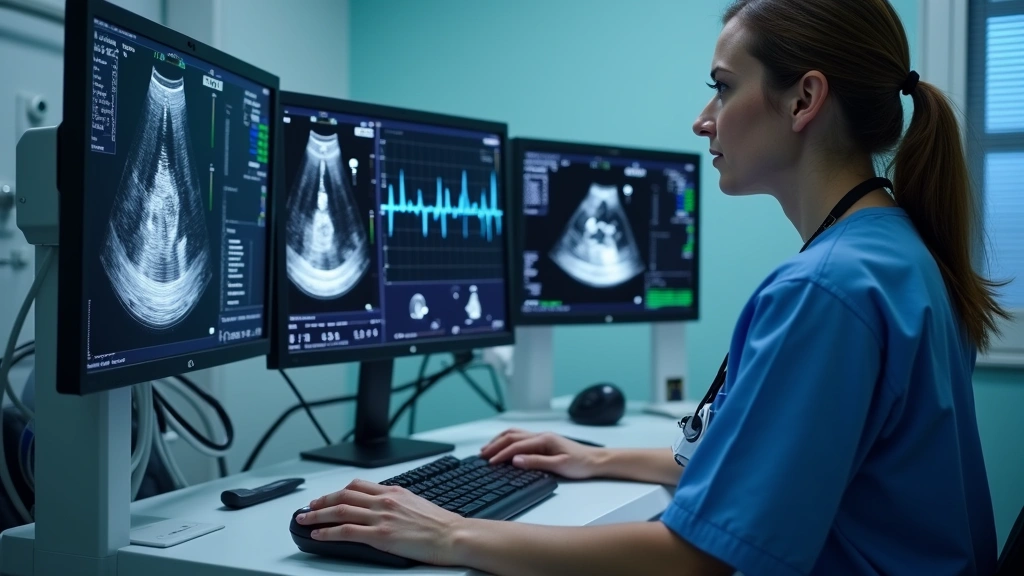
Cardio Ultrasound Tech: Expert Analysis Inside
Cardiovascular ultrasound technology represents one of the most critical diagnostic tools in modern medicine, enabling clinicians to visualize heart function, blood flow patterns, and structural abnormalities without invasive procedures. This comprehensive guide explores the cutting-edge innovations, technical specifications, and clinical applications that make echocardiography indispensable in cardiology departments worldwide.
The evolution of cardiac imaging has transformed patient outcomes dramatically over the past two decades. From basic M-mode scanning to sophisticated 3D volumetric imaging and strain analysis, cardiovascular ultrasound tech continues to push diagnostic boundaries while maintaining accessibility for healthcare providers across various settings.
Ultrasound Imaging Fundamentals in Cardiology
Cardiovascular ultrasound operates on piezoelectric principles, where crystals vibrate at specific frequencies to generate sound waves that penetrate tissue and reflect back to create real-time images. The fundamental frequency range for cardiac imaging typically spans 2-5 MHz for transthoracic approaches, with transesophageal probes utilizing 5-10 MHz frequencies for enhanced resolution of posterior cardiac structures.
The physics underlying cardiac ultrasound involves doppler shift principles discovered by Christian Johann Doppler in 1842, now applied to measure blood velocity and flow direction. When ultrasound waves encounter moving blood cells, frequency shifts occur proportionally to velocity, enabling quantification of cardiac output, shunt calculations, and valve regurgitation severity assessments.
Standard two-dimensional imaging provides cross-sectional views of cardiac chambers, valves, and walls in real-time. The parasternal long-axis view, apical four-chamber view, and subcostal views form the cornerstone of comprehensive echocardiographic examination protocols. Each view requires precise transducer positioning and angulation to optimize visualization of specific anatomical structures.
M-mode imaging, representing motion-mode ultrasound, displays tissue movement over time on a single vertical axis. This modality excels at measuring chamber dimensions, wall thickness, and detecting pericardial effusions with exceptional temporal resolution. Modern systems integrate M-mode with 2D imaging, allowing simultaneous anatomical correlation and precise measurement placement.
Pulsed-wave doppler analysis measures blood velocity at specific sample volumes within the heart, essential for assessing valve gradients, calculating chamber compliance, and detecting abnormal flow patterns. Continuous-wave doppler, conversely, captures velocities along the entire ultrasound beam path, enabling detection of high-velocity jets that would exceed pulsed-wave aliasing limits in restrictive valve stenosis cases.
Advanced Echocardiography Modalities
Three-dimensional echocardiography revolutionized cardiac assessment by providing volumetric datasets enabling accurate chamber quantification and complex anatomy visualization. Real-time 3D imaging systems acquire pyramidal volumes at 20-40 frames per second, sufficient for capturing dynamic cardiac motion throughout the cardiac cycle. Cardiovascular technicians now routinely operate these sophisticated systems requiring specialized training beyond traditional 2D competencies.
Speckle-tracking echocardiography represents a paradigm shift in myocardial assessment, quantifying regional and global deformation without requiring tissue doppler imaging. By tracking natural acoustic markers throughout the cardiac cycle, strain analysis reveals subclinical ventricular dysfunction before ejection fraction deteriorates, proving invaluable in chemotherapy cardiotoxicity surveillance and early heart failure detection.
Stress echocardiography combines real-time cardiac imaging with pharmacological or exercise stress, unmasking inducible ischemia and evaluating functional mitral regurgitation severity. Dobutamine infusion protocols progressively increase myocardial contractility, revealing wall motion abnormalities in coronary artery disease. Recent innovations include real-time 3D stress imaging, eliminating image artifacts from probe movement and improving diagnostic accuracy substantially.
Contrast-enhanced echocardiography utilizes microbubbles containing perfluorocarbon gas to enhance myocardial opacification and endocardial border definition. Lipid-shell microbubbles demonstrate superior stability and harmonic imaging capabilities, enabling left ventricular opacification assessment in technically difficult patients while improving diagnostic confidence in suspected apical thrombus or cardiomyopathy cases.
Intracardiac echocardiography (ICE) provides real-time ultrasound guidance during electrophysiology procedures and structural interventions. Specialized ultrathin catheters integrate transducers enabling unprecedented visualization of catheter-tissue relationships, atrial septum anatomy, and pulmonary vein ostia during ablation procedures. This technology reduces procedural times and fluoroscopy exposure while improving safety outcomes.
Key Technical Specifications and Performance Metrics
Modern cardiovascular ultrasound systems achieve temporal resolution of 30-120 frames per second in 2D imaging mode, essential for capturing rapid cardiac motion without motion artifacts. Frame rates escalate to 200+ fps during high-frequency transesophageal imaging, providing exceptional clarity of valve leaflet motion and septal defect anatomy. CardioSmart educational resources emphasize understanding these technical parameters for optimal image acquisition.
Spatial resolution varies inversely with ultrasound frequency, typically achieving 1-2 mm axial resolution at 5 MHz and improving to 0.5 mm at 10 MHz. Lateral resolution depends on beam width and depth, generally ranging from 2-5 mm within the region of interest. Contrast resolution—the ability to distinguish between tissues of similar echogenicity—improves dramatically with harmonic imaging processing.
Penetration depth represents a critical limitation in transthoracic imaging, particularly in obese patients or those with emphysematous lungs creating acoustic barriers. Frequency-dependent attenuation follows exponential relationships, with lower frequencies penetrating deeper but sacrificing resolution. Modern systems employ beamforming algorithms and coded excitation sequences to optimize the penetration-resolution tradeoff.
Doppler sensitivity quantifies the minimum velocity detection capability, typically achieving 5-10 cm/s in pulsed-wave mode and 10-20 cm/s in color doppler. Aliasing velocity, determined by pulse repetition frequency and ultrasound frequency, represents the maximum unambiguous velocity measurement. Advanced systems implement high-frequency pulse repetition to extend aliasing velocity, enabling quantification of severe regurgitation jets.
Signal-to-noise ratio (SNR) improvements through beam averaging and post-processing enhance image quality without sacrificing temporal resolution. Modern systems employ adaptive filtering and tissue harmonic imaging, rejecting off-axis signals and improving contrast resolution by 20-30 dB. These technical advances enable visualization in previously challenging anatomical scenarios.
Clinical Applications and Diagnostic Accuracy
Valvular heart disease assessment represents the cornerstone of echocardiographic application, with sensitivity and specificity exceeding 95% for hemodynamically significant lesions. Aortic stenosis severity determination combines valve area calculation via continuity equation, peak transaortic velocity, and mean pressure gradients. The Lancet publications consistently validate echocardiography as the gold standard for valve disease assessment.
Systolic dysfunction quantification through left ventricular ejection fraction (LVEF) measurement guides therapy selection in heart failure management. Biplane Simpson’s method, incorporating apical four-chamber and two-chamber views, provides volumetric LVEF calculation with excellent reproducibility. Three-dimensional LVEF measurement reduces volume measurement variability by 10-15% compared to biplane methodology.
Diastolic function assessment evaluates left ventricular relaxation and compliance through mitral inflow patterns, tissue doppler imaging, and strain rate analysis. E/e’ ratio, incorporating early mitral inflow velocity and septal annular tissue doppler velocity, predicts elevated filling pressures with 85% accuracy. These measurements guide diuretic therapy and identify heart failure with preserved ejection fraction (HFpEF) phenotypes.
Congenital heart disease diagnosis benefits enormously from echocardiographic imaging, particularly in detecting atrial septal defects, ventricular septal defects, and complex anatomy in tetralogy of Fallot. Color doppler quantifies shunt magnitude through velocity and jet area measurements. Three-dimensional reconstruction enables surgical planning by precisely delineating defect geometry and surrounding anatomical relationships.
Infective endocarditis detection relies on echocardiographic visualization of vegetations, prosthetic valve dehiscence, and paravalvular abscesses. Transesophageal echocardiography achieves 90% sensitivity compared to 60% for transthoracic imaging in detecting vegetations smaller than 4 mm. Integration with blood culture results and clinical criteria optimizes diagnostic accuracy in this life-threatening condition.
Pericardial disease assessment—including effusion quantification, tamponade physiology detection, and constrictive pericarditis diagnosis—represents another critical application. Real-time hemodynamic assessment during pericardiocentesis guidance reduces complications and optimizes fluid drainage. Strain imaging reveals the restrictive pattern characteristic of constrictive pericarditis with sensitivity exceeding 80%.
Transducer Technology and Probe Innovation
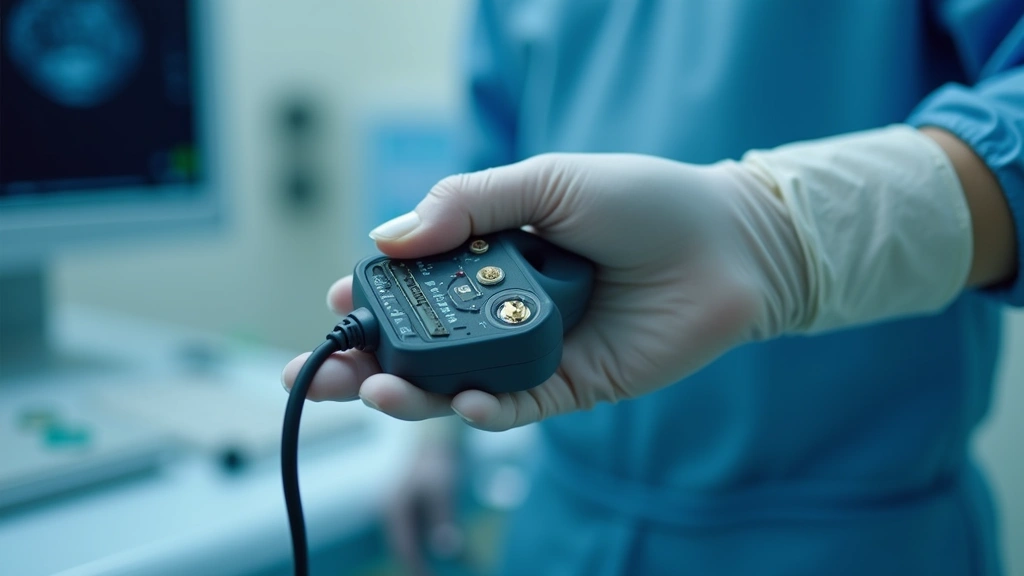
Phased-array transducers dominate cardiac imaging, employing hundreds of individually controlled piezoelectric elements enabling rapid beam steering without mechanical probe movement. Electronic focusing at variable depths creates synthetic aperture effects, improving lateral resolution across the entire imaging field. Advanced biomedical technology continues advancing transducer capabilities.
Matrix array transducers represent the next generation, incorporating two-dimensional element arrays enabling real-time 3D imaging with superior temporal resolution. These transducers contain 2,000+ elements with individual control, permitting pyramidal volume acquisition at 30-50 Hz. Trade-offs between element density, cable count, and beam quality continue driving innovation in transducer design.
Transesophageal probe designs balance image quality requirements with patient tolerance constraints. Biplane probes incorporate two transducers—one at the probe tip and one offset 90 degrees—enabling simultaneous orthogonal imaging without probe manipulation. Newer multiplane probes provide imaging in any desired plane through electronic steering, improving diagnostic capability while reducing examination time.
Handheld ultrasound systems have democratized cardiac imaging, enabling point-of-care assessment in emergency departments, intensive care units, and remote settings. Miniaturized phased-array transducers achieve diagnostic-quality imaging despite compact form factors. These systems demonstrate 90% sensitivity for detecting significant cardiac pathology compared to standard echocardiography when operated by trained personnel.
Transducer materials evolution from traditional PZT ceramics toward relaxor ferroelectric materials like PMN-PT improves bandwidth and sensitivity characteristics. These materials demonstrate superior electromechanical coupling coefficients, enabling lower noise floors and improved penetration in challenging acoustic windows. Manufacturing costs continue declining, improving accessibility in resource-limited settings.
Integration with AI and Machine Learning
Artificial intelligence algorithms increasingly assist in image acquisition optimization, automatically detecting standard views and providing real-time feedback to sonographers. Computer vision systems identify anatomical landmarks, calculate chamber dimensions, and quantify ejection fraction with accuracy comparable to experienced cardiologists. Nature Machine Intelligence research documents these AI applications extensively.
Deep learning networks trained on thousands of annotated echocardiograms enable automated diagnosis of structural abnormalities, valve disease, and systolic dysfunction. These systems achieve sensitivity and specificity exceeding 95% for detecting moderate-to-severe pathology. Integration into clinical workflows reduces examination interpretation time while improving consistency across operators.
Strain analysis automation through AI reduces measurement variability from manual tracing, improving reproducibility for longitudinal patient monitoring. Machine learning algorithms detect optimal frame selection for measurement, minimizing artifacts from motion or image quality variations. Automated reporting generation accelerates clinical decision-making without sacrificing diagnostic accuracy.
Prognostic modeling combines echocardiographic measurements with clinical parameters through ensemble learning approaches, predicting adverse outcomes with superior accuracy compared to traditional risk stratification. These models identify high-risk patients requiring intensified therapy or more frequent monitoring, enabling personalized medicine approaches.
Challenges in AI implementation include algorithm generalization across diverse patient populations, ultrasound machines, and operator experience levels. Regulatory pathways for AI-assisted diagnostics continue evolving, with FDA clearances now granted for specific applications. Clinical validation in prospective multicenter trials remains essential before widespread deployment.
Future Directions in Cardiac Imaging
Molecular imaging through targeted microbubbles conjugated with ligands specific to myocardial pathology enables visualization of inflammation, fibrosis, and angiogenesis. These ultrasound contrast agents demonstrate promise in detecting early atherosclerotic changes and myocardial remodeling before structural abnormalities become apparent. Clinical translation remains ongoing with several agents in late-stage development.
Photoacoustic imaging combines ultrasound with optical excitation, enabling visualization of tissue chromophores including hemoglobin and collagen. This emerging modality provides functional information about myocardial perfusion and composition complementary to traditional echocardiography. Preclinical studies demonstrate feasibility in detecting fibrosis and inflammation with unprecedented detail.
Elastography techniques measure tissue stiffness through shear wave propagation, quantifying myocardial fibrosis and diastolic dysfunction. These methods show promise in differentiating restrictive from constrictive pathophysiology and detecting early remodeling in hypertensive heart disease. Integration into clinical protocols continues advancing as standardization efforts mature.
Wireless ultrasound transducers eliminate cable constraints, enabling implantable or wearable cardiac monitoring systems. Miniaturized systems utilizing CMOS transducer arrays demonstrate diagnostic-quality imaging from implanted positions. These innovations could enable continuous cardiac monitoring in heart failure patients, detecting decompensation before clinical symptoms emerge.
Augmented reality integration enables sonographers to visualize 3D cardiac anatomy superimposed on patient anatomy during real-time imaging. These systems improve spatial orientation during complex procedures and enhance training for novice operators. FDA-cleared systems demonstrate improved procedure efficiency and reduced fluoroscopy time during structural interventions.
Portable ultrasound systems continue miniaturization through advances in transducer design and processing electronics. Smartphone-integrated ultrasound devices demonstrate feasibility for remote patient monitoring in developing nations and underserved populations. Technical limitations regarding image quality and diagnostic accuracy continue narrowing as technology matures.
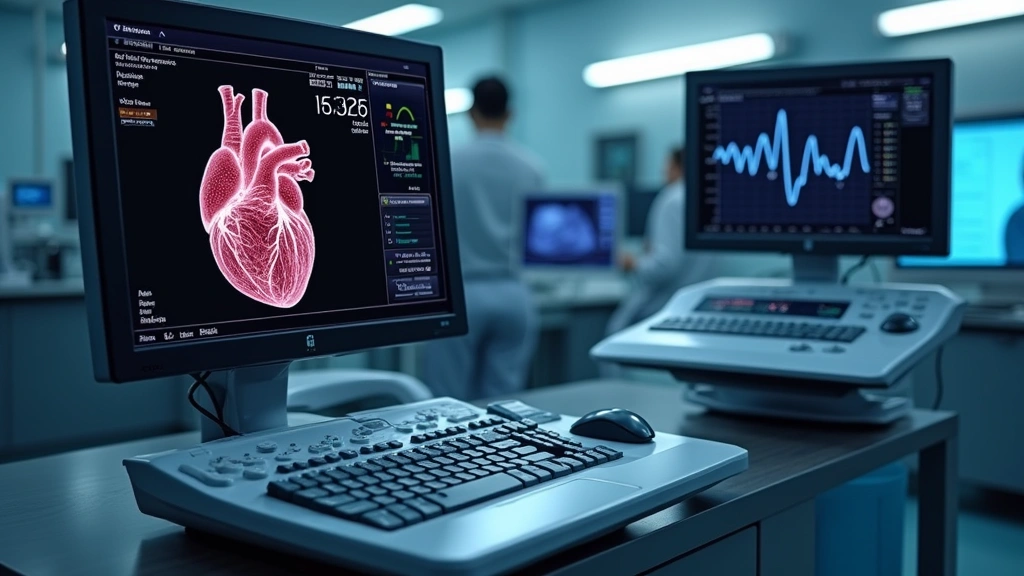
The future of cardiovascular ultrasound tech emphasizes accessibility, automation, and integration with broader clinical data ecosystems. Standardization initiatives through organizations like the American Society of Echocardiography ensure quality metrics and training standards remain consistent as technology evolves. Clinicians interested in this field should explore cardiovascular tech salary information and career advancement opportunities. Understanding these technical foundations positions healthcare professionals for success in this rapidly advancing field.
FAQ
What frequency range do most cardiac ultrasound systems use?
Transthoracic echocardiography typically operates at 2-5 MHz frequencies, balancing penetration depth with image resolution. Transesophageal probes utilize 5-10 MHz for enhanced visualization of posterior structures, while intracardiac systems employ frequencies up to 20 MHz for exceptional detail in specific anatomical regions.
How does speckle-tracking echocardiography differ from traditional doppler imaging?
Speckle-tracking analyzes natural acoustic markers throughout cardiac motion, quantifying tissue deformation without requiring doppler principles. This approach detects regional dysfunction independent of cardiac geometry or translation, providing earlier detection of myocardial dysfunction compared to traditional ejection fraction measurements.
Can handheld ultrasound systems provide diagnostic-quality cardiac imaging?
Yes, handheld systems with quality transducers achieve diagnostic-quality imaging when operated by trained personnel. Studies demonstrate 90% sensitivity for detecting significant cardiac pathology, making them valuable for point-of-care assessment in emergency and critical care settings.
What role does artificial intelligence play in modern echocardiography?
AI assists in view identification, automated measurements, and diagnostic interpretation. Machine learning algorithms detect abnormalities with 95%+ accuracy comparable to experienced cardiologists, reducing interpretation time while improving consistency and enabling prognostic predictions.
How does contrast-enhanced echocardiography improve diagnostic accuracy?
Microbubble contrast agents enhance myocardial opacification and endocardial border definition, particularly beneficial in technically difficult patients. Harmonic imaging processing improves contrast resolution by 20-30 dB, enabling detection of subtle abnormalities and improving confidence in diagnostic assessments.
What advantages does 3D echocardiography offer over 2D imaging?
Three-dimensional imaging provides volumetric datasets enabling accurate chamber quantification, complex anatomy visualization, and improved measurement reproducibility. Real-time 3D reduces LVEF measurement variability by 10-15% compared to biplane methodology while enabling superior surgical planning.


