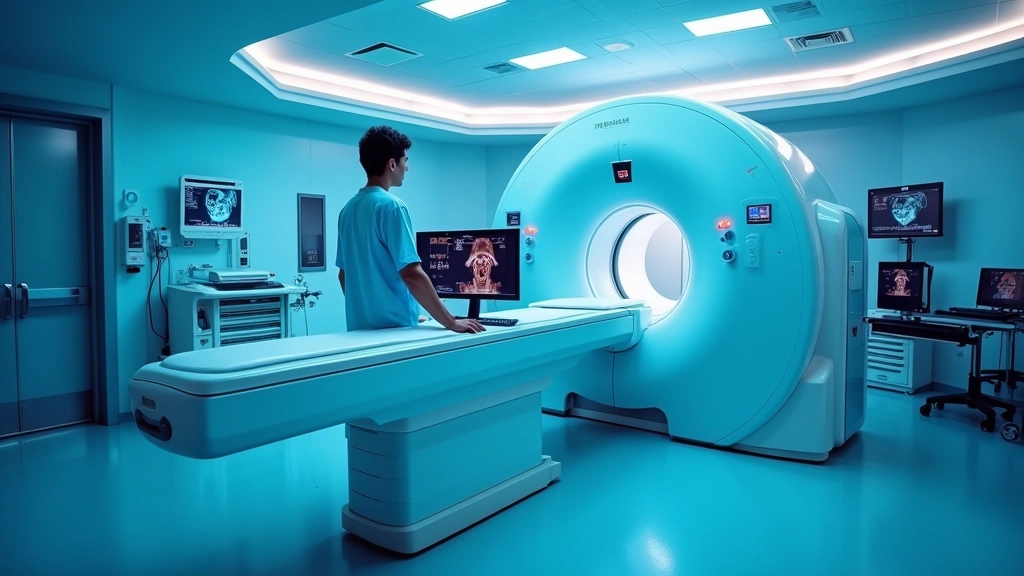
Computed Axial Tomography (CAT) scanning represents one of the most critical diagnostic imaging technologies in modern healthcare, and the technologists who operate these sophisticated machines require specialized, accredited education. Whether you’re considering a career transition or starting fresh in the medical imaging field, understanding the landscape of CAT scan tech schools is essential for making an informed decision about your professional future. The demand for qualified CT technologists continues to surge across hospitals, diagnostic centers, and imaging facilities nationwide, driven by an aging population requiring advanced diagnostic procedures.
CAT scan technology has evolved dramatically over the past two decades, with modern systems capable of capturing ultra-high-resolution images in mere seconds. This technological advancement directly correlates with the need for well-trained professionals who understand both the clinical applications and the intricate technical specifications of these machines. Accredited CAT scan tech programs ensure that graduates possess the knowledge, hands-on experience, and credentials necessary to excel in this competitive healthcare field. From understanding radiation physics to mastering image reconstruction algorithms, the educational requirements are rigorous and comprehensive.
Understanding CAT Scan Technology and Career Opportunities
CAT scanning, also known as CT scanning, involves using X-ray technology combined with advanced computer processing to create detailed cross-sectional images of the body. Unlike traditional radiography, CT scans provide three-dimensional visualization that helps clinicians diagnose tumors, internal injuries, infections, and vascular abnormalities with unprecedented precision. The career outlook for CT technologists remains exceptionally strong, with the Bureau of Labor Statistics projecting steady growth in medical imaging positions through the coming decade.
Professional CT technologists work in diverse healthcare settings, including emergency departments where rapid imaging is lifesaving, oncology centers where treatment planning depends on precise imaging, and specialized imaging clinics offering advanced diagnostic procedures. The role extends beyond simply operating equipment—modern CT technologists must understand patient safety protocols, radiation dose optimization, contrast media administration, and quality assurance procedures. Many facilities now require technologists to hold multiple certifications, including general radiography credentials alongside specialized CT certifications, making comprehensive education increasingly valuable.
The technical knowledge required encompasses understanding how CT scanners generate images through helical acquisition, multi-detector row technology, and sophisticated reconstruction algorithms. Technologists must also grasp the physics of X-ray generation, image quality factors, and radiation protection principles. This complexity necessitates enrolling in accredited imaging programs that provide both theoretical foundation and practical laboratory experience.
Accreditation Standards for CAT Scan Tech Programs
Accreditation serves as the gold standard for educational quality assurance in medical imaging programs. The Joint Review Committee on Education in Radiologic Technology (JRCERT) represents the primary accrediting body for radiologic science programs in the United States, including those offering CT specializations. JRCERT accreditation ensures that programs meet rigorous standards covering curriculum content, faculty qualifications, clinical training environments, and student outcomes.
When evaluating CAT scan tech schools, prospective students should verify JRCERT accreditation status before enrolling. Accredited programs must demonstrate that graduates achieve minimum competency levels on certification examinations, maintain clinical training partnerships with qualified imaging facilities, and employ instructors with appropriate credentials and industry experience. Additionally, accredited programs undergo regular review cycles to maintain compliance with evolving healthcare standards and technological advances.
Beyond JRCERT accreditation, many programs pursue specialized accreditation through the American Registry of Radiologic Technologists (ARRT) or maintain institutional accreditation through regional higher education bodies. These multiple layers of accreditation provide assurance that the education meets both healthcare industry standards and academic rigor expectations. Programs lacking proper accreditation may not prepare students adequately for certification examinations or may not be recognized by employers seeking qualified technologists.
Top-Tier CAT Scan Technologist Schools
Several institutions have established themselves as leaders in radiologic technology and CT specialization education. Mayo Clinic School of Health Sciences in Rochester, Minnesota offers comprehensive diagnostic imaging programs with exceptional clinical training through Mayo’s world-renowned medical facilities. The program combines rigorous classroom instruction with hands-on experience using cutting-edge imaging equipment, including the latest multi-detector CT systems.
The University of Arkansas for Medical Sciences provides JRCERT-accredited radiologic technology programs with strong emphasis on CT imaging specialization. Their partnership with clinical facilities across Arkansas ensures students gain diverse experience with various patient populations and imaging protocols. The curriculum integrates emerging technologies like artificial intelligence applications in medical imaging, preparing graduates for evolving clinical environments.
Other highly-regarded programs include Midwestern University’s radiologic sciences program, University of New Mexico’s diagnostic medical imaging program, and Loma Linda University’s radiologic technology school. Each offers JRCERT accreditation, experienced faculty, and partnerships with major medical centers providing clinical training opportunities. When comparing programs, prospective students should examine graduation rates, certification exam pass rates, employment placement statistics, and opportunities for advancement into specialized imaging roles.
Community colleges throughout the nation also offer quality, accredited CAT scan technician programs that may be more affordable and accessible than university-based options. Institutions like Broward College in Florida and Sinclair Community College in Ohio maintain excellent reputations for producing job-ready CT technologists at lower cost than four-year universities. These programs often provide flexible scheduling and stronger connections to regional healthcare employers.
Program Curriculum and Technical Specializations
Comprehensive CAT scan tech programs typically span 24 months at the associate degree level, though some accelerated programs compress content into 18-20 months. The curriculum foundation includes general radiography principles, anatomy and physiology, pathology, patient care, radiation protection, and medical ethics. These foundational courses ensure technologists understand the broader context of medical imaging before specializing in CT technology.
Specialized CT curriculum components address helical scanning techniques, multi-detector row imaging, cardiac CT protocols, CT angiography procedures, and advanced reconstruction methods. Students learn to optimize scanning parameters for different anatomical regions and patient populations, understanding how to balance image quality against radiation dose—a critical consideration in modern CT practice. Laboratory coursework includes hands-on training with CT simulator equipment and clinical rotations in actual imaging departments.
Many programs now incorporate training on emerging technologies including dual-energy CT imaging, spectral imaging capabilities, and artificial intelligence-assisted image analysis. Understanding these advanced imaging applications positions graduates competitively in healthcare facilities investing in latest technology. Additionally, programs increasingly emphasize radiation dose optimization and quality assurance procedures, reflecting industry-wide commitment to minimizing patient radiation exposure while maintaining diagnostic image quality.
Clinical education represents approximately 50% of most accredited programs, with students completing rotations in various imaging environments. These clinical rotations expose students to diverse patient populations, emergency imaging scenarios, and specialized procedures like CT-guided biopsies. The clinical component provides invaluable experience that classroom instruction alone cannot replicate, preparing students for the realities of professional practice.
Certification and Licensing Requirements
Upon completing an accredited CAT scan tech program, graduates typically pursue certification through the American Registry of Radiologic Technologists (ARRT). The ARRT administers the Computed Tomography (CT) examination, which tests knowledge across physics, instrumentation, image quality, patient protection, and clinical applications. Passing this examination demonstrates competency and significantly enhances employment prospects and earning potential.
Certification requirements vary by state and employer, but most healthcare facilities require at minimum that CT technologists hold current ARRT CT certification. Some states impose additional licensing requirements beyond ARRT certification, making it essential to understand your specific state’s regulations before enrolling in programs. Additionally, many employers prefer or require technologists to hold dual certifications in both general radiography and CT specialization, providing greater scheduling flexibility and career advancement opportunities.
Maintaining certification requires continuing education credits throughout one’s career, typically requiring 36 continuing education credits every three years for ARRT certification maintenance. This ongoing education requirement ensures that practicing technologists remain current with technological advances, new imaging protocols, and evolving best practices in radiation protection and patient care. Many professional conferences, online courses, and manufacturer training programs provide these continuing education opportunities.
Cost, Financial Aid, and Career Outcomes
Program costs vary dramatically between institutions, with community college programs typically ranging from $15,000-$30,000 for the complete program, while university-based programs may cost $40,000-$80,000 or more. However, community college programs often provide superior value when considering total cost against earning potential, since employment prospects and starting salaries remain comparable across accredited programs.
Financial aid options include federal student loans, grants, and work-study programs available through the Free Application for Federal Student Aid (FAFSA). Many schools also offer institutional scholarships specifically for healthcare professions students. Additionally, some employers offer tuition reimbursement programs for employees pursuing medical imaging certification, providing another pathway to affordable education. Veterans may access educational benefits through the VA, and some programs specifically recruit military personnel transitioning to civilian healthcare careers.
Career outcomes for CAT scan tech graduates remain exceptionally strong, with employment rates typically exceeding 85-90% within six months of graduation from accredited programs. Starting salaries for CT technologists average $45,000-$55,000 annually, with experienced technologists earning $65,000-$85,000 or more depending on geographic location, facility type, and specialization. Career transition into healthcare technology increasingly attracts professionals from other fields seeking more stable, personally rewarding work.
Geographic location significantly impacts earning potential, with technologists in metropolitan areas and states with higher cost of living typically commanding higher salaries. Additionally, technologists who pursue advanced certifications in cardiac imaging, CT angiography, or trauma imaging often earn premium compensation. Many healthcare facilities also offer shift differentials for evening, night, and weekend work, providing additional earning opportunities for flexible technologists.
Advancement opportunities extend beyond clinical practice into roles like CT supervisors, imaging department managers, education coordinators, or equipment specialists with manufacturers. Some technologists pursue advanced degrees in health administration or medical physics, opening pathways to leadership positions. Understanding these long-term career possibilities helps prospective students recognize that CAT scan tech education represents not just a job but a foundation for a meaningful healthcare career.
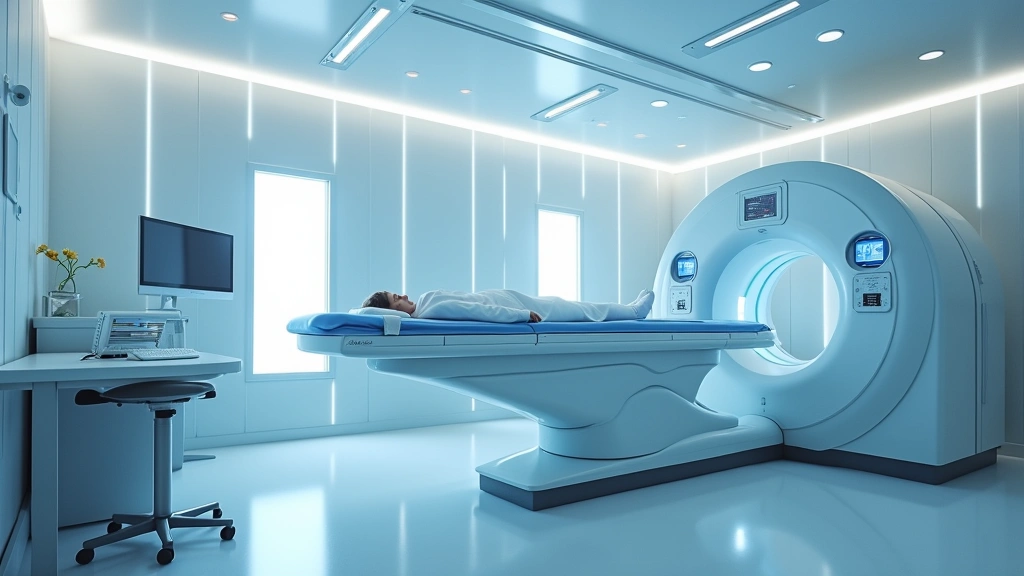
The integration of artificial intelligence applications into medical imaging represents one of the most significant developments affecting CT technologists today. Modern imaging facilities increasingly employ AI-assisted image analysis, automated quality assurance systems, and predictive maintenance algorithms. Progressive CAT scan tech schools now incorporate AI fundamentals into their curriculum, preparing graduates for imaging departments where these technologies are becoming standard.
Quality assurance and radiation protection form critical components of modern CT practice. Technologists must understand how to perform regular quality assurance tests on CT equipment, including linearity testing, uniformity evaluation, and noise assessment. Additionally, contemporary practice emphasizes dose reduction strategies like iterative reconstruction algorithms and organ-specific dose optimization protocols. Programs that thoroughly address these topics ensure graduates can contribute meaningfully to radiation safety initiatives within their organizations.
Patient communication and safety represent often-overlooked but essential competencies addressed in quality CAT scan tech programs. Technologists must explain procedures to anxious patients, obtain informed consent, recognize contraindications to contrast media administration, and respond appropriately to medical emergencies during imaging procedures. Programs incorporating realistic simulation exercises and standardized patient interactions prepare graduates for these crucial professional responsibilities.
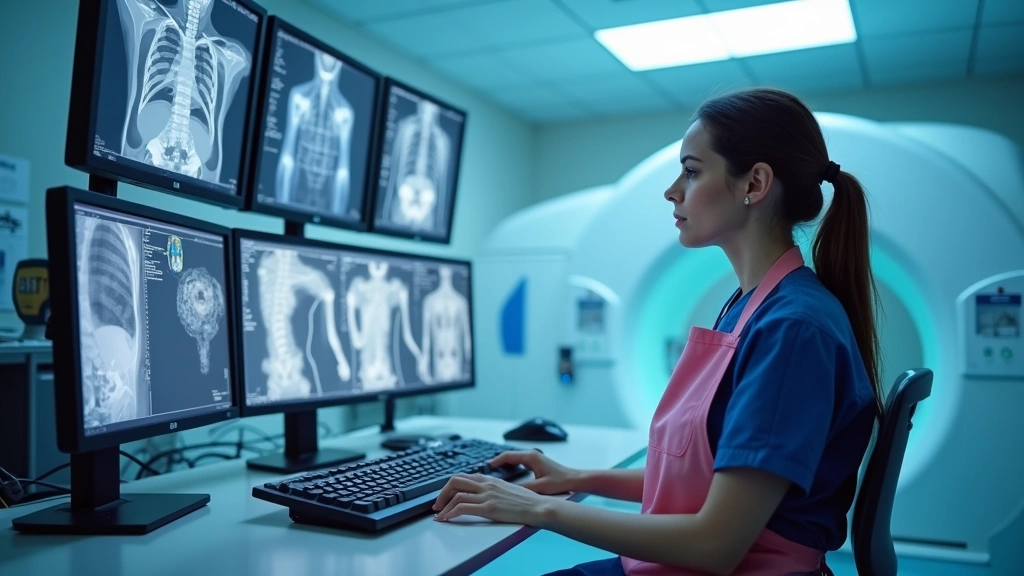
The future of CT technology continues evolving rapidly, with emerging developments including photon-counting detectors, ultra-high-resolution imaging capabilities, and expanded clinical applications. Technologists educated in programs emphasizing technological fundamentals rather than specific equipment will adapt most successfully to these changes throughout their careers. Choosing schools that balance current practical training with foundational physics and engineering principles ensures graduates remain relevant as technology advances.
For prospective students researching CAT scan tech schools, visiting campuses, observing clinical training environments, and speaking with current students provides invaluable perspective. Many schools offer open house events where prospective students can tour facilities, meet faculty, and understand program philosophy firsthand. Additionally, consulting with practicing CT technologists about which schools produced their most capable colleagues provides practical insight into program quality beyond official statistics.
Accreditation verification should be your first priority when narrowing school choices. Visit the JRCERT website to confirm program accreditation status and review any accreditation actions or limitations. Check ARRT’s resources for information about certification requirements and examination preparation materials. Additionally, consulting Bureau of Labor Statistics healthcare career information provides context about job market projections and salary data.
The decision to pursue CAT scan technologist education represents a significant investment in your future, warranting careful research and consideration of multiple factors beyond program cost. Accreditation status, curriculum comprehensiveness, clinical training opportunities, faculty expertise, and career placement records should all influence your decision. By selecting from truly accredited, well-established programs, you position yourself for success in a rewarding healthcare career with strong employment prospects and meaningful work helping patients receive accurate diagnostic imaging.
FAQ
What is the difference between a CT technologist and a radiologic technologist?
Radiologic technologists operate general X-ray equipment, while CT technologists specialize in operating computed tomography scanners. Many professionals hold certifications in both areas, providing employers with scheduling flexibility and technologists with broader career opportunities. CT technologists typically earn higher salaries due to specialized training requirements and equipment complexity.
How long does it take to become a certified CAT scan technologist?
Most accredited programs require 24 months of full-time study at the associate degree level. Some accelerated programs compress this into 18-20 months, while others offer flexible part-time options extending to 36 months. After completing the program, graduates must pass the ARRT CT certification examination, typically within 6-12 months of graduation.
Do I need a high school diploma to enroll in CAT scan tech programs?
Yes, accredited CAT scan tech programs require a high school diploma or GED as a minimum admission requirement. Many programs also require college entrance examinations and prerequisite coursework in biology and chemistry. Some community colleges offer prerequisite courses for students lacking necessary background.
What is the job outlook for CT technologists?
The Bureau of Labor Statistics projects steady growth in medical imaging positions, including CT technologists, through the coming decade. Employment demand exceeds available qualified technologists in many geographic regions, creating excellent job security and advancement opportunities for certified professionals.
Can I specialize further after becoming a CT technologist?
Yes, many CT technologists pursue additional certifications in cardiac CT imaging, CT angiography, or trauma imaging. Some advance into supervisory roles, education positions, or pursue graduate degrees in health administration or medical physics. Continuing education requirements provide ongoing learning opportunities throughout your career.
Which states require CT technologist licensing beyond ARRT certification?
Licensing requirements vary by state, with some states requiring state licensure in addition to ARRT certification. Research your specific state’s regulations through your state’s health department or radiologic technology licensing board before enrolling in programs.


