Cath Lab Tech Training: Is It Right for You?
Catheterization laboratory technology represents one of the most specialized and rewarding careers in modern healthcare. If you’re considering cath lab tech training, you’re looking at a profession that combines cutting-edge medical equipment, critical patient care, and advanced technical skills. The field has experienced significant growth over the past decade, driven by increasing demand for cardiovascular interventions and technological innovations in diagnostic imaging.
The role of a catheterization laboratory technologist extends far beyond simply assisting physicians. These professionals operate sophisticated fluoroscopic equipment, manage sterile environments, monitor patient vital signs, and ensure seamless workflow during complex cardiac procedures. Whether you’re transitioning from another healthcare role or entering the medical field for the first time, understanding what cath lab tech schooling entails is essential before committing to this demanding yet fulfilling career path.
This comprehensive guide explores every aspect of cath lab technology training, from educational requirements and certification pathways to salary expectations and job market outlook. By the end, you’ll have a clear understanding of whether this specialized healthcare career aligns with your professional goals and personal strengths.
What Is a Catheterization Lab Technologist?
A catheterization laboratory technologist is a highly trained healthcare professional who specializes in assisting physicians during cardiac catheterization procedures. These procedures involve inserting catheters into blood vessels to diagnose and treat heart conditions. Cardiac tech roles have evolved significantly with advancements in medical imaging technology and interventional techniques.
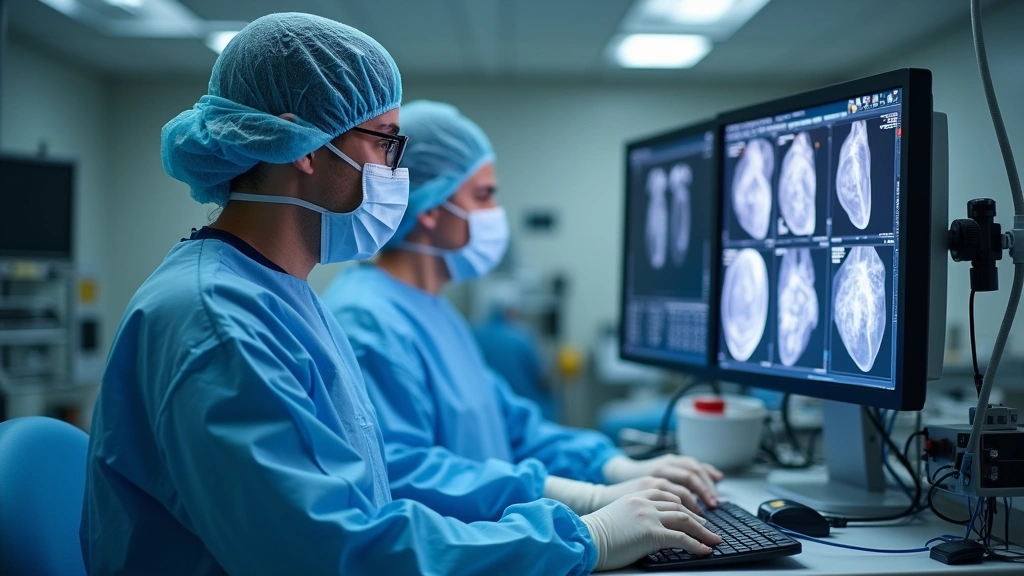
Cath lab technologists perform multiple critical functions during procedures. They operate fluoroscopic imaging equipment that provides real-time visualization of the catheter’s path through blood vessels. They prepare and maintain sterile equipment, manage the technical aspects of the procedure, document findings, and monitor patient responses. The role requires a unique blend of technical expertise, attention to detail, and the ability to remain calm under pressure.
The work environment in catheterization labs is dynamic and fast-paced. Procedures can last anywhere from 30 minutes to several hours, and technologists must maintain focus throughout. The field has seen tremendous technological advancement, with modern cath labs featuring advanced imaging systems, digital recording capabilities, and integrated electronic medical record systems. Understanding these technological aspects is crucial for anyone considering this career.
Educational Requirements and Training Programs
Pursuing cath lab tech training typically begins with foundational education. Most employers require at least a high school diploma or GED, though many prefer some college coursework. The educational pathway generally follows this sequence:
Step One: Healthcare Foundation Coursework
Before entering specialized cath lab training, many professionals complete an associate degree or certificate program in a related field. Common prerequisites include radiologic technology, nursing assistant certification, or general healthcare education. These programs typically span 12 to 24 months and provide essential knowledge about medical terminology, anatomy, physiology, and patient care principles.
Step Two: Specialized Cath Lab Training
Dedicated cath lab technologist programs vary in length and format. Some institutions offer 6-month intensive certificate programs, while others provide 12-month or 2-year associate degree programs. These programs combine classroom instruction with extensive hands-on clinical experience. The curriculum covers cardiovascular anatomy, physiology, pharmacology, radiation safety, imaging physics, and procedural techniques.
According to industry standards, comprehensive training programs should include at least 12 months of clinical experience under direct supervision. Many programs are affiliated with hospitals or medical centers, allowing students to gain real-world experience while learning.
Step Three: On-the-Job Training
Most new cath lab technologists complete additional on-the-job training lasting 6 to 12 months after graduation. During this period, they work under the supervision of experienced technologists, gradually assuming more responsibility. This apprenticeship-style training is crucial for developing the judgment and skills required for independent practice.
Certification and Licensure Pathways
While certification requirements vary by state and employer, obtaining professional credentials significantly enhances career prospects. Several certification pathways are available for cath lab technologists:
Registered Cardiac Invasive Specialist (RCIS)
The RCIS credential, offered by the American College of Cardiology, is the most widely recognized certification in the field. To qualify for RCIS certification, candidates must meet specific education and experience requirements, typically involving at least two years of full-time cath lab experience and successful completion of a comprehensive examination. The RCIS exam covers cardiovascular anatomy, pathophysiology, procedural techniques, equipment operation, and patient safety protocols.
Radiologic Technologist Certification
Some cath lab technologists hold certification as Radiologic Technologists (RT), administered by the American Registry of Radiologic Technologists (ARRT). This credential validates expertise in imaging equipment and radiation safety, which are critical components of cath lab work.
Continuing Education Requirements
Maintaining certifications requires ongoing professional development. Most credentials require 30 to 40 continuing education credits every two to three years. This ensures that practitioners stay current with technological advances and best practices in the field. Stay informed about technology updates that impact your specialty.
Essential Skills and Personal Qualities
Success in cath lab technology training depends on possessing or developing specific technical and interpersonal skills. Understanding these requirements will help you assess whether this career is truly right for you.
Technical Competencies
Cath lab technologists must master complex imaging equipment and understand the physics principles underlying fluoroscopy and digital imaging. They need strong knowledge of cardiovascular anatomy, including vessel pathways, hemodynamic pressures, and normal versus abnormal findings. Problem-solving abilities are essential, as equipment malfunctions or unexpected procedural complications require quick thinking and appropriate responses.
Patient Care Skills
Direct patient interaction is a significant aspect of the role. Technologists must communicate clearly with anxious patients, explain procedures, and provide reassurance. Understanding patient psychology and demonstrating empathy helps create a more comfortable experience during often stressful medical procedures. The ability to recognize signs of patient distress and alert the clinical team is crucial.
Teamwork and Communication
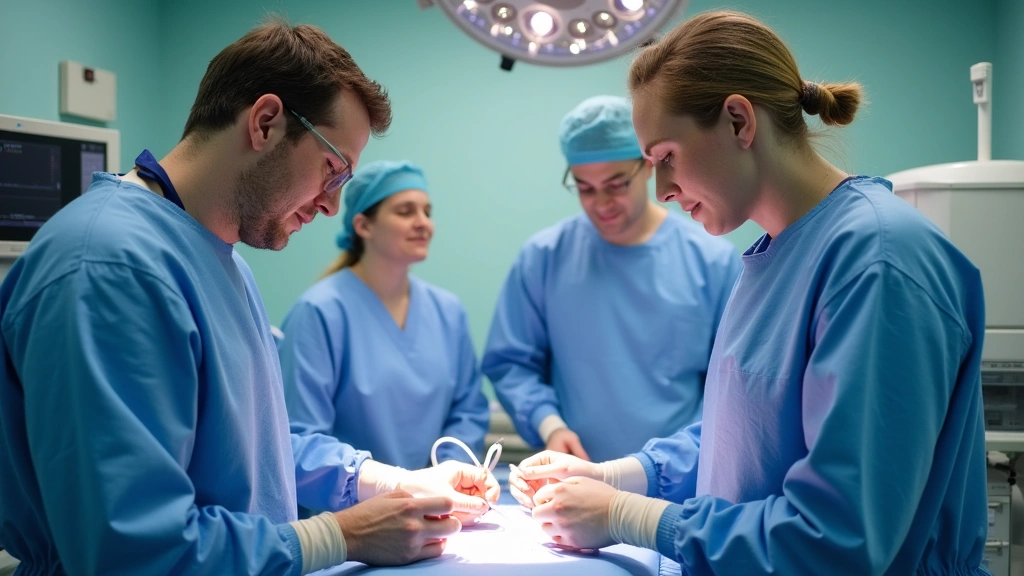
Cath lab procedures involve coordinated efforts among physicians, nurses, technologists, and support staff. Excellent communication skills, including the ability to anticipate needs and work efficiently with colleagues, are essential. The fast-paced environment demands that team members understand each other’s roles and work seamlessly together.
Attention to Detail and Safety Awareness
Radiation safety, infection control, and equipment maintenance require meticulous attention to protocols. Technologists must maintain sterile fields, monitor radiation exposure, and ensure all equipment functions properly. A single oversight could have serious consequences for patient safety.
Equipment and Technology You’ll Work With
Modern catheterization laboratories feature sophisticated medical equipment that represents the cutting edge of cardiac diagnostic and interventional technology. Understanding the equipment you’ll operate is important when considering this career path.
Fluoroscopic Imaging Systems
The cornerstone of cath lab technology is the fluoroscopic imaging system. These devices use X-rays to create real-time moving images of blood vessels and catheters. Modern systems feature digital imaging capabilities, allowing for superior image quality while minimizing radiation exposure. Technologists must understand image acquisition, manipulation, and storage procedures. Leading manufacturers like GE Healthcare continuously innovate imaging technology to improve diagnostic accuracy.
Hemodynamic Monitoring Systems
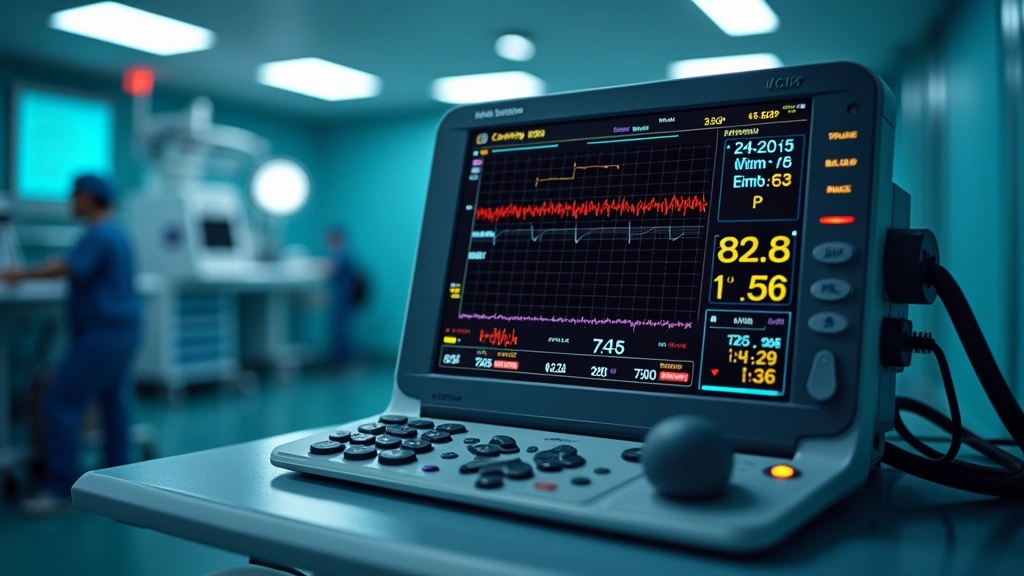
These systems measure and display blood pressure readings from various cardiac chambers and vessels. Technologists must understand normal and abnormal hemodynamic waveforms and recognize clinically significant changes during procedures. Modern systems provide real-time data analysis and trend monitoring.
Electrophysiology Equipment
Many cath labs include specialized equipment for electrophysiology studies and ablation procedures. This includes electrocardiographic systems, stimulation equipment, and three-dimensional mapping systems. Learning to operate this equipment requires specialized training but significantly expands career opportunities.
Digital Recording and Storage Systems
Contemporary cath labs utilize digital systems for recording procedures, storing images, and integrating with electronic health records. Technologists must be proficient with these systems, understanding data management, quality assurance, and archival procedures. The transition to digital technology has made IT literacy an increasingly important skill in the field.
Salary, Job Outlook, and Career Growth
Career prospects in cath lab technology are generally positive, with favorable salary expectations and growth opportunities. Understanding the financial and career trajectory aspects is crucial for decision-making.
Compensation and Benefits
According to Bureau of Labor Statistics data, cardiovascular technologists, including cath lab technologists, earn competitive salaries that vary based on experience, location, and employer type. Entry-level technologists typically earn between $35,000 and $45,000 annually, while experienced professionals with advanced certifications earn $55,000 to $75,000 or more. Many positions include benefits such as health insurance, retirement plans, continuing education support, and shift differentials for evening or weekend work.
Job Market Outlook
The demand for cath lab technologists continues to grow, driven by an aging population with increased cardiovascular disease prevalence and technological advances enabling more interventional procedures. The Bureau of Labor Statistics projects steady growth in cardiovascular technologist positions over the coming decade, with particularly strong demand in urban and suburban areas with major medical centers.
Career Advancement Opportunities
Cath lab technologists have numerous pathways for professional advancement. Many transition into supervisory or management roles, overseeing cath lab operations and staff. Others pursue advanced certifications in specialized areas such as electrophysiology or structural heart disease. Some technologists advance their education to become nurses, physician assistants, or healthcare administrators. Consider tech-focused healthcare roles that leverage your technical foundation in new ways.
Challenges and Considerations
While cath lab technology offers rewarding career prospects, the field presents real challenges that deserve careful consideration before committing to training.
Radiation Exposure
Working in an environment with ionizing radiation requires strict adherence to safety protocols. Although modern equipment and protective measures significantly reduce exposure, the cumulative effects of radiation over a career span remain a legitimate concern. Technologists must understand radiation physics and consistently practice protective measures including wearing lead aprons, using lead-lined shields, and maintaining appropriate distance from radiation sources.
Physical Demands
Cath lab work involves prolonged standing, sometimes in uncomfortable positions, during lengthy procedures. The physical demands can lead to back pain, fatigue, and other musculoskeletal issues over time. The fast-paced environment also creates mental fatigue and stress, particularly when managing complex procedures or emergency situations.
Emotional and Psychological Stress
Working with seriously ill patients, witnessing complications, and dealing with patient anxiety can create emotional challenges. Some technologists experience compassion fatigue or secondary traumatic stress. Developing healthy coping mechanisms and maintaining work-life balance become increasingly important in this field.
Ongoing Education Requirements
The rapid pace of technological advancement in cardiac care means continuous learning is necessary. Maintaining certifications, staying current with new equipment, and adapting to procedural innovations require sustained commitment to professional development. This ongoing education demands both time and financial investment.
Is Cath Lab Tech Training Right for You?
Determining whether cath lab technology aligns with your career goals requires honest self-assessment across multiple dimensions.
Assess Your Interests and Aptitudes
If you’re fascinated by cardiovascular medicine, enjoy working with sophisticated technology, and thrive in fast-paced clinical environments, cath lab technology could be an excellent fit. Consider whether you have strong spatial reasoning abilities, as understanding three-dimensional vessel anatomy and catheter positioning is fundamental. Your comfort level with technology and willingness to master complex equipment are also important considerations.
Evaluate Your Personal Strengths
Reflect on your communication skills, ability to work as a team member, and capacity to handle stress. Do you remain calm under pressure? Can you maintain focus during extended periods? Are you detail-oriented and committed to safety protocols? Can you empathize with patients while maintaining professional boundaries? These qualities significantly influence success in the field.
Consider Your Life Circumstances
Cath lab positions often require shift work, including evenings, weekends, and on-call availability. Some positions demand travel for specialized procedures or training. Consider whether your personal situation accommodates these scheduling demands. The physical demands of the job may also be relevant if you have health considerations.
Research Real-World Experience
Before committing to formal training, seek opportunities to observe cath lab operations or shadow experienced technologists. Many programs require clinical rotations that provide authentic exposure to the work environment. These experiences offer invaluable insight into daily realities versus idealized expectations.
Plan Your Educational Path
Research accredited programs in your region, comparing curriculum, clinical affiliation quality, and graduate outcomes. Consider whether you prefer a shorter certificate program or a longer associate degree program. Evaluate program costs and potential return on investment based on local job market conditions and salary expectations.
If you’re ready to move forward, explore detailed cath lab tech career information to understand specific requirements in your area. Additionally, reviewing cardiac tech career paths can help you understand related opportunities that might complement your cath lab expertise.
FAQ
How long does cath lab tech training typically take?
Most comprehensive cath lab technologist programs last 12 to 24 months, combining classroom instruction with clinical training. Some intensive certificate programs can be completed in 6 months, though these may require prerequisite healthcare education. Most employers expect an additional 6 to 12 months of on-the-job training after program completion before technologists work independently.
Is certification required to work as a cath lab technologist?
Certification requirements vary by state and employer. While not universally mandated, the RCIS credential is highly preferred by most employers and significantly enhances job prospects and earning potential. Some states have specific licensure requirements, so check regulations in your area before pursuing training.
What is the difference between a cath lab technologist and a cardiovascular technologist?
Cardiovascular technologists is a broader category that includes professionals working in various cardiac settings, including cath labs, echocardiography departments, and stress testing facilities. Cath lab technologists specialize specifically in catheterization laboratory work, though many cardiovascular technologists work in multiple settings during their careers.
Can cath lab technologists advance to other healthcare roles?
Yes, many cath lab technologists use their experience as a foundation for advancement. Some pursue nursing degrees, becoming registered nurses with specialized cardiac knowledge. Others advance to supervisory or management roles, program director positions, or pursue education in related fields like physician assistant or healthcare administration. The technical and clinical skills developed in cath lab work provide excellent preparation for various healthcare careers.
What is the job market like for cath lab technologists?
The job market for cath lab technologists is generally strong and growing. The aging population and increasing prevalence of cardiovascular disease drive demand for these professionals. Major medical centers, hospitals with cardiac programs, and specialized cardiac facilities actively recruit trained technologists. Job availability varies by geographic region, with better opportunities typically in urban and suburban areas with large medical centers.
How much radiation exposure do cath lab technologists experience?
Modern cath labs employ numerous protective measures to minimize radiation exposure, including lead aprons, lead-lined shields, distance maintenance, and time limitations. When proper protocols are followed, radiation exposure for cath lab technologists remains within acceptable occupational limits. However, radiation exposure is cumulative, and technologists should understand the risks and strictly adhere to safety protocols throughout their careers.
Are there specialization options within cath lab technology?
Yes, cath lab technologists can specialize in various areas including electrophysiology, structural heart interventions, peripheral vascular procedures, and advanced hemodynamic monitoring. These specializations typically develop through on-the-job training and additional certifications, offering increased career variety and often higher compensation.


