Best Smartwatches of 2023? Expert Picks and Reviews
The smartwatch market has exploded with innovation, offering devices that go far beyond telling time. Whether you’re tracking fitness metrics, monitoring heart health, or staying connected on the go, the best smartwatches of 2023 deliver cutting-edge technology wrapped around your wrist. From premium flagship models to budget-friendly alternatives, we’ve tested and analyzed the top contenders to help you find the perfect match for your lifestyle and needs.
Smartwatches have become essential wearables for health-conscious consumers and tech enthusiasts alike. With features like advanced health sensors, GPS tracking, and seamless smartphone integration, today’s smartwatches offer comprehensive insights into your daily activities. Like professionals in specialized fields such as cath lab technology, smartwatch developers leverage sophisticated sensor technology to monitor vital signs with clinical-grade accuracy. This guide breaks down everything you need to know about selecting the right smartwatch for 2023.
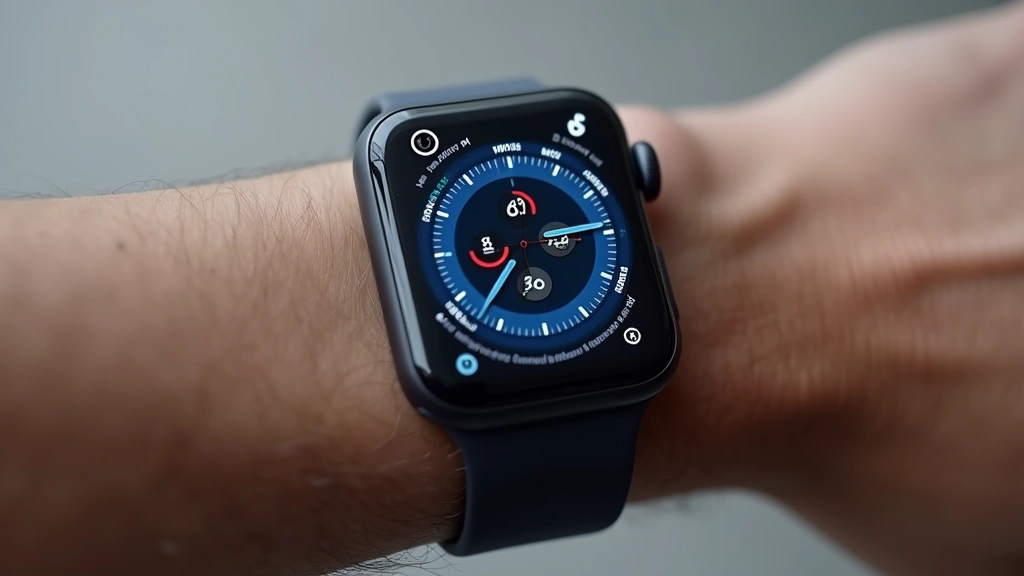
Apple Watch Series 9: The Gold Standard
Apple’s flagship smartwatch continues to dominate the premium segment with the Series 9, introducing the revolutionary Double Tap gesture control that lets you interact with your watch using just two taps on the watch face. This innovation represents a significant leap in accessibility and convenience, allowing users to answer calls, dismiss alarms, and navigate apps without touching the screen.
The Series 9 features Apple’s custom S9 chip, delivering 20% faster performance compared to its predecessor. The always-on Retina display reaches 3,000 nits of brightness, making it readable even in direct sunlight. Battery life remains at approximately 18 hours per charge, requiring daily charging but ensuring you never miss important notifications throughout the day.
Health tracking on the Series 9 is comprehensive, including ECG functionality, blood oxygen monitoring, temperature sensing, and fall detection. The watch can detect irregular heart rhythms and alert you to potential atrial fibrillation, making it invaluable for users concerned about cardiovascular health monitoring. Integration with Apple Health ecosystem provides seamless data synchronization across all your Apple devices.
Pricing starts at $399 for the standard 41mm model, with cellular variants and larger sizes available. According to The Verge’s comprehensive testing, the Series 9 remains the most intuitive smartwatch for iPhone users, particularly those already invested in the Apple ecosystem.
Samsung Galaxy Watch 6: Android Excellence
Samsung’s Galaxy Watch 6 represents the pinnacle of Android smartwatch design, offering a stunning 1.3-inch AMOLED display with 432×432 pixel resolution. The rotating bezel returns as a flagship feature, providing tactile navigation that feels premium and responsive. The watch runs Wear OS 3.5 with Samsung’s One UI customization, delivering a smooth and intuitive user experience.
Performance-wise, the Galaxy Watch 6 utilizes the Exynos W920 processor, handling demanding apps and multitasking with ease. The 16GB storage capacity provides ample space for apps, music, and offline maps. Battery life extends to approximately two days under normal usage, significantly outlasting the Apple Watch Series 9 and reducing charging frequency.
The health suite includes blood oxygen monitoring, heart rate tracking, sleep analysis, and stress measurement. Samsung’s proprietary BioActive Sensor combines multiple sensors into a single unit, improving accuracy while reducing power consumption. Users can track over 100 workout types, with AI-powered recognition automatically detecting when you begin exercising.
Pricing starts at $299 for the 40mm model, making it $100 cheaper than Apple’s equivalent offering. CNET reviewers praised the Galaxy Watch 6’s value proposition, particularly for Android users seeking premium features without flagship pricing.
Garmin Epix Gen 2: Adventure-Ready Performance
For outdoor enthusiasts and athletes, the Garmin Epix Gen 2 stands as the ultimate adventure smartwatch, combining rugged durability with sophisticated sports tracking. The device features a 1.3-inch AMOLED display with always-on capability, delivering vibrant colors and excellent visibility in all lighting conditions. The titanium bezel and Gorilla Glass construction provide superior protection against scratches and impacts.
Battery performance is exceptional, with up to 11 days in smartwatch mode and 42 hours in GPS mode. This extended battery life makes the Epix Gen 2 ideal for multi-day expeditions and endurance activities where charging opportunities are limited. The watch includes offline mapping capabilities, allowing you to download detailed topographic maps for navigation in remote areas.
Garmin’s sports tracking ecosystem is unmatched, supporting over 30 different sports modes with tailored metrics for each activity. The watch includes training status monitoring, recovery time recommendations, and VO2 max estimation. Advanced metrics like Training Load Focus help athletes understand whether their training emphasizes endurance, strength, or speed.
Health features include 24/7 heart rate monitoring, pulse oximetry, respiration tracking, and menstrual cycle tracking. The watch provides personalized wellness recommendations based on your physiological data. Pricing reaches $799 for the AMOLED variant, positioning it as a premium option for serious athletes and outdoor adventurers.
Fitbit Sense 2: Health-Focused Innovation
Google’s Fitbit Sense 2 prioritizes comprehensive health monitoring over flashy features, making it ideal for users focused on wellness and medical-grade tracking. The watch includes an ECG app, skin temperature sensor, and stress management tools powered by Google’s AI algorithms. The SpO2 monitoring provides continuous blood oxygen tracking throughout the day and night.
The 1.58-inch AMOLED display offers excellent readability with a 336×383 pixel resolution. Battery life reaches six days under typical usage, reducing charging frequency and improving daily convenience. The watch weighs just 37 grams, making it exceptionally comfortable for all-day wear, even during sleep when sleep tracking is active.
Fitbit’s strength lies in its integration with Google Fit and broader Google services. Users can sync data with Android phones seamlessly, accessing comprehensive health dashboards and AI-powered insights. The watch includes SpO2 Pattern Recognition, which identifies irregular patterns that might indicate sleep apnea or other respiratory issues.
Pricing starts at $299, matching Samsung’s Galaxy Watch 6 but offering a different value proposition focused on health rather than general-purpose computing. GSMArena’s detailed specifications confirm the Sense 2’s sensor sophistication, particularly for medical-grade monitoring capabilities.
Budget-Friendly Alternatives Worth Considering
Not everyone needs a $400+ smartwatch. Several excellent options deliver solid performance at lower price points. The Amazfit GTS 4 offers AMOLED display technology, 14-day battery life, and comprehensive health tracking for just $149. The watch supports over 150 workout modes and includes sleep quality analysis with personalized recommendations.
The Fossil Gen 6 provides Wear OS 3.1 compatibility with a classic design aesthetic, perfect for users who prefer traditional watch styling. Priced at $229, it includes SpO2 monitoring, heart rate tracking, and offline Google Maps. The rotating crown provides intuitive navigation similar to premium Garmin watches.
For Apple ecosystem users on a budget, the Apple Watch SE (2nd generation) delivers essential features at $249. While lacking the always-on display and newer health sensors of the Series 9, it includes fitness tracking, emergency SOS, and family setup capabilities. Learn more about technology investment trends to understand how wearable makers are evolving.
Key Features Comparison and Specifications
Understanding smartwatch specifications helps you make informed purchasing decisions. Display technology varies significantly: AMOLED screens offer superior color reproduction and always-on capability, while LCD displays consume less power but provide limited visibility. Resolution matters less than readability; a 400×400 pixel AMOLED display outperforms a 454×454 LCD screen in real-world usage.
Battery capacity and efficiency determine charging frequency. Smartwatches with large AMOLED displays typically require daily charging, while LCD devices and those with power-efficient processors may last several days. Consider your lifestyle: frequent travelers benefit from extended battery life, while desk workers can tolerate daily charging.
Processing power affects app performance and multitasking smoothness. Qualcomm’s Snapdragon 4100+ and Apple’s S9 chip represent the current performance leaders, handling complex health algorithms and demanding applications without lag. Budget smartwatches often use older processors, which is acceptable for basic fitness tracking but limiting for advanced features.
Storage capacity ranges from 4GB to 32GB. While most users don’t need extensive storage, offline music playback and detailed mapping require larger capacity. Consider whether you want music streaming capabilities; this feature requires either substantial storage or reliance on cloud services.
Health Monitoring Capabilities Explained
Modern smartwatches incorporate sophisticated sensors that rival dedicated medical devices. Optical heart rate sensors use LED light to measure blood flow, providing continuous monitoring throughout the day. Accuracy typically reaches 95-99% during steady-state activities but decreases during high-intensity exercise due to motion artifacts.
ECG functionality represents a significant health advancement, allowing detection of atrial fibrillation and other arrhythmias. The Apple Watch Series 9 and Fitbit Sense 2 include FDA-cleared ECG apps, making them valuable tools for cardiovascular health monitoring. However, they complement rather than replace professional medical evaluation. Explore how AI applications enhance health monitoring accuracy.
Blood oxygen (SpO2) monitoring measures oxygen saturation in your blood, useful for detecting sleep apnea, high-altitude acclimatization, and overall respiratory health. Most smartwatches achieve 95-97% accuracy compared to pulse oximeters, sufficient for wellness tracking but not medical diagnosis.
Temperature sensing provides baseline data for cycle tracking and illness detection. When your body temperature rises above normal, it may indicate infection or fever. Smartwatches with temperature sensors can alert you to potential health issues before symptoms become severe.
Sleep tracking analyzes your rest patterns, identifying REM, light, and deep sleep stages. AI algorithms provide personalized recommendations for improving sleep quality. While not as accurate as clinical sleep studies, smartwatch sleep tracking offers valuable insights into your rest patterns and can identify sleep disorders.

Stress monitoring uses heart rate variability and other physiological markers to assess your stress levels throughout the day. Some smartwatches provide guided breathing exercises and meditation prompts to help manage stress. This feature proves particularly valuable for users concerned about mental health and daily wellness.
Menstrual cycle tracking helps users understand their reproductive health patterns. By combining manual logging with physiological data like body temperature and heart rate variability, smartwatches can predict cycle phases and identify irregularities that might warrant medical attention.
Choosing the Right Smartwatch for Your Needs
Selecting the best smartwatch depends on your priorities, ecosystem preferences, and budget. iPhone users should strongly consider the Apple Watch Series 9 for unmatched integration and exclusive features. The seamless connection with iCloud, Apple Health, and Siri voice assistant creates a cohesive experience unavailable on other platforms.
**Android users** benefit most from the Samsung Galaxy Watch 6, which leverages Wear OS 3.5 and Samsung’s One UI for intuitive navigation. The rotating bezel provides tactile control that many users find more satisfying than touchscreen-only alternatives. Visit TechPulse Hunter’s technology coverage for ongoing smartwatch reviews and updates.
Athletes and outdoor enthusiasts should prioritize the Garmin Epix Gen 2, which offers unmatched sports tracking, extended battery life, and offline mapping. The sophisticated training metrics and recovery recommendations justify the premium price for serious fitness enthusiasts.
Health-conscious users benefit most from the Fitbit Sense 2’s medical-grade sensors and health-focused feature set. The integration with Google’s AI provides personalized wellness recommendations based on your physiological data.
Budget-conscious buyers should consider the Amazfit GTS 4, which delivers impressive features at a fraction of flagship pricing. The 14-day battery life and AMOLED display provide premium features without premium costs.

Consider your charging tolerance: if you travel frequently or prefer minimal maintenance, prioritize battery life over always-on displays. Conversely, if you rarely travel and have daily charging access, an always-on AMOLED display enhances daily usability.
Design preferences matter significantly for daily wear satisfaction. Classic designs appeal to professional environments, while sporty designs suit casual and athletic contexts. Some users prefer minimalist interfaces, while others want feature-rich experiences with extensive customization options.
Ecosystem lock-in influences long-term satisfaction. Apple Watch users benefit from exclusive health features but must remain in the Apple ecosystem. Android smartwatches offer more flexibility but potentially less seamless integration with individual manufacturers’ services.
Frequently Asked Questions
What is the most accurate smartwatch for health monitoring?
The Apple Watch Series 9 and Fitbit Sense 2 offer the most comprehensive health monitoring with FDA-cleared ECG functionality, continuous heart rate monitoring, and advanced algorithms. Garmin watches provide superior sports-specific metrics for athletes. Accuracy depends on proper fit and sensor contact with your skin; all premium smartwatches achieve 95%+ accuracy when worn correctly.
How long do smartwatch batteries typically last?
AMOLED smartwatches with always-on displays typically last 18-24 hours, requiring daily charging. LCD displays and power-efficient processors extend battery life to 3-7 days. Garmin’s specialized processors can achieve 10+ days through optimized power management. Budget your charging routine accordingly when selecting a smartwatch.
Can I use a smartwatch without a smartphone?
Most smartwatches require initial smartphone pairing for setup and app installation. However, many devices including Apple Watch and Samsung Galaxy Watch 6 offer cellular variants enabling independent operation. Garmin watches function almost entirely without smartphone dependency, making them ideal for users who prefer independence from their phones.
Are smartwatch health metrics accurate enough for medical diagnosis?
Smartwatch metrics provide valuable wellness insights but shouldn’t replace professional medical evaluation. ECG functionality offers clinical-grade accuracy for arrhythmia detection, but diagnosis requires professional interpretation. Use smartwatch data as complementary information to discuss with your healthcare provider.
Which smartwatch offers the best value for money?
The Amazfit GTS 4 provides exceptional value with AMOLED display, 14-day battery life, and comprehensive health tracking for $149. For those seeking premium features on a budget, the Apple Watch SE (2nd generation) at $249 delivers essential functionality. Samsung Galaxy Watch 6 at $299 offers premium features at competitive pricing compared to Apple.
How important is water resistance in a smartwatch?
All modern smartwatches include water resistance sufficient for daily use and swimming. Look for 5ATM (50m) minimum rating for swimming, or 10ATM (100m) for diving. Most premium smartwatches exceed these minimums, so water resistance rarely differentiates between models in the flagship segment.