
Top Certified Scrub Tech Gadgets: Expert Insights for Surgical Excellence
The surgical technology landscape has transformed dramatically over the past decade, with certified scrub tech programs now requiring professionals to master cutting-edge medical gadgets and instruments. Certified surgical technologists (CSTs) represent the backbone of operating room efficiency, managing instruments, maintaining sterile fields, and coordinating with surgical teams using sophisticated equipment. This comprehensive guide explores the essential gadgets and technologies that modern scrub techs must master, from digital instrument tracking systems to advanced surgical lighting solutions.
Whether you’re pursuing certification through rigorous certified scrub tech programs or already working in the OR, understanding the latest technological innovations can elevate your professional capabilities. The modern surgical environment demands not just technical proficiency but also technological literacy. We’ll examine the tools, devices, and systems that define contemporary scrub tech work, providing insights into how these gadgets enhance patient safety, surgical precision, and operational efficiency.
Digital Instrument Management Systems
One of the most transformative technologies in modern surgical environments is the digital instrument management system. These sophisticated platforms revolutionize how certified scrub techs track, organize, and manage surgical instruments. Systems like the Cerner SurgiChain and STERIS Instrument Tracking provide real-time visibility into instrument location, sterilization status, and maintenance history.
These gadgets employ RFID (Radio Frequency Identification) technology and barcode scanning to eliminate manual counting errors. For scrub techs pursuing or holding certification in surgical technology, proficiency with these systems is increasingly mandatory. The benefits are substantial: reduced instrument loss, improved sterilization compliance, and faster turnover between cases. Modern systems integrate with hospital information systems, allowing seamless data flow from the OR to central sterile processing departments.
The implementation of digital tracking reduces the infamous “instrument counts” that can delay surgeries by 15-30 minutes. A certified scrub tech equipped with knowledge of these systems can significantly improve OR efficiency. These platforms typically feature mobile interfaces, allowing techs to scan instruments at point-of-use, update inventory in real-time, and generate compliance reports instantly. The learning curve is minimal for professionals already familiar with basic computer interfaces, making adoption straightforward during certified scrub tech programs.
Additionally, these systems maintain comprehensive audit trails, crucial for accreditation and liability protection. They track instrument maintenance cycles, sterilization parameters, and usage patterns, helping facilities optimize their instrument inventory and reduce unnecessary purchases.
Advanced Surgical Lighting Technologies
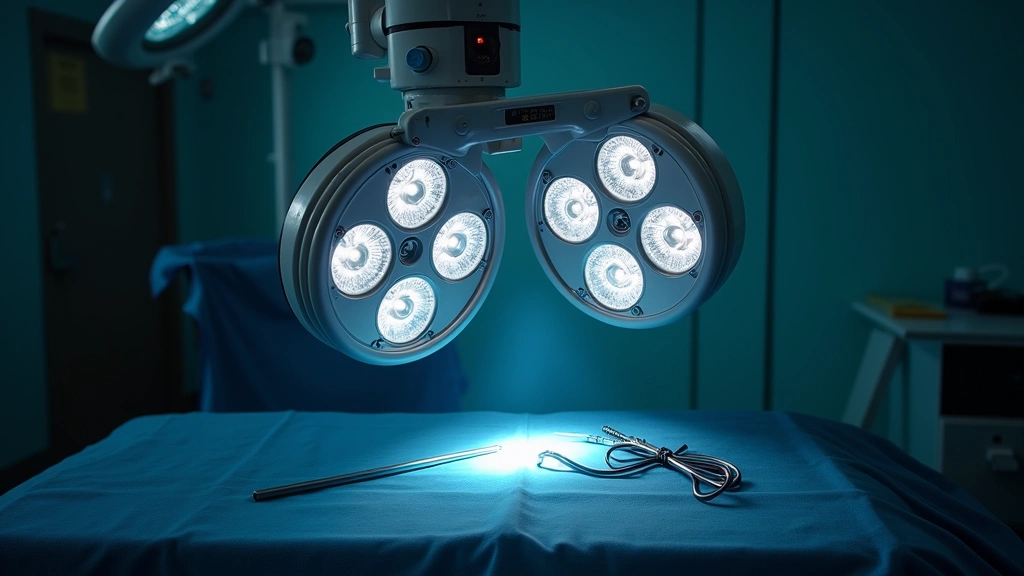
Proper illumination is fundamental to surgical success, and modern surgical lights have evolved far beyond simple overhead fixtures. LED surgical lights with color temperature control, adjustable intensity, and integrated documentation cameras represent the current standard. Systems like the Draeger HERIOS Surgical Lighting offer unprecedented control and precision.
Contemporary surgical lights feature several advanced capabilities that scrub techs must understand. Integrated documentation cameras allow real-time recording of surgical procedures, essential for training, legal documentation, and quality assurance. The certified scrub tech must know how to position lights optimally, adjust color rendering to enhance tissue visualization, and operate integrated camera systems without compromising sterility.
LED technology has revolutionized OR lighting by providing consistent color temperature (typically 4000-5000K for optimal tissue visualization), reduced heat generation, and superior energy efficiency. These lights typically feature hands-free control via foot pedals or voice activation, allowing scrub techs to adjust illumination without breaking sterile technique. The transition from halogen to LED lighting has reduced OR temperatures by up to 3-5 degrees Celsius, improving comfort for surgical teams during lengthy procedures.
Modern surgical lights also incorporate shadow-free technology, using multiple LED arrays positioned strategically to eliminate shadows in the surgical field. This advancement alone has contributed to improved surgical outcomes and reduced eye strain among OR personnel. For professionals completing certified scrub tech programs, understanding light positioning, maintenance protocols, and troubleshooting basic issues is essential curriculum content.
Robotic Assistance in the Operating Room
Robotic surgical systems represent one of the most significant technological advances in modern surgery. The da Vinci Surgical System, developed by Intuitive Surgical, has become the gold standard in robotic-assisted procedures. While surgeons operate these systems, certified scrub techs play a crucial role in setup, instrument management, and troubleshooting.
Scrub techs working with robotic systems must understand the unique instrument design, including wristed instruments that provide degrees of freedom impossible with traditional laparoscopy. The certification requirements for certified scrub tech programs increasingly include robotic surgery modules, recognizing the technology’s prevalence in modern ORs. Professionals need to master the specific instrument trays, understand sterilization requirements for robotic components, and coordinate with the robotic console during procedures.
The da Vinci system’s latest iterations, including the Xi and X models, feature improved ergonomics, enhanced visualization, and integrated advanced energy devices. Scrub techs must coordinate instrument exchanges, manage the unique cable management requirements, and ensure all instruments are properly seated in the robotic arms. A single misplaced instrument or improper connection can delay surgery or compromise safety.
Beyond the da Vinci system, emerging platforms like the Medtronic Hugo and Stryker’s Mako system are reshaping the robotic landscape. Each system requires specific training and certification pathways. The Mako system, primarily used in orthopedic surgery, demands different instrument knowledge and setup procedures than the da Vinci. For ambitious scrub techs, specializing in robotic surgery through advanced certified scrub tech programs or manufacturer-sponsored training can significantly enhance career prospects.
Real-Time Monitoring and Vital Sign Devices
Modern OR monitoring systems have become extraordinarily sophisticated, with wireless vital sign monitors, automated anesthesia delivery systems, and patient safety alarms integrated throughout the surgical environment. While anesthesiologists primarily manage these systems, certified scrub techs must understand their basic operation and integration with surgical workflow.
Continuous glucose monitoring systems, real-time blood gas analyzers, and integrated patient positioning systems all contribute to enhanced patient safety during surgery. The scrub tech’s role involves understanding how these devices integrate with the surgical field, ensuring cables and monitors don’t interfere with sterile technique, and communicating relevant data to the surgical team.
Advanced monitoring platforms use artificial intelligence to predict potential complications, alerting the surgical team to concerning trends before they become critical. Scrub techs working in facilities with AI-integrated monitoring must understand how to interpret alerts and communicate effectively with the surgical team. This technological literacy has become a differentiator among professionals completing advanced certified scrub tech programs.
Wireless monitoring technology has eliminated the cable clutter that once characterized modern ORs, improving mobility and reducing infection risk. Scrub techs benefit from this technology by having fewer obstacles in the surgical field and improved communication pathways with anesthesia and nursing staff.
Communication and Coordination Technologies
Effective communication in the OR is paramount to patient safety, and modern communication technologies have transformed how surgical teams coordinate. Integrated OR communication systems, such as those developed by STERIS and Barco, create unified communication networks where all team members hear the same information simultaneously.
These systems typically include overhead speakers, individual headsets for team members, and integration with electronic health records and surgical schedules. Certified scrub techs benefit enormously from these technologies, as they can communicate instrument needs, request assistance, or alert the team to potential issues without leaving the sterile field. The hands-free operation ensures sterility is maintained while facilitating clear, audible communication.
Many modern OR suites feature integration between communication systems and the surgical schedule, automatically routing communications to the appropriate team based on the scheduled procedure. This intelligent routing reduces communication overhead and ensures critical messages reach the relevant personnel immediately.
Video conferencing integration within OR communication systems allows remote consultation with specialists, enabling complex cases to benefit from expert input without physical presence. Scrub techs must understand how to operate these systems, position cameras appropriately, and maintain sterility while managing video feeds.
Training and Certification Gadgets for Professional Development
The path to becoming a certified surgical technologist has been enhanced by innovative training technologies. Virtual reality surgical simulation platforms allow aspiring scrub techs to practice instrument handling, develop spatial awareness, and understand surgical workflows before entering actual operating rooms. These platforms provide risk-free environments for learning, essential for patient safety and professional competence.
High-fidelity simulation models, equipped with sensors that track instrument handling, provide real-time feedback to trainees. These devices have become standard components of comprehensive certified scrub tech programs, accelerating learning curves and improving clinical readiness. The American Association of Surgical Technologists (AAST) increasingly recognizes simulation-based training as equivalent to or complementary to traditional apprenticeship models.
Augmented reality applications overlay surgical anatomy and instrument information onto actual surgical fields, assisting scrub techs in understanding complex procedures and anticipating instrument needs. These tools are particularly valuable during training phases and when encountering unfamiliar surgical approaches.
Mobile learning applications deliver continuing education content, certification exam preparation, and reference materials directly to scrub techs’ smartphones. These platforms, including dedicated apps for CSTECH exam preparation, allow professionals to maintain competency and pursue certification in surgical technology while managing busy clinical schedules. The accessibility of these tools has democratized professional development, enabling scrub techs in rural or underserved areas to access world-class training resources.
Digital credentialing platforms now manage certification maintenance, continuing education tracking, and competency assessments. These systems provide comprehensive records of professional qualifications, essential for career advancement and compliance with facility credentialing requirements.
Emerging Technologies Shaping the Future of Surgical Technology
The surgical technology landscape continues to evolve rapidly, with several emerging technologies poised to significantly impact scrub tech roles. Augmented reality systems that provide real-time surgical guidance and instrument information are moving from research environments into clinical practice. These systems overlay anatomical landmarks, instrument specifications, and procedural steps directly into the surgeon’s field of view, with scrub techs managing the AR interfaces and ensuring system accuracy.
Artificial intelligence-powered predictive systems analyze surgical data to anticipate instrument needs, predict complications, and optimize OR scheduling. Scrub techs working with these systems must understand how to interpret AI recommendations while maintaining their critical thinking and clinical judgment. The human-tech collaboration represents the future of surgical excellence.
Advanced energy devices, including plasma-based cutting and coagulation systems, are becoming increasingly sophisticated. Scrub techs must master these technologies, understand their unique safety requirements, and coordinate their use with surgeon preferences and patient-specific considerations. These devices often integrate with robotic systems, creating complex technical environments that demand comprehensive training.
3D printing technology has revolutionized surgical planning, allowing creation of patient-specific anatomical models for preoperative planning and intraoperative reference. Scrub techs increasingly coordinate with 3D printing facilities, manage printed models in the OR, and understand how these technologies enhance surgical precision. This integration of additive manufacturing into surgical workflow represents a significant evolution in how scrub techs contribute to patient outcomes.
Nanotechnology applications, including nanofiber surgical meshes and nano-enhanced instruments, are entering the market. While these applications remain relatively nascent, forward-thinking professionals pursuing advanced certified scrub tech programs should familiarize themselves with these emerging materials and their implications for surgical technique.

Professional Development and Career Advancement Through Technology Mastery
Mastery of modern surgical gadgets and technologies significantly enhances career prospects for certified scrub techs. Facilities increasingly seek technologists with expertise in robotic surgery, advanced imaging integration, and digital instrument management. Specialization in these areas often comes with salary premiums and expanded responsibility.
The relationship between technological proficiency and certified scrub tech programs has become increasingly symbiotic. Educational programs emphasize technology integration, recognizing that modern scrub techs must be comfortable with sophisticated equipment from day one of their clinical careers. This technological foundation differentiates graduates of comprehensive programs from those with minimal technical training.
For established professionals, staying current with technological advances through continuing education is essential for maintaining certification and remaining competitive. The AAST offers numerous continuing education credits for technology-focused training, encouraging professionals to deepen their expertise in specific areas.
Leadership opportunities increasingly go to technologists with advanced technical knowledge. OR managers, surgical technology educators, and clinical specialists all benefit from deep understanding of modern surgical technologies. Scrub techs pursuing advancement should consider formal education in healthcare management or specialized certification programs that emphasize technology integration.
Interdisciplinary collaboration has become essential in modern ORs, and scrub techs who understand technology deeply can serve as bridges between clinical teams, biomedical engineers, and IT departments. This expanded role recognition has elevated the profession’s status and created new career pathways.
The American Association of Surgical Technologists (AAST) provides comprehensive resources for technology-focused professional development, including certification pathways in robotic surgery and advanced surgical technology specialties. Engaging with these resources ensures scrub techs remain at the forefront of their profession.
FAQ
What gadgets are essential for certified scrub tech programs?
Modern certified scrub tech programs emphasize digital instrument management systems, robotic surgery interfaces, advanced surgical lighting controls, and OR communication platforms. Virtual reality simulation and augmented reality applications have become standard training tools. Additionally, proficiency with anesthesia monitoring systems, patient positioning devices, and integrated electronic health records is essential. Programs vary in their specific technology focus, but all accredited programs include substantial instruction in modern surgical technologies.
How do robotic surgical systems impact scrub tech roles?
Robotic systems like the da Vinci require specialized knowledge of unique instruments, cable management, and system troubleshooting. Certified scrub techs working with robots must understand the specific setup procedures, instrument compatibility, and safety protocols. While surgeons control the robot, scrub techs manage the instrument exchange, coordinate the surgical team, and ensure all components function properly throughout procedures. Specialization in robotic surgery often leads to higher compensation and expanded career opportunities.
Is certification still relevant with advancing technology?
Absolutely. Certification through the National Board of Surgical Technology and Surgical Assisting (NBSTSA) remains the gold standard credential for scrub techs. Certification requirements now include technological competencies, ensuring that certified professionals understand modern surgical environments. Maintaining certification requires continuing education, which helps professionals stay current with technological advances. Employers increasingly prefer or require certification, recognizing that certified technologists possess comprehensive knowledge including technology integration.
What training is required for advanced surgical technologies?
Most facilities require manufacturer-specific training for robotic systems, advanced energy devices, and specialized imaging platforms. Many certified scrub tech programs include introductory training in common technologies, but specialized certification often requires additional coursework or hands-on training. The AAST offers continuing education credits for technology-focused training, and many manufacturers provide certification pathways for their specific equipment. Pursuing these specialized certifications enhances career prospects and professional competence.
How can scrub techs stay current with emerging technologies?
Engaging with professional organizations like the AAST, attending surgical technology conferences, and pursuing continuing education through accredited providers ensures professionals remain current. Many technology manufacturers offer free or low-cost training for new system implementations. Reading industry publications like The Verge’s health technology coverage and CNET’s health gadget reviews provides insights into emerging technologies. Additionally, joining facility-based technology committees or innovation groups provides opportunities to influence OR technology adoption and develop expertise in cutting-edge systems.
What career opportunities exist for technologically skilled scrub techs?
Technologically proficient scrub techs can pursue roles as clinical specialists, OR managers, surgical technology educators, biomedical equipment specialists, or technology consultants. Many facilities prefer candidates with expertise in specific technologies for lead technologist positions or specialty service lines like robotic surgery or interventional radiology. Some technologists transition into healthcare IT, medical sales, or consulting roles leveraging their clinical and technical expertise. Advanced certification in surgical technology combined with technology specialization creates diverse career pathways.


