
Chattahoochee Tech’s Appalachian Campus: A Comprehensive Review of Georgia’s Hidden Educational Tech Hub
Nestled in the scenic Appalachian region of Georgia, Chattahoochee Technical College’s Appalachian Campus represents a unique intersection of rural accessibility and cutting-edge technology education. This institution has carved out a distinctive niche in technical education, serving students across a five-county region while maintaining modern facilities and industry-relevant curriculum. Whether you’re considering enrollment or evaluating regional technical education options, understanding what this campus offers—from hands-on labs to career placement support—is essential for making an informed decision.
The Appalachian Campus stands out among Georgia’s technical colleges for its commitment to bridging the digital divide in underserved communities. With comprehensive programs spanning healthcare, information technology, skilled trades, and business, the institution has become a vital resource for workforce development in North Georgia. This review examines the campus’s facilities, academic offerings, student support systems, and overall value proposition for prospective students seeking quality technical education.
Campus Overview and Facilities
The Appalachian Campus occupies a modern facility designed specifically to serve the technical education needs of North Georgia’s communities. Located in a region rich in natural beauty yet economically challenged by post-industrial shifts, the campus serves as an educational anchor for workforce development. The physical infrastructure reflects significant investment in student success, with recently renovated classroom spaces, specialized laboratory facilities, and collaborative learning areas that encourage peer interaction and knowledge sharing.
Walking through the campus, you’ll notice deliberate architectural choices that support hands-on learning. The facility includes dedicated spaces for different technical disciplines, ensuring that students in healthcare programs work in environments that simulate real clinical settings, while information technology students access industry-standard equipment and network configurations. The campus library and technology commons provide 24/7 access to digital resources, a critical feature for working students juggling employment and education. The outdoor spaces, though modest, offer respite areas that acknowledge the stress of intensive technical coursework.
Parking and accessibility have been thoughtfully addressed, recognizing that many students commute from surrounding rural areas. The campus maintains modern HVAC systems, reliable internet infrastructure, and backup power systems—critical for institutions training future technology professionals. Recent upgrades include expanded wireless coverage throughout facilities and improved laboratory equipment that mirrors industry-standard tools.
Academic Programs and Technology Integration
Chattahoochee Tech’s Appalachian Campus offers more than 30 programs across multiple disciplines, with particular strength in healthcare, skilled trades, and information technology. What distinguishes these programs is their explicit focus on current industry standards and emerging technologies. The curriculum development process involves regular consultation with regional employers, ensuring that graduates possess immediately applicable skills.
The healthcare programs—including nursing, radiologic technology, and surgical technology—incorporate simulation labs with advanced mannequins and imaging equipment. Students practice procedures in controlled environments before working with actual patients during clinical rotations. This approach mirrors what you’ll find in best laptops for students reviews that emphasize hands-on preparation; technical education requires tangible, practical experience.
Information technology offerings span cybersecurity, network administration, and software development fundamentals. The cybersecurity program has gained particular recognition, with curriculum aligned to CompTIA and vendor certifications. Students work in isolated lab networks where they can safely test security concepts, conduct penetration testing exercises, and analyze malware in sandboxed environments. This practical approach to cybersecurity education addresses the critical shortage of entry-level security professionals in the region.
The skilled trades programs—including HVAC, electrical, welding, and plumbing—provide comprehensive training with both classroom instruction and apprenticeship pathways. Students graduate with credentials recognized by licensing boards and industry associations. The equipment in these programs represents current industry standards, from modern welding machines with digital controls to programmable HVAC systems.
What’s particularly noteworthy is the integration of artificial intelligence applications into appropriate curricula. Healthcare programs introduce students to AI-assisted diagnostic tools, while IT programs explore machine learning fundamentals. This forward-thinking approach prepares graduates for a workforce increasingly shaped by automation and intelligent systems.
Learning Environment and Student Resources
The campus cultivates an environment that acknowledges the diverse backgrounds and circumstances of its student population. Many students are first-generation college attendees, working adults seeking career transitions, or individuals from economically disadvantaged backgrounds. The institution has structured support systems to address these realities without stigmatizing students.
Class sizes remain intentionally small, particularly in laboratory and hands-on courses. A cybersecurity lab might have 15-20 students per instructor, allowing individualized attention and feedback. General education courses occasionally reach 30-40 students but employ active learning strategies rather than passive lecture formats. This pedagogical approach recognizes that adult learners and technical students benefit from engagement and practical application.
The learning commons provides peer tutoring, writing assistance, and study groups coordinated by program. Students preparing for certification exams can access dedicated study materials and practice tests. The technology commons offers computer access, printing services, and technical support—essential for students without home internet or personal computers.
One distinctive feature is the campus’s commitment to hands-on technical training that emphasizes practical problem-solving over theoretical abstraction. Instructors frequently design assignments around real scenarios students will encounter professionally. An HVAC student might troubleshoot an actual residential system; a nursing student might manage a complex patient case simulation; an IT student might secure a small business network.
Technology Infrastructure and Labs
The campus maintains modern laboratory facilities that rival many four-year institutions. The IT department has invested significantly in creating environments that reflect workplace realities. Students work with current operating systems, enterprise networking equipment, and cloud platforms from major providers.
The cybersecurity lab features segregated networks where students conduct security assessments without risk to institutional systems. Equipment includes network analyzers, intrusion detection systems, and vulnerability scanning tools. Students learn ethical hacking within controlled parameters, gaining practical skills that employers desperately seek. The lab environment allows experimentation and failure—essential components of technical learning—without consequences.
Healthcare simulation labs include high-fidelity mannequins capable of simulating complex physiological responses. These systems provide immediate feedback to students, helping them recognize when procedures are performed correctly. The radiologic technology program maintains actual imaging equipment where students develop practical competency before working with patients.
Internet connectivity throughout campus supports bandwidth-intensive applications. Video streaming for distance learning components, large file transfers for design programs, and real-time collaboration tools all function reliably. The institution has also invested in cloud computing benefits for students, providing access to cloud platforms for coursework and capstone projects.
Technical support staff maintain systems proactively, minimizing downtime. Students can access IT help desk support during extended hours, critical for evening and weekend students. The institution recognizes that technology failures disproportionately impact students with limited resources—those without personal devices or backup internet options.
Career Services and Placement
Career preparation begins early in most programs at Chattahoochee Tech’s Appalachian Campus. The career services office maintains relationships with regional employers, facilitating job shadowing, internships, and direct recruitment events. Placement rates for graduates exceed 90% in most programs within six months of graduation.
The institution tracks graduate outcomes, publishing data on employment rates, average starting salaries, and job satisfaction. These metrics demonstrate accountability and help prospective students understand the return on their educational investment. Programs with lower placement rates receive additional scrutiny and curriculum adjustments to ensure relevance.
Resume writing workshops, interview preparation, and professional networking events occur regularly. The campus hosts employer panels where students hear directly from hiring managers about what they seek in entry-level employees. This direct connection between education and employment reduces the transition friction many graduates experience.
Alumni networks, though still developing, provide ongoing support for career advancement. Graduates often return as guest speakers, mentors, or hiring partners, creating pathways for continued professional development beyond the initial credential.
Student Support Services
Recognizing that technical skill alone doesn’t ensure success, the campus provides comprehensive support services addressing academic, financial, and personal challenges. Academic advising helps students select appropriate program pathways and course sequences, preventing costly mistakes like unnecessary coursework or prerequisite gaps.
Financial aid counselors assist students in navigating federal and state funding, scholarships, and work-study opportunities. Many students qualify for need-based grants that don’t require repayment, significantly reducing educational debt. The institution also maintains emergency funds for students facing unexpected hardships—unexpected car repairs, medical expenses, or housing crises that might otherwise force withdrawal.
Childcare assistance and flexible scheduling acknowledge that many students are parents. Evening and weekend courses allow working parents to pursue education without abandoning family responsibilities. Online components in most programs provide additional flexibility, though the institution carefully balances online delivery with the hands-on laboratory work essential to technical education.
Mental health and counseling services address the stress inherent in intensive technical programs. Peer support groups connect students facing similar challenges. The institution recognizes that technical education is demanding—long hours in labs, certification exam pressure, and the transition from education to professional employment all create psychological strain.
Technology Infrastructure and Equipment Quality
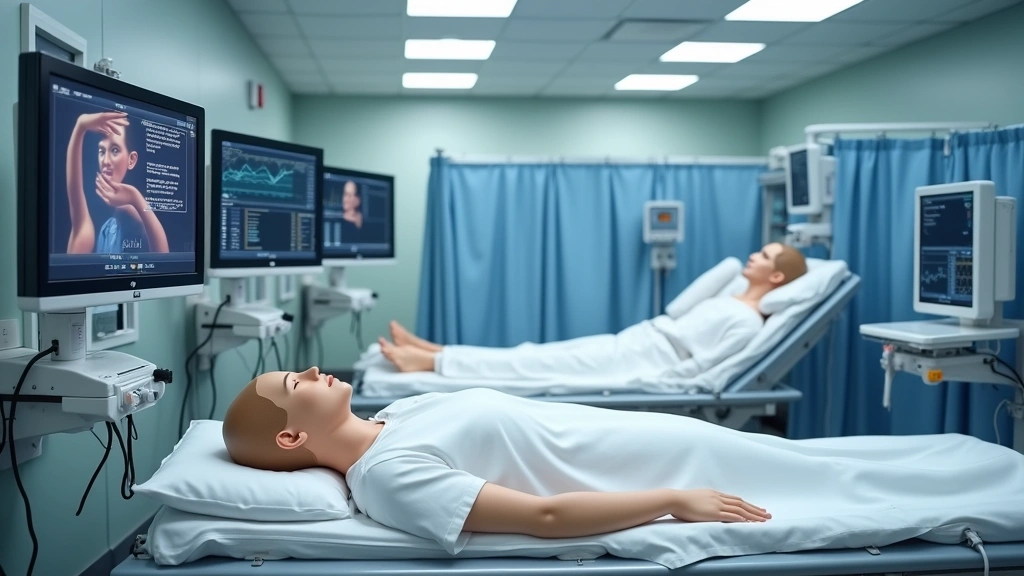
The equipment and technology available to students represents a significant institutional investment and differentiator. Unlike some technical colleges that operate with aging or outdated equipment, Chattahoochee Tech prioritizes regular upgrades to maintain currency with industry standards. This commitment ensures graduates aren’t learning on antiquated systems that don’t reflect modern workplace realities.
In healthcare programs, simulation technology has advanced dramatically. High-fidelity mannequins can simulate cardiac arrhythmias, respiratory distress, and other emergencies, allowing students to practice critical interventions repeatedly until competent. This technology-enhanced learning has been shown to improve patient safety outcomes when graduates enter clinical practice.
The welding program features both traditional stick and MIG welding stations alongside advanced robotic welding systems students will encounter in modern manufacturing. The electrical program includes smart building systems and renewable energy components—reflecting technology in renewable energy innovations that increasingly characterize the industry.
Information technology equipment spans multiple domains: servers for network training, development workstations with industry-standard software, cloud access for distributed systems learning, and security appliances for hands-on cybersecurity training. The institution maintains current licensing agreements with major software vendors, providing students access to professional-grade tools rather than consumer versions.
Community Partnerships and Industry Connections
The Appalachian Campus functions as an integral part of the regional economic ecosystem. Healthcare facilities, manufacturing companies, utility providers, and technology firms partner with the college to address workforce needs. These partnerships manifest in multiple ways: curriculum advisory boards ensure programs stay current, employers provide equipment donations, and internship placements create pathways to employment.
Regional healthcare systems benefit from a reliable pipeline of nursing and allied health professionals trained locally. Manufacturing companies depend on the skilled trades programs to develop workers capable of operating modern equipment. Utility companies partner on electrical and HVAC training, recognizing that aging infrastructure requires skilled workers for maintenance and modernization.
The institution also contributes to community technology initiatives. The campus provides computer access for community members, hosts technology training workshops, and partners with K-12 schools to introduce students to technical careers early. This community engagement recognizes that technical education serves broader regional development goals beyond individual student advancement.
Business and industry partnerships also fund scholarships and equipment. A local manufacturing firm might sponsor scholarships for welding students while donating equipment reflecting their specific needs. These relationships create win-win scenarios: students receive educational support and direct employment pathways, while employers influence curriculum to match their exact requirements.
FAQ
What are the admission requirements for Chattahoochee Tech’s Appalachian Campus?
Most programs require a high school diploma or GED and placement testing to assess readiness for college-level coursework. Some healthcare programs have additional prerequisites like anatomy or chemistry. The institution offers developmental education support for students needing foundation skill reinforcement, ensuring accessibility for students from under-resourced educational backgrounds.
What is the typical cost of attendance?
Tuition for Georgia residents averages $3,000-$5,000 per year for most programs, significantly lower than university alternatives. This affordability, combined with high placement rates and strong employment outcomes, makes the return on investment compelling. Many students graduate debt-free through grant combinations, though individual circumstances vary significantly.
Does the campus offer online learning options?
While laboratory and hands-on components require in-person attendance, many programs incorporate online general education courses and theoretical instruction. This hybrid approach balances flexibility with the essential practical training that defines technical education. The campus has invested in learning management systems and video conferencing technology to support remote instruction components.
What support exists for working students?
The institution recognizes that most students work while attending school. Evening and weekend courses, compressed schedules, and flexible attendance policies accommodate employment. The campus also offers tuition payment plans and emergency financial assistance for students facing unexpected hardships.
How does the campus support students preparing for professional certifications?
Many programs culminate in industry-recognized certifications—nursing licensure, CompTIA security certifications, welding certifications, and others. The institution provides exam preparation support, practice tests, and study materials. Instructors are often certified professionals who understand exam requirements and help students focus study efforts effectively.
What is the job placement rate after graduation?
Most programs report placement rates exceeding 90% within six months of graduation. The career services office tracks outcomes and maintains relationships with employers, facilitating direct recruitment. The institution’s focus on industry-relevant skills and regional employer partnerships contributes to strong employment outcomes.
Are there transfer opportunities to four-year institutions?
Yes, many courses carry articulation agreements with Georgia’s university system. Students completing technical degrees can transfer credits toward bachelor’s degrees in related fields. This pathway allows students to begin with affordable technical education, gain work experience, and later pursue advanced degrees without unnecessary repetition.
What makes the Appalachian Campus different from other technical colleges?
The campus’s location in an underserved Appalachian region, combined with modern facilities and strong industry partnerships, creates a distinctive value proposition. The institution serves as an economic development anchor while maintaining rigorous academic standards and practical skill development. The intimate campus environment—smaller than urban alternatives—fosters community and personalized support.


