Chrysler’s Tech Center: Innovation Hub Insight
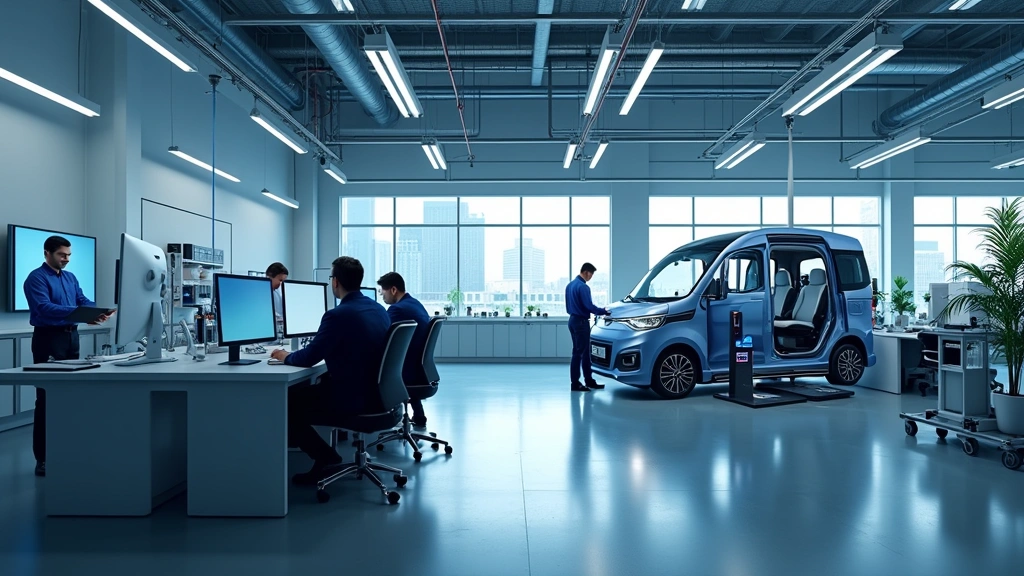
Chrysler’s technological headquarters represents one of the automotive industry’s most ambitious innovation ecosystems, serving as the creative nerve center where automotive engineering meets cutting-edge digital transformation. Located in Auburn Hills, Michigan, this sprawling facility has evolved from traditional manufacturing oversight into a comprehensive tech hub that rivals Silicon Valley operations in scope and ambition. The center orchestrates everything from autonomous vehicle development to artificial intelligence integration, making it essential viewing for anyone interested in how legacy automakers compete in the digital age.
The company’s commitment to innovation extends far beyond simple vehicle assembly—it encompasses software architecture, battery technology, and connected car ecosystems that represent the future of mobility. Understanding Chrysler’s tech infrastructure provides crucial insights into how established automotive manufacturers are reinventing themselves while maintaining production excellence and customer-focused development cycles.
The Evolution of Chrysler’s Innovation Strategy
Chrysler’s transformation from a traditional automotive manufacturer to a technology-forward organization reflects broader industry shifts toward electrification, autonomy, and digital connectivity. The company’s tech center serves as the physical manifestation of this strategic pivot, housing thousands of engineers, software developers, and research scientists dedicated to next-generation vehicle development. Unlike competitors who established separate tech divisions, Chrysler integrated its innovation hub directly within operational headquarters, enabling faster decision-making and seamless collaboration between hardware and software teams.
The facility’s design philosophy emphasizes cross-functional teamwork, with open-plan workspaces encouraging spontaneous collaboration between mechanical engineers and machine learning specialists. This architectural approach mirrors successful tech company models while maintaining automotive industry rigor and safety protocols. Investment in the tech center accelerated notably during the 2010s, coinciding with increased competition from Tesla and emerging EV manufacturers demanding rapid technological advancement.
Understanding artificial intelligence applications transforming the future provides context for Chrysler’s AI integration strategy within vehicle systems. The company recognizes that competitive advantage increasingly depends on software sophistication rather than mechanical innovation alone, driving substantial resource allocation toward AI research and development.
Core Technology Infrastructure and Capabilities
The tech center operates with sophisticated computing infrastructure supporting real-time vehicle simulation, advanced testing protocols, and massive data processing operations. Chrysler has invested heavily in high-performance computing clusters capable of running thousands of simultaneous vehicle simulations, dramatically reducing physical prototype requirements and accelerating development cycles. These systems process terabytes of sensor data daily, extracting insights that inform design iterations and safety improvements.
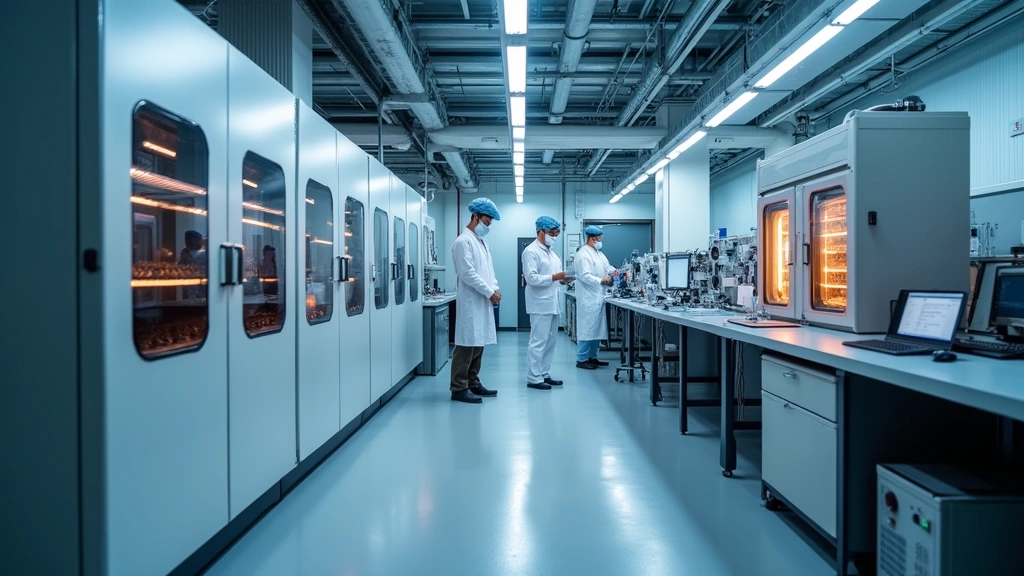
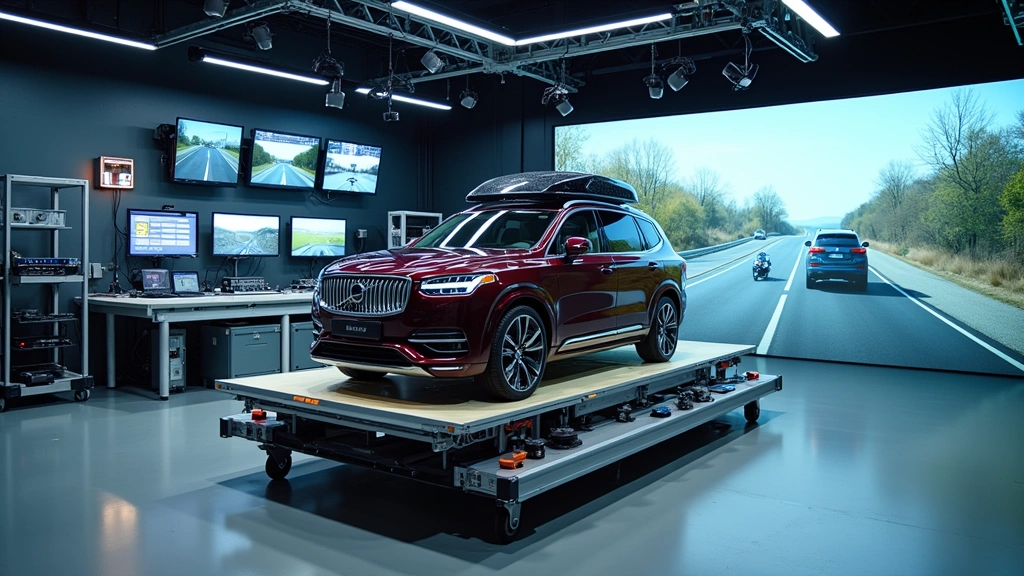
The facility houses specialized laboratories dedicated to specific technological domains: autonomous driving test environments feature 360-degree sensor arrays and controlled simulation spaces; battery research labs maintain climate-controlled testing chambers for thermal analysis; and cybersecurity operations monitor vehicle networks for vulnerabilities. This compartmentalized yet integrated approach allows deep specialization while maintaining organizational coherence.
Cloud computing benefits for businesses become apparent when examining Chrysler’s distributed computing strategy. The company leverages hybrid cloud architectures combining on-premise high-performance systems with scalable cloud resources, enabling flexible resource allocation across development teams. This infrastructure supports collaboration across multiple geographic locations, with engineers in Michigan, California, and international offices accessing shared computing resources seamlessly.
Key infrastructure components include:
- Real-time vehicle simulation platforms processing millions of scenarios daily
- Advanced sensor integration labs testing LiDAR, radar, and camera systems
- Cybersecurity operations centers monitoring connected vehicle networks
- Battery testing facilities with thermal chambers reaching extreme temperatures
- Over-the-air update systems enabling remote vehicle software deployment
- Machine learning pipelines training neural networks on driving scenarios
The tech center’s computing capacity rivals dedicated technology companies, with infrastructure spending reaching hundreds of millions annually. This substantial investment reflects Chrysler’s recognition that software increasingly defines vehicle capabilities and customer experience, necessitating computational resources previously unimaginable in automotive manufacturing.
Autonomous Vehicle Development Programs
Chrysler’s autonomous vehicle initiatives represent significant strategic bets on future mobility ecosystems. The company has partnered with technology firms and research institutions to accelerate autonomous development, operating test fleets across multiple states and gathering real-world driving data under diverse conditions. Unlike full self-driving approaches pursued by some competitors, Chrysler emphasizes level 3 and 4 autonomy in specific use cases—highway driving, parking, and traffic jam scenarios—where technological maturity justifies deployment.
The autonomous vehicle program integrates hardware and software development seamlessly, with the tech center serving as the primary research facility. Engineers work with sophisticated sensor fusion systems combining data from multiple sensor types, creating redundant perception systems essential for safety-critical applications. Testing protocols exceed regulatory requirements, with internal standards often stricter than government guidelines.
Development of autonomous capabilities demands exceptional talent acquisition and retention. Chrysler actively recruits roboticists, computer vision specialists, and machine learning engineers, competing directly with technology giants for limited talent pools. The tech center’s location in Michigan offers proximity to universities like University of Michigan and Michigan State, facilitating recruitment and research partnerships.
Real-world testing provides invaluable data for algorithm refinement. Chrysler’s test vehicles log hundreds of thousands of miles annually, encountering diverse weather conditions, traffic patterns, and edge cases. This experiential learning approach complements simulation-based development, ensuring algorithms perform reliably under actual conditions rather than controlled scenarios.
Software and Connectivity Solutions
Modern vehicles essentially function as mobile computing platforms, and Chrysler’s software strategy reflects this fundamental transformation. The tech center develops vehicle operating systems, infotainment platforms, and connected services that increasingly differentiate products in competitive markets. Unlike hardware specifications that quickly become commoditized, sophisticated software creates lasting competitive advantages and recurring revenue opportunities through subscription services.
Connectivity features enable predictive maintenance, remote diagnostics, and over-the-air updates—capabilities that improve customer experience while reducing service center visits. The company’s UConnect system represents years of refinement, evolving from basic smartphone integration to comprehensive vehicle control platforms. Software development teams continuously enhance functionality, addressing user feedback and incorporating emerging technologies.
Cybersecurity receives paramount attention, with dedicated teams ensuring vehicle networks remain protected against evolving threats. As vehicles become increasingly connected, attack surfaces expand, demanding rigorous security protocols and continuous vulnerability assessment. Chrysler’s approach emphasizes defense-in-depth strategies, with multiple security layers protecting critical vehicle systems.
The software architecture emphasizes modularity and scalability, enabling rapid feature updates without requiring complete system overhauls. Microservices architecture allows independent teams to develop and deploy components, accelerating innovation cycles. This approach mirrors successful technology company practices while maintaining automotive industry safety and reliability standards.
Battery Technology and EV Innovation
Electric vehicle development demands specialized expertise in battery chemistry, thermal management, and energy optimization—domains where Chrysler’s tech center maintains advanced research capabilities. The company invests heavily in battery technology, recognizing that EV performance, cost, and environmental impact ultimately depend on battery innovation. Research teams work on next-generation chemistries promising higher energy density, faster charging, and extended cycle life.
Battery thermal management receives particular attention, as temperature extremes significantly impact performance and lifespan. Sophisticated cooling and heating systems maintain optimal operating ranges across diverse climates and driving conditions. The tech center’s testing facilities evaluate battery behavior under extreme scenarios, ensuring reliability under worst-case conditions.
Cost reduction remains paramount, as battery expenses currently represent substantial vehicle pricing premiums. Research focuses on cheaper raw materials, improved manufacturing processes, and novel chemistries reducing dependence on scarce materials like cobalt. These efforts address both economic viability and supply chain resilience concerns.
The company’s EV strategy extends beyond passenger vehicles to commercial applications, with research into battery systems for delivery trucks and commercial fleets. This diversification hedges against passenger vehicle market uncertainties while addressing emerging commercial electrification opportunities.
Partnerships and Collaborative Ecosystems
Chrysler recognizes that technology development increasingly requires external partnerships and collaborative ecosystems. The company maintains strategic relationships with technology firms, universities, and specialized suppliers, leveraging external expertise while maintaining core competencies internally. These partnerships accelerate innovation by combining Chrysler’s automotive expertise with technology partners’ specialized capabilities.
University collaborations provide access to cutting-edge research and emerging talent. Partnerships with institutions like MIT, Stanford, and Carnegie Mellon bring academic rigor to practical development challenges. Research collaborations often precede hiring relationships, creating talent pipelines that benefit both organizations.
Supplier relationships have evolved from traditional component provision toward collaborative technology development. Chrysler works closely with sensor manufacturers, semiconductor suppliers, and software firms to integrate emerging technologies into vehicles. This collaborative approach enables faster technology adoption while distributing development costs across industry value chains.
Industry consortiums address shared challenges like vehicle communication standards and cybersecurity protocols. Participation in organizations developing autonomous vehicle standards ensures Chrysler’s voice shapes industry evolution while maintaining compatibility across manufacturer ecosystems.
Real-World Applications and Market Impact
Chrysler’s tech center innovations directly influence product development and market competitiveness. Advanced driver assistance systems developed at the facility enhance safety across vehicle lineups, reducing accidents and insurance costs. Connectivity features improve customer experience, with over-the-air updates enabling feature enhancements without service visits.
The company’s commitment to cloud computing benefits for businesses extends to customer-facing services, enabling predictive maintenance and personalized driving experiences. Connected vehicle data provides valuable insights into real-world driving patterns, informing future product development and marketing strategies.
EV product launches demonstrate technology center contributions directly affecting market position. Battery technology innovations translate into extended range, faster charging, and improved cold-weather performance—capabilities essential for EV adoption among mainstream consumers. Software sophistication in EV platforms creates differentiated experiences justifying premium pricing.
Safety innovations developed at the tech center enhance brand reputation and reduce liability exposure. Advanced collision avoidance systems, blind spot detection, and adaptive cruise control represent technology center achievements now standard across product lines. These safety features demonstrate tangible value propositions to consumers, supporting sales and brand loyalty.
The tech center’s innovations address sustainability concerns, with development of efficient powertrains and optimized energy management systems reducing environmental impact. As regulatory requirements tighten globally, technology center achievements in emissions reduction and efficiency become increasingly valuable competitive differentiators.
Understanding how to upgrade laptop memory illustrates broader principles of technological enhancement applicable to vehicle systems. Just as computing performance improves through hardware upgrades, vehicle capabilities advance through systematic technology integration and refinement.
FAQ
What specific technologies does Chrysler’s tech center develop?
Chrysler’s facility focuses on autonomous driving systems, battery technology, vehicle connectivity platforms, software development, cybersecurity, and artificial intelligence integration. The center coordinates development across multiple technology domains, ensuring cohesive advancement of next-generation vehicle capabilities.
How does Chrysler’s tech center compare to Tesla’s operations?
While Tesla operates as a vertically integrated technology-first company, Chrysler maintains traditional automotive manufacturing expertise while rapidly building technology capabilities. Chrysler’s approach emphasizes integrating technology within established manufacturing and supply chain infrastructure, whereas Tesla built technology capabilities from inception. Both strategies offer advantages—Chrysler’s established customer base and manufacturing expertise versus Tesla’s technology-first agility.
What career opportunities exist at Chrysler’s tech center?
The facility actively recruits software engineers, machine learning specialists, roboticists, battery researchers, and systems engineers. Positions span entry-level through senior research roles, with competitive compensation and access to cutting-edge technology projects. The tech center offers career progression opportunities for talented individuals interested in automotive technology transformation.
How does Chrysler ensure vehicle cybersecurity at the tech center?
Dedicated cybersecurity teams maintain continuous threat monitoring, conduct penetration testing, and implement defense-in-depth strategies protecting connected vehicle systems. The center works with external security researchers and participates in industry initiatives establishing cybersecurity standards. Regular security audits and updates ensure protection against evolving threats.
What is Chrysler’s timeline for autonomous vehicle deployment?
Chrysler targets level 3 autonomy deployment in specific use cases during the mid-2020s, with broader level 4 capabilities following as technology matures and regulatory frameworks clarify. The company emphasizes realistic timelines over aggressive promises, prioritizing safety and reliability over rapid deployment.
How does the tech center support the TechPulseHunter blog main hub mission of technology education?
Chrysler’s innovations inform technology education by demonstrating practical applications of advanced concepts. Understanding automotive technology transformation provides valuable context for technology careers and industry trends, making Chrysler’s work relevant to technology enthusiasts and professionals seeking industry insights.
What role does artificial intelligence play in Chrysler’s development strategy?
AI powers autonomous driving algorithms, predictive maintenance systems, and manufacturing optimization. Machine learning enables vehicle systems to improve over time, adapting to driver preferences and environmental conditions. AI integration represents a fundamental shift in how vehicles function, making it central to Chrysler’s technology strategy.
How can professionals stay informed about Chrysler’s technology developments?
Following industry publications like The Verge and CNET provides technology news coverage including Chrysler developments. Company press releases and official Chrysler announcements offer authoritative information about technology initiatives. Academic publications covering autonomous vehicles and battery research provide deeper technical insights.


