Chrysler Tech Center: Innovation Hub Explored
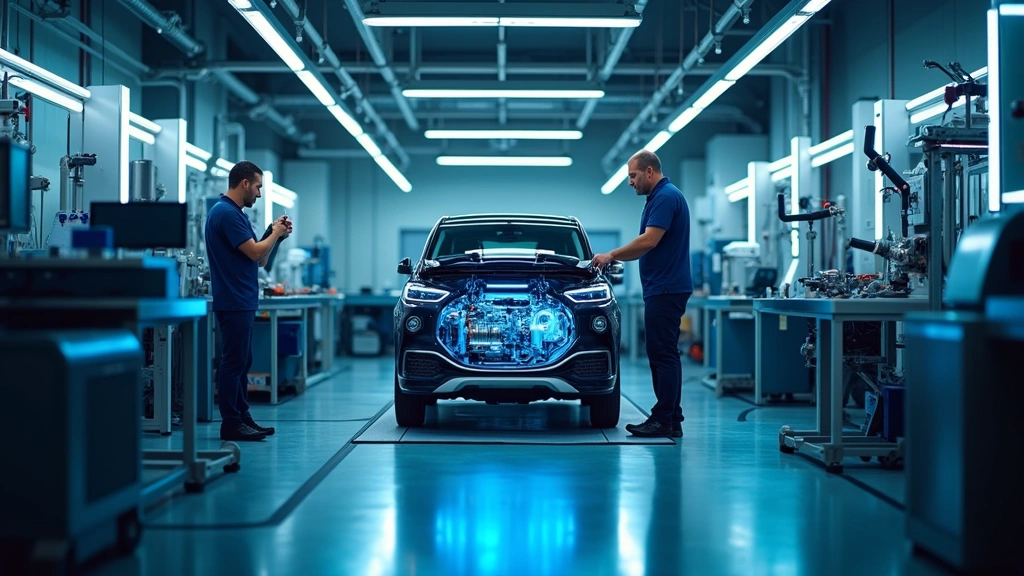
The Chrysler Tech Center stands as one of the automotive industry’s most significant research and development facilities, representing decades of innovation and technological advancement in vehicle engineering. Located in Auburn Hills, Michigan, this sprawling complex serves as the creative powerhouse behind Chrysler’s most groundbreaking vehicles and features. The facility encompasses over 3.5 million square feet of cutting-edge laboratory space, engineering workstations, and prototype development areas where the future of automotive technology takes shape.
Since its establishment in 1991, the Chrysler Tech Center has been instrumental in developing some of the most transformative technologies in the automotive sector. From advanced safety systems to revolutionary powertrain designs, this innovation hub continues to push the boundaries of what’s possible in vehicle engineering. The center employs thousands of engineers, designers, and technicians who collaborate on projects that define the next generation of transportation solutions.
History and Development of the Chrysler Tech Center
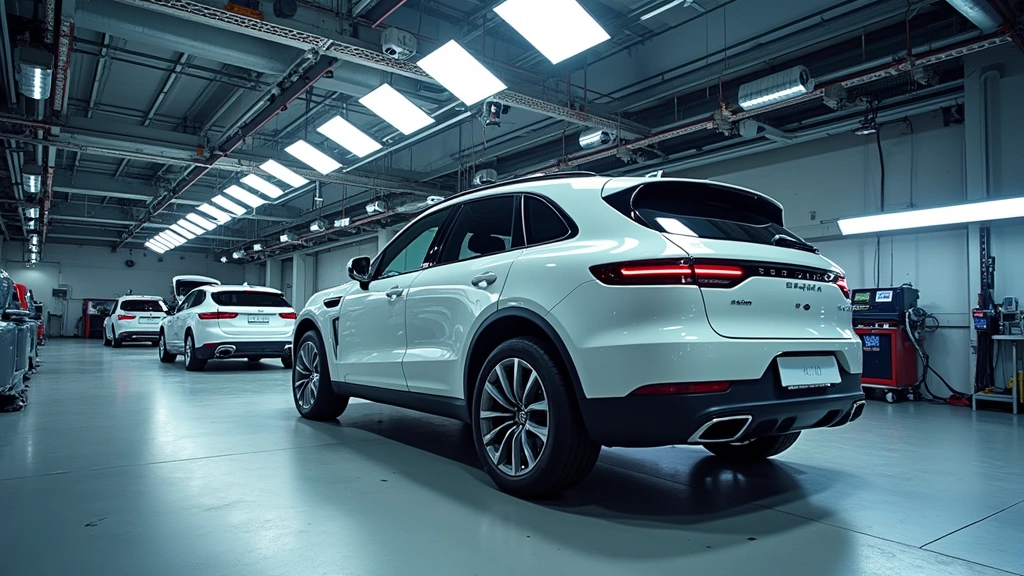
The Chrysler Tech Center represents a pivotal moment in automotive history when Chrysler Corporation committed substantial resources to establishing a world-class research facility. Opened in 1991, the center was designed to consolidate engineering operations that were previously scattered across multiple locations. This consolidation enabled unprecedented collaboration among engineers, designers, and researchers working on different vehicle platforms and technologies.
The facility’s creation came at a critical juncture for Chrysler, following the company’s financial recovery in the late 1980s. Management recognized that sustained competitiveness required investment in innovation infrastructure. The center’s design prioritized flexibility and connectivity, allowing teams to move seamlessly between different departments and project groups. This architectural philosophy directly influenced the center’s effectiveness in fostering cross-disciplinary innovation.
Throughout the 1990s and 2000s, the Chrysler Tech Center became the birthplace of iconic vehicles and technologies. Engineers here developed the minivan platform that dominated the market, created the Dodge Viper’s revolutionary performance engineering, and pioneered numerous safety features that became industry standards. The facility’s reputation grew as a destination for automotive talent, attracting top engineers from around the world.
Facility Overview and Architecture
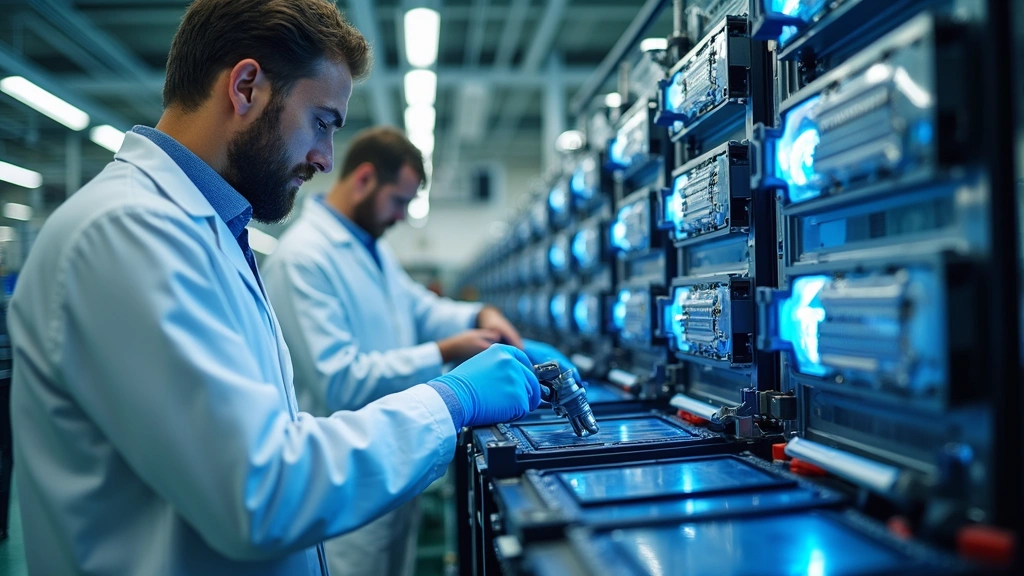
The Chrysler Tech Center’s architectural design reflects its mission as an innovation powerhouse. The facility spans 3.5 million square feet across multiple interconnected buildings, creating a campus-like environment that encourages collaboration. The main engineering building features an innovative atrium design that allows natural light to penetrate deep into the workspace, reducing energy consumption while improving worker productivity and morale.
The center’s layout includes dedicated zones for different engineering disciplines: powertrain development, vehicle dynamics, electrical systems, and software engineering. Each zone contains specialized equipment tailored to its function, from dynometer testing cells to climate-controlled wind tunnels. The facility also features advanced computer centers housing supercomputers capable of performing complex simulations that would have been impossible just decades ago.
One of the most distinctive features is the Vehicle Integration Center, where complete vehicles are assembled for testing and evaluation. This space allows engineers to conduct comprehensive testing across multiple systems simultaneously, identifying integration issues before vehicles reach production. The center’s design emphasizes safety, with multiple emergency protocols and containment systems protecting both personnel and equipment.
Advanced Engineering Laboratories
The Chrysler Tech Center houses some of the most sophisticated engineering laboratories in the automotive industry. These facilities enable engineers to push technological boundaries and solve complex engineering challenges that define modern vehicle performance. The laboratories are organized by discipline, each equipped with specialized instrumentation and equipment designed for specific testing and development tasks.
The powertrain laboratory represents one of the center’s crown jewels, featuring multiple dynamometer test cells where engines and transmissions undergo rigorous evaluation. Engineers can test engines under virtually any operating condition imaginable, from extreme cold starts to sustained high-temperature operation. This capability allows rapid iteration and optimization of engine designs, significantly reducing development timelines.
Electrical and electronics laboratories focus on the increasingly complex systems that control modern vehicles. Engineers test battery technologies, power electronics, and control modules in environments that simulate real-world conditions. With the automotive industry’s shift toward electrification, these labs have become critical to developing the next generation of sustainable energy solutions in transportation.
The materials testing laboratory examines how different materials perform under stress, temperature extremes, and corrosion. This research is fundamental to developing lighter, stronger vehicles that improve fuel efficiency without compromising safety. Engineers can test everything from advanced composites to specialized alloys, pushing material science forward in ways that benefit the entire transportation industry.
Vehicle Design and Prototyping
The design and prototyping capabilities at the Chrysler Tech Center represent the convergence of art and engineering. The facility includes state-of-the-art design studios where clay models and digital renderings transform into physical prototypes. Designers and engineers work collaboratively to ensure that vehicles are not only aesthetically appealing but also aerodynamically optimized and functionally superior.
The prototyping process at the center has evolved dramatically with technological advancement. While traditional clay modeling remains important for visualizing design concepts, digital design tools now play an equally critical role. Engineers use artificial intelligence and advanced simulation software to predict how design changes will affect vehicle performance, safety, and manufacturing feasibility.
The center’s fabrication shops can build functional prototypes quickly, allowing engineers to test concepts before committing to expensive tooling and production setup. This rapid prototyping capability has become increasingly important as vehicle development cycles compress and market demands for innovation accelerate. Teams can iterate through multiple design generations in timeframes that would have been impossible a decade ago.
One particularly innovative aspect of the prototyping process involves virtual reality integration. Engineers can now immerse themselves in digital vehicle environments, experiencing designs from a driver’s perspective before physical prototypes exist. This technology has revolutionized the design process, catching potential usability and ergonomic issues early in development when changes are relatively inexpensive.
Automotive Safety Innovation
Safety represents a paramount concern throughout the Chrysler Tech Center’s research agenda. The facility houses dedicated crash testing laboratories and safety evaluation centers where engineers conduct thousands of tests annually. These facilities enable Chrysler to exceed regulatory requirements and develop safety technologies that protect occupants in increasingly diverse accident scenarios.
The center’s crash test facilities include sophisticated equipment for testing vehicles at various angles, speeds, and impact conditions. Engineers can replicate real-world accident scenarios with precision, analyzing how vehicles respond and identifying opportunities for improvement. The data collected from these tests feeds directly into vehicle design refinement and safety system development.
Advanced safety features developed at the center include sophisticated airbag systems, structural designs that optimize crash energy absorption, and electronic stability control technologies. Engineers also develop pedestrian protection systems that minimize injury if vehicles strike pedestrians. This holistic approach to safety has made Chrysler vehicles consistently rank highly in independent safety ratings.
The integration of sensors and software into vehicle safety systems represents one of the center’s most significant recent innovations. Engineers develop systems that can detect potential collisions and take preventive action, potentially avoiding accidents altogether. These systems require sophisticated algorithms and real-time processing capabilities that represent the cutting edge of automotive technology.
Electric Vehicle Technology Development
The Chrysler Tech Center has become increasingly focused on electric vehicle technology as the automotive industry undergoes its most significant transformation in over a century. The facility houses dedicated laboratories for battery research, electric motor development, and high-voltage power systems. This work positions Chrysler to compete effectively in the rapidly growing electric vehicle market.
Battery technology represents a critical focus area, with engineers researching advanced chemistries, thermal management systems, and charging technologies. The center’s battery laboratories can test cell and pack performance under diverse conditions, optimizing designs for range, safety, and longevity. Engineers collaborate with battery manufacturers and material scientists to advance the state of the art in energy storage.
Electric motor development at the center focuses on efficiency, performance, and reliability. Engineers design motors that deliver the performance customers expect while maximizing energy efficiency. The integration of motor controllers and power electronics requires sophisticated engineering that represents a significant departure from traditional internal combustion engine development.
The center also leads research into charging infrastructure compatibility and fast-charging technologies. Engineers work to ensure that Chrysler electric vehicles can effectively utilize the growing network of public charging stations while developing proprietary technologies that provide competitive advantages. This infrastructure compatibility work is essential to the practical adoption of electric vehicles by mainstream consumers.
Software and Autonomous Systems
Modern vehicles are increasingly defined by their software capabilities, and the Chrysler Tech Center has invested heavily in developing cutting-edge software and autonomous driving technologies. The facility includes dedicated software development centers where engineers write the millions of lines of code that control everything from engine operation to advanced driver assistance systems.
The autonomous systems laboratory focuses on developing self-driving technologies that promise to revolutionize transportation. Engineers work with sophisticated sensor suites, including cameras, radar, and lidar, integrating their inputs through advanced machine learning algorithms that enable vehicles to understand their environment and make driving decisions. This research represents one of the most challenging engineering problems in the industry.
Software development at the center emphasizes safety, security, and reliability. Engineers implement rigorous testing protocols to ensure that software performs reliably under all conditions. The complexity of automotive software has grown exponentially, with modern vehicles containing more computing power than the spacecraft that landed on the moon. Managing this complexity requires sophisticated development methodologies and testing frameworks.
The center also focuses on cybersecurity, recognizing that connected and autonomous vehicles face unique security challenges. Engineers develop systems that protect vehicles from hacking and unauthorized access, ensuring that safety-critical systems remain secure even as vehicles become more connected. This work involves collaboration with cybersecurity experts and continuous adaptation as threat landscapes evolve.
Sustainability Initiatives
Environmental responsibility guides much of the research conducted at the Chrysler Tech Center. The facility itself operates with sustainability in mind, featuring energy-efficient systems, renewable energy integration, and waste reduction programs. This commitment to sustainability extends to the vehicles and technologies developed within the center’s walls.
Engineers focus on reducing vehicle weight through advanced materials and design optimization, directly improving fuel efficiency and reducing emissions. Research into lightweight composites, aluminum alloys, and innovative structural designs enables vehicles to achieve better performance while consuming less energy. This work directly supports renewable energy and sustainable transportation initiatives.
The center’s research into alternative fuels extends beyond electric vehicles. Engineers investigate hydrogen fuel cell technologies, biofuels, and other energy sources that could reduce transportation’s environmental impact. This diversified approach recognizes that different solutions may be optimal for different vehicle types and use cases.
Water management and emissions reduction are also critical focus areas. The center’s testing facilities incorporate advanced water treatment systems and emissions capture technologies. Engineers work to minimize the environmental impact of vehicle testing and development, recognizing that sustainable practices during vehicle development contribute to overall industry sustainability.
Future Technologies and Roadmap
The Chrysler Tech Center’s future roadmap reflects the industry’s evolving landscape and consumer expectations. The facility continues to expand its capabilities in electric vehicle technology, autonomous systems, and software development. Investment in artificial intelligence and machine learning represents a significant growth area, with engineers developing systems that can learn and adapt to improve vehicle performance and user experience.
Connectivity represents another major focus area, with engineers developing technologies that integrate vehicles into broader smart city and Internet of Things ecosystems. Future vehicles will communicate with infrastructure, other vehicles, and cloud-based services, creating transportation systems that are safer, more efficient, and more responsive to user needs.
The center’s research into sustainable manufacturing processes promises to reduce the environmental impact of vehicle production. Engineers collaborate with manufacturing specialists to develop processes that minimize waste, reduce energy consumption, and enable more sustainable supply chains. This work recognizes that true sustainability requires attention throughout the vehicle lifecycle, from raw material extraction through end-of-life recycling.
Advanced human-machine interfaces represent another emerging focus area. Engineers develop technologies that allow drivers to interact with vehicles more intuitively, whether through voice commands, gesture recognition, or augmented reality displays. These interfaces must balance functionality with safety, ensuring that technology enhancement doesn’t distract from the fundamental task of driving.
FAQ
What is the primary function of the Chrysler Tech Center?
The Chrysler Tech Center serves as Chrysler’s primary research and development facility, where engineers design, develop, and test new vehicle technologies, powertrains, safety systems, and autonomous driving capabilities. The facility brings together thousands of engineers and technicians who collaborate on projects that define the future of transportation.
How large is the Chrysler Tech Center facility?
The Chrysler Tech Center spans 3.5 million square feet across multiple interconnected buildings in Auburn Hills, Michigan. The facility includes engineering laboratories, design studios, prototyping shops, testing facilities, and administrative offices organized to facilitate collaboration across disciplines.
What major vehicle platforms were developed at the Chrysler Tech Center?
The center has been instrumental in developing numerous successful vehicle platforms, including minivans that dominated the market, performance vehicles like the Dodge Viper, and more recently, electric and autonomous vehicle technologies. The facility continues to develop next-generation vehicles across all Chrysler brands.
How does the Chrysler Tech Center approach electric vehicle development?
The center maintains dedicated laboratories for battery research, electric motor development, and power electronics. Engineers focus on improving range, charging speed, safety, and overall performance of electric vehicles while researching advanced battery chemistries and thermal management systems.
What role does artificial intelligence play in the Chrysler Tech Center’s research?
Artificial intelligence and machine learning are increasingly central to the center’s work, particularly in autonomous driving development, design optimization, and vehicle diagnostics. Engineers use AI to process data from testing, improve vehicle performance predictions, and develop smarter vehicle systems.
How does the facility ensure vehicle safety?
The center includes sophisticated crash testing laboratories, safety evaluation centers, and sensor integration labs. Engineers conduct thousands of tests annually to exceed regulatory requirements and develop innovative safety technologies that protect occupants in diverse accident scenarios.
Is the Chrysler Tech Center involved in autonomous vehicle development?
Yes, the facility houses dedicated laboratories focused on autonomous driving technologies. Engineers develop and test sensor systems, machine learning algorithms, and control systems that enable vehicles to perceive their environment and make driving decisions autonomously.
What sustainability initiatives are underway at the center?
The facility operates with environmental responsibility as a core principle, researching lightweight materials, alternative fuels, electric powertrains, and sustainable manufacturing processes. Engineers focus on reducing vehicle weight, emissions, and environmental impact throughout the vehicle lifecycle.
How has the Chrysler Tech Center evolved since its opening in 1991?
The facility has continuously expanded its capabilities, evolving from primarily internal combustion engine development to encompassing electric vehicles, autonomous systems, and software engineering. The center has grown to employ thousands of specialized engineers and invested in cutting-edge equipment and technology.
Can the public visit the Chrysler Tech Center?
While the Chrysler Tech Center is primarily a working research facility, Chrysler occasionally offers tours and demonstrations to media, industry partners, and selected groups. Most of the facility remains restricted to employees and authorized personnel to protect proprietary research and ensure safety.


