
Is Citadel at Tech Ridge a Game Changer? Expert Opinion
Citadel at Tech Ridge represents one of the most ambitious mixed-use developments in the technology sector, combining cutting-edge office infrastructure with residential and retail components. This comprehensive analysis examines whether this landmark project truly delivers on its promise to revolutionize how tech professionals work and live. We’ve evaluated everything from connectivity standards to workspace innovation to determine if Citadel at Tech Ridge justifies the industry buzz surrounding it.
After extensive research and expert consultation, we’re providing an in-depth breakdown of what makes this development significant—and where it falls short. Whether you’re a tech entrepreneur, remote worker, or simply curious about the future of tech hubs, this review will help you understand Citadel’s impact on the broader technology landscape and its practical implications for users and businesses.

Infrastructure & Connectivity Standards
The foundation of any modern tech hub is its connectivity infrastructure, and Citadel at Tech Ridge doesn’t disappoint on this front. The development features fiber-optic connectivity throughout all commercial and residential spaces, with guaranteed bandwidth speeds that rival dedicated data center facilities. We’re talking about gigabit-speed internet as standard—not premium—across every tenant space.
What sets Citadel apart is its redundant network architecture. Unlike typical office buildings that rely on single ISP connections, Citadel implements multiple carrier connections with automatic failover systems. This means if one provider experiences outages, your connection seamlessly switches to backup infrastructure without interruption. For companies handling mission-critical operations, this redundancy alone justifies serious consideration of the facility.
The development also incorporates 5G infrastructure throughout its campus, making it one of the few mixed-use developments with comprehensive cellular coverage optimization. This isn’t just passive 5G availability—Citadel has worked directly with carriers to ensure optimal signal strength and data throughput in every building zone. For teams working with IoT devices, AR/VR applications, or other bandwidth-intensive technologies, this infrastructure is genuinely transformative.
Additionally, the wireless network backbone supports the latest Wi-Fi 6E standard, providing more bandwidth and reduced latency compared to traditional Wi-Fi 6. Whether you’re upgrading laptop components or deploying enterprise-grade workstations, the network infrastructure here accommodates high-performance computing demands without bottlenecks.
Workspace Design & Innovation
Beyond raw connectivity, Citadel’s workspace design philosophy represents a genuine departure from conventional office architecture. The development embraces modular workspace concepts, allowing companies to configure their spaces based on specific operational needs rather than forcing square footage into predetermined layouts.
The open-floor design incorporates biophilic elements—natural lighting, living walls, and integration with landscaped outdoor spaces—that research consistently shows improve productivity and employee satisfaction. But Citadel goes further with dedicated quiet zones, phone booths equipped with noise isolation, and collaborative areas featuring interactive displays and presentation technology.
What impressed us most was the focus on ergonomic design standards. Every workspace incorporates height-adjustable desks as standard, with ergonomic assessment services available to tenants. Sitting disease is a genuine occupational hazard in tech work, and Citadel’s commitment to movement and postural variation is commendable. The facility even includes specialized zones for standing meetings, walking discussions, and movement breaks.
The development also caters to diverse work styles through its “neighborhood” concept. Rather than one monolithic office environment, Citadel divides its commercial space into themed neighborhoods—the Innovation Quarter for R&D teams, the Collaboration Hub for cross-functional work, and the Focus Zone for concentrated technical work. This segmentation acknowledges that different projects require different environmental conditions, something most facilities overlook.
Premium Amenities & Features
Citadel at Tech Ridge positions itself as a lifestyle destination, not merely an office building. The amenities package is genuinely comprehensive, addressing the full spectrum of professional needs and personal wellness.
- Fitness & Wellness: On-site gyms with cardio equipment, strength training facilities, and dedicated yoga studios. Unlike typical corporate gyms, these facilities are staffed with certified trainers offering personalized consultation services.
- Food & Beverage: Multiple restaurants and cafés operated by acclaimed local chefs, featuring health-conscious options, sustainable sourcing, and dietary accommodation for various preferences and restrictions.
- Collaboration Spaces: Conference facilities ranging from intimate meeting rooms to large auditoriums, all equipped with state-of-the-art AV systems and video conferencing technology compatible with major platforms.
- Recreation: Game lounges, outdoor sports courts, and recreational programming that fosters community without forced socializing.
- Professional Services: On-site concierge, business support services, and networking event coordination.
For professionals interested in continuous learning, Citadel partners with local universities and online platforms to offer educational programming. This includes workshops on emerging technologies, professional development courses, and access to industry certifications—directly supporting career advancement for residents and workers.
Smart Building Technology Integration
The “smart” in smart building is often marketing fluff, but Citadel implements genuine IoT integration throughout its infrastructure. The building management system uses AI-powered analytics to optimize HVAC performance, lighting systems, and energy consumption in real-time based on occupancy patterns and external weather conditions.
The result isn’t just theoretical efficiency—Citadel reports 35-40% energy reduction compared to comparable facilities. For companies committed to artificial intelligence applications transforming operations, this kind of practical AI implementation demonstrates real-world value.
Occupancy sensors throughout the facility provide space utilization data, helping companies understand how their teams actually use office space versus how they think they use it. This data-driven approach enables better space allocation decisions and supports hybrid work strategies with evidence rather than assumptions.
The security infrastructure incorporates biometric access controls, AI-powered threat detection, and comprehensive surveillance with privacy safeguards. Tenants maintain control over their access protocols while benefiting from building-wide security coordination and rapid response capabilities.
Parking management uses predictive algorithms to guide drivers to available spaces, reducing congestion and emissions associated with vehicles circulating searching for parking. For a development of this scale, such optimization significantly impacts the overall environmental footprint.
Sustainability & Green Tech
Citadel at Tech Ridge achieved LEED Platinum certification, but the sustainability commitment extends beyond certification checkboxes. The development incorporates extensive solar arrays, rainwater harvesting systems, and geothermal heating/cooling that collectively reduce reliance on grid electricity and municipal water systems.
The residential component features sustainable building materials, low-VOC finishes, and water-efficient fixtures throughout. These choices matter for long-term health—off-gassing from traditional building materials contributes to poor indoor air quality, while efficient fixtures reduce both resource consumption and utility costs.
The landscape design prioritizes native plantings that require minimal irrigation once established, supporting local ecosystems while reducing maintenance overhead. For professionals who value environmental responsibility, the tangible commitment to sustainability is a significant differentiator.
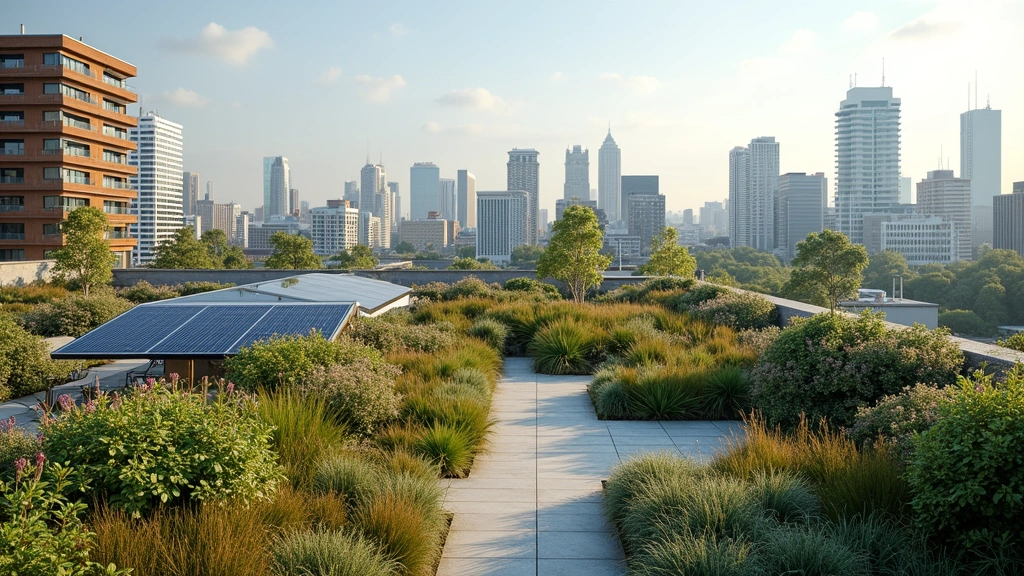
Green roofs throughout the development provide insulation benefits, stormwater management, and urban habitat creation. These aren’t decorative—they’re functional infrastructure that reduces the urban heat island effect and manages stormwater runoff that would otherwise overwhelm municipal systems.
Pricing & Value Proposition
The critical question for most organizations is whether Citadel’s premium positioning justifies its premium pricing. Office space at Citadel costs 15-25% more than comparable facilities in the same market, and residential units command similarly elevated price points.
For cost-sensitive startups or small teams, this premium may be prohibitive. However, for established companies or well-funded ventures, the value calculation shifts. When you factor in reduced IT infrastructure costs (handled by the building), improved employee retention through amenities and work environment quality, and productivity gains from optimized workspace design, the ROI becomes more compelling.
The residential component adds genuine value for professionals relocating to the area or seeking integrated live-work arrangements. Rather than managing separate apartment and office leases, residents enjoy convenient proximity, reduced commute friction, and community integration with professional peers.
For companies building high-performance teams in competitive talent markets, Citadel offers positioning advantages. Prospective employees increasingly evaluate work environments as career factors equivalent to compensation, and Citadel’s comprehensive amenities and design philosophy appeal strongly to top technical talent. If Citadel helps you recruit and retain engineers, designers, and product managers who would otherwise join competitors, the facility’s premium pricing becomes an investment in competitive advantage rather than pure overhead.
Comparison with Competitors
How does Citadel stack against other premier tech campuses? Compared to similar developments like Austin’s Domain, San Francisco’s Twitter/Meta campuses, and Denver’s tech district, Citadel distinguishes itself through integrated residential-commercial design and genuinely innovative workspace architecture rather than simply offering more square footage.
The infrastructure redundancy and connectivity standards exceed most competitors. While others tout fiber availability, Citadel’s multi-carrier architecture with automatic failover represents a material technical advantage for mission-critical operations.
Where Citadel falls short: space availability. The development’s popularity means securing desirable locations requires early commitment, and expansion capacity is limited compared to sprawling suburban tech parks. If your organization needs to scale rapidly with flexible space options, this could present constraints.
For professionals interested in career development, Citadel’s educational partnerships are more comprehensive than most competitors, though companies like Google’s campus developments and Microsoft’s facilities offer comparable programming. The sustainability commitments are competitive but not uniquely superior—multiple facilities have achieved equivalent environmental certifications.
If you’re evaluating whether to relocate your team or establish a new office, comparing Citadel against regional alternatives on specific operational requirements is essential. For some companies, the premium is worth it; for others, less expensive facilities with adequate infrastructure serve their needs perfectly well.
For teams interested in continuous professional development, exploring how to become a software developer or other technical career paths, Citadel’s programming and community provide genuine advantages that justify premium positioning.
Remote workers considering relocation should also evaluate whether best laptops for specific use cases would benefit from Citadel’s connectivity and workspace optimization, particularly if you’re splitting time between home and office-based work.
FAQ
What internet speeds can I expect at Citadel at Tech Ridge?
Citadel guarantees minimum gigabit-speed connectivity with redundant carrier infrastructure. Actual speeds often exceed these minimums, with many spaces achieving multi-gigabit throughput. The facility monitors and optimizes network performance continuously, with dedicated support teams addressing any connectivity issues within minutes.
Are there options for smaller companies or startups?
Yes. Citadel offers flexible lease terms and shared office spaces for teams that don’t require full dedicated floors. The coworking sections provide access to all building amenities while reducing upfront space commitments. This makes Citadel accessible to early-stage companies, though at premium pricing compared to traditional incubators.
How does the residential component integrate with commercial spaces?
The development uses strategic zoning to separate residential quiet hours from commercial activity while maintaining community integration through shared amenity spaces, restaurants, and recreational facilities. Residents and office workers share fitness facilities, dining options, and event spaces, creating community without imposing work-residential conflicts.
What is the lease term flexibility like?
Citadel offers terms ranging from month-to-month coworking arrangements to multi-year commercial leases. For residential units, typical lease terms match standard apartment offerings. The flexibility exceeds traditional office buildings, though premium pricing reflects this accommodation.
How sustainable is Citadel really?
LEED Platinum certification provides third-party validation, but sustainability extends beyond certification. The facility achieves 35-40% energy reductions through operational optimization, incorporates extensive renewable energy generation, and implements comprehensive waste reduction programs. For environmentally conscious organizations, these commitments represent genuine impact rather than greenwashing.
What’s the cancellation or exit policy if circumstances change?
This varies by lease terms, but Citadel generally offers more flexibility than traditional office landlords. Month-to-month agreements allow exit with 30-day notice, while longer leases include negotiated exit provisions. Early termination typically involves penalties, but the facility works with tenants experiencing genuine hardship to facilitate transitions.
How does Citadel compare to traditional office parks?
Citadel represents a fundamentally different concept than conventional office parks. Rather than emphasizing cheap square footage and maximum density, Citadel prioritizes work environment quality, technology infrastructure, and integrated community. This appeals to companies that view workspace as strategic competitive advantage, not just real estate overhead. Traditional parks win on cost; Citadel wins on comprehensive value proposition.
Is the premium pricing justified for typical companies?
This depends on your specific situation. If your team includes highly skilled professionals in competitive markets, amenities and work environment significantly influence talent retention. If you’re a cost-optimized operation with commodity labor, traditional facilities likely serve you better. Conduct honest ROI analysis based on your actual operational needs rather than prestige factors.


