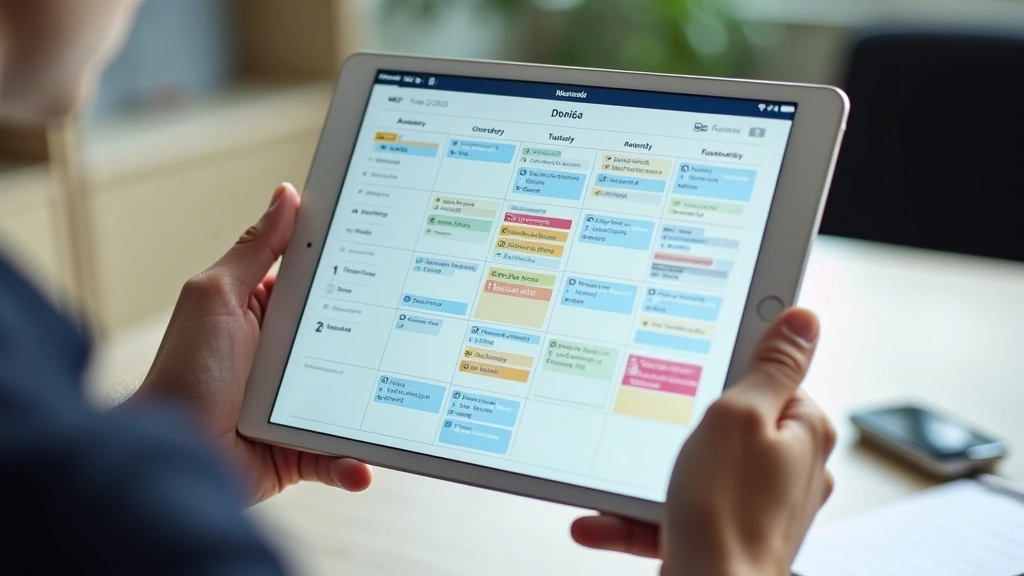
City Tech Academic Calendar: Key Dates & Deadlines for 2024-2025
Navigating the City Tech academic calendar is essential for students pursuing technology degrees and professional certifications at City University of New York’s College of Technology. Whether you’re enrolled in computer science, information technology, engineering, or any tech-focused program, staying on top of critical dates ensures you don’t miss enrollment periods, financial aid deadlines, or graduation requirements. This comprehensive guide breaks down every important deadline and academic milestone you need to track throughout the academic year.
The academic calendar serves as your roadmap for success, coordinating with registration windows, course availability, and institutional deadlines that directly impact your educational progress. For tech students balancing coursework with internships, capstone projects, and industry certifications, time management becomes critical. Understanding these dates helps you plan your semester strategically, allocate resources effectively, and maintain momentum toward your degree or professional credential.
Fall Semester Timeline
The fall semester typically begins in late August or early September and extends through December, encompassing the longest academic period of the year. For City Tech students, this semester includes orientation week, where new students receive instruction on using the college’s learning management system, accessing online resources, and understanding campus technology infrastructure. The fall semester opening usually occurs around August 26, with classes beginning shortly thereafter.
Early September marks the official start of instruction, and this is when you should already be enrolled in your courses through the registration system. The add/drop period for fall semester typically runs through the first two weeks of classes, allowing students to adjust their course load without academic or financial penalties. For tech students, this window is crucial—you might discover that a programming course’s schedule conflicts with your lab requirements, or a database management class fills faster than anticipated.
Mid-semester checkpoints occur around October 15, when instructors submit progress reports for first-year and at-risk students. This early warning system helps identify students struggling with foundational concepts in courses like calculus, discrete mathematics, or introductory computer science. By Thanksgiving break (typically the week of November 25-29), you should be halfway through your major assignments and exams, with final projects well underway.
The fall semester concludes with final exams scheduled during the last two weeks of December. Students taking software development courses often have project-based finals rather than traditional exams, requiring submission of completed code repositories and documentation. Grade submission deadlines typically fall in early January, allowing sufficient time for grade appeals and spring semester planning.
Spring Semester Timeline
Spring semester registration typically opens in late October or early November for continuing students, providing ample time to select courses before the academic year concludes. This advance registration window is critical—popular courses in cybersecurity, artificial intelligence, and web development fill quickly. The spring semester officially begins in mid-January, following winter break, with classes resuming around January 20-27 depending on the specific academic year.
Spring represents the second major registration period, with another add/drop window lasting approximately two weeks from the semester’s start. Many students use spring semester to balance their course load, taking advantage of specialized tech electives or completing prerequisite requirements. The spring semester includes spring break, typically scheduled for mid-March (usually the week of March 10-16), providing a one-week respite from coursework and exams.
Mid-semester progress reports for spring semester are submitted around April 1, giving students clear feedback on their performance halfway through the term. Spring semester’s final exams occur in late April through mid-May, with commencement ceremonies typically scheduled for May 23 for graduates. This timing allows newly graduated tech professionals to enter the summer job market or begin internships with fresh credentials.
Summer Sessions and Intersession
City Tech offers multiple summer session options, allowing students to accelerate degree completion or retake courses. Intersession (a brief intensive period between spring and summer) runs for approximately three weeks, typically from May 27 to June 13. These condensed courses move quickly—what normally takes 15 weeks of instruction compresses into intensive three-week sessions, requiring significant daily time commitment.
Summer Session I typically runs from June 17 to July 25, offering full-semester compressed courses alongside traditional-paced offerings. Summer Session II follows from July 29 to September 5, extending into late summer. For tech students, summer sessions present opportunities to tackle demanding courses like data structures, algorithms, or systems programming with lighter course loads, allowing deeper focus on complex material.
The add/drop deadline for summer sessions is much shorter—usually just three to five business days from the session start date—reflecting the accelerated nature of summer instruction. Registration for summer sessions opens in March, and popular advanced courses in machine learning, cloud computing, and cybersecurity fill quickly. Many students use summer to complete technical skill development or earn industry certifications like CompTIA Security+ or AWS Solutions Architect.
Registration and Add/Drop Deadlines
Course registration operates on a tiered system at City Tech, with priority given to graduating seniors, followed by junior-level students, then sophomores and freshmen. Registration windows open at different times for different student classifications, so checking your student portal regularly ensures you don’t miss your designated registration period. Missing your registration window can result in limited course availability and delayed degree progress.
The add/drop period is your safety net for course adjustments. During this window (typically two weeks from semester start), you can add courses without prerequisites being enforced and drop courses without academic transcript notation. After the add/drop deadline, dropping a course appears on your academic record as a withdrawal, potentially affecting financial aid eligibility and degree progress metrics.
Late registration occurs after the official registration period closes but before classes begin, though available courses are limited and may carry administrative fees. Waitlist functionality allows you to request enrollment in full courses, with automatic registration if a spot opens. For high-demand tech courses, being on a waitlist early increases your chances of enrollment before the semester begins.
The withdrawal deadline (typically week 10 or 11 of a 15-week semester) is crucial for students struggling with courses. Withdrawing after this deadline may impact financial aid, satisfactory academic progress standards, and degree completion timeline. Tech students should consult with academic advisors before withdrawing from major courses, as sequence requirements may push back graduation dates significantly.
Financial Aid and Payment Deadlines
Financial aid disbursement at City Tech typically occurs within the first two weeks of each semester, deposited directly to student accounts or available through the student payment portal. The FAFSA (Free Application for Federal Student Aid) deadline for the upcoming academic year is typically June 30, though early submission in January or February ensures maximum aid eligibility and scholarship consideration.
Tuition payment deadlines vary based on financial aid disbursement and student payment plans. Students without financial aid covering full tuition must pay by the published deadline (usually 10-14 days before semester start) to maintain enrollment. Late payment fees apply to balances not paid by the deadline, and students may be dropped from courses for non-payment.
Loan entrance counseling is required for students borrowing federal student loans, typically completed online through the National Student Loan Data System (NSLDS). This mandatory counseling, usually completed before loan disbursement, educates students about loan repayment obligations, interest accrual, and borrower rights. Graduate students entering advanced technology programs must complete additional loan counseling requirements.
The financial aid appeal deadline for students with extenuating circumstances (medical issues, family emergencies, employment loss) typically falls 30 days after financial aid notification. Documentation supporting your appeal—medical records, letters from employers, or family financial statements—should be submitted promptly to the Financial Aid office.

Graduation and Degree Completion
Degree audit requests should be submitted by mid-October for December graduation or by mid-March for May graduation. The degree audit verifies you’ve completed all major requirements, general education courses, and elective credits necessary for your specific degree. Discrepancies discovered late in the semester may delay graduation or require summer coursework to resolve.
Graduation application deadlines are strict—typically 60-90 days before the intended graduation date. Missing this deadline automatically pushes your graduation to the next available semester. For May graduates, applications usually close by February 15; for December graduates, by October 15. Late applications may incur additional processing fees.
The commencement ceremony participation deadline occurs several weeks before the actual ceremony date, requiring confirmation of attendance and cap-and-gown sizing information. Diploma name verification should be completed during application, as corrections after degree conferral require formal name change documentation and processing fees.
For tech students completing capstone projects or senior design courses, final project submission deadlines are often earlier than regular course finals, sometimes occurring a week or more before the official semester end. Faculty must grade these culminating projects and submit final grades by the institutional deadline, so late submissions may not receive grades in time for graduation verification.
Tech Resources and Student Support
City Tech’s technology infrastructure supports learning through the Blackboard learning management system, where all course materials, assignments, and grades are posted. Accessing Blackboard requires your CityTech login credentials, and you should verify access before each semester begins. Technical support is available through the IT Help Desk, typically responding to tickets within 24 business hours.
The City Tech library provides access to academic databases, peer-reviewed journals, and technology research resources essential for capstone projects, research papers, and technical documentation. Database access sometimes requires VPN connection from off-campus locations, configured through the IT department. Librarians offer research consultations helping students locate reliable sources for technology topics.
Writing centers and tutoring services support students across all technical subjects. Math tutoring is particularly valuable for students struggling with calculus or discrete mathematics prerequisites. For programming courses, peer tutoring and office hours with teaching assistants provide hands-on debugging assistance and code review.
Career services connects graduating tech students with internship and employment opportunities. Resume workshops, interview preparation, and networking events occur throughout the academic year, with peak activity in fall semester for spring internships. The career portal lists positions from technology employers actively recruiting City Tech graduates.
The student technology fee provides access to specialized software licenses, including Microsoft Office, Adobe Creative Suite, and programming IDEs. These licenses are available through the student portal and should be activated early in the semester to ensure access during coursework.

FAQ
When does fall semester registration open?
Fall semester registration typically opens in late March or early April for continuing students, with different opening dates for different class levels. Check your student portal or the registrar’s website for your specific registration window.
What happens if I miss the add/drop deadline?
After the add/drop deadline, dropping a course results in a withdrawal notation on your academic record. This may affect financial aid, satisfactory academic progress status, and degree completion timeline. Consult your academic advisor before withdrawing from courses.
Can I register for courses during summer sessions?
Yes, summer session registration typically opens in March. Summer sessions offer accelerated versions of regular courses and are ideal for catching up on prerequisites or taking electives with a lighter course load.
How do I access my financial aid information?
Log into your student portal with your CityTech credentials to view financial aid packages, loan information, and disbursement status. The Financial Aid office is available for questions about your specific aid eligibility.
What’s the deadline for graduation applications?
Graduation application deadlines are typically 60-90 days before the intended graduation date. For May graduation, apply by February 15; for December graduation, by October 15. Check the registrar’s website for exact deadlines.
Where can I find my course schedule and grades?
Your course schedule appears in your student portal once you register. Grades are posted in Blackboard by instructors within the deadline specified by the registrar, typically 10 business days after semester end.
Are there technology requirements for online courses?
Online courses require reliable internet, a computer meeting minimum specifications, and compatible web browsers. The IT Help Desk can assist with technical issues affecting course access or participation.
How do I appeal financial aid decisions?
Submit financial aid appeals to the Financial Aid office with supporting documentation within 30 days of your financial aid notification. Appeals for extenuating circumstances require documentation from healthcare providers, employers, or family financial institutions.


