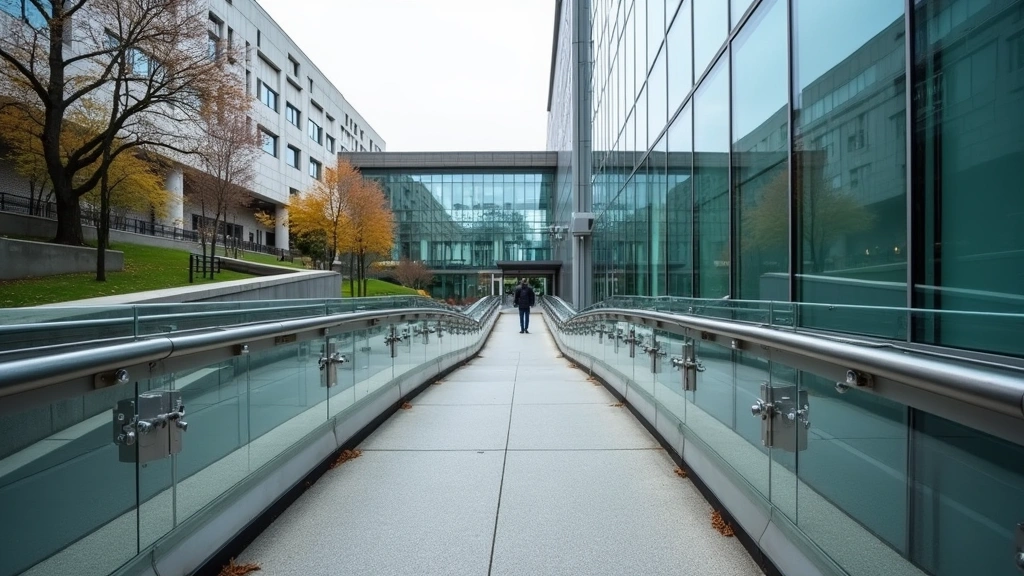
City Tech LOA: Is Disability Support Adequate? A Comprehensive Analysis
City College of Technology, commonly known as City Tech, serves thousands of students annually, including a significant population of individuals with disabilities. The Leave of Absence (LOA) policy for students with disabilities has become a critical point of discussion among students, faculty, and disability advocates. Understanding whether City Tech’s disability support infrastructure adequately addresses the needs of students requiring LOA is essential for prospective and current students considering their educational options.
For students navigating the intersection of academic pursuits and disability management, the availability of comprehensive support systems can make the difference between success and withdrawal. This analysis examines City Tech’s disability support mechanisms, the LOA process, and whether current resources meet the needs of disabled students seeking to maintain their academic progress while managing health challenges.
Understanding City Tech’s Disability Services
City Tech’s Office of Accessibility and Accommodations (OAA) represents the institution’s primary mechanism for supporting students with disabilities. The office is responsible for coordinating accommodations, providing accessibility services, and ensuring compliance with the Americans with Disabilities Act (ADA) and Section 504 of the Rehabilitation Act. However, the scope and effectiveness of these services warrant detailed examination.
The OAA requires students to submit documentation of their disability to establish eligibility for accommodations. This process, while necessary for institutional compliance, can create barriers for students experiencing acute health crises or those whose disabilities are newly diagnosed. The documentation requirements specify that students provide medical records, psychological evaluations, or other clinical evidence of their condition. For some students, particularly those from low-income backgrounds, obtaining comprehensive documentation can be challenging and time-consuming.
City Tech offers standard accommodations including extended test time, note-taking assistance, accessible classroom materials, and priority registration. For students requiring more intensive support, the institution provides assistive technology training and access to specialized equipment. However, the adequacy of these services becomes questionable when examining how they support students considering or requiring a Leave of Absence. Students exploring City Tech admissions information should understand these support mechanisms before enrolling.
The LOA Process and Requirements
A Leave of Absence at City Tech allows students to temporarily withdraw from their studies while maintaining their status as enrolled students. This distinction is crucial because it preserves students’ ability to return without reapplying and maintains their financial aid eligibility in certain circumstances. The LOA process typically requires students to submit a formal request through the Office of the Registrar, with supporting documentation of the reason for the absence.
For students with disabilities, the LOA process should theoretically be streamlined through coordination with the OAA. In practice, however, students often report that the communication between offices is insufficient. A student might receive accommodations from the OAA but find that the registrar’s office requires additional documentation or processes the LOA without coordinating with disability services. This fragmentation can leave students navigating multiple bureaucratic pathways simultaneously.
The standard LOA duration at City Tech is typically one semester, with the possibility of extension to two semesters. For students with chronic conditions or disabilities requiring extended recovery or treatment periods, this limitation may prove inadequate. Students managing conditions like cancer treatment, severe mental health crises, or progressive neurological disorders might require longer periods away from academic responsibilities, yet the institutional structure doesn’t always accommodate such extended absences.
Additionally, the LOA process doesn’t explicitly address the transition back to academics. When students return from LOA, they may face challenges readjusting to coursework, particularly if their disability has progressed or their treatment regimen has changed. The absence of structured re-entry support represents a significant gap in the disability support infrastructure.

Current Support Infrastructure
City Tech’s disability support infrastructure includes several components worth examining. The OAA employs disability specialists who work directly with students, though the ratio of specialists to students with disabilities often exceeds recommended standards. This staffing limitation means that individualized support, particularly for complex cases involving LOA, may be limited.
The institution provides access to assistive technology, including screen readers, speech-to-text software, and specialized ergonomic equipment. These tools prove invaluable for students with visual impairments, hearing loss, mobility challenges, or learning disabilities. However, the availability and maintenance of this technology sometimes lag behind current industry standards. For students pursuing City Tech degree programs in technology fields, outdated assistive technology can create additional barriers to skill development.
The institution also maintains partnerships with external disability service providers and mental health resources. The Counseling Services office provides mental health support, which is particularly relevant for students whose disabilities include psychiatric or psychological components. However, wait times for counseling appointments frequently exceed two weeks, creating gaps in immediate crisis support.
Peer mentoring programs exist at City Tech, connecting students with disabilities with upperclass mentors who have navigated similar challenges. These programs, while valuable, operate with limited funding and reach only a fraction of the student population requiring support. The mentors themselves receive minimal formal training in disability-related issues, limiting the depth of support they can provide.
Gaps in Disability Accommodations
Despite existing infrastructure, significant gaps remain in City Tech’s disability support system. One critical gap involves the lack of individualized transition planning for students considering LOA. When a student first approaches the OAA about potentially taking leave, the office should ideally conduct a comprehensive assessment of their situation, explore alternative accommodations that might enable continued enrollment, and develop a detailed plan for both the leave period and return to campus. Currently, this level of individualized planning is inconsistent across the institution.
Another substantial gap involves housing and residential accommodations. For students living on campus, disability accommodations in residential facilities sometimes fall short of accessibility standards. Students requiring mobility accommodations, for instance, might find that accessible dormitory space is limited or located in less desirable campus areas. This creates a secondary discrimination issue where disabled students face constraints on where they can live. For students considering LOA due to residential accessibility issues, the institution lacks formal protocols for addressing these concerns as alternatives to leave.
The institution also demonstrates insufficient coordination between disability services and academic departments. Faculty members teaching specialized courses in engineering, computer science, or health professions may lack training in disability accommodation implementation. A student with a disability requiring LOA from an intensive laboratory course might find that the department offers no alternative formats or modified participation options. This lack of departmental engagement means that disability accommodation often becomes an all-or-nothing proposition: either the student receives standard accommodations or takes leave.
Financial support represents another critical gap. While City Tech participates in federal financial aid programs that continue for students on LOA, institutional scholarships and grants frequently terminate during LOA periods. This creates financial hardship for disabled students who must take leave, potentially forcing them to withdraw permanently rather than return because they lack financial resources.
Mental health support specifically requires attention. The psychological impact of taking a leave of absence can be substantial, particularly for students whose disabilities include psychiatric components. The counseling services available to City Tech students, while professional, are limited in capacity and may not provide the intensive, ongoing support needed during and after LOA periods.
Student Experiences and Feedback
Direct feedback from City Tech students with disabilities reveals mixed experiences with the LOA process. Some students report positive interactions with the OAA, describing specialists as knowledgeable and supportive. These students indicate that their accommodations were implemented effectively and that the LOA process, while bureaucratic, was ultimately manageable.
However, other students describe frustrating experiences. Several reported that the OAA initially attempted to deny accommodations based on disagreement with their medical documentation, requiring appeals and additional evidence. Others indicated that the LOA process was explained poorly, leaving them uncertain about financial aid implications, timeline for return, or how their academic progress would be affected.
A recurring theme in student feedback involves the emotional burden of navigating disability services while managing their conditions. Students described feeling like they needed to “prove” their disabilities repeatedly, submitting documentation to multiple offices and explaining their needs to different staff members. This repetitive disclosure can be exhausting and psychologically harmful, particularly for students managing trauma or mental health conditions.
Students also reported difficulty accessing timely information about LOA procedures. The registrar’s website provides basic information, but students seeking specific guidance about how LOA affects their major requirements, financial aid, or timeline to graduation often find limited resources. This information gap forces students to schedule meetings with multiple offices, consuming time and energy they may not have available given their health challenges.
Additionally, students indicated that support for return from LOA is minimal. One student described returning to campus after a semester-long LOA for medical treatment, only to find that no one had prepared them for the academic and social reintegration challenges. They received no check-ins from the OAA and had to independently contact each professor to understand how to catch up on coursework.
Comparative Analysis with Peer Institutions
Examining how comparable institutions handle disability support and LOA procedures provides context for evaluating City Tech’s adequacy. Many peer institutions have developed more comprehensive systems that include structured transition planning, extended LOA options, and explicit reintegration support.
For example, some institutions offer “medical withdrawals” as a distinct category from standard LOA, with different implications for financial aid and readmission. This distinction acknowledges that some students require longer absences and may face different circumstances upon return. Other institutions have implemented mandatory check-ins between disability services and students on LOA, ensuring continued connection and support.
Several peer institutions have also developed departmental disability liaisons, designated faculty members trained to implement accommodations within their specific disciplines. This approach addresses the gap of inconsistent departmental engagement that City Tech students report. When faculty members have specific training and responsibility for disability accommodation, students experience more consistent and knowledgeable support.
Advanced institutions have also created bridge programs for students returning from LOA, offering reduced course loads, specialized tutoring, and structured check-ins with disability services. These programs recognize that returning from leave, particularly for health-related reasons, requires more than standard academic support. The students need to rebuild academic momentum while managing ongoing health challenges.
Technology infrastructure differs as well. Some peer institutions have invested in learning management system (LMS) integrations that automatically implement accessibility features and flag courses with accessibility concerns. This proactive approach contrasts with City Tech’s more reactive model, where students must request accommodations rather than having them automatically considered during course design.
Recommendations for Improvement
Based on the analysis of City Tech’s current disability support system and comparative examination of peer institutions, several recommendations emerge for enhancing disability support and the LOA process.
Establish an Integrated Disability Support Center: Rather than housing disability services in the registrar’s office with limited coordination with counseling and academic affairs, City Tech should develop an integrated center that houses disability services, mental health support, and academic accommodations coordination. This centralization would reduce bureaucratic fragmentation and ensure students receive comprehensive support.
Develop Individualized Transition Plans: When students approach disability services about potential LOA, specialists should conduct comprehensive assessments and develop detailed plans addressing the leave period, return timeline, and reintegration support. These plans should be documented and shared across relevant offices to ensure consistency.
Extend LOA Duration and Create Flexible Absence Options: City Tech should expand the maximum LOA duration to three semesters with the possibility of additional extensions for documented medical reasons. Additionally, the institution should create intermediate options, such as part-time enrollment, that allow students to reduce their academic load without fully withdrawing.
Preserve Financial Support During LOA: The institution should develop policies ensuring that institutional scholarships and grants continue during approved LOA periods, at least partially. This would reduce financial barriers to taking necessary leave and returning to studies.
Implement Mandatory Reintegration Support: Students returning from LOA should receive structured support, including check-ins from disability services, academic advising focused on course selection, and access to tutoring or bridge programs if needed.
Train Departmental Faculty: Establish a faculty disability liaison program, providing training and resources to designated faculty members in each department. This would improve accommodation implementation within major-specific courses and create departmental accountability for accessibility.
Enhance Mental Health Resources: Expand counseling services capacity, reduce wait times, and develop specific protocols for supporting students with psychiatric disabilities during and after LOA periods. Consider whether students need access to crisis support beyond standard office hours.
Improve Information Access: Create comprehensive, accessible guides explaining the LOA process, financial aid implications, and available support resources. Make this information available in multiple formats and languages, recognizing that City Tech serves a diverse student population.
Students interested in enrolling at City Tech should understand these support mechanisms. Reviewing City Tech admissions information should include assessment of disability support adequacy. For those pursuing technical fields, understanding how best laptops for students can integrate with assistive technology becomes relevant. Similarly, students should consider how disability support relates to their specific City Tech degree programs and major requirements.
For students considering how to become a software developer or pursue other technical careers, understanding how City Tech supports disabled students in intensive technical coursework is important. The institution’s commitment to disability access in specialized labs and programming courses directly impacts disabled students’ ability to develop professional skills.
Additionally, students should be aware that the broader TechPulse Hunter blog contains additional resources about navigating college as a disabled student, including strategies for managing health conditions while pursuing education.
FAQ
What documentation does City Tech require to establish disability eligibility?
City Tech requires medical records, psychological evaluations, or other clinical evidence demonstrating disability. The specific documentation needed depends on the disability type. Students should contact the Office of Accessibility and Accommodations with their particular situation for guidance on required documentation.
How does a Leave of Absence affect financial aid at City Tech?
Federal financial aid typically continues during approved LOA periods, though students should confirm this with the financial aid office. However, institutional scholarships and grants frequently terminate during LOA, which can create significant financial hardship. This represents one of the major gaps in City Tech’s disability support system.
Can students return to City Tech after taking a Leave of Absence?
Yes, students on approved LOA maintain their enrollment status and can return without reapplying. However, the institution provides minimal structured support for reintegration, which can make the return process challenging.
How long can a student take a Leave of Absence at City Tech?
Standard LOA duration is one semester, with possible extension to two semesters. However, students with documented medical reasons requiring longer absences may face limitations in current institutional policy, making this another area where City Tech’s system falls short of peer institutions.
What accommodations are available to students with disabilities at City Tech?
City Tech offers extended test time, note-taking assistance, accessible classroom materials, priority registration, assistive technology access, and other accommodations determined on an individual basis. However, availability and quality of these accommodations can vary across departments and courses.
Does City Tech have mental health support for students with psychiatric disabilities?
City Tech’s Counseling Services provides mental health support, but wait times frequently exceed two weeks. For students with psychiatric disabilities considering or on LOA, this capacity limitation represents a significant gap in available support.
How does City Tech ensure accessibility in residence halls?
While City Tech maintains some accessible residential facilities, students report that accessible housing is limited and sometimes located in less desirable areas. This represents another area where disability accommodations could be substantially improved.
Are there peer support or mentoring programs for disabled students at City Tech?
Yes, City Tech offers peer mentoring programs connecting disabled students with upperclass mentors. However, these programs operate with limited funding and reach only a fraction of students needing support. Mentors receive minimal formal training in disability-related issues.
What should students do if they disagree with the accommodations City Tech offers?
Students can file a grievance through the Office of Accessibility and Accommodations or pursue formal appeals. However, students report that this process can be lengthy and emotionally taxing. Seeking guidance from disability advocacy organizations or legal resources may be appropriate for complex cases.
Does City Tech provide support for students transitioning back from Leave of Absence?
Currently, City Tech provides minimal structured reintegration support. Students are expected to independently contact professors and navigate readjustment to academic work. This represents one of the most significant gaps in the institution’s disability support system.


