
Get Clemson vs Georgia Tech Tickets Now: Your Complete Guide to Securing Seats
The Clemson vs Georgia Tech football matchup is one of the most anticipated rivalry games on the college sports calendar. Whether you’re a die-hard Tigers fan, a Yellow Jackets supporter, or simply looking to experience world-class collegiate athletics, securing tickets to this electrifying contest requires strategy, timing, and knowledge of the best platforms available. This comprehensive guide walks you through everything you need to know about obtaining premium seats to this unforgettable rivalry game.
Ticket availability for major college football games like Clemson vs Georgia Tech fluctuates rapidly, with prices varying based on game location, time of year, and demand metrics. Understanding the nuances of ticket purchasing—from official athletic department channels to secondary markets—ensures you’ll get the best value while guaranteeing authentic, valid tickets. Let’s explore the most effective methods for securing your spot in the stands.
Official Ticket Sources and Athletic Department Channels
The most reliable way to purchase Clemson vs Georgia Tech tickets is directly through the official athletic department websites. Clemson University’s athletic ticket office and Georgia Tech’s athletic association maintain dedicated platforms where fans can browse available inventory, select preferred seating locations, and complete transactions with complete transparency. These official channels typically offer face-value pricing, though premium seating categories may command higher rates.
When purchasing through official sources, you’ll receive digital tickets via email or through mobile applications, ensuring immediate delivery and eliminating concerns about counterfeit documentation. The official platforms also provide detailed seating charts showing sightline quality, accessibility features, and proximity to concessions. Many fans appreciate the peace of mind that comes with official channel purchases, as these transactions are protected by institutional guarantees and customer service protocols.
Clemson’s ticket office operates year-round, with football season ticket sales typically opening in the spring. For non-season ticket holders, individual game tickets usually become available 30-45 days before game day. Georgia Tech maintains similar timelines, with their official ticketing system providing real-time availability updates. Signing up for email alerts through both institutions ensures you’re notified immediately when tickets go on sale.
The TechPulse Hunter Blog often covers major sporting events and technology-driven ticketing innovations, providing context for how modern digital systems revolutionize fan experiences. Understanding these technological advancements helps fans navigate complex ticketing ecosystems more effectively.
Secondary Ticket Marketplaces: StubHub, Ticketmaster, and SeatGeek
Secondary ticket markets have transformed how fans access sold-out events and premium seating. StubHub, Ticketmaster’s resale platform, and SeatGeek aggregate inventory from various sellers, offering unprecedented choice and competitive pricing. These platforms operate as marketplaces where individuals resell tickets they’ve purchased but cannot attend, creating dynamic pricing structures that reflect real-time demand.
StubHub, owned by eBay, stands as the largest secondary ticket marketplace globally. Their platform allows sellers to list inventory at any price point, with StubHub taking a commission percentage. For Clemson vs Georgia Tech games, StubHub typically displays hundreds of listings within hours of official ticket sales, ranging from upper-deck budget options to premium club-level seats. The platform’s mobile app includes augmented reality features that let you visualize sightlines from specific seats before purchasing.
Ticketmaster’s official resale program guarantees ticket authenticity while providing seller protections and buyer guarantees. When fans purchase season tickets or individual game tickets through Ticketmaster, they can immediately list unused tickets on the same platform, creating a seamless resale ecosystem. This integration means premium inventory often appears on Ticketmaster resale before migrating to other secondary markets.
SeatGeek differentiates itself through intelligent pricing algorithms that analyze historical data, current demand, and comparable listings to recommend optimal purchase timing. Their “Deal Score” feature highlights particularly valuable offerings, helping budget-conscious fans identify below-average pricing. The platform also aggregates listings from multiple marketplaces, providing unified search functionality that saves time and effort.
Understanding Pricing Dynamics and Seasonal Trends
Clemson vs Georgia Tech ticket pricing follows predictable patterns influenced by multiple variables. Games played in prime time (8:00 PM or later) typically command premium pricing compared to afternoon kickoffs. Home games generate different pricing structures than away games, with the home institution’s season ticket holder base influencing available inventory and secondary market dynamics.
Historical data shows Clemson home games against Georgia Tech average 15-25% higher pricing than Georgia Tech home matchups. This disparity reflects Clemson’s larger stadium capacity (81,500 vs 55,000), stronger historical winning records, and regional fan base demographics. When Clemson plays at home, expect average ticket prices ranging from $150-$400 depending on seating location and game significance within conference standings.
Purchasing tickets 3-6 weeks before game day typically offers optimal pricing, as this window falls between initial on-sale excitement and final-week demand surges. Many season ticket holders list unused inventory during this period, flooding secondary markets with supply that naturally depresses prices. Conversely, purchasing within 7-10 days of game day often yields higher prices as remaining inventory dwindles and urgency increases among remaining buyers.
Weather considerations also influence pricing. Games scheduled during favorable weather windows command premiums, while games featuring rain forecasts sometimes see price reductions as casual fans opt out. Conference championship implications and playoff positioning can dramatically spike prices, particularly if either team needs victory for tournament eligibility.
Premium Seating Options and VIP Experiences
Beyond standard seating, both Clemson and Georgia Tech offer premium hospitality packages that enhance game day experiences significantly. Club-level seating typically includes access to exclusive lounges with complimentary food and beverage service, premium restroom facilities, and climate-controlled environments. These packages range from $300-$800 per ticket, depending on sightline quality and included amenities.
Clemson’s premium seating includes the West Zone Club, which provides optimal sightline angles and proximity to the action. These seats feature cushioned seating, wider row spacing, and dedicated concourse access. Season ticket holders in premium categories often renew automatically, making individual premium ticket availability limited. When premium seats do appear on secondary markets, they typically sell within hours.
Georgia Tech’s Bobby Dodd Stadium offers comparable premium experiences through their club seating sections. The North Club Level provides excellent views of the field while maintaining comfortable distances from weather elements. These seats appeal particularly to corporate buyers and multi-generational family groups seeking enhanced comfort.
Suite rentals represent the ultimate premium experience, with private boxes accommodating 10-20 people and including dedicated catering, private restroom facilities, and climate control. Suite pricing starts at $3,000-$5,000 per game, with premium locations reaching $10,000+. Corporate entities often rent suites for business development purposes, making suite availability sporadic and pricing highly variable.
Mobile Tickets and Digital Delivery Systems
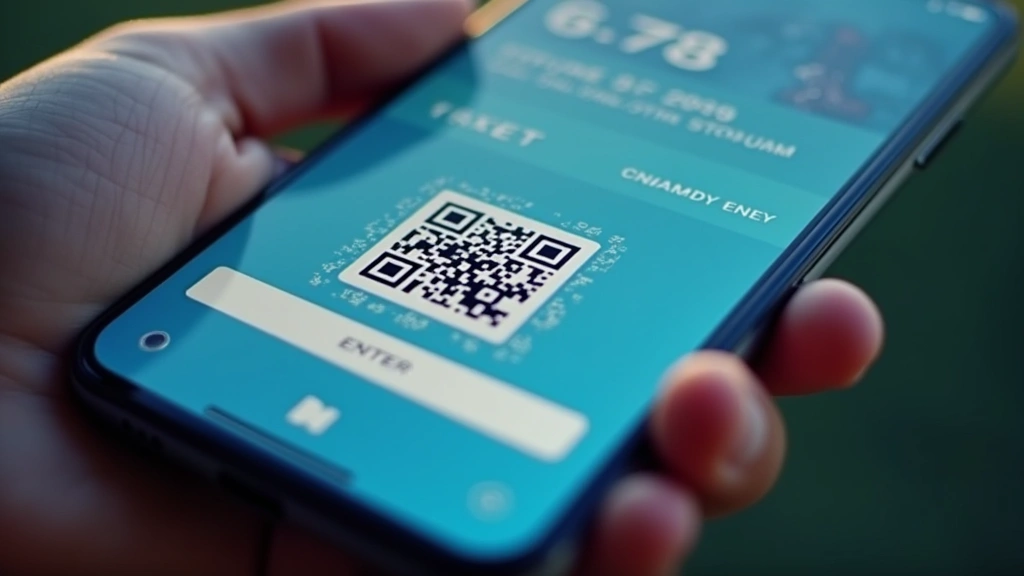
Modern ticketing has shifted predominantly toward mobile delivery, with both Clemson and Georgia Tech supporting digital ticket systems through their official apps and major marketplace platforms. Mobile tickets eliminate concerns about lost or damaged physical documents while enabling instantaneous transfers between authorized parties. Most venues now require mobile ticket presentation for entry, phasing out printed physical tickets entirely.
Clemson’s official ticketing app integrates with Apple Wallet and Google Pay, allowing fans to add digital tickets directly to their mobile devices. This integration means you can access tickets without maintaining separate apps or email inboxes. The system displays barcode information that stadium scanners read instantly, expediting entry processes even during peak arrival periods.
Georgia Tech’s mobile ticketing system operates similarly, with QR code technology enabling rapid venue entry. The digital system allows authorized ticket transfers up to a specified cutoff time before game day, facilitating last-minute attendance adjustments. This flexibility particularly benefits fans with unpredictable schedules or those purchasing tickets as gifts.
Secondary marketplace platforms like StubHub and SeatGeek have revolutionized mobile ticket delivery through their proprietary systems. When you purchase tickets on these platforms, sellers can transfer digital access codes directly through the marketplace interface. Upon purchase completion, you receive immediate digital access, eliminating waiting periods associated with traditional mail delivery.
The integration of mobile technology platforms continues advancing ticketing capabilities, with biometric authentication and blockchain-based ownership verification emerging as next-generation security measures.
Avoiding Scams and Fraudulent Ticket Sales
Ticket fraud represents a significant concern in secondary markets, particularly for high-demand events like Clemson vs Georgia Tech. Protecting yourself requires understanding common scam patterns and employing verification strategies. Never purchase tickets through unofficial channels, classified advertisement platforms, or direct social media transactions lacking buyer protection mechanisms.
Counterfeit tickets represent the primary fraud category, with scammers creating convincing digital reproductions that pass initial scrutiny but fail stadium barcode scanning systems. Legitimate marketplace platforms like StubHub, Ticketmaster, and SeatGeek provide buyer guarantees that reimburse fraudulent ticket purchases, whereas independent sellers offer no such protections.
Verify seller credentials before completing transactions. Established marketplace platforms display seller ratings and review histories, allowing you to assess reliability. Sellers with hundreds of positive reviews and established transaction histories pose significantly lower fraud risks than newly created accounts with minimal history. When possible, purchase from verified season ticket holders or established resellers with transparent transaction records.
Price anomalies signal potential fraud. If ticket prices appear dramatically below market rates—typically 40-50% below comparable listings—exercise heightened caution. Scammers often undercut legitimate pricing to attract volume quickly before authorities intervene. Similarly, sellers requesting payment through non-refundable methods (wire transfers, cryptocurrency, gift cards) operate outside buyer protection frameworks.
Timing considerations matter significantly. Legitimate sellers typically list tickets with reasonable advance notice. Last-minute listings at suspiciously low prices frequently indicate fraudulent inventory. Additionally, verify ticket authenticity by cross-referencing barcode information with venue databases when possible, though most fans cannot access these systems independently.
Official athletic department communications provide definitive guidance on legitimate ticket sources. If uncertainty exists, contact Clemson or Georgia Tech ticket offices directly to confirm seller legitimacy. These institutions maintain lists of authorized resellers and can quickly identify fraudulent operations.

Travel Planning and Game Day Logistics
Securing tickets represents just the initial step in planning a comprehensive game day experience. Travel arrangements, parking, and accommodation logistics require equal attention. Clemson and Georgia Tech games attract fans from multi-state regions, necessitating advance planning for transportation and lodging.
Clemson’s location in upstate South Carolina positions the campus approximately 2-3 hours from Atlanta, 4-5 hours from Charlotte, and 6-7 hours from Raleigh. Georgia Tech sits in downtown Atlanta, offering superior accessibility for regional travelers. When Clemson hosts, expect significant hotel demand in Clemson and surrounding areas like Greenville, South Carolina. Booking accommodations 2-3 months in advance ensures reasonable rates and availability.
Parking at both venues requires advance planning. Clemson offers designated parking lots with varying price points ($20-$40 per vehicle), while Georgia Tech provides limited on-campus parking supplemented by nearby commercial lots and public transportation options. The MARTA light rail system provides convenient access to Georgia Tech’s campus, offering an alternative to driving and parking challenges.
Stadium arrival timing significantly impacts game day experience quality. Arriving 90-120 minutes before kickoff allows adequate time for parking, entry processing, and concession visits without excessive crowding. Early arrival also facilitates exploration of stadium amenities and settling into seats before crowds peak.
Concession planning enhances budget management. Stadium food prices typically run 3-5x higher than off-campus options. Consuming meals before arrival and budgeting $15-$30 per person for beverages and snacks maintains reasonable spending levels. Both stadiums accommodate clear plastic bags containing personal items, with specific size restrictions posted on official websites.
Weather preparation proves essential, particularly for autumn games. Clemson’s location in the foothills creates variable weather conditions, with temperatures ranging from 40-75°F depending on game timing. Layered clothing accommodates temperature fluctuations, while rain gear protects against occasional precipitation. Georgia Tech’s downtown location offers limited weather protection, making umbrella and rain jacket preparation equally important.
Understanding digital ticketing systems and modern mobile technology ensures smooth entry processes. Arrive with phones fully charged and backup portable batteries available, as digital ticket access depends on device functionality.
FAQ
When do Clemson vs Georgia Tech tickets typically go on sale?
Individual game tickets usually become available 30-45 days before game day through official athletic department channels. Season ticket holders receive priority access, with public sales following within days. Secondary market availability often appears simultaneously or within hours of official sales, though inventory remains limited during initial on-sale windows.
What is the average ticket price for Clemson vs Georgia Tech games?
Average ticket prices range from $150-$400 depending on seating location, game significance, and home/away status. Clemson home games typically command 15-25% premiums compared to Georgia Tech home matchups. Premium club seating ranges from $300-$800, while suite rentals start at $3,000+.
Can I transfer my digital ticket to someone else?
Yes, most digital ticketing systems allow authorized transfers to other individuals up to specified cutoff times before game day. Official athletic department apps typically permit transfers 24-48 hours before kickoff, while secondary marketplace platforms may offer longer transfer windows. Verify specific transfer policies on your ticket platform before assuming transferability.
Which secondary marketplace offers the best selection for Clemson vs Georgia Tech tickets?
StubHub, Ticketmaster Resale, and SeatGeek collectively offer the largest aggregate inventory. StubHub typically features the most listings due to its market dominance, while SeatGeek’s intelligent pricing algorithms help identify optimal purchase timing. Comparing prices across all three platforms ensures you find the best available value.
How far in advance should I purchase tickets for optimal pricing?
Purchasing 3-6 weeks before game day typically offers optimal pricing, as this window falls between initial on-sale excitement and final-week demand surges. However, significant price variations occur based on conference standings, weather forecasts, and playoff implications. Monitor prices continuously and set purchase alerts on multiple platforms to capture favorable pricing opportunities.
What should I do if I receive fraudulent tickets?
Contact your ticket marketplace platform immediately. Established platforms like StubHub, Ticketmaster, and SeatGeek provide fraud guarantees and will reimburse fraudulent purchases. Additionally, report the fraud to the venue’s athletic department and relevant law enforcement agencies. Never attempt entry with suspected fraudulent tickets, as this may result in venue restrictions.
Are there any advantages to purchasing directly from the athletic department versus secondary markets?
Official athletic department purchases guarantee authenticity and provide direct institutional support. However, secondary markets often feature better pricing on available inventory and greater seat selection flexibility. Official channels work best for initial ticket availability, while secondary markets excel for specific seating preferences or last-minute purchases.
Can I purchase tickets as gifts and have them delivered to someone else?
Yes, most ticketing platforms support gift delivery. Official athletic department systems typically allow you to designate recipient email addresses for digital ticket delivery. Secondary marketplace platforms similarly support recipient selection during purchase completion. Verify delivery timing to ensure recipients receive tickets sufficiently in advance of game day.
For additional insights into modern technology applications in sports and entertainment, explore artificial intelligence applications transforming the future, which includes discussions on how AI algorithms optimize ticket pricing and personalization. Understanding these technological innovations provides context for how contemporary ticketing systems function.
The integration of advanced computing systems continues enabling more sophisticated ticketing platforms, with machine learning algorithms predicting optimal purchase timing and identifying fraudulent transactions in real-time.


