
Virginia Tech Hokies vs Clemson Tigers Football: Comprehensive Analysis and Prediction
The matchup between Virginia Tech Hokies football and Clemson Tigers football represents one of the most compelling rivalries in college athletics. When these two ACC powerhouses clash, fans witness intense defensive battles, strategic offensive playcalling, and moments that define entire seasons. This comprehensive analysis examines team performance metrics, player statistics, coaching strategies, and historical context to determine which program might prevail in their next encounter.
Understanding the dynamics of Clemson Tigers football versus Virginia Tech Hokies football requires deep knowledge of both programs’ current roster compositions, defensive schemes, and offensive capabilities. Both universities have produced NFL-caliber talent and maintained competitive excellence within the Atlantic Coast Conference. The rivalry carries significant weight in ACC standings and bowl game considerations, making each contest crucial for conference positioning and playoff aspirations.
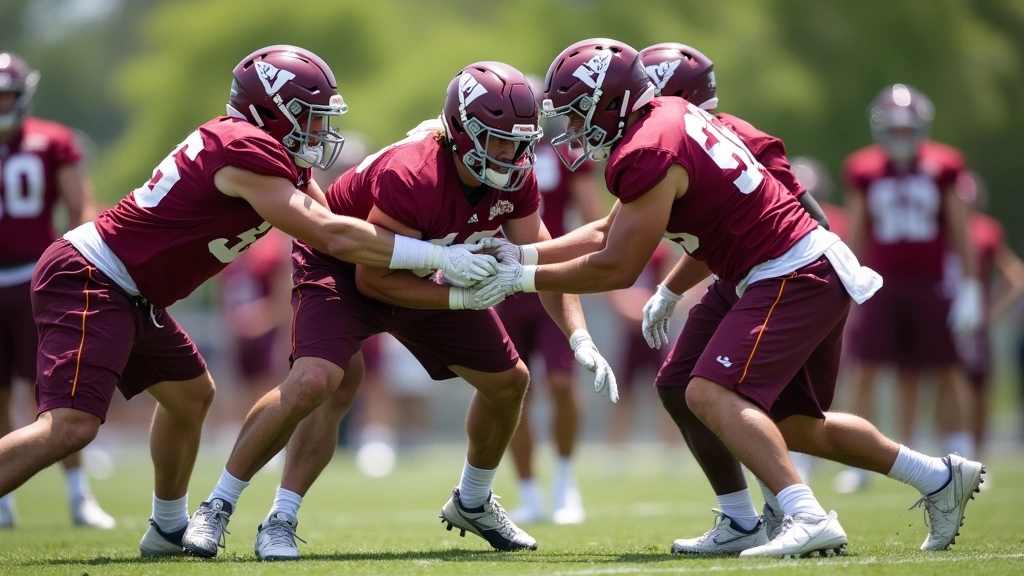
Team Overview and Historical Context
Clemson Tigers football has established itself as a perennial powerhouse within college athletics, consistently competing for national championships and ACC titles. The program’s success stems from exceptional recruiting classes, cutting-edge training facilities, and a coaching staff committed to excellence. Recent seasons have showcased Clemson’s ability to develop elite defensive talent while maintaining offensive consistency through strategic quarterback development.
Virginia Tech Hokies football brings a distinct defensive-first philosophy that has defined the program for decades. The Hokies’ tradition of excellence emphasizes disciplined tackling, gap control, and creating turnovers. Virginia Tech’s defensive schemes have produced multiple NFL draft picks and established a reputation for suffocating opposing offenses. The program’s commitment to defensive fundamentals provides a foundation for competitive consistency within the ACC.
Historically, the rivalry has produced memorable contests with momentum shifts determined by execution and situational awareness. Both programs understand that success in this matchup requires controlling the line of scrimmage, minimizing penalties, and capitalizing on opponent mistakes. The winner typically demonstrates superior discipline and fewer unforced errors.
Offensive Capabilities Analysis
Clemson’s offensive system prioritizes explosive plays and vertical passing attacks designed to stretch defenses horizontally and vertically. The Tigers utilize multiple receiver formations, play-action bootlegs, and misdirection concepts to create advantageous matchups. Clemson’s offensive line recruits rank among the nation’s best, providing adequate protection for extended passing plays and establishing dominance in run-game situations.
The Tigers’ running back room features explosive athletes capable of creating yards after contact. Clemson’s commitment to upgrading performance through personnel development extends to offensive skill positions, where the program consistently identifies and develops talent. Clemson’s red zone offense demonstrates particular strength, converting scoring opportunities at higher percentages than most ACC competitors.
Virginia Tech’s offensive approach emphasizes balance and ball control. The Hokies utilize tight end formations, power running concepts, and play-action passes designed to exploit defensive over-aggression. Virginia Tech’s offensive philosophy prioritizes protecting the football and maintaining drives that exhaust opponent defenses. The Hokies’ quarterback typically operates within a structured system emphasizing decision-making accuracy over improvisation.
Virginia Tech’s rushing attack relies on downhill running concepts and blocking schemes that create physical advantages at the point of attack. The Hokies’ offensive line focuses on technical precision and sustainable blocking rather than overwhelming athletic superiority. This approach enables Virginia Tech to maintain offensive consistency despite varying levels of individual talent.
Defensive Strength Comparison
Virginia Tech’s defensive reputation rests on exceptional fundamentals and disciplined execution. The Hokies’ defensive scheme emphasizes assignment football, where every player understands responsibility and executes assignments without freelancing. Virginia Tech’s defensive line generates consistent pressure through gap discipline and coordinated penetration rather than individual dominance. The secondary operates with coverage concepts emphasizing communication and pattern recognition.
Clemson’s defense has evolved into an elite unit capable of generating pressure through sophisticated blitz packages and creative defensive line movements. The Tigers’ defensive coordinator designs schemes that create confusion for offensive linemen and free up pass rushers. Clemson’s secondary features exceptional athletes capable of matching elite receivers in coverage while maintaining safety support over the top.
The defensive matchup between these programs typically determines the game’s outcome. Whichever defense successfully disrupts opponent rhythm and forces negative plays gains significant advantage. Virginia Tech’s defensive consistency provides reliability, while Clemson’s defensive versatility offers unpredictability. Teams that overcome defensive pressure through superior execution and poise typically prevail.
Quarterback Performance Metrics
Clemson’s quarterback position has produced multiple NFL-caliber talents through the program’s development system. The Tigers’ quarterbacks typically demonstrate arm talent, mobility, and decision-making capability. Clemson’s offensive system provides quarterbacks freedom to extend plays and create off-script opportunities while maintaining structure. The program’s success with quarterback development creates confidence in the position’s ability to execute complex passing concepts.
Virginia Tech’s quarterback approach emphasizes accuracy, decision-making, and protecting the football. The Hokies’ system typically features less aggressive play-calling, with quarterbacks operating within defined frameworks. Virginia Tech quarterbacks prioritize completion percentage and ball security over explosive plays. This conservative approach minimizes catastrophic mistakes while limiting explosive offensive potential.
When analyzing quarterback matchups, consider that student-athletes at both universities benefit from world-class training facilities and coaching. Clemson’s quarterback typically operates with more freedom and faces higher expectations for creating explosive plays. Virginia Tech’s quarterback succeeds through efficient execution and smart decision-making within the system.
Special Teams and Situational Football
Special teams performance often determines close contests between evenly matched programs. Clemson’s special teams units typically demonstrate consistency in field goal execution and kickoff coverage. The Tigers’ kicking game provides confidence in three-point situations, and punt coverage units effectively limit opponent field position advantage. Clemson’s special teams rarely lose games through miscues.
Virginia Tech’s special teams emphasize field position control and preventing explosive returns. The Hokies’ punt coverage operates with discipline designed to force fair catches and limit return opportunities. Virginia Tech’s special teams reflect the program’s overall philosophy of minimizing mistakes and forcing opponents into negative situations.
Third-down conversion rates and red zone efficiency determine whether teams sustain drives and score points. Clemson typically converts third downs at higher rates through playcalling creativity and athlete talent. Virginia Tech’s third-down conversions depend on executing predetermined plays with precision. Whichever team controls third downs likely controls the game’s tempo and field position.
Coaching Philosophy and Game Strategy
Clemson’s coaching staff employs aggressive play-calling designed to establish early advantages and maintain offensive momentum. The Tigers’ coaches recognize talented athletes’ capabilities and design plays exploiting those strengths. Clemson’s game planning emphasizes controlling tempo, establishing early leads, and forcing opponents into reactive situations.
Virginia Tech’s coaching approach emphasizes defensive excellence, physical football, and minimizing opponent scoring opportunities. The Hokies’ coaches design game plans around defensive strengths and opponent weaknesses. Virginia Tech’s strategy involves controlling the line of scrimmage, forcing three-and-outs, and maintaining field position advantage through defensive stops.
The coaching matchup significantly influences game outcomes. Clemson’s offensive creativity versus Virginia Tech’s defensive discipline creates philosophical tension. Coaches who successfully adjust to opponent adjustments typically prevail. Developing comprehensive game plans requires understanding personnel capabilities and opponent tendencies.
Key Matchups to Watch
The offensive line versus defensive line matchup determines whether Clemson’s quarterback receives adequate protection and running backs find rushing lanes. Clemson’s offensive line must execute blocking schemes preventing penetration, while Virginia Tech’s defensive line pursues disciplined gap responsibility. Whichever unit wins the line of scrimmage gains significant advantage in establishing offensive or defensive momentum.
Clemson’s wide receivers versus Virginia Tech’s secondary represents another crucial matchup. The Tigers’ receivers must create separation through route precision and athletic ability, while Virginia Tech’s cornerbacks and safeties execute coverage assignments and disrupt passing patterns. Clemson’s success depends on receivers winning one-on-one competitions and creating explosive plays.
Virginia Tech’s running backs versus Clemson’s defensive front determines whether the Hokies establish ground game effectiveness. Running backs must follow blocks, make decisive cuts, and create yards after contact. Clemson’s defensive line must diagnose plays quickly and pursue ball carriers with discipline. The running game’s effectiveness impacts overall offensive rhythm and time of possession.
Special teams competitions in field position, kickoff coverage, and punt execution influence field placement and scoring opportunity volume. Teams controlling special teams situations gain cumulative advantages throughout the game. Discipline and attention to detail in these phases often determine close game outcomes.
Prediction and Final Analysis
Predicting Clemson Tigers football versus Virginia Tech Hokies football outcomes requires analyzing numerous variables including roster composition, coaching adjustments, injury status, and situational context. Based on comprehensive analysis of offensive capabilities, defensive strength, quarterback performance, and coaching philosophy, the prediction depends heavily on specific game circumstances.
Clemson possesses superior offensive firepower and defensive versatility, suggesting advantage in high-scoring environments where explosive plays determine outcomes. The Tigers’ ability to create big plays and establish early leads provides confidence in competitive situations. Clemson’s coaching staff excels at designing plays exploiting opponent weaknesses and maintaining offensive momentum. According to sports analytics resources, programs emphasizing offensive explosiveness typically prevail against defensive-first opponents when talent levels remain comparable.
Virginia Tech’s defensive discipline and physical football approach provides advantage in low-scoring, field position-oriented games. The Hokies’ ability to force three-and-outs and create turnovers through defensive pressure enables competitive success against talented offenses. Virginia Tech’s consistency and minimal mistakes create opportunities for defensive-minded programs to prevail.
If Clemson’s offense executes with efficiency and avoids turnovers, the Tigers’ superior offensive talent likely produces victory. Conversely, if Virginia Tech’s defense maintains discipline, forces negative plays, and limits explosive opportunities, the Hokies’ defensive excellence enables competitive success. The winner typically demonstrates superior execution in critical moments and avoids catastrophic mistakes.
Overall Assessment: Clemson Tigers football likely prevails in a competitive matchup based on superior offensive talent, defensive versatility, and coaching staff’s aggressive approach. However, Virginia Tech Hokies football possesses defensive capabilities enabling upset potential if the Hokies’ defense forces turnovers and limits Clemson’s explosive plays. The contest typically features low scores and defensive intensity, with the outcome determined by which team executes situational football more effectively.
For comprehensive understanding of college football strategy and team dynamics, explore advanced analytics platforms and artificial intelligence applications that analyze team performance data. Modern sports analysis utilizes sophisticated metrics evaluating player efficiency, defensive effectiveness, and predictive modeling. These cloud computing platforms provide real-time analysis supporting game prediction and performance evaluation.
FAQ
What historical advantages does Clemson possess against Virginia Tech?
Clemson maintains superior recent head-to-head records and typically features more talented offensive rosters. The Tigers’ consistent ability to generate explosive plays and establish early leads provides psychological advantage in rivalry contexts. However, Virginia Tech’s defensive consistency occasionally produces upset victories when the Hokies’ defense executes flawlessly.
How do Virginia Tech’s defensive schemes specifically counter Clemson’s offensive approach?
Virginia Tech’s defensive coordinators design schemes emphasizing gap control, disrupting blocking assignments, and forcing quarterback pressure. The Hokies’ secondary operates with conservative coverage concepts protecting against explosive plays. Virginia Tech’s approach limits big plays but occasionally yields sustained drives if Clemson executes patiently.
Which quarterback typically performs better in this rivalry matchup?
Clemson’s quarterbacks generally demonstrate superior statistics due to offensive system design and supporting cast talent. However, Virginia Tech’s quarterbacks succeed through efficient, mistake-free execution. The quarterback advantage typically favors Clemson’s more talented arms, but Virginia Tech’s decision-making precision occasionally produces competitive performances.
How important is field position in determining Clemson versus Virginia Tech outcomes?
Field position proves crucial in this rivalry since both teams emphasize defensive efficiency. Virginia Tech’s defensive approach thrives with favorable field position, while Clemson’s offensive talent functions effectively across the field. Special teams and defensive stops typically determine field position control.
What role do coaching adjustments play in determining the game winner?
Coaching adjustments prove critical since both staffs extensively prepare for opponent tendencies. Clemson’s coaching staff typically adjusts offensive playcalling to exploit defensive weaknesses, while Virginia Tech’s coaches adjust defensive schemes countering Clemson’s adjustments. The coaching staff executing superior second-half adjustments typically prevails in close games.


