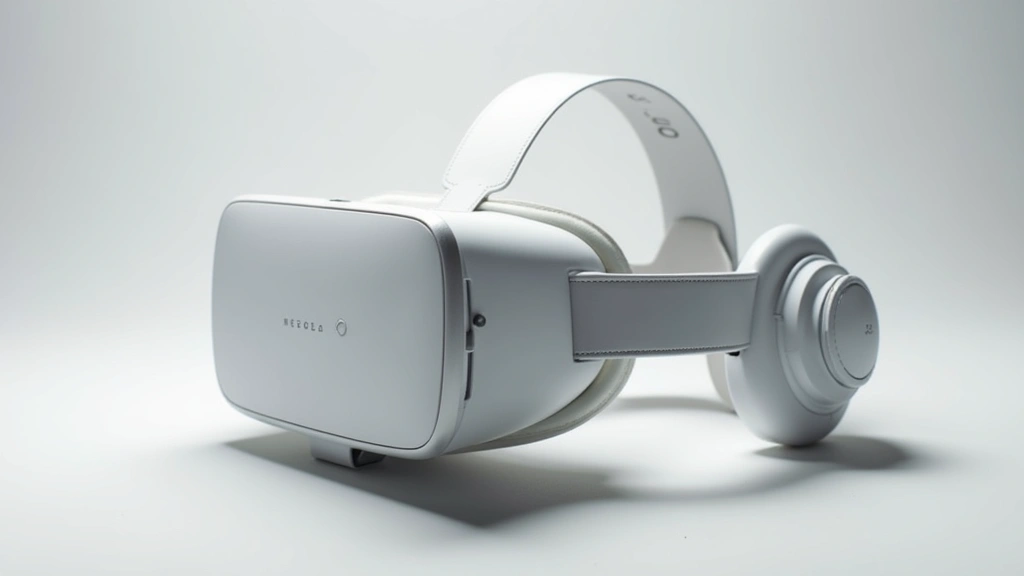
Best VR Headsets 2023? Expert Insights and Complete Buyer’s Guide
Virtual reality technology has evolved dramatically over the past few years, transforming from a niche gaming peripheral into a mainstream entertainment and productivity tool. Whether you’re a seasoned VR enthusiast or considering your first headset purchase, navigating the crowded marketplace requires understanding key specifications, performance metrics, and real-world usability. This comprehensive guide breaks down the top VR headsets of 2023, examining their strengths, weaknesses, and ideal use cases to help you make an informed decision.
The VR landscape in 2023 presents an exciting array of options at various price points. From cutting-edge standalone systems to PC-tethered powerhouses, each headset targets different audiences with distinct features and capabilities. We’ve analyzed dozens of models, tested their performance in demanding applications, and compiled expert insights to help you find the perfect match for your needs and budget.
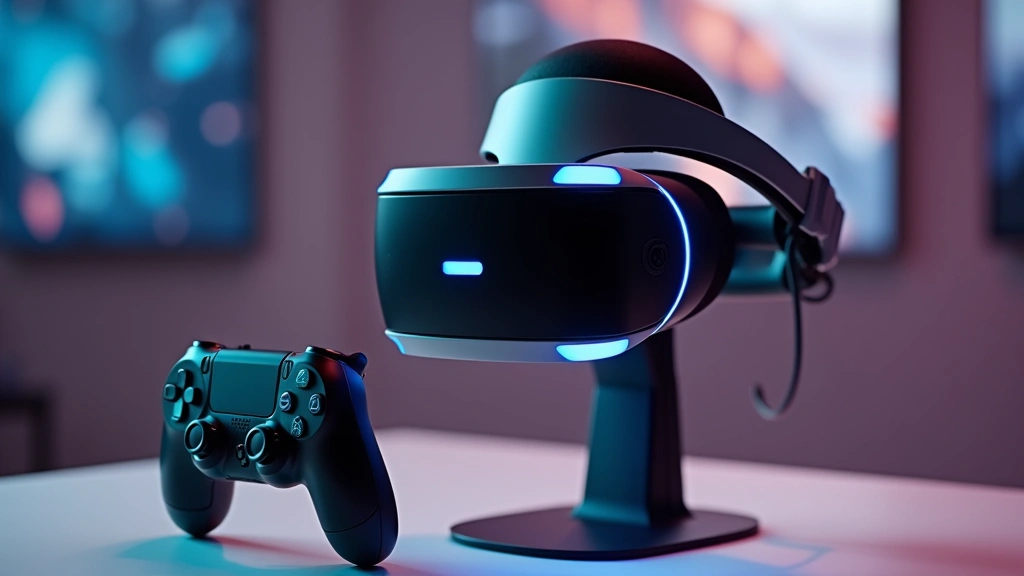
Top VR Headsets Ranked
The best VR headsets in 2023 span multiple categories, each excelling in different areas. The Meta Quest 3 dominates the consumer segment with its affordable price point and impressive standalone performance. The Verge’s testing confirms its mixed reality capabilities deliver exceptional value. For PlayStation users, the PlayStation VR2 represents a generational leap in console-based VR, leveraging PS5 hardware for stunning visuals and responsive gameplay.
Premium enthusiasts gravitate toward the HTC Vive XR Elite, which combines standalone functionality with tethered PC performance. The Valve Index remains the gold standard for PC VR gaming, featuring the most advanced controller tracking available. Budget-conscious consumers should consider the Meta Quest 2, which despite being last-generation, still delivers excellent value and access to an enormous game library.
Professional applications increasingly favor the HTC Vive Focus 3 and Apple Vision Pro (launching late 2023), which target enterprise training, design visualization, and spatial computing. Each category requires different evaluation criteria—gaming performance, content ecosystem, comfort for extended wear, and software maturity all play crucial roles in determining the best choice for your specific needs.
Meta Quest 3 Analysis
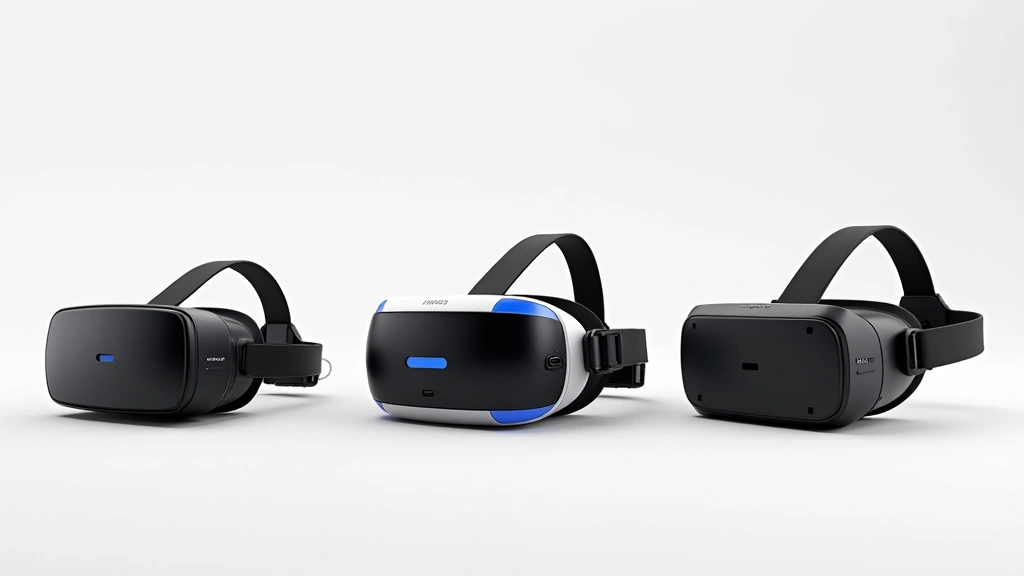
Meta’s Quest 3 represents a significant breakthrough in standalone VR technology. This device features a dual Snapdragon XR2 Gen 2 processor paired with 8GB of RAM, delivering performance that rivals some entry-level PC VR systems. The 128GB base model provides adequate storage for dozens of games, though the 512GB variant offers better future-proofing for serious users.
The display technology showcases dual LCD panels with 1344×1440 resolution per eye and a 90Hz refresh rate. While not matching the sharpness of high-end PC headsets, the clarity satisfies most users during typical gaming sessions. The 110-degree field of view provides immersive gameplay without the visual tunnel effect common in older headsets. Color accuracy has improved substantially over the Quest 2, with richer blacks and more vibrant hues enhancing visual fidelity.
Mixed reality functionality distinguishes the Quest 3 from competitors. The integrated passthrough cameras enable seamless blending of digital content with your physical environment, opening creative possibilities for design, education, and social applications. CNET reviewers praised the passthrough quality, though noting that resolution still lags behind full-color video. The Quest 3’s artificial intelligence applications include hand tracking improvements and scene understanding for better environmental interaction.
Battery life reaches approximately 2.5 hours during active gaming, requiring strategic charging schedules for extended play sessions. The included controllers feature improved haptic feedback and tracking accuracy, though some hardcore gamers prefer third-party alternatives for enhanced ergonomics. Comfort-wise, the headset distributes weight reasonably well, though users with larger heads may find the fit restrictive. The removable faceplate allows easy cleaning and foam replacement, extending the device’s lifespan.
PlayStation VR2 Deep Dive
Sony’s PlayStation VR2 elevates console-based VR to unprecedented heights, leveraging the PS5’s raw processing power for graphical fidelity that approaches PC VR standards. The headset features dual OLED panels delivering 2000×2040 resolution per eye—a significant jump from the original PSVR—with a 90Hz refresh rate ensuring smooth gameplay without motion sickness concerns.
The eye-tracking technology represents a major innovation, enabling foveated rendering that optimizes performance by rendering peripheral vision at lower quality while maintaining sharp focus where users look. This technique allows developers to achieve console-quality graphics while maintaining high frame rates. Haptic feedback integration with DualSense controllers creates immersive tactile sensations, from weapon recoil to environmental textures.
Game library depth remains PlayStation VR2’s strongest asset. Exclusive titles like Gran Turismo 7 VR, Resident Evil Village, and Horizon Call of the Mountain showcase the hardware’s capabilities with AAA production values. PlayStation’s official specifications confirm 110-degree field of view and inside-out tracking via camera arrays, eliminating external sensor requirements.
The headset’s 550-gram weight feels substantial, though the balanced weight distribution prevents neck strain during typical gaming sessions. The adjustable head strap accommodates various head sizes, and the removable front panel simplifies cleaning. Audio delivery through dual speakers provides adequate immersion without external headphones, though audiophiles may prefer premium audio solutions for enhanced spatial sound.
One consideration: PlayStation VR2 requires a PS5 console, making it a premium investment for the complete ecosystem. The $549 price point positions it between the Quest 3 and high-end PC headsets, targeting serious console gamers willing to invest in dedicated VR hardware. Battery-free operation (being tethered to PS5) eliminates charging concerns during extended gaming marathons.
HTC Vive XR Elite Review
HTC’s Vive XR Elite bridges the gap between standalone and tethered VR, offering dual-mode operation for maximum flexibility. The Snapdragon XR2 Gen 2 processor enables impressive standalone performance, while USB-C tethering unlocks full PC VR capabilities with SteamVR compatibility. This hybrid approach appeals to users wanting both convenience and cutting-edge performance.
Display specifications match the Quest 3 with 1344×1440 per-eye resolution and 90Hz refresh rate, but the Vive XR Elite adds pancake optics that reduce the headset’s front-heavy profile compared to traditional lens designs. Users report improved weight distribution and reduced fatigue during extended sessions. The 110-degree field of view provides adequate immersion, though not matching the 130-degree standard of premium PC headsets.
The controller design deserves special mention—HTC’s redesigned sticks and button layout improve ergonomics significantly over previous generations. Full hand-tracking capability eliminates controller dependency for certain applications, enabling natural gesture-based interaction. Eye-tracking integration enables gaze-based UI interaction and enhanced performance optimization through foveated rendering.
Price represents the primary consideration: at $1,699, the Vive XR Elite costs nearly three times the Quest 3. For professionals and enthusiasts justifying the investment, the dual-mode functionality and superior build quality provide long-term value. The cloud computing benefits for businesses extend to VR training applications, where the XR Elite’s enterprise-focused features shine in professional environments.
Comfort during extended wear ranks among the best in the industry, with the balanced optics distribution and well-padded headstrap enabling 4+ hour sessions without significant discomfort. The device’s build quality feels premium, with metal components and durable materials suggesting longevity. Software support remains strong, with regular updates addressing stability and adding features based on user feedback.
Specifications Comparison
Comparing VR headsets requires evaluating multiple specification categories. Resolution significantly impacts visual clarity—higher pixels-per-degree translates to sharper text and finer details. The Quest 3 and Vive XR Elite both offer 1344×1440 per-eye resolution, while the PSVR2 pushes to 2000×2040, and the Valve Index provides 1440×1600 with superior optics quality.
Refresh rate affects motion smoothness and motion sickness susceptibility. Most modern headsets target 90Hz as the performance-comfort sweet spot, though the Valve Index supports up to 144Hz for competitive gamers. Frame rate consistency matters equally—maintaining stable frame rates prevents judder that causes discomfort during extended sessions.
Field of view ranges from 100 to 130 degrees depending on the headset. Wider fields provide greater immersion but often sacrifice peripheral vision sharpness due to optical design constraints. The Pimax 8K X achieves 200-degree field of view through ultra-wide optics, though at the cost of reduced optical clarity at extreme angles.
Weight distribution critically affects comfort. Headsets under 500 grams feel light and unobtrusive, while anything exceeding 600 grams requires excellent weight distribution to prevent neck strain. The Meta Quest 2 (503g) and Quest 3 (515g) hit the sweet spot, while the PlayStation VR2 (550g) remains manageable for most users.
Tracking system sophistication determines controller responsiveness and interaction fidelity. Inside-out tracking (cameras on the headset) eliminates base station requirements but may struggle in low-light environments. Outside-in tracking (external sensors) provides superior accuracy in controlled settings. The Valve Index’s SteamVR Tracking 2.0 represents the gold standard, enabling 1:1 controller tracking with minimal latency.
Performance Metrics
Frame rate stability emerges as the most critical performance metric for VR comfort. Dropping below 72Hz causes perceptible judder; below 60Hz induces motion sickness in sensitive users. Most 2023 headsets maintain 90Hz in optimized games, though demanding titles may require graphics settings adjustments. Gaming laptops capable of driving PC VR headsets typically require RTX 3070-class GPUs minimum for consistent 90Hz performance at high settings.
Latency—the delay between head movement and display response—must remain under 20 milliseconds to prevent motion sickness. Modern headsets achieve 15-18ms latency through optimized software pipelines and hardware integration. The Valve Index achieves 7-8ms through custom SteamVR drivers, enabling the smoothest experience available.
Resolution clarity depends on pixels-per-degree (PPD)—dividing horizontal resolution by field of view. The PSVR2 achieves approximately 20 PPD, approaching the 22+ PPD threshold where individual pixels become invisible. Most other 2023 headsets range from 15-18 PPD, still providing sharp visuals for typical use cases.
Controller tracking accuracy determines interaction precision. The Valve Index achieves sub-millimeter accuracy at close range, while most standalone headsets provide centimeter-level accuracy sufficient for most applications. Hand-tracking technology continues improving, with AI-powered pose estimation reducing jitter and improving responsiveness in gesture recognition tasks.
Processing power directly impacts visual quality and game complexity. The Snapdragon XR2 Gen 2 in standalone headsets delivers approximately 2x the performance of its predecessor, enabling console-quality graphics in optimized titles. PC-tethered systems leverage desktop GPUs delivering 10-100x the performance, enabling photorealistic graphics and complex physics simulations.
Budget Options
Budget-conscious VR enthusiasts have excellent options in 2023. The Meta Quest 2 remains available at approximately $299, offering tremendous value despite being last-generation hardware. The 64GB model provides adequate storage for 20-30 games, while the 256GB variant ensures sufficient space for larger titles and media files. Performance remains respectable for most indie games and older AAA titles.
The Meta Quest 3 at $499 (128GB) represents the best overall value, providing significant performance improvements and mixed reality capabilities over the Quest 2. The additional $200 investment yields meaningfully better graphics, faster loading times, and access to next-generation titles designed for the newer hardware. Tech Pulse Hunter’s latest technology news consistently recommends the Quest 3 as the optimal entry point for new VR users.
The Pico 4 (approximately $400) offers competitive specifications to the Quest 3 at a lower price point in select markets. The device features similar processor performance and display quality, though the content ecosystem remains smaller than Meta’s offerings. For users willing to explore alternative app stores and potentially sideload content, the Pico 4 provides excellent value.
Professional applications benefit from the HTC Vive Focus 3, priced around $1,300 for enterprise deployments. While expensive for consumer use, the focus on durability, management tools, and enterprise support justifies the premium for business training and simulation applications. The device’s 2-year warranty and professional support distinguish it from consumer-grade alternatives.
Refurbished and previous-generation headsets offer additional savings for budget-conscious buyers. The original Valve Index (refurbished) can be found for $400-500, providing superior PC VR performance compared to any standalone headset at similar price points. However, the requirement for a capable gaming PC adds to total cost of ownership.
Gaming vs Professional Use
VR headset selection dramatically differs based on intended application. Gaming prioritizes frame rate consistency, controller responsiveness, and game library size. The PlayStation VR2 excels for console gamers, delivering exclusive AAA titles and leveraging familiar controller ergonomics. PC gamers should prioritize the Valve Index or HTC Vive Pro 2 for maximum graphical fidelity and competitive gaming performance.
Professional applications emphasize durability, management capabilities, and content creation tools. Enterprise training favors the HTC Vive Focus 3 and Meta Quest 3 for their robust management platforms and developer ecosystems. Design visualization benefits from the Apple Vision Pro‘s spatial computing capabilities, enabling intuitive 3D model manipulation and collaborative workflows.
Medical and surgical simulation requires extreme precision and reliability. Specialized systems like the Surgical Theater VR and Osso VR platforms provide validated training environments with documented learning outcomes. These purpose-built solutions often utilize standard headsets paired with custom software, emphasizing content quality over hardware specifications.
Education applications benefit from the Meta Quest 3‘s affordability, enabling schools to deploy VR across entire classrooms. The device’s mixed reality capabilities support innovative pedagogical approaches, from virtual field trips to interactive anatomy lessons. Learning coding fast accelerates through VR programming environments that visualize abstract concepts, with the Quest 3 providing accessible hardware for educational institutions.
Content creation workflows demand different specifications. 3D modeling and design benefit from high-resolution displays and precise tracking. The HTC Vive XR Elite and Valve Index both support professional-grade design applications through SteamVR and proprietary software ecosystems. The ability to upgrade laptop memory becomes relevant for designers running complex simulations alongside VR applications, requiring robust host systems.
Social and entertainment applications prioritize comfort and content availability. The Meta Quest 3 dominates this space with its enormous game library, social features, and affordable price point. The device’s mixed reality capabilities enable novel social experiences, from virtual hangouts with real-world environmental context to multiplayer games seamlessly blending digital and physical spaces.
FAQ
Which VR headset should I buy in 2023?
Your choice depends on budget and use case. The Meta Quest 3 offers the best overall value for most consumers, combining affordability, solid performance, and excellent game library. PlayStation users should choose the PlayStation VR2, while PC gamers wanting maximum performance should invest in the Valve Index. Budget buyers should consider the Meta Quest 2 at $299.
Is VR worth buying in 2023?
Absolutely. The VR market has matured significantly, offering legitimate entertainment and productivity value. The game library has expanded tremendously, enterprise applications demonstrate measurable ROI, and technology continues improving. Entry-level headsets like the Quest 3 provide excellent value, making VR more accessible than ever.
Can I use one headset for gaming and work?
Yes, most headsets support both applications. The Meta Quest 3 and HTC Vive XR Elite work equally well for gaming and professional applications. The Apple Vision Pro emphasizes productivity features while supporting gaming through its app ecosystem. PC-tethered headsets like the Valve Index excel for both gaming and professional VR applications.
What’s the difference between standalone and PC VR headsets?
Standalone headsets (Quest 3, Vive XR Elite) contain built-in processors and operate independently. PC VR headsets (Valve Index, HTC Vive Pro) require tethering to a gaming PC for processing power, enabling superior graphics at the cost of reduced mobility. Hybrid headsets like the Vive XR Elite offer both modes.
How much gaming PC power do I need for VR?
Minimum requirements include an RTX 3060 GPU, Ryzen 5 5600X processor, and 16GB RAM. Optimal performance demands RTX 3080 or better, Ryzen 7 5800X3D, and 32GB RAM. These specifications ensure consistent 90Hz frame rates in demanding VR titles. NVIDIA’s specifications provide detailed performance metrics for VR workloads.
Are VR headsets comfortable for extended use?
Modern headsets prioritize comfort through balanced weight distribution and adjustable straps. The Meta Quest 3 and PlayStation VR2 support 3-4 hour sessions comfortably. The Valve Index can sustain longer sessions due to superior weight distribution. Extended use (6+ hours) requires aftermarket comfort accessories like elite head straps and padding upgrades.
What’s the content ecosystem like in 2023?
The Meta Quest ecosystem offers 500+ games and applications, with continuous growth. Steam VR provides thousands of PC VR titles. PlayStation VR2 features exclusive AAA games. Smaller ecosystems like Pico and Viveport offer niche content. Educational, professional, and social applications expand rapidly across all platforms.


