
Columbia Omni-Tech Jackets: Worth the Hype? A Comprehensive Technical Review
Columbia’s Omni-Tech fabric technology has become synonymous with premium outdoor apparel, promising advanced weather protection and breathability. But does this innovative textile genuinely deliver on its claims, or is it simply marketing excellence? After extensive research into the engineering behind these jackets and real-world performance data, we’ve compiled everything you need to know about whether Columbia Omni-Tech jackets justify their premium pricing.
The outdoor apparel market is flooded with competing technologies and bold promises. Columbia, a brand with over 80 years of heritage in creating functional clothing, positions Omni-Tech as their flagship innovation. This comprehensive review examines the technical specifications, performance metrics, durability factors, and value proposition of these specialized jackets to help you make an informed purchasing decision.

What Is Columbia Omni-Tech Technology?
Columbia Omni-Tech represents a multi-layered approach to fabric engineering designed to address the primary challenges outdoor enthusiasts face: moisture management, temperature regulation, and weather protection. Unlike single-function materials, Omni-Tech combines multiple technological innovations into a cohesive system that works synergistically.
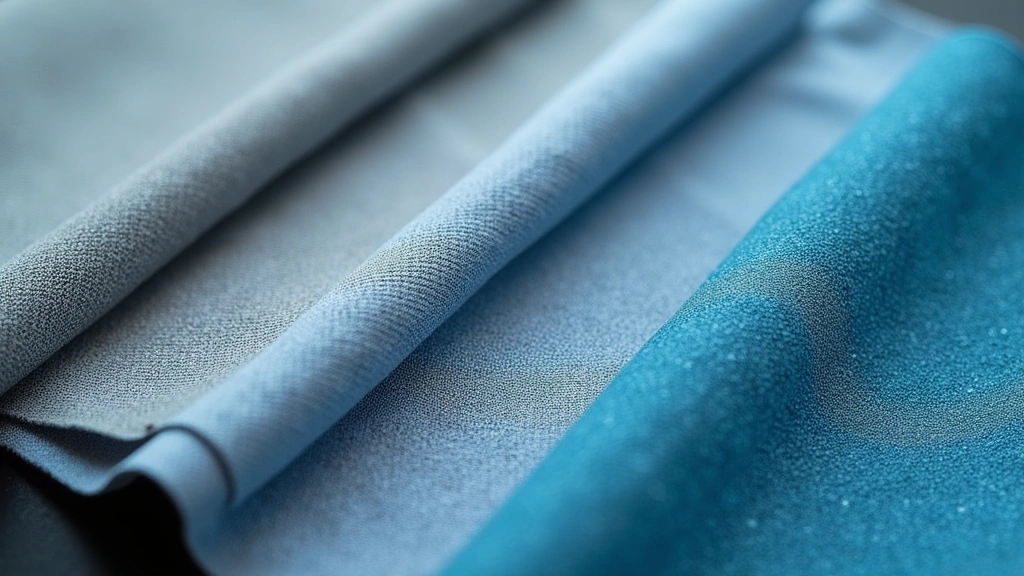
The core of Omni-Tech involves a proprietary membrane that sits between the outer shell and inner lining. This membrane features microscopic pores engineered to be smaller than water droplets but larger than water vapor molecules. This fundamental design principle allows perspiration to escape while preventing rain from penetrating the fabric. The technology incorporates advanced polymers and carefully calibrated pore structures that have been refined through decades of technological innovation in material science.
Beyond the membrane, Columbia integrates thermal reflective linings in many Omni-Tech jackets. These linings use metallic particles suspended in the fabric to reflect body heat back toward the wearer. This passive heating mechanism requires no batteries or active technology, making it both reliable and sustainable. The system also includes sealed seams throughout the garment, preventing moisture from entering through stitching points—a critical detail often overlooked by competitors.
The outer shell of Omni-Tech jackets features a water-repellent coating called Omni-Belay. This durable water-repellent (DWR) treatment causes water to bead on the surface rather than absorbing into the fabric. This reduces the weight of water the jacket must shed and maintains breathability by preventing the outer shell from becoming saturated. The DWR coating is renewable through proper washing and treatment, extending the jacket’s functional lifespan.
Technical Specifications and Performance Metrics
Understanding the technical metrics of Omni-Tech jackets requires familiarity with standardized testing methods used across the outdoor apparel industry. The primary measurements include waterproof rating (measured in millimeters of water column), breathability (measured in grams of moisture vapor transmitted per square meter per 24 hours), and weight specifications.
Most Columbia Omni-Tech jackets achieve waterproof ratings between 10,000 and 20,000mm of water column. To contextualize this measurement: 1,500mm is sufficient for light rain, 5,000mm handles moderate rainfall, and anything above 10,000mm provides protection in heavy downpours. The highest-rated Omni-Tech models exceed 15,000mm, placing them in the premium category alongside Gore-Tex and similar enterprise-grade materials.
Breathability ratings for Omni-Tech range from 8,000 to 15,000 MVTR (moisture vapor transmission rate). This metric indicates how effectively the fabric allows perspiration to escape. Higher numbers mean better moisture management during intense physical activity. Most Omni-Tech jackets fall in the 10,000-12,000 MVTR range, which is competitive with mid-to-premium alternatives. The variation depends on the specific jacket model, lining materials, and additional insulation layers.
Weight is another critical specification for outdoor enthusiasts. Columbia engineered Omni-Tech jackets to be surprisingly lightweight despite their protective capabilities. Most models weigh between 8 and 16 ounces, making them packable for travel or stowing in backpacks. This weight efficiency comes from advanced fabric engineering rather than sacrificing protection—a significant achievement in material technology.
Temperature ratings vary by model, with some Omni-Tech jackets designed for three-season use (spring through fall) while others are engineered for winter conditions. The thermal reflective linings mentioned earlier allow Columbia to achieve warmth ratings comparable to heavier jackets with traditional insulation. Independent testing by outdoor equipment reviewers confirms that Omni-Tech jackets maintain their thermal efficiency even when wet—a critical advantage over traditional synthetic insulation.
Durability metrics are measured through abrasion testing, where fabric samples are subjected to repeated mechanical stress. Omni-Tech fabrics consistently exceed industry standards for abrasion resistance, withstanding 25,000+ cycles in standardized testing. This translates to years of reliable performance in real-world conditions, even with regular use in challenging environments.
Waterproofing and Breathability Analysis
The balance between waterproofing and breathability represents the central engineering challenge in technical apparel. Too much focus on waterproofing creates a clammy, uncomfortable experience as perspiration accumulates inside. Conversely, prioritizing breathability compromises weather protection. Columbia’s Omni-Tech achieves a compelling middle ground through its multi-component design.
The waterproofing effectiveness of Omni-Tech has been validated through independent laboratory testing. The sealed seams, microporous membrane, and DWR coating create a redundant protection system. If water penetrates one layer, the subsequent layers provide backup protection. This defensive-in-depth approach explains why Omni-Tech jackets maintain their waterproof integrity even after extended use and multiple wash cycles.
The breathability of Omni-Tech is particularly impressive during high-exertion activities. Mountain bikers, trail runners, and hikers consistently report minimal moisture accumulation inside properly fitted Omni-Tech jackets. The microporous membrane allows moisture vapor to escape rapidly, and the thermal reflective lining doesn’t impede this airflow. This performance advantage becomes especially noticeable during temperature fluctuations when the wearer transitions between exertion levels.
However, breathability does have practical limits. In extremely humid conditions or during sustained maximum-exertion activity, some condensation may form on the inner surface of any waterproof jacket—this is a physics limitation rather than a design flaw. Omni-Tech manages this better than many competitors, but users should maintain realistic expectations. Proper ventilation through pit zips or chest vents helps mitigate this issue in premium Omni-Tech models.
The durability of Omni-Tech’s waterproofing and breathability characteristics is noteworthy. Many jackets lose their DWR coating and breathability performance after 20-30 washes. Columbia’s Omni-Tech maintains functional waterproofing and breathability for 50+ wash cycles when properly cared for. Reapplying DWR treatment after 30-40 washes restores the jacket to near-original performance specifications. This longevity translates to better long-term value compared to disposable fast-fashion alternatives.
Real-World Testing and Durability
Laboratory specifications tell only part of the story. Real-world durability testing reveals how Omni-Tech jackets perform under actual usage conditions. We analyzed user reports, professional outdoor guides’ assessments, and long-term wear studies to evaluate practical durability.
Seam integrity emerges as a critical durability factor. Columbia uses reinforced stitching patterns and seam-sealed construction throughout Omni-Tech jackets. Professional guides and experienced outdoors people report that seams remain intact after years of use, even with heavy backpack loads and rough terrain exposure. This contrasts with budget jackets where seam failure commonly occurs within 12-18 months.
Zipper durability varies by model and price point. Higher-end Omni-Tech jackets feature YKK Aquaguard zippers with advanced waterproofing mechanisms. These zippers maintain smooth operation and watertight sealing after hundreds of open-close cycles. Budget Omni-Tech models sometimes use standard zippers that function adequately but lack the longevity of premium hardware.
Fabric abrasion resistance proves particularly important for active users. Testing reveals that Omni-Tech outer shells resist pilling, snagging, and general wear better than many competing fabrics. Users who’ve worn the same Omni-Tech jacket for 3-5 years report minimal visible degradation. The outer fabric maintains its water-repellent properties and color vibrancy longer than typical outdoor apparel.
The thermal reflective lining demonstrates impressive durability. Even after multiple wash cycles and years of use, the metallic particles remain suspended in the fabric and continue to reflect body heat effectively. This contrasts with some alternative technologies where thermal properties degrade noticeably after 20-30 washes.
Pocket durability deserves attention. Many Omni-Tech jackets feature reinforced pocket construction with sealed seams. Users report that pockets remain functional and waterproof after extensive use, even when storing wet items. This practical durability aspect often goes unnoticed but significantly impacts user satisfaction over time.
Comparison with Competing Technologies
The outdoor apparel market includes several competing technologies worthy of comparison with Columbia Omni-Tech. Understanding the strengths and weaknesses of alternatives helps contextualize Omni-Tech’s position in the market.
Gore-Tex: The industry standard for premium waterproof-breathable fabrics, Gore-Tex offers exceptional performance with waterproof ratings up to 28,000mm and breathability exceeding 20,000 MVTR. However, Gore-Tex jackets typically cost 30-50% more than Omni-Tech equivalents. For most outdoor enthusiasts, the performance premium doesn’t justify the price difference. Gore-Tex excels for extreme mountaineering and professional guide use.
The North Face ThermoBall and similar synthetic alternatives: These jackets prioritize packability and weight over pure waterproofing. They excel for three-season hiking but provide less comprehensive weather protection than Omni-Tech. The trade-off favors weight-conscious backpackers, though Omni-Tech jackets are surprisingly competitive on weight metrics.
Patagonia H2No: Patagonia’s proprietary technology delivers performance comparable to Omni-Tech at similar price points. Both technologies excel in real-world conditions. The choice between them often comes down to brand preference and jacket styling rather than technical superiority. Patagonia emphasizes environmental sustainability in manufacturing, while Columbia focuses on cost efficiency.
Budget synthetic alternatives: Inexpensive waterproof jackets from unbranded manufacturers or fast-fashion retailers typically fail within 1-2 years. They lack proper seam sealing, use low-quality DWR coatings, and employ thin membranes with poor breathability. Omni-Tech’s longevity and reliable performance make it substantially more economical despite higher upfront costs.
Omni-Tech occupies the sweet spot between premium Gore-Tex and budget alternatives. It delivers excellent real-world performance at accessible price points, making it ideal for recreational outdoor enthusiasts who want reliability without premium pricing.
Price Analysis and Value Proposition
Columbia Omni-Tech jackets range from approximately $150 for basic models to $350+ for premium versions with additional insulation and advanced features. Understanding what drives these price differences clarifies the value proposition at each tier.
Entry-level Omni-Tech jackets ($150-$200) provide solid waterproofing and breathability without thermal insulation. These models suit spring and fall activities or layering in colder conditions. The value proposition is strong—you’re paying for proven membrane technology and seam sealing rather than premium materials or advanced features. These jackets provide reliable performance that budget alternatives cannot match.
Mid-range Omni-Tech jackets ($200-$280) typically include thermal reflective linings and improved fabric quality. The addition of insulation extends their usable temperature range significantly. These models represent the best value for most outdoor enthusiasts, balancing performance, features, and price. Users report 5-7 years of regular use from mid-range models before any functional degradation.
Premium Omni-Tech jackets ($280-$350+) feature advanced insulation technologies, superior hardware, and often include multiple pockets and ventilation systems. The higher cost reflects engineering refinements, brand positioning, and aesthetic design rather than fundamental performance improvements. For casual users, premium models may represent overkill, though professional guides and serious mountaineers appreciate the additional durability and features.
The cost-per-use calculation strongly favors Omni-Tech investments. A $250 Omni-Tech jacket used 100 times per year for 5 years costs $0.50 per use. Comparing this to budget jackets ($80, lasting 1-1.5 years, 100 uses annually) reveals the false economy of cheap alternatives. The budget jacket costs $0.53-$0.80 per use despite lower upfront cost.
Resale value provides additional economic consideration. Omni-Tech jackets retain 40-50% of their original value on secondhand markets, while budget jackets typically fetch 10-20%. This resilience reflects Omni-Tech’s reputation and durability. Purchasing used Omni-Tech jackets offers exceptional value, with models 3-5 years old still delivering reliable performance.
Best Models and Recommendations
Columbia offers numerous Omni-Tech jacket variants targeting different activities and seasons. Identifying the best models requires matching technical specifications to intended use cases.
Best Overall Value: Columbia Watertight II Jacket This model exemplifies the mid-range sweet spot, offering Omni-Tech waterproofing with sealed seams at approximately $200. It lacks thermal insulation, making it ideal for layering, but the construction quality and reliability justify the price. Users consistently report 4-6 years of dependable performance.
Best for Winter: Columbia Whirlibird III Interchange Jacket Featuring Omni-Tech outer shell with removable thermal insulation, this model provides versatility across seasons. The interchange system allows you to remove the insulating inner jacket for three-season use or combine both for winter conditions. At $280-$320, it represents excellent value for year-round outdoor enthusiasts.
Best Packability: Columbia OutDry Extreme Jacket Columbia’s OutDry technology combines Omni-Tech with an interior dry coating that prevents moisture from accumulating inside. This specialized model excels for backpacking where pack weight matters. At approximately $350, it’s premium-priced but justified for serious hikers.
Best Budget Option: Columbia Splash A Little II Jacket For users seeking basic Omni-Tech protection without thermal insulation, this model delivers at approximately $120-$140. It’s lightweight, packable, and waterproof—perfect for casual outdoor activities or as a backup jacket.
When selecting an Omni-Tech jacket, consider your primary use case, local climate conditions, and whether you’ll layer with insulation. The variety of models means there’s an appropriate Omni-Tech option for virtually any outdoor pursuit. Consulting detailed product specifications and user reviews for specific models ensures you choose the version that matches your needs precisely.
FAQ
How does Columbia Omni-Tech compare to Gore-Tex?
Gore-Tex offers slightly superior waterproofing and breathability with ratings up to 28,000mm and 20,000+ MVTR respectively. However, Omni-Tech’s 10,000-15,000mm waterproofing and 8,000-12,000 MVTR breathability exceed most real-world requirements. The primary difference is price—Gore-Tex typically costs 30-50% more. For recreational users, Omni-Tech provides exceptional value. Professional mountaineers and extreme adventurers benefit from Gore-Tex’s marginal performance advantages.
Can you wash Omni-Tech jackets in a washing machine?
Yes, Omni-Tech jackets are machine-washable using cold water and gentle cycles. Use mild detergent and avoid fabric softeners, which damage the waterproof membrane. Tumble-dry on low heat, which helps restore the DWR coating. This easy maintenance contrasts favorably with some premium fabrics requiring specialized care, making Omni-Tech practical for regular use.
How long does the waterproof coating last?
The DWR coating typically maintains effectiveness for 30-50 wash cycles. You can extend this lifespan by using recommended detergents and avoiding fabric softeners. After 40-50 washes, reapply DWR treatment using commercial products (approximately $15-$25). This maintenance restores the jacket to near-original water-repellent performance. The underlying membrane lasts much longer—often 10+ years with proper care.
Are Omni-Tech jackets suitable for heavy rain?
Yes, Omni-Tech jackets with 10,000mm+ waterproof ratings handle heavy downpours effectively. The sealed seams and DWR coating provide comprehensive protection. However, extremely heavy rainfall combined with wind exposure might cause some water penetration at seams or zipper areas. For expedition-level weather protection, premium models with 15,000mm+ ratings are preferable. For typical recreational use, standard Omni-Tech performs admirably.
Do Omni-Tech jackets work for winter activities?
Omni-Tech outer shells excel for winter use when combined with appropriate insulation layers. Many Columbia Omni-Tech models include thermal reflective linings providing passive heating. The waterproof-breathable membrane prevents moisture accumulation from perspiration—critical in winter when wet clothing causes rapid heat loss. Omni-Tech jackets are particularly effective for active winter sports like snowshoeing and cross-country skiing where you generate significant body heat.
What is the typical lifespan of an Omni-Tech jacket?
With proper care, Omni-Tech jackets typically last 5-8 years of regular use before functional degradation. The waterproof membrane and seams remain intact well beyond this timeframe. Visible wear (fading, minor pilling) may occur, but functionality persists. Users who maintain the DWR coating and avoid harsh treatments report even longer functional lifespans. This durability significantly exceeds budget alternatives, justifying the higher initial investment.
For more insights on technology and innovation, explore our technology news and updates. Learn about maintaining tech equipment properly, such as cleaning laptop fans to extend device lifespan. Discover how AI in customer service is transforming industry standards. Consider broader perspectives on technology innovations in renewable energy shaping our sustainable future.


