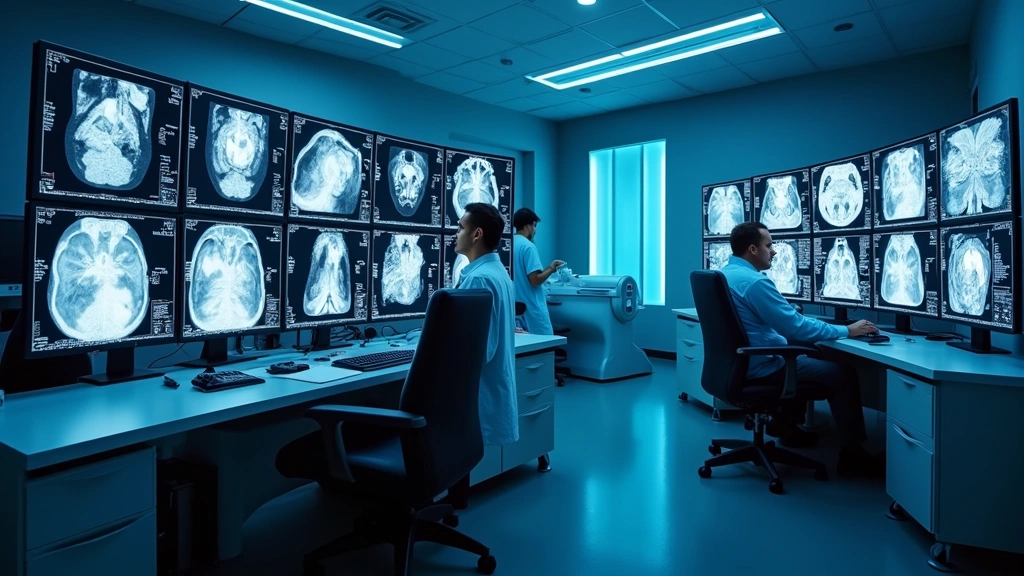
Columbia Tech Center: Innovative Health Hub
The Columbia Tech Center clinic represents a paradigm shift in how healthcare facilities integrate cutting-edge technology with patient care delivery. This innovative health hub combines telemedicine platforms, artificial intelligence diagnostics, and advanced medical imaging systems to create a comprehensive healthcare ecosystem that prioritizes both efficiency and patient outcomes. As healthcare technology continues to evolve at an unprecedented pace, the Columbia Tech Center clinic stands as a benchmark for what modern medical facilities can achieve when they embrace digital transformation.
In an era where technology and artificial intelligence are transforming our future, healthcare institutions must adapt or risk obsolescence. The Columbia Tech Center clinic has invested substantially in infrastructure that enables physicians to leverage machine learning algorithms for diagnostic accuracy, real-time patient monitoring systems, and integrated electronic health records that streamline administrative workflows. This comprehensive approach to healthcare technology deployment demonstrates how strategic investment in digital infrastructure can enhance clinical outcomes while reducing operational costs.
Advanced Diagnostic Technology Infrastructure
The Columbia Tech Center clinic operates with some of the most sophisticated diagnostic equipment available in contemporary healthcare settings. Their imaging suite includes next-generation CT scanners with ultra-low radiation protocols, high-field MRI machines capable of producing detailed anatomical visualizations, and digital radiography systems that eliminate traditional film-based processes. These diagnostic tools work in concert with artificial intelligence algorithms that analyze imaging data in real-time, flagging potential abnormalities and providing clinicians with decision-support recommendations.
The facility’s investment in diagnostic technology extends beyond imaging systems. Advanced laboratory automation handles specimen processing, chemical analysis, and pathology screening with minimal human intervention, reducing turnaround times from days to hours. Molecular diagnostics equipment enables rapid genetic testing and personalized medicine approaches, allowing physicians to tailor treatment plans based on individual patient genomics. This technological sophistication directly impacts patient care quality, enabling earlier disease detection and more targeted therapeutic interventions.
When examining the technical specifications of these diagnostic systems, several metrics stand out. The CT scanners achieve temporal resolution below 300 milliseconds, enabling cardiac imaging without motion artifacts. MRI machines operate at 3.0 Tesla field strength, producing signal-to-noise ratios that reveal microscopic pathological changes. Laboratory analyzers process over 1,000 samples daily with accuracy rates exceeding 99.8%, demonstrating the reliability of automated diagnostic infrastructure. These capabilities position the Columbia Tech Center clinic as a leader in diagnostic medicine, rivaling academic medical centers and specialized diagnostic facilities.
The integration of latest tech news and updates into clinical workflows ensures that diagnostic protocols remain current with emerging evidence-based practices. Regular software updates and hardware upgrades maintain compatibility with evolving medical standards and regulatory requirements. The facility maintains partnerships with equipment manufacturers, ensuring priority access to new diagnostic algorithms and technological innovations that enhance clinical capabilities.
Telemedicine and Remote Patient Monitoring
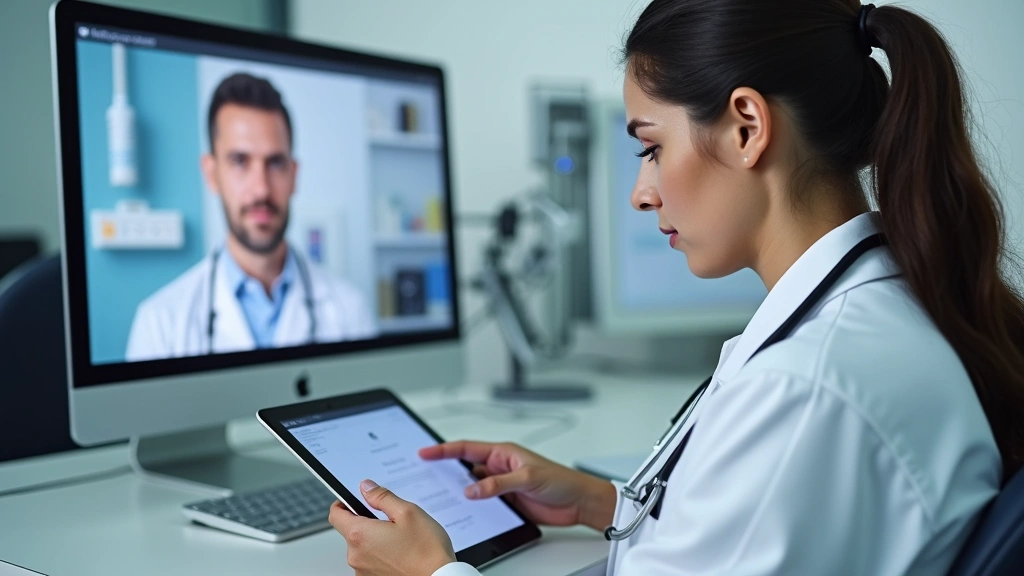
Telemedicine infrastructure at the Columbia Tech Center clinic enables physicians to provide consultations across geographic boundaries, expanding access to specialized medical expertise. The platform supports high-definition video conferencing with latency below 150 milliseconds, ensuring natural conversation flow without perceptible delays. Integrated digital examination tools allow providers to visualize patient vital signs, review imaging studies, and access comprehensive medical histories within a unified interface during remote consultations.
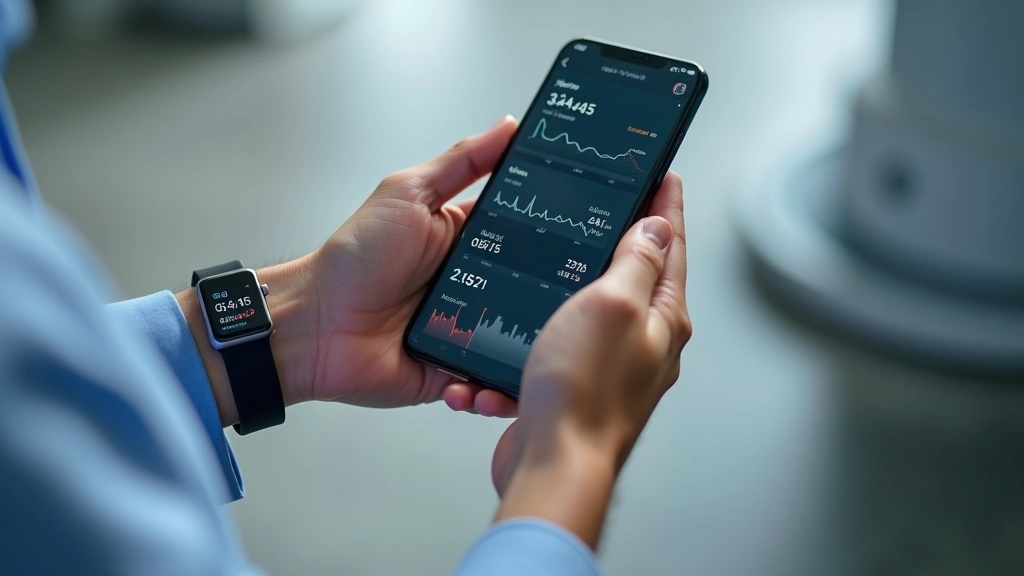
Remote patient monitoring capabilities extend clinical oversight beyond traditional office visits. Patients with chronic conditions receive connected devices that continuously transmit physiological data including heart rate variability, blood pressure readings, oxygen saturation levels, and glucose measurements. These data streams feed into cloud-based analytics platforms that identify concerning trends and alert providers when intervention becomes necessary. The system architecture supports integration with wearable devices, enabling seamless data consolidation from multiple sources into comprehensive patient dashboards.
The telemedicine infrastructure processes data with encryption protocols meeting HIPAA compliance standards, ensuring patient privacy while enabling rapid information exchange. Bandwidth allocation prioritizes clinical data transmission, maintaining video quality even during peak usage periods. The system architecture scales horizontally, supporting thousands of concurrent users without performance degradation. Backup systems and redundant network pathways ensure 99.99% uptime, critical for healthcare applications where service interruptions directly impact patient safety.
Artificial Intelligence Integration in Clinical Practice
Artificial intelligence applications at the Columbia Tech Center clinic augment clinical decision-making across multiple specialties. Machine learning models trained on millions of historical cases assist radiologists in detecting subtle imaging abnormalities that might escape human observation. These AI systems function as second readers, improving diagnostic sensitivity for conditions like early-stage malignancies, vascular pathology, and degenerative changes. Importantly, these tools enhance rather than replace physician expertise, providing decision support that elevates overall diagnostic accuracy.
Predictive analytics models identify high-risk patients likely to experience adverse events, enabling proactive interventions before complications develop. These algorithms analyze hundreds of clinical variables including vital signs, laboratory results, medication histories, and comorbidity profiles to generate individualized risk stratification. Physicians use these predictions to allocate resources efficiently, focusing intensive monitoring on patients most likely to benefit from preventive measures. The accuracy of these predictive models continues improving through continuous learning processes that incorporate new clinical outcomes data.
Natural language processing capabilities extract clinically relevant information from unstructured narrative notes, automatically populating structured data fields that improve information accessibility. These systems understand medical terminology, recognizing synonyms and contextual meanings that traditional keyword searches would miss. The result is more complete and searchable medical records that facilitate retrospective research, quality improvement initiatives, and clinical audit processes. Natural language processing also supports clinical documentation, offering context-aware suggestions that reduce documentation burden on providers.
The AI tech stocks investment landscape reflects growing recognition of artificial intelligence’s transformative potential in healthcare. Columbia Tech Center’s AI infrastructure represents substantial capital investment in machine learning platforms, computational resources, and specialized personnel required for implementation and maintenance. The facility maintains partnerships with leading AI research institutions, ensuring access to cutting-edge algorithmic advances and training methodologies that continuously improve system performance.
Electronic Health Records and Data Management
The electronic health record system deployed across Columbia Tech Center clinic integrates data from all clinical departments into a unified platform accessible to authorized providers. The EHR architecture supports multiple simultaneous users, managing thousands of concurrent transactions without introducing latency that would impede clinical workflows. Database optimization techniques ensure rapid retrieval of patient information, critical for emergency situations where seconds matter. The system maintains complete audit trails documenting all data access, supporting compliance requirements and enabling investigation of inappropriate access attempts.
Data interoperability standards enable information exchange with external healthcare systems, laboratories, and imaging centers. HL7 and FHIR protocols facilitate seamless data transmission while maintaining semantic accuracy and clinical context. Patients can authorize data sharing with other providers, creating longitudinal health records that follow them across different healthcare settings. This interoperability reduces duplicate testing, improves care coordination, and enables providers to make decisions based on comprehensive clinical information.
Business intelligence tools analyze aggregated, de-identified clinical data to identify quality improvement opportunities and operational inefficiencies. These analytics platforms process millions of data points to identify patterns invisible to human analysis. Reports generated from clinical data warehouse systems inform evidence-based practice improvements, resource allocation decisions, and strategic planning initiatives. The facility uses predictive modeling to forecast patient volumes, anticipate equipment maintenance requirements, and optimize staffing levels.
Patient Experience and User Interface Design
The patient portal provides intuitive access to personal health information, enabling patients to review test results, request prescription refills, and schedule appointments without contacting the clinic directly. Mobile applications extend portal functionality to smartphones and tablets, supporting health management activities from anywhere. The interface design follows human-centered design principles, prioritizing usability for diverse populations including elderly patients with limited technology experience. Accessibility features including large text options, voice navigation, and high-contrast displays ensure inclusive access for patients with visual or hearing impairments.
Waiting room experiences have been transformed through digital signage systems that display real-time appointment status, estimated wait times, and health education content. Interactive kiosks enable patients to update demographic information and insurance details, reducing administrative burden on staff. Appointment reminders delivered via SMS or email reduce no-show rates, improving clinic efficiency and ensuring optimal scheduling utilization.
Integration with Wearable Health Devices
Columbia Tech Center clinic has established partnerships with leading wearable device manufacturers, enabling seamless integration of consumer health devices into clinical workflows. Smartwatches, fitness trackers, and specialized medical devices transmit continuous health metrics including activity levels, sleep patterns, heart rate variability, and electrocardiographic data. These wearable integrations provide clinicians with longitudinal health data spanning weeks and months, revealing patterns that discrete clinic visits cannot capture.
Wearable device data feeds into predictive models that identify early warning signs of deteriorating health status. Sudden changes in activity levels, sleep disruption, or heart rate patterns trigger alerts prompting clinical evaluation. For cardiac patients, wearable ECG monitors detect arrhythmias automatically, enabling rapid intervention before serious complications develop. Diabetic patients benefit from continuous glucose monitoring integration, providing real-time glucose trends that guide insulin dosing adjustments.
The infrastructure supporting wearable integration handles data from dozens of different device manufacturers and operating systems. Standardized data transformation protocols convert proprietary device formats into clinical data structures, enabling analysis across heterogeneous device ecosystems. Patients maintain ownership and control over their data, with granular permissions determining which providers access specific data streams.
Security and Privacy Protocols
Healthcare data security at Columbia Tech Center clinic implements defense-in-depth strategies protecting sensitive patient information from unauthorized access. Encryption protocols secure data in transit and at rest, utilizing Advanced Encryption Standard algorithms with 256-bit key lengths exceeding government security standards. Multi-factor authentication requires providers to authenticate through multiple independent verification methods before accessing patient records, preventing unauthorized access even if passwords are compromised.
Network architecture segregates clinical systems from administrative networks, containing potential breach impacts and preventing lateral movement by malicious actors. Intrusion detection systems monitor network traffic continuously, identifying suspicious patterns indicative of cyberattacks. Security operations centers staffed with cybersecurity specialists maintain 24/7 surveillance, responding to security incidents within minutes of detection.
Regular security audits conducted by independent third-party firms evaluate compliance with HIPAA regulations and industry security standards. Penetration testing exercises simulate cyberattacks, identifying vulnerabilities before malicious actors can exploit them. Staff training programs ensure that all personnel understand security responsibilities, recognize social engineering attempts, and follow protocols preventing accidental data exposure.
The facility maintains comprehensive backup systems ensuring business continuity following hardware failures or disasters. Geographically distributed backup data centers store copies of all clinical information, enabling rapid system restoration if primary infrastructure becomes unavailable. Disaster recovery procedures are tested quarterly, ensuring staff can execute recovery protocols efficiently when actual emergencies occur.
Compliance with sustainable technology solutions extends to data center operations, with Columbia Tech Center investing in energy-efficient server infrastructure and renewable energy sources powering computational systems. Green data center practices reduce operational costs while minimizing environmental impact, aligning healthcare operations with sustainability principles.
FAQ
What diagnostic technologies does Columbia Tech Center clinic utilize?
The facility operates advanced CT scanners, high-field MRI machines, digital radiography systems, and automated laboratory equipment. These diagnostic tools incorporate artificial intelligence algorithms that assist in analyzing results and identifying abnormalities. The imaging equipment achieves industry-leading technical specifications, enabling detection of subtle pathological changes that might be missed by conventional diagnostic approaches.
How does telemedicine work at Columbia Tech Center?
Telemedicine consultations utilize high-definition video conferencing platforms integrated with electronic health record systems. Providers can access patient imaging studies, vital signs, and medical histories during remote consultations. Patients can consult with specialists without traveling, expanding access to expert medical opinions. The platform supports best tech stocks investment opportunities in healthcare infrastructure, as telemedicine capabilities attract institutional investors recognizing healthcare technology’s growth potential.
What artificial intelligence applications are implemented in clinical practice?
AI systems assist with diagnostic image analysis, predictive risk modeling, and clinical documentation. Machine learning algorithms identify high-risk patients likely to experience complications, enabling preventive interventions. Natural language processing extracts clinical information from narrative notes, improving record organization and searchability. These AI applications augment rather than replace physician expertise, providing decision support that improves overall diagnostic accuracy and clinical outcomes.
How is patient privacy protected in telemedicine consultations?
Telemedicine communications are encrypted using advanced security protocols meeting HIPAA compliance standards. Multi-factor authentication ensures only authorized providers access patient information. Network architecture segregates clinical systems from other networks, containing potential breach impacts. Regular security audits and penetration testing identify vulnerabilities before exploitation occurs.
Can patients access their health information through mobile applications?
Yes, the patient portal is accessible through mobile applications supporting iOS and Android platforms. Patients can review test results, request prescription refills, schedule appointments, and communicate with providers through secure messaging. The mobile interface is optimized for smartphone screens, providing intuitive navigation and accessibility features for users with visual or hearing impairments.
How does Columbia Tech Center integrate wearable health devices?
The facility has established partnerships with leading wearable manufacturers, enabling seamless data integration into clinical workflows. Smartwatches, fitness trackers, and specialized medical devices transmit continuous health metrics. Data from multiple devices feeds into predictive models identifying early warning signs of health deterioration. Patients maintain control over their data, with granular permissions determining provider access to specific information streams.
What makes Columbia Tech Center’s infrastructure reliable?
The facility maintains 99.99% uptime through redundant network pathways, backup systems, and geographically distributed data centers. Disaster recovery procedures are tested quarterly, ensuring rapid restoration following emergencies. Security operations centers monitor systems continuously, responding to incidents within minutes. This infrastructure reliability ensures clinical systems remain available when patient care depends on rapid information access.
How does the facility stay current with emerging healthcare technologies?
Columbia Tech Center maintains partnerships with equipment manufacturers, research institutions, and technology vendors, ensuring access to cutting-edge innovations. Regular software updates and hardware upgrades keep systems current with evolving medical standards. Staff training programs ensure providers understand new technologies and can effectively utilize advanced capabilities. Investment in big tech and renewable energy initiatives demonstrates commitment to sustainable operations while maintaining technological leadership.


