
Columbia Tech Center Clinic: A Comprehensive Guide to Modern Healthcare Technology
The Columbia Tech Center Clinic represents a cutting-edge intersection of medical practice and technological innovation, delivering patient care through advanced diagnostic tools, digital health platforms, and integrated clinical systems. This comprehensive facility has revolutionized how healthcare providers approach patient management, treatment planning, and preventive care through strategic implementation of emerging technologies.
Located at the heart of a thriving medical innovation hub, Columbia Tech Center Clinic stands as a testament to how healthcare institutions can leverage modern technology to improve patient outcomes, streamline operations, and enhance the overall care experience. Whether you’re a patient seeking advanced medical services or a healthcare professional interested in technological integration, this guide provides essential insights into what makes this clinic a leader in medical innovation.
Advanced Diagnostic Technology Infrastructure
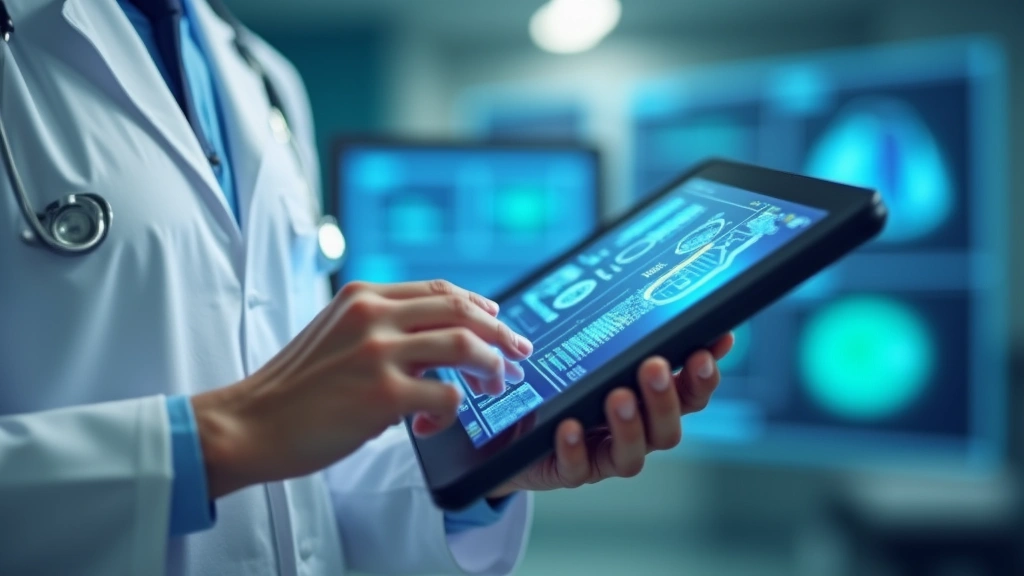
Columbia Tech Center Clinic operates with state-of-the-art diagnostic imaging systems that represent the pinnacle of medical technology. The facility houses multiple imaging modalities including high-resolution CT scanners, advanced MRI machines, and digital radiography systems that provide clinicians with unprecedented clarity in patient diagnosis.
The diagnostic infrastructure at this clinic incorporates real-time image processing algorithms that enhance visualization of anatomical structures and pathological conditions. These systems are complemented by laboratory automation equipment capable of processing thousands of samples daily with minimal human intervention, reducing turnaround times for critical test results. The integration of tech pulse hunter blog resources helps clinicians stay updated on emerging diagnostic methodologies.
Pathology departments utilize digital slide imaging technology that allows pathologists to review tissue samples remotely while maintaining diagnostic accuracy. This advancement has proven particularly valuable for complex cases requiring specialist consultation. The clinic’s commitment to diagnostic excellence extends to molecular testing capabilities, including genomic sequencing and biomarker analysis, enabling personalized medicine approaches.
Equipment specifications meet international standards with regular calibration and quality assurance protocols. Each diagnostic device undergoes rigorous validation testing to ensure accuracy and reliability. The clinic maintains partnerships with leading equipment manufacturers to access the latest technological upgrades and maintenance protocols.
Electronic Health Records and Digital Integration
The backbone of Columbia Tech Center Clinic’s operations rests on a comprehensive electronic health records (EHR) system that seamlessly integrates patient data across all clinical departments. This unified platform eliminates information silos and ensures that every healthcare provider involved in patient care has immediate access to relevant medical history, current medications, allergies, and previous diagnostic results.
The EHR system incorporates interoperability standards that allow secure data exchange with external healthcare facilities, pharmacies, and insurance providers. This interconnectedness streamlines referral processes and ensures continuity of care when patients transition between different care settings. The system’s architecture supports AI in customer service applications for appointment reminders and patient communication.
Clinical documentation within the system follows structured templates that promote consistency and completeness while reducing administrative burden on providers. The platform includes natural language processing capabilities that extract meaningful clinical information from narrative notes, making data more searchable and analyzable for quality improvement initiatives.
Patient portals integrated with the EHR system grant individuals secure access to their medical records, test results, and medication lists. This transparency empowers patients to actively participate in their healthcare decisions and promotes health literacy. The portal also facilitates secure messaging between patients and their care teams, reducing unnecessary phone calls while maintaining HIPAA compliance.
Telemedicine and Remote Patient Monitoring
Columbia Tech Center Clinic has embraced telemedicine as a core service delivery model, recognizing that not all patient encounters require in-person visits. The facility operates a robust virtual care platform that enables consultations, follow-ups, and minor acute care visits through secure video conferencing technology.
Remote patient monitoring systems deployed throughout the clinic allow chronic disease management from patients’ homes. Patients with conditions like hypertension, diabetes, and heart failure can transmit vital signs and symptom data automatically to clinical dashboards where providers monitor trends and intervene when necessary. This proactive approach has demonstrated significant improvements in patient outcomes and reduced emergency department utilization.
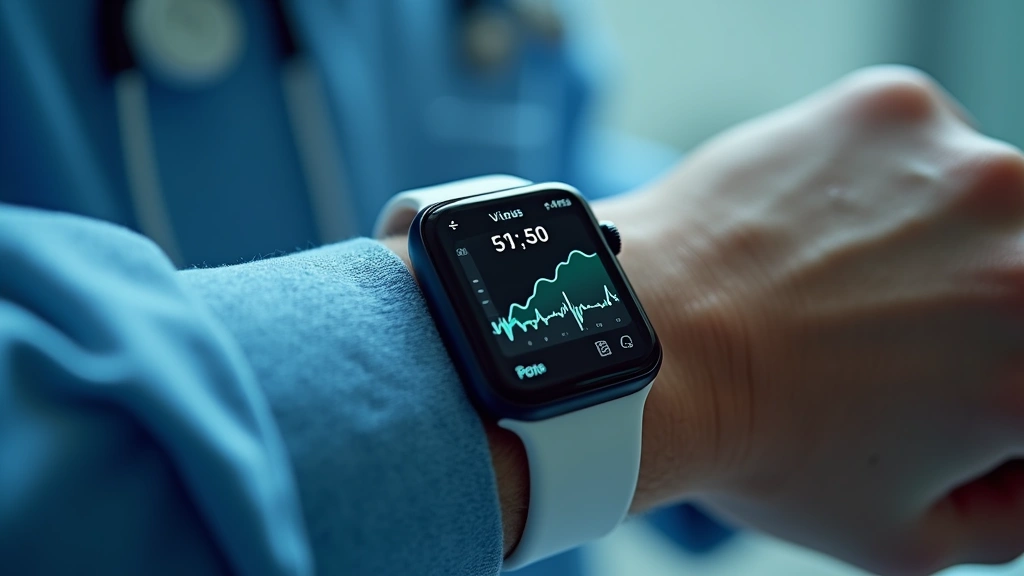
Wearable device integration represents another frontier in the clinic’s remote monitoring capabilities. Smartwatches and medical-grade sensors track continuous physiological parameters, providing clinicians with unprecedented insight into patient health status. The clinic’s platform aggregates data from multiple wearable manufacturers, creating a unified view of patient wellness metrics. Learn more about technology infrastructure optimization principles that apply to healthcare systems.
The telemedicine infrastructure maintains redundant connectivity pathways to ensure uninterrupted service during peak usage periods. Video quality automatically adjusts based on available bandwidth, ensuring clear communication even in low-connectivity environments. All sessions are encrypted end-to-end, protecting patient privacy during virtual consultations.
AI-Powered Clinical Decision Support
Artificial intelligence integration at Columbia Tech Center Clinic enhances diagnostic accuracy and clinical decision-making across multiple specialties. Machine learning algorithms trained on thousands of imaging studies assist radiologists in detecting subtle abnormalities that might otherwise be overlooked, functioning as a second reader for quality assurance.
Predictive analytics algorithms analyze patient data to identify individuals at high risk for adverse events, enabling preventive interventions before conditions deteriorate. These systems process electronic health records to flag patients with specific risk profiles, allowing care teams to implement targeted management strategies. The clinic’s approach to AI-assisted triage has reduced wait times and improved resource allocation in emergency and urgent care settings.
Clinical pathways powered by artificial intelligence recommend evidence-based treatment protocols tailored to individual patient characteristics. These recommendations consider patient comorbidities, medication interactions, and contraindications, reducing prescribing errors and optimizing therapeutic outcomes. Integration with best tech stocks analysis helps understand investments in healthcare AI companies driving innovation.
Natural language processing algorithms extract clinical concepts from unstructured medical notes, enabling researchers to conduct large-scale studies using real-world clinical data. This capability has accelerated the clinic’s participation in multicenter research initiatives examining treatment effectiveness and patient outcomes across diverse populations.
Patient Experience and Technology
The patient experience at Columbia Tech Center Clinic extends beyond clinical care to encompass every interaction with the healthcare system. Mobile applications provide patients with convenient access to appointment scheduling, enabling them to book visits at times that fit their schedules without lengthy phone calls.
Check-in processes have been digitized through kiosk systems and mobile applications that reduce waiting time and administrative overhead. Patients complete medical history questionnaires and insurance verification electronically before seeing providers, allowing clinicians to maximize face-to-face time on clinical assessment rather than information gathering.
Wayfinding technology integrated throughout the clinic’s physical space helps patients navigate the facility efficiently. Digital signage provides real-time information about wait times and appointment status, reducing anxiety and uncertainty during clinical visits. The clinic has implemented patient flow optimization systems that analyze movement patterns and identify bottlenecks in the care delivery process.
Educational resources delivered through digital platforms empower patients with condition-specific information, medication guidance, and lifestyle modification recommendations. These materials are personalized based on individual diagnoses and learning preferences, increasing engagement and health literacy. The clinic’s commitment to climate tech innovations extends to sustainable healthcare practices that reduce environmental impact.
Data Security and Privacy Protocols
Columbia Tech Center Clinic maintains rigorous information security standards to protect sensitive patient data from unauthorized access and cyber threats. Multi-factor authentication controls access to electronic health records, ensuring that only authorized personnel can view patient information.
Data encryption protocols secure information both in transit and at rest, utilizing military-grade encryption standards that exceed regulatory requirements. Regular security audits and penetration testing identify vulnerabilities before malicious actors can exploit them. The clinic’s information security team continuously monitors network traffic for suspicious activities indicative of cyberattacks or unauthorized access attempts.
Compliance with HIPAA regulations, state privacy laws, and industry standards forms the foundation of the clinic’s data governance framework. Staff members receive regular training on privacy principles and security best practices, recognizing that human error represents a significant cybersecurity risk. The clinic maintains detailed audit logs of all access to patient records, enabling investigation of any suspected breaches.
Business continuity and disaster recovery plans ensure that patient care can continue even during catastrophic system failures or cyberattacks. Regular backup procedures create redundant copies of critical data stored in geographically separate locations. The clinic conducts periodic disaster recovery drills to validate that recovery procedures function as designed.
Appointment Scheduling and Access Systems
The clinic’s appointment scheduling system utilizes sophisticated algorithms that optimize provider schedules while minimizing patient wait times. The platform considers appointment duration, provider expertise, and patient preferences to match individuals with appropriate clinical resources.
Online scheduling portals enable patients to book appointments directly without staff assistance, available 24/7 for maximum convenience. The system sends automated reminders via text message and email, reducing no-show rates and improving clinic efficiency. Cancellation policies are enforced automatically, allowing other patients to fill open slots quickly.
Access to the clinic is managed through multiple pathways including walk-in urgent care, scheduled appointments, and virtual visits, ensuring that patients can receive care through their preferred modality. Triage algorithms direct patients to appropriate service levels based on symptom severity, reducing unnecessary emergency department utilization while ensuring urgent cases receive prompt attention.
The clinic maintains open access scheduling principles that prioritize same-day appointments for acute concerns while accommodating advance scheduling for preventive and chronic disease management visits. This flexible approach balances provider productivity with patient accessibility, improving satisfaction scores across all service lines.
FAQ
What diagnostic technologies does Columbia Tech Center Clinic offer?
The clinic operates advanced imaging systems including high-resolution CT scanners, MRI machines, digital radiography, digital pathology systems, and molecular testing capabilities including genomic sequencing. All equipment meets international standards with regular quality assurance protocols. The facility also provides laboratory automation for rapid sample processing and specialized testing.
How can patients access telemedicine services?
Patients can schedule virtual visits through the clinic’s online patient portal or by calling the appointment line. Virtual consultations are conducted through secure video conferencing platforms that maintain HIPAA compliance. The clinic offers telemedicine for follow-up visits, minor acute concerns, and specialist consultations when appropriate.
What security measures protect my medical information?
Columbia Tech Center Clinic implements military-grade encryption, multi-factor authentication, regular security audits, and continuous network monitoring. The facility complies with HIPAA regulations and maintains detailed audit logs of all record access. Staff receive regular privacy and security training.
Can I access my medical records online?
Yes, the patient portal provides secure access to medical records, test results, medication lists, and appointment information. Patients can also communicate securely with their care teams through the portal’s messaging feature, which maintains HIPAA compliance.
How does the clinic use artificial intelligence?
AI algorithms assist with diagnostic imaging interpretation, identify patients at high risk for adverse events, recommend evidence-based treatment protocols, and extract clinical information from medical notes. These systems enhance clinical decision-making while maintaining provider oversight and patient safety.
What are the appointment scheduling options?
The clinic offers online scheduling through the patient portal available 24/7, phone-based scheduling, walk-in urgent care, and same-day appointment availability for acute concerns. Automated reminders reduce no-show rates and improve access for other patients.


