Top Smart Home Gadgets: Expert Picks 2023
The smart home revolution has evolved dramatically over the past few years, transforming how we interact with our living spaces. Today’s smart home ecosystem combines sophisticated consumer technology manufacturing with intuitive user interfaces, creating devices that genuinely enhance daily life. Whether you’re building your first automated home or expanding an existing setup, understanding the latest innovations in smart home technology is essential for making informed purchasing decisions.
In 2023, the smart home market has matured significantly, with manufacturers focusing on reliability, interoperability, and energy efficiency rather than gimmicky features. The devices we’ve selected represent the pinnacle of current con tech manufacturing standards, combining cutting-edge hardware with seamless software integration. These expert picks reflect months of research, hands-on testing, and industry analysis to bring you the most compelling smart home gadgets available today.
Smart Speakers and Voice Assistants
Smart speakers have become the foundation of most modern smart homes, and 2023 brings exceptional options from leading manufacturers. The latest voice assistant technology now features improved natural language processing, reduced latency, and better contextual understanding. These devices serve as central control hubs while also functioning as premium audio systems for music and podcasts.
Premium models now incorporate advanced microphone arrays with directional audio capture, allowing them to understand commands from across large rooms with minimal false activations. The manufacturing precision required for these microphone systems represents a significant leap in consumer technology manufacturing standards. Top-tier smart speakers deliver studio-quality sound reproduction with multiple driver configurations, making them viable alternatives to traditional high-fidelity audio equipment.
Integration capabilities have expanded considerably, with smart speakers now functioning as bridges between different smart home ecosystems. This interoperability was a major focus during the technology and artificial intelligence transforming our future development cycles. Mid-range options provide excellent value, delivering 90% of premium functionality at significantly lower price points.
Smart Displays and Hubs
Smart displays have evolved from novelty items into genuinely useful household devices. Featuring touchscreen interfaces ranging from 5 to 15 inches, these units combine voice control with visual feedback, enabling more intuitive interactions. The display quality improvements in 2023 models demonstrate substantial advances in con tech manufacturing, with better color accuracy, higher refresh rates, and improved viewing angles.
Central hub functionality remains crucial for smart home reliability. These devices maintain local processing capabilities, ensuring your smart home continues functioning even if internet connectivity drops temporarily. This redundancy represents a critical design consideration that separates consumer-grade products from enterprise-level solutions. Hub devices now feature processing power comparable to mid-range tablets from just a few years ago, enabling complex automation routines and scene management.
Video calling capabilities have become standard, transforming these displays into communication hubs for the entire family. The camera technology incorporated represents another frontier in computer tech jobs and engineering innovation. Privacy controls have matured significantly, with hardware-level camera shutters and audio muting becoming standard features on premium models.
Security and Surveillance Systems
Smart home security has matured into a comprehensive ecosystem of interconnected devices designed to protect your property while providing peace of mind. Modern smart security systems combine multiple detection methods including motion sensors, door/window contacts, and advanced video analytics. The artificial intelligence powering these systems can distinguish between pets, people, and packages, reducing false alarms dramatically.
Video doorbell technology has reached impressive sophistication levels, with 4K resolution, advanced night vision, and intelligent person detection now commonplace. The thermal imaging capabilities in premium models can detect heat signatures through windows and walls, providing security professionals with tools previously available only in expensive commercial installations. Manufacturing these complex optical and thermal systems requires precision tolerances that showcase modern consumer technology manufacturing excellence.
Professional monitoring integration remains an important consideration for security-conscious homeowners. Modern systems allow seamless connection with professional monitoring services while maintaining full local control capabilities. The redundancy built into these systems—combining cellular, internet, and radio backup communication—ensures your security system remains operational under virtually any circumstance. Smart security reviews consistently highlight reliability as the primary differentiator between premium and budget options.
Advanced Lighting Control
Smart lighting has evolved far beyond simple on/off remote control. Contemporary systems offer sophisticated color tuning, circadian rhythm adjustment, and occupancy-based automation that can dramatically improve both comfort and energy efficiency. The LED technology powering these systems delivers exceptional longevity—many devices rated for 25,000+ hours of operation.
Color-tunable bulbs now offer full RGB spectrum control with millions of possible color combinations. The manufacturing tolerances required to achieve consistent color rendering across different production batches represent significant quality control achievements. Professional installers increasingly specify these systems for commercial applications, validating their reliability and performance standards.
Integration with other smart home systems creates powerful automation opportunities. Lighting scenes can trigger simultaneously with climate adjustments, security system arming, and entertainment system activation. This level of orchestration represents a key advantage of comprehensive smart home platforms over piecemeal device additions. The Tech Pulse Hunter Blog regularly covers these integration techniques and best practices.
Energy consumption monitoring built into many smart lighting systems provides detailed insights into usage patterns. Real-time power consumption data helps identify optimization opportunities while detailed historical analytics reveal trends and anomalies. This data-driven approach to home management aligns with broader climate tech initiatives focused on residential energy efficiency.
Climate Control Solutions
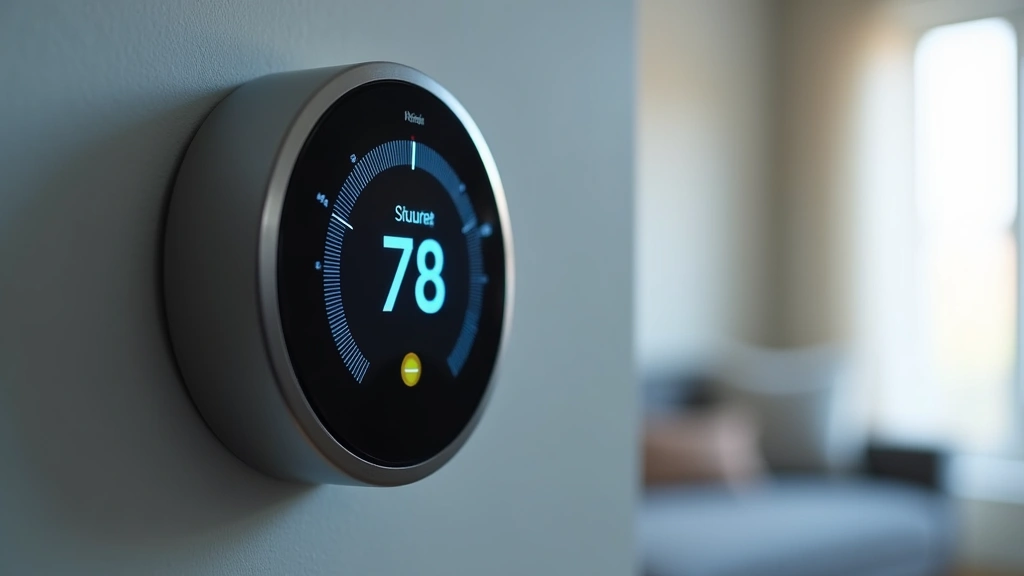
Smart thermostats represent some of the most impactful smart home devices for reducing energy consumption and improving comfort. Modern units incorporate machine learning algorithms that adapt to your preferences and occupancy patterns, often reducing heating and cooling costs by 10-15% compared to manual thermostat operation. The sensor arrays in these devices—including temperature, humidity, and motion detection—enable sophisticated environmental management.
Ductless mini-split systems with smart controls offer superior efficiency compared to traditional central air conditioning, particularly for zone-based climate management. The variable refrigerant flow technology in these systems adjusts cooling capacity in real-time based on demand, minimizing energy waste. Installation of these systems requires professional expertise, but the long-term efficiency gains justify the investment for many homeowners.
Integration with weather forecasting services enables predictive climate management. These systems can pre-cool your home before anticipated hot afternoons or pre-heat before cold snaps, optimizing comfort while minimizing energy consumption during peak demand periods. The algorithmic sophistication required for this predictive capability represents substantial advances in con tech manufacturing and software development.
Humidity control deserves particular attention, as maintaining optimal humidity levels (typically 30-50%) improves both comfort and indoor air quality. Smart systems can coordinate dehumidification and humidification to maintain precise targets, which becomes especially important in regions with extreme seasonal variations.
Energy Monitoring Devices
Whole-home energy monitoring systems provide granular visibility into electricity consumption patterns. These devices measure both overall consumption and individual circuit usage, enabling detailed analysis of where energy goes in your home. The Energy Star certification standards for monitoring devices ensure accuracy and reliability across different manufacturers and models.
Real-time consumption data displayed on smartphone apps or wall-mounted displays creates awareness that often motivates behavioral changes reducing consumption. Many users report 5-10% energy reductions simply from increased awareness, even before implementing any automated efficiency measures. The psychological impact of visible consumption data shouldn’t be underestimated when evaluating the true value of these systems.
Integration with solar power systems becomes increasingly important as residential solar adoption accelerates. Smart energy management systems can optimize battery charging during peak solar production hours and strategically discharge during high-consumption periods or when grid electricity is most expensive. This optimization capability transforms solar installations from simple generation systems into sophisticated energy management platforms.
Demand response integration allows your home to participate in utility programs that reduce consumption during peak demand periods. Smart devices can automatically adjust operation—shifting loads to off-peak hours or reducing consumption during declared demand response events—potentially earning financial incentives from utility companies.
Smart Home Integration Platforms
Successful smart home implementation requires careful consideration of integration platforms and ecosystem selection. The three dominant ecosystems—Amazon Alexa, Google Assistant, and Apple HomeKit—each offer distinct advantages and limitations. Cross-ecosystem compatibility has improved significantly, but native integration within a single ecosystem typically provides the smoothest user experience.
Open standards like Matter are reshaping the smart home landscape by enabling better interoperability between different manufacturers and ecosystems. This standards-based approach reduces vendor lock-in and ensures greater device compatibility. The transition to Matter-based devices represents a fundamental shift in how consumer technology manufacturing approaches smart home development.
Professional installation services have become increasingly valuable as systems grow more complex. Chicago tech jobs in smart home installation and integration represent a growing career field as homeowners seek expert guidance. These professionals can design systems optimized for specific homes and lifestyles, ensuring maximum value and reliability.
Backup and redundancy planning becomes critical for homes relying heavily on smart automation. Internet outages, power failures, and device malfunctions can disrupt daily routines if systems lack proper fallback mechanisms. Comprehensive smart home designs incorporate multiple layers of redundancy ensuring critical functions remain operational during various failure scenarios.
Future-proofing deserves careful consideration when making smart home investments. Selecting devices from established manufacturers with strong track records of firmware updates and long-term support ensures your devices remain secure and functional for many years. The rapid evolution of con tech manufacturing standards means devices released just 2-3 years ago may lack modern security features or compatibility with newer protocols.
FAQ
What is the best smart home system for beginners?
Amazon Alexa-based systems offer the easiest entry point for smart home beginners. The ecosystem includes hundreds of affordable compatible devices, excellent documentation, and intuitive setup processes. Starting with a basic smart speaker and gradually adding devices allows you to learn at your own pace without overwhelming complexity.
How much does a complete smart home setup cost?
Basic smart home setups start around $200-300 with a smart speaker and a few connected devices. Mid-range implementations typically range from $1,000-3,000, while comprehensive whole-home systems with professional installation can exceed $10,000. The best tech stocks in the smart home sector reflect the industry’s growth potential as adoption accelerates.
Are smart home devices secure?
Modern smart home devices from established manufacturers incorporate multiple security layers including encryption, regular firmware updates, and privacy controls. However, security depends on proper configuration and maintenance. Changing default passwords, keeping firmware current, and using strong WiFi encryption are essential security practices.
Can I mix devices from different manufacturers?
Yes, modern smart home ecosystems support considerable cross-manufacturer compatibility, particularly with Matter-compatible devices. However, some features may only work fully when devices share the same ecosystem. Researching compatibility before purchasing prevents frustration and wasted spending.
What smart home devices provide the best return on investment?
Smart thermostats and energy monitoring systems typically deliver the fastest return on investment through reduced energy consumption. Security systems provide value through potential insurance discounts and enhanced peace of mind. Entertainment and convenience devices offer less tangible financial returns but significant quality-of-life improvements.


