Crane Tech Innovations: Expert Insights
The construction and logistics industries are experiencing a technological revolution, with crane tech innovations fundamentally transforming how heavy lifting operations are executed. Modern crane technology integrates artificial intelligence, IoT sensors, and advanced safety systems to maximize efficiency while minimizing risk. From autonomous load monitoring to predictive maintenance algorithms, these innovations represent a paradigm shift in industrial equipment management. Industry experts predict that crane tech adoption will accelerate significantly over the next five years, driven by labor shortages and increased demand for precision operations.
Understanding the latest big tech platform industry news includes recognizing how traditional industries leverage cutting-edge technology. Crane operators and fleet managers must stay informed about emerging innovations that directly impact operational costs, safety metrics, and project timelines. This comprehensive guide examines the most significant crane tech breakthroughs, expert recommendations, and implementation strategies for modern construction environments.
Smart Crane Technology Systems
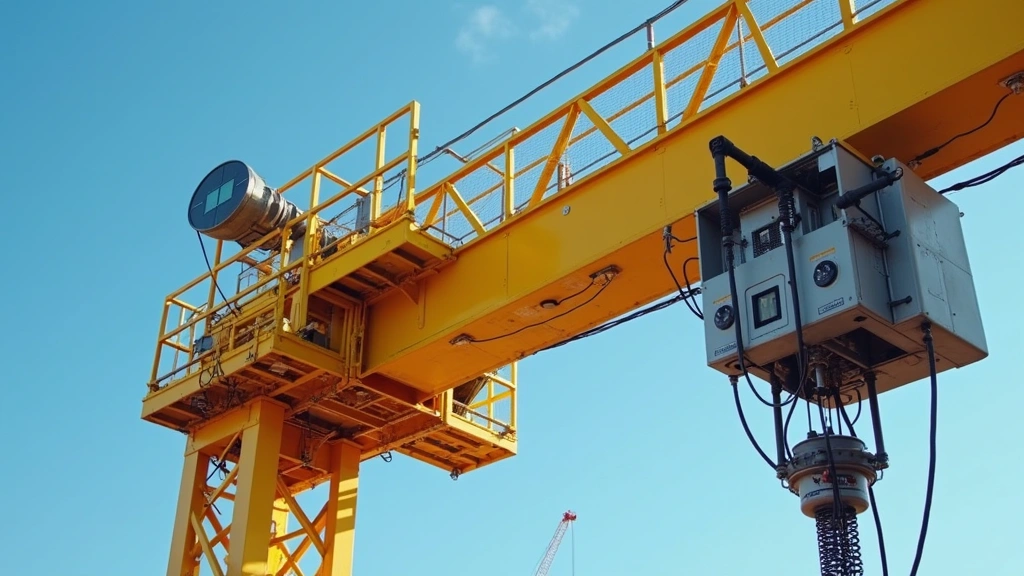
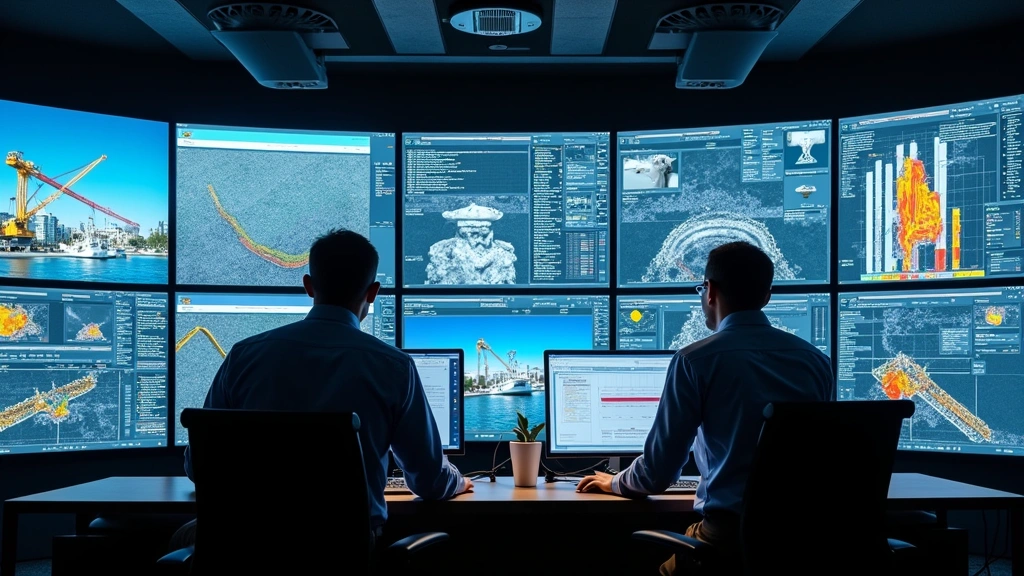
Modern smart crane systems represent the convergence of mechanical engineering and digital innovation. These integrated platforms combine hardware sensors, cloud-based software, and mobile applications to create comprehensive operational ecosystems. Leading manufacturers like Liebherr, Manitowoc, and Tadano have invested heavily in developing next-generation systems that provide operators with unprecedented visibility and control over lifting operations.
Smart crane systems typically feature real-time load cell technology, which continuously monitors weight distribution and structural stress. Advanced systems can detect micro-movements and vibrations that traditional cranes would miss, allowing operators to make precise adjustments. According to Liebherr’s technical specifications, their latest intelligent crane models reduce operational errors by up to 40% compared to conventional equipment.
The integration of digital twin technology allows operators to simulate complex lifting scenarios before execution. This capability proves invaluable for challenging projects involving unusual load shapes, tight spaces, or multiple coordination requirements. Digital twins can predict how loads will behave under various wind conditions, temperature variations, and equipment configurations.
Key features of modern smart crane systems include:
- Automated load calculation with real-time verification against structural capacity
- Weather monitoring integration that adjusts operational parameters based on wind speed and atmospheric conditions
- GPS positioning for precise load placement within millimeter tolerances
- Operator assistance systems that provide guidance and warnings during critical maneuvers
- Maintenance scheduling alerts triggered by usage patterns and component wear detection
These systems significantly reduce the cognitive load on operators, allowing them to focus on strategic decision-making rather than routine monitoring tasks. The CNET analysis of industrial automation highlights how such systems contribute to safer, more efficient job sites.
IoT Integration and Real-Time Monitoring
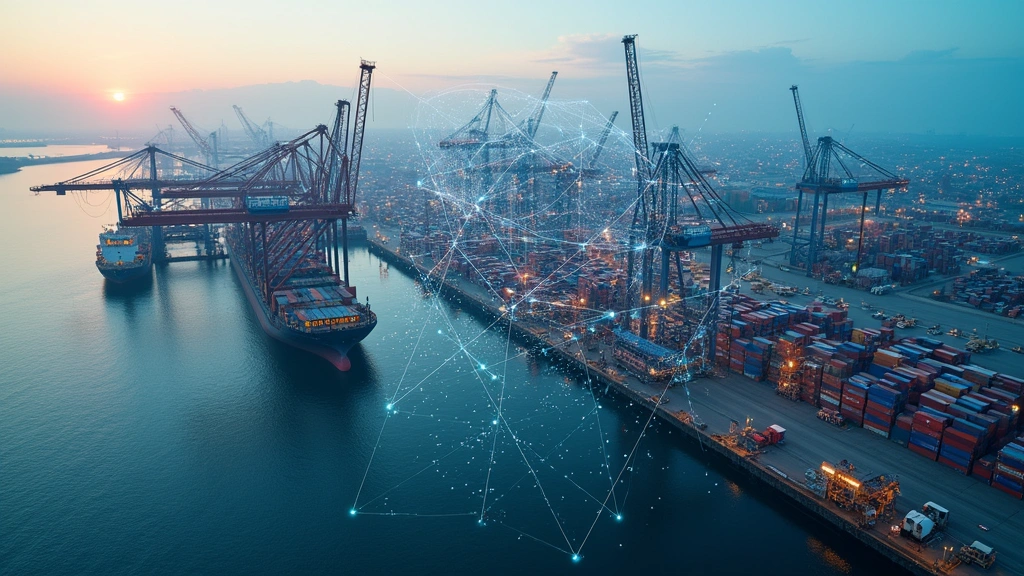
Internet of Things integration has transformed crane operations from reactive to proactive management models. Connected sensors embedded throughout crane structures continuously transmit performance data to cloud platforms, enabling real-time analysis and predictive insights. This shift represents a fundamental change in how fleet managers approach equipment utilization and maintenance scheduling.
Real-time monitoring systems track dozens of operational parameters simultaneously: boom angle, hoist speed, load weight, motor temperature, hydraulic pressure, and electrical current consumption. Advanced analytics platforms process this data to identify trends, anomalies, and optimization opportunities. When integrated with enterprise resource planning systems, IoT data enables seamless coordination between crane operations and project management workflows.
The benefits of IoT-enabled monitoring include:
- Predictive maintenance that identifies component degradation before failures occur, reducing unexpected downtime
- Usage-based billing models that optimize fleet allocation across multiple projects
- Performance benchmarking comparing individual crane efficiency against fleet averages and industry standards
- Safety event logging that automatically records near-miss incidents and operational violations
- Operator behavior analysis identifying training opportunities and recognizing exemplary performance
Leading IoT platforms for crane management include Sennebogen’s SmartSite technology, Konecranes’ Agilon ecosystem, and Tadano’s intelligent fleet solutions. These platforms typically offer mobile applications allowing supervisors to monitor operations from remote locations, receive alerts about safety concerns, and access historical performance data for analysis.
Integration with existing enterprise systems requires careful planning and change management. Many organizations find that transitioning to IoT-enabled operations requires new skill sets among maintenance personnel and operational staff. However, the long-term efficiency gains and safety improvements typically justify the investment within 18-24 months of implementation.
AI-Powered Load Optimization
Artificial intelligence algorithms are revolutionizing how loads are planned, calculated, and executed. Machine learning models trained on thousands of historical lifting operations can predict optimal crane positioning, hook angles, and rigging configurations with remarkable accuracy. These systems learn from both successful operations and incidents, continuously improving their recommendations.
AI-powered load optimization addresses one of the most complex aspects of crane operations: determining the safest, most efficient way to move a specific load. Traditional approaches rely on engineer calculations and operator experience. Modern AI systems can process multiple competing objectives simultaneously—minimizing cycle time, reducing energy consumption, maintaining load stability, and ensuring personnel safety.
Key applications of AI in crane operations:
- Autonomous load path optimization calculating routes that minimize swing, vibration, and environmental hazards
- Rigging configuration recommendations based on load geometry, weight distribution, and environmental factors
- Operator skill assessment identifying training needs and personalizing instruction to individual learning styles
- Predictive event detection warning operators about developing safety concerns before they become critical
- Energy consumption optimization reducing fuel or electricity usage while maintaining operational performance
The Verge’s coverage of industrial AI applications notes that construction technology companies are increasingly adopting machine learning to address labor shortages and safety concerns. AI systems can partially compensate for operator inexperience by providing real-time guidance and preventing dangerous maneuvers.
Implementation of AI-powered optimization requires significant data infrastructure. Organizations must invest in sensor networks, cloud computing resources, and staff training. However, early adopters report impressive returns on investment, with some operations achieving 25-35% improvements in throughput while simultaneously reducing safety incidents.
Safety Innovations and Risk Mitigation
Safety remains the paramount concern in crane operations, driving continuous innovation in risk mitigation technologies. Modern safety systems employ multiple redundant sensors, automated safeguards, and operator alerts to prevent accidents. These innovations address the leading causes of crane-related incidents: overloading, inadequate rigging, operator error, and environmental hazards.
Advanced safety systems include:
- Load moment indicators with electronic limits that prevent operations exceeding crane capacity
- Anti-collision systems using radar and LiDAR to detect obstacles and personnel within danger zones
- Automated load control preventing swinging, spinning, or oscillation that could destabilize loads
- Operator fatigue monitoring detecting signs of fatigue and recommending rest breaks
- Environmental hazard detection monitoring wind speed, visibility, and ground stability
The integration of proximity warning systems represents a significant safety advancement. These systems use ultrasonic sensors and radio frequency identification to detect personnel approaching crane operations. When workers enter danger zones, audible and visual warnings alert both the operator and the individual, preventing many accidents before they occur.
Safety innovations also extend to training and certification. Virtual reality simulators allow operators to practice challenging scenarios in safe, controlled environments. These simulators can recreate rare but dangerous situations—high-wind operations, emergency procedures, or complex multi-crane lifts—without exposing trainees to actual risk. Studies show that VR-trained operators demonstrate superior safety performance compared to traditionally trained peers.
Compliance with safety standards like ANSI, ISO, and OSHA regulations becomes significantly easier with modern safety systems. Automated documentation and incident logging create comprehensive audit trails demonstrating regulatory compliance. Many insurance companies now offer premium reductions for operators utilizing advanced safety systems, recognizing the reduced risk profiles.
Autonomous Crane Operations
Autonomous crane systems represent the frontier of construction technology, though current implementations remain limited to highly controlled environments. Unlike fully autonomous systems, most “autonomous” cranes operate as semi-autonomous platforms, with operators providing high-level instructions while the system handles precise execution.
Semi-autonomous systems offer significant advantages for repetitive operations. In manufacturing facilities, ports, and warehouses where loads follow predictable patterns, autonomous systems can operate continuously with minimal human oversight. These systems dramatically reduce operator fatigue, eliminate human error from routine tasks, and enable 24/7 operations.
Current autonomous crane applications include:
- Stacking and destacking operations in warehouses and container terminals
- Assembly line material handling in manufacturing environments
- Repetitive construction tasks like placing prefabricated building components
- Hazardous material handling where remote operation protects personnel from dangerous substances
The transition to fully autonomous cranes requires overcoming significant technical and regulatory challenges. Current systems lack the adaptability needed for unpredictable real-world construction environments. Wind patterns, unexpected obstacles, irregular loads, and changing site conditions all present challenges that exceed current AI capabilities. Additionally, regulatory frameworks haven’t yet established clear guidelines for autonomous construction equipment operation.
Industry experts expect that fully autonomous cranes will eventually emerge, but meaningful deployment likely remains 5-10 years away. In the interim, semi-autonomous systems will continue expanding, particularly in controlled industrial environments. Organizations interested in staying current with latest technology news and updates should monitor developments in autonomous construction equipment closely.
Cost-Benefit Analysis for Operators
Implementing advanced crane technology requires substantial capital investment, making rigorous cost-benefit analysis essential for fleet managers. The financial case for modernization depends on specific operational contexts, equipment utilization rates, labor costs, and project types.
Typical cost factors for crane tech adoption:
- Equipment upgrade costs ranging from $50,000 to $500,000+ depending on system sophistication
- Installation and integration expenses requiring specialized technicians and potential downtime
- Staff training costs for operators, maintenance personnel, and management
- Software licensing fees for cloud platforms and analytics tools
- Sensor and hardware replacement as components reach end-of-life
Quantifiable benefits typically include:
- Reduced downtime from predictive maintenance, improving equipment availability by 10-20%
- Increased throughput from optimized operations, enabling 15-25% more jobs per equipment unit
- Lower fuel consumption from efficient operation, reducing energy costs 10-15%
- Reduced insurance premiums from improved safety records, saving 5-10% annually
- Decreased labor costs from reduced operator requirements and overtime
Return on investment timelines typically range from 18-36 months, depending on equipment utilization and operational complexity. High-utilization operations with complex lifting requirements see faster ROI, while seasonal or intermittently-used equipment may require longer payback periods.
Financial modeling should also account for intangible benefits: improved safety culture, enhanced reputation for quality and safety, better employee retention, and increased competitiveness for specialized projects. These factors often prove as valuable as direct cost savings in long-term business success.
Industry Standards and Compliance
Crane technology must comply with numerous international standards and local regulations. Understanding these requirements is essential for safe, legal operations. Major regulatory frameworks include ANSI B30.5 (mobile cranes), ISO 4413 (hydraulic safety), and various OSHA regulations governing construction equipment.
Modern crane systems facilitate compliance through automated documentation and monitoring. Digital systems maintain comprehensive records of maintenance activities, operator certifications, load tests, and safety inspections. This documentation proves invaluable during regulatory audits and insurance claim investigations.
Key compliance considerations:
- Operator certification requirements varying by jurisdiction and equipment type
- Regular inspection schedules mandated by regulatory bodies and insurance providers
- Load testing protocols ensuring equipment can safely handle rated capacities
- Maintenance documentation proving adherence to manufacturer recommendations
- Safety training records demonstrating personnel competency
The OSHA construction equipment standards provide comprehensive guidance on crane operations and safety requirements. Compliance with these standards not only prevents legal penalties but fundamentally protects personnel from serious injury or death.
Organizations modernizing crane fleets should ensure new systems facilitate, rather than complicate, compliance activities. Well-designed platforms automate documentation, alert users to upcoming inspection deadlines, and maintain audit trails demonstrating regulatory adherence.
Future Outlook and Market Trends
The crane technology market is experiencing rapid evolution, driven by labor shortages, increasing safety awareness, and pressure to improve operational efficiency. Industry analysts project the global smart crane market will grow from approximately $2.8 billion in 2023 to over $6.2 billion by 2030, representing a compound annual growth rate of 11.8%.
Emerging trends shaping the future of crane technology include:
- 5G integration enabling ultra-low-latency remote operations and real-time data transmission
- Blockchain applications for secure documentation of load histories and equipment certifications
- Advanced materials reducing equipment weight while maintaining structural integrity
- Electric and hydrogen-powered systems addressing environmental concerns and reducing operational costs
- Modular crane designs enabling rapid reconfiguration for different project requirements
Sustainability represents an increasingly important consideration in crane technology development. Environmental regulations and corporate sustainability commitments are driving demand for electric and alternative-fuel-powered cranes. Battery technology improvements continue expanding the viability of electric systems for heavy-duty applications previously requiring diesel engines.
The convergence of crane technology with broader construction digitalization initiatives creates opportunities for integrated workflows. Modern construction sites increasingly employ building information modeling, drone monitoring, and automated material tracking. Crane systems that integrate seamlessly with these broader ecosystems provide competitive advantages and operational efficiencies.
Investment in crane technology innovation continues accelerating, with major equipment manufacturers allocating increasing R&D budgets to emerging technologies. For fleet managers and construction companies, staying informed about best tech stocks in construction and industrial equipment sectors provides insights into which companies are leading technological advancement.
The future of crane operations will likely feature hybrid human-AI systems where operators focus on strategic decision-making while automated systems handle routine execution and safety monitoring. This partnership approach leverages human judgment and adaptability alongside machine precision and tireless monitoring capabilities.
FAQ
What is the primary advantage of smart crane technology?
The primary advantage is significantly improved safety combined with enhanced operational efficiency. Smart systems continuously monitor loads, environmental conditions, and equipment status, preventing accidents before they occur while simultaneously optimizing performance. Secondary advantages include reduced downtime through predictive maintenance, lower operational costs, and improved compliance documentation.
How much does it cost to upgrade to modern crane technology?
Upgrade costs vary dramatically based on equipment type and system sophistication, typically ranging from $50,000 for basic IoT monitoring to $500,000+ for fully integrated AI-powered systems. Additional costs include installation, staff training, and ongoing software licensing. Most organizations achieve return on investment within 18-36 months through improved efficiency and reduced downtime.
Are autonomous cranes currently available for construction sites?
Fully autonomous cranes remain in development and are not yet widely deployed in unpredictable construction environments. Semi-autonomous systems are available and perform well in controlled settings like warehouses and ports. Meaningful deployment of fully autonomous systems for general construction work likely remains 5-10 years away as technology and regulatory frameworks continue developing.
What safety improvements do modern crane systems provide?
Modern systems provide multiple safety enhancements including load moment indicators preventing overloading, anti-collision systems detecting personnel and obstacles, automated load control preventing dangerous swinging, operator fatigue monitoring, and environmental hazard detection. These redundant systems prevent accidents through multiple protective layers rather than relying on operator vigilance alone.
How do IoT systems help with maintenance planning?
IoT systems monitor equipment condition continuously, tracking factors like component wear, temperature, vibration, and usage patterns. This data enables predictive maintenance, allowing technicians to replace components before failure occurs. This approach reduces unexpected downtime, extends equipment lifespan, and improves overall reliability compared to traditional time-based or reactive maintenance schedules.
Which regulatory standards apply to modern crane operations?
Major applicable standards include ANSI B30.5 for mobile cranes, ISO 4413 for hydraulic safety, OSHA construction equipment regulations, and various local building codes. Modern systems facilitate compliance through automated documentation, inspection scheduling, and maintenance tracking, creating audit trails demonstrating regulatory adherence.