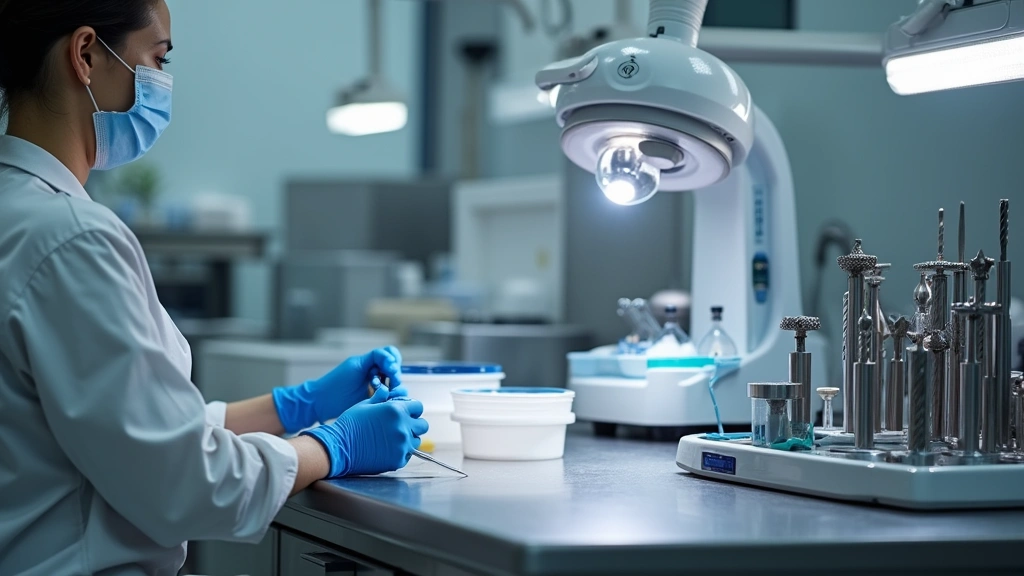
Top Dental Lab Tech Tools: Expert Recommendations for Precision Work
Dental laboratory technicians require specialized equipment and materials to craft high-quality prosthetics, crowns, bridges, and dentures. Among the most critical components of any dental lab setup is cream polish for dental lab tech applications—a finishing compound that delivers exceptional shine and surface smoothness to various dental restorations. Whether you’re running a bustling commercial lab or managing a smaller practice-based operation, selecting the right tools directly impacts your output quality, workflow efficiency, and client satisfaction.
The dental technology sector has evolved dramatically over the past decade, with innovations in materials science, digital design, and precision manufacturing tools reshaping how technicians approach their craft. From polishing compounds to micro-abrasive systems, the modern dental lab tech toolkit combines traditional hand-finishing techniques with cutting-edge powered equipment. This comprehensive guide explores the essential tools every dental laboratory should consider, with particular emphasis on cream polish formulations that dental professionals consistently recommend for superior results.
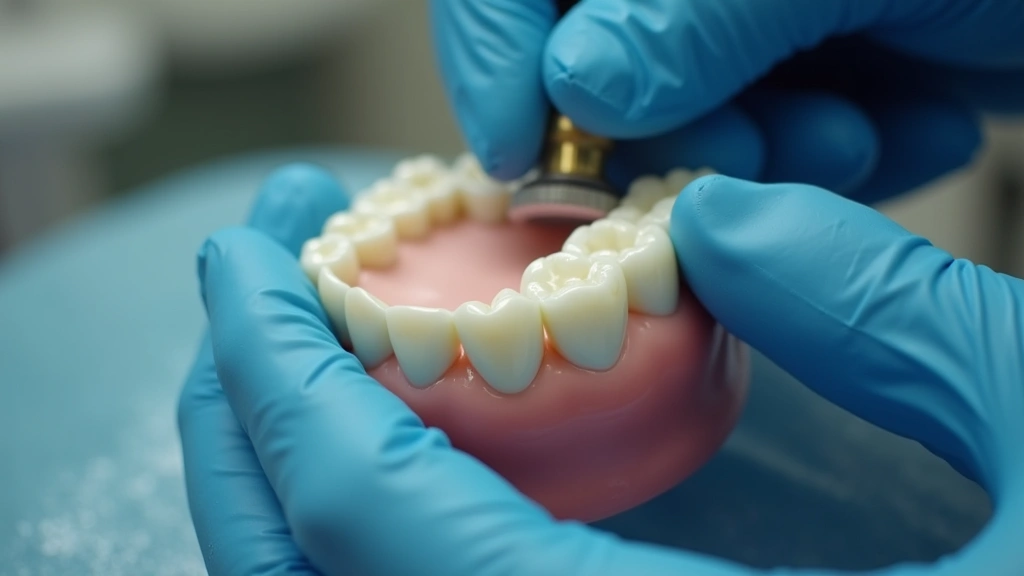
Understanding Cream Polish for Dental Applications
Cream polish for dental lab tech work represents a fundamental finishing material that separates amateur results from professional-grade restorations. These specialized polishing compounds come in various formulations, each designed for specific materials including acrylic resins, composite resins, porcelain, and metal alloys. The best cream polishes contain ultra-fine abrasive particles suspended in a carrier base, allowing technicians to achieve mirror-like finishes without introducing scratches or surface defects.
The science behind effective dental polishing compounds involves precise particle sizing and hardness ratings measured on the Mohs scale. Premium cream polish products typically feature aluminum oxide or cerium oxide particles in the 0.5 to 3-micron range, enabling progressive refinement from coarser initial polishing to ultra-fine finishing stages. When selecting cream polish for dental lab tech applications, consider the material composition of your primary restoration types—porcelain requires different polishing approaches than acrylic or composite materials.
Leading manufacturers like Ivoclar Vivadent and Dentsply Sirona produce industry-standard cream polish formulations that dental labs worldwide rely upon. Their products undergo rigorous testing to ensure consistency, safety, and optimal results across different restoration types. When evaluating cream polish options, verify that products meet ISO 6872 standards for dental ceramics and appropriate standards for resins and metals your lab regularly processes.
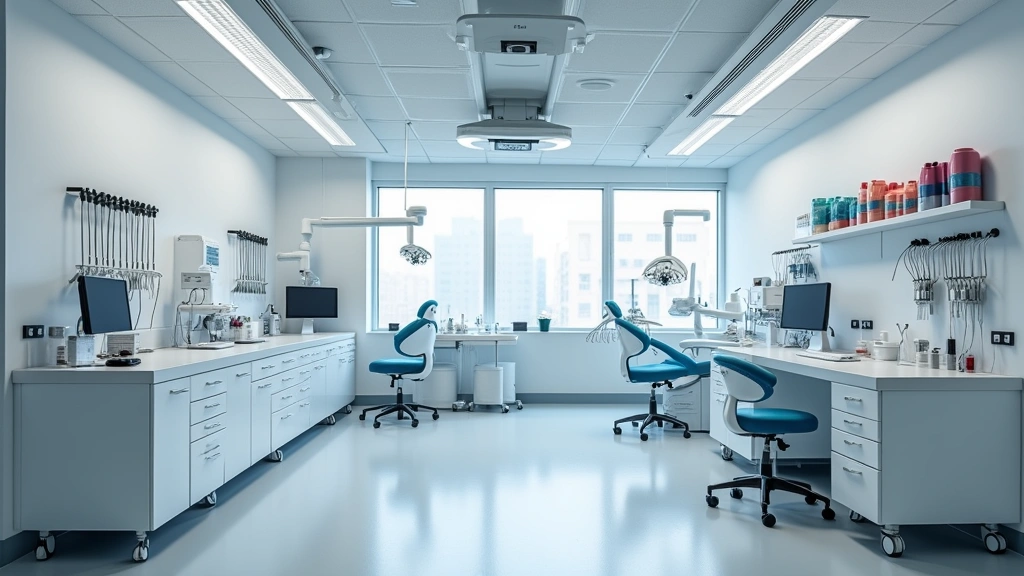
Essential Hand Tools Every Lab Needs
While powered equipment dominates modern dental labs, quality hand tools remain indispensable for detailed work, adjustments, and finishing operations. Hand instruments allow technicians the fine motor control necessary for precise occlusal adjustments, marginal refinement, and intricate polishing in areas inaccessible to rotary equipment.
Burs and Rotary Instruments: A comprehensive collection of dental burs in various shapes—round, tapered, cylindrical, and specialized designs—enables efficient material removal and shaping. Carbide burs offer superior cutting efficiency compared to steel alternatives, while diamond burs excel for ceramic and composite finishing. Investing in quality burs from Brasseler USA or similar manufacturers ensures consistent cutting performance and extended tool life.
Articulating Papers and Marking Supplies: Articulating paper remains essential for identifying occlusal contacts and interference points. Modern articulating systems provide clearer markings than traditional single-color papers, enabling more precise adjustments. Technicians should maintain stocks of 40-micron and 80-micron thickness papers for different application stages.
Hand-Held Finishing Strips and Discs: Flexible finishing strips, sanding discs, and abrasive pads in various grits complement powered equipment for detail work. These tools prove invaluable for interproximal refinement, marginal adaptation, and surface preparation before applying cream polish for dental lab tech finishing.
Measuring and Verification Tools: Digital calipers, thickness gauges, and articulation checkers ensure dimensional accuracy. Precision measurement prevents costly rework and maintains consistency across multiple restorations.
Powered Polishing Equipment and Systems
Modern dental labs increasingly utilize powered polishing systems that dramatically accelerate finishing workflows while maintaining superior surface quality. These machines range from benchtop units to integrated workstations, each offering distinct advantages depending on lab volume and specialization.
Bench-Top Polishing Motors: Traditional dental laboratory lathes with variable speed controls (typically 1,000-20,000 RPM) remain workhorses in professional labs. These motors accommodate various polishing wheels, buffing pads, and compound holders. Look for models with flexible shaft attachments, which enable operators to reach complex anatomical areas while maintaining control.
Micro-Abrasive Polishing Systems: Advanced systems utilizing air-powder abrasion technology deliver exceptional results on ceramic and composite restorations. These devices employ ultra-fine powder particles (typically aluminum oxide or silica) accelerated through precision nozzles, enabling controlled material removal without heat generation or vibration. The Ivoclar polishing systems represent industry-leading options for technicians prioritizing efficiency and consistency.
Automatic Polishing Machines: Fully automated polishing units with programmable cycles reduce labor intensity and improve reproducibility. These machines typically feature multiple polishing stations, allowing sequential application of progressively finer compounds. Integration with laboratory information management systems enables tracking of processing times and material consumption.
When selecting powered equipment, evaluate noise levels (critical for technician health), vibration characteristics, and compatibility with your existing cream polish for dental lab tech products. Ensure equipment features adequate dust collection systems to maintain workplace safety and air quality.
Digital Design and CAD/CAM Technology
Contemporary dental labs increasingly integrate digital workflows with traditional finishing techniques. CAD/CAM systems enable precise milling of crowns, inlays, and complex restorations from ceramic or composite blocks, reducing hand-finishing requirements while improving consistency.
Intraoral Scanners and Desktop Scanners: Digital impression capture eliminates traditional alginate or PVS impression materials, reducing distortion and improving case documentation. Scanners from companies like 3Shape and Medit provide submicron accuracy, enabling technicians to work from highly precise digital models.
Milling Centers and CAD Software: Desktop milling units process pre-milled blocks of ceramic, composite, or metal, producing anatomically optimized restorations. While these systems reduce overall finishing work, technicians still apply cream polish for dental lab tech applications to refine milled surfaces and achieve desired aesthetic properties.
Integration with Traditional Techniques: Smart labs combine digital design precision with expert hand-finishing, leveraging technology to handle routine material removal while preserving artisanal skill for aesthetic refinement. This hybrid approach optimizes both efficiency and quality outcomes.
Quality Control and Measurement Instruments
Maintaining consistent quality requires robust measurement and verification protocols. Professional dental labs implement comprehensive quality control procedures utilizing specialized instruments.
Digital Measuring Systems: Precision optical comparators, coordinate measuring machines (CMM), and digital calipers verify dimensional accuracy within 0.1mm tolerances. Regular calibration ensures measurement reliability and traceability to national standards.
Surface Texture Analysis: Profilometers measure surface roughness, quantifying the effectiveness of polishing procedures. Monitoring surface finish ensures cream polish for dental lab tech applications achieves target Ra values (typically 0.4-0.8 micrometers for aesthetic restorations).
Color Matching Technology: Spectrophotometers and digital color matching systems ensure consistent shade selection and verification. These instruments prove invaluable for multi-unit cases requiring precise color matching across multiple restorations.
Occlusal Analysis Systems: Digital articulation systems and bite force measurement devices verify functional relationships. T-Scan technology and similar systems provide detailed occlusal contact mapping, enabling precise adjustments before final polishing.
Safety Equipment and Lab Infrastructure
Professional dental labs prioritize technician health and safety through appropriate infrastructure, ventilation, and personal protective equipment. Proper setup directly impacts both worker wellbeing and product quality.
Dust Collection and Ventilation: Comprehensive dust collection systems remove airborne particles from polishing, grinding, and milling operations. HEPA filtration and local exhaust ventilation (LEV) at work stations protect technicians from fine particle inhalation. Labs should maintain air changes meeting ANSI/ADA specifications, typically 6-8 complete air exchanges per hour.
Personal Protective Equipment: Safety glasses with side shields, hearing protection (for high-speed equipment), and respiratory protection during polishing operations are non-negotiable. When working with cream polish for dental lab tech applications, ensure adequate ventilation and use appropriate respiratory protection if compound contains volatile organic compounds.
Ergonomic Workstations: Proper bench height, lighting, and seating reduce repetitive strain injuries common in dental laboratory work. Adjustable-height work surfaces accommodate different tasks and operator preferences, improving long-term technician health and productivity.
Chemical Storage and Handling: Dedicated storage areas with proper ventilation, temperature control, and secondary containment prevent chemical hazards. Material Safety Data Sheets (MSDS) for all compounds including cream polish formulations must be readily accessible to all staff.
Explore more about technology innovations across industries and discover cutting-edge tools professionals recommend. For those interested in emerging technology sectors, review 2024 technology trends and innovations.
FAQ
What makes cream polish for dental lab tech work superior to other polishing compounds?
Professional-grade cream polish formulations contain precisely sized abrasive particles optimized for specific restoration materials. Unlike generic polishing compounds, dental-specific creams are formulated to achieve mirror finishes without scratching or discoloring restorations. They also provide superior workability and cleaner residue compared to traditional powder compounds.
How often should dental lab technicians replace their polishing wheels and buffs?
Polishing wheel replacement depends on usage intensity and material type. Most labs replace wheels after 40-60 hours of active polishing or when wheels show visible wear, glazing, or inconsistent polishing results. Maintaining sharp, properly conditioned wheels ensures optimal cream polish for dental lab tech application and reduces processing time.
Can cream polish for dental lab tech applications be used on all restoration materials?
While some universal formulations exist, optimal results require material-specific polish selection. Ceramic restorations benefit from cerium oxide-based polishes, acrylics respond well to fine aluminum oxide compounds, and metal restorations may require specialized formulations. Always verify polish compatibility with specific materials before application.
What safety precautions should technicians follow when using powered polishing equipment?
Essential precautions include wearing safety glasses with side shields, securing long hair and loose clothing, removing jewelry, maintaining focus on work, never reaching toward rotating equipment, and ensuring proper dust collection operation. Hearing protection is mandatory in labs with multiple high-speed devices operating simultaneously.
How can dental labs optimize their finishing workflow for maximum efficiency?
Successful labs implement batch processing of similar restorations, maintain organized tool stations with frequently used instruments immediately accessible, invest in quality equipment requiring less maintenance downtime, and establish standardized polishing protocols. Combining digital design precision with efficient hand-finishing creates optimal workflow balance.
What investment level is appropriate for a startup dental laboratory?
Entry-level labs can operate effectively with $15,000-$30,000 in core equipment: basic polishing motor, essential hand tools, quality cream polish for dental lab tech work, and measurement instruments. As volume increases, labs progressively invest in powered systems, CAD/CAM equipment, and advanced quality control instruments. Prioritize reliability and versatility in initial purchases.


