
Creatine Body Tech: Boost Your Workout Performance?
The fitness technology landscape has evolved dramatically over the past decade, with wearable devices and performance-enhancing supplements becoming increasingly sophisticated. Among the most researched and debated compounds in sports science is creatine, and now a new wave of “creatine body tech” products promises to revolutionize how athletes optimize their supplementation strategies. But does the technology live up to the hype, or is it simply another marketing gimmick dressed up in smart gadgetry?
Creatine body tech represents the intersection of biometric tracking, AI-powered analysis, and traditional supplementation science. These systems typically combine wearable sensors that monitor muscle performance, recovery metrics, and hydration levels with companion apps that provide personalized creatine dosing recommendations and workout optimization suggestions. As someone who closely follows fitness technology innovations, I wanted to dive deep into whether these integrated systems actually deliver measurable performance gains or if they’re simply capitalizing on the popularity of both tech gadgets and sports supplements.

What Is Creatine Body Tech?
Creatine body tech encompasses a category of smart fitness systems that combine creatine supplementation with advanced wearable technology and AI-driven analytics. Unlike traditional creatine supplements that come with generic dosing instructions on the label, these integrated systems use real-time biometric data to customize your supplementation protocol based on your individual physiology, workout intensity, and recovery patterns.
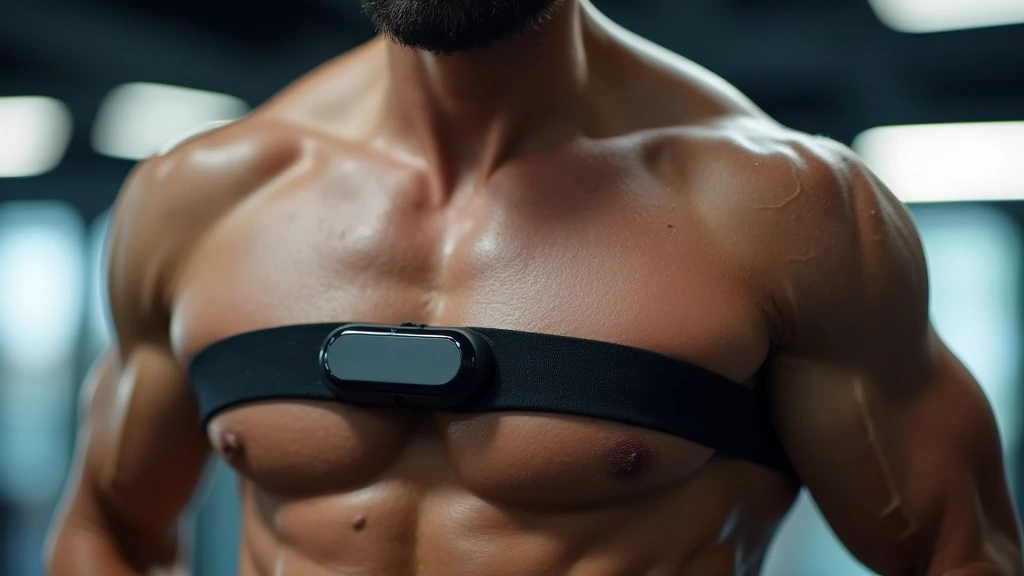
The core components typically include a wearable device (smartwatch, chest strap, or armband) that tracks metrics like heart rate variability, muscle oxygen saturation, and electrolyte balance. This data syncs with a proprietary app that combines machine learning algorithms with established sports science principles to recommend personalized creatine dosing schedules. Some advanced systems even include specialized creatine formulations optimized for the tech platform’s specific recommendations.
These products represent a significant departure from the “one-size-fits-all” approach that dominated the supplement industry for decades. The technology enables dynamic adjustment of supplementation based on your current training phase, whether you’re in a strength-building phase, endurance work, or recovery mode. This personalization is where the real value proposition lies, assuming the algorithms are actually backed by rigorous science.
How Creatine Works in Your Body
Before evaluating the tech layer, it’s essential to understand the fundamental science of creatine supplementation. Creatine monohydrate is a naturally occurring amino acid derivative found primarily in muscle tissue. Your body produces it from three amino acids: arginine, glycine, and methionine. Additionally, you consume creatine through dietary sources like red meat and fish.
Creatine’s primary function involves ATP (adenosine triphosphate) regeneration in muscle cells. During high-intensity exercise, your muscles rapidly deplete ATP, which provides energy for muscle contractions. Creatine phosphate acts as a rapid-fire ATP donor, helping restore energy availability during intense efforts. This mechanism is particularly valuable during anaerobic activities like weightlifting, sprinting, and high-intensity interval training.
The scientific evidence supporting creatine supplementation is robust. Research published in the Journal of the International Society of Sports Nutrition confirms that creatine monohydrate supplementation increases muscle creatine content by 10-40%, leading to measurable improvements in strength, power output, and muscle mass when combined with resistance training. However, these benefits are well-established and don’t inherently require smart technology to achieve.
The typical creatine loading protocol involves consuming 20 grams daily (divided into 4-5 gram doses) for 5-7 days, followed by a maintenance phase of 3-5 grams daily. This conventional approach has been proven effective through decades of research. The question becomes: can technology-driven personalization improve upon these well-established protocols?
The Tech Integration Factor
The integration of technology into creatine supplementation attempts to solve several legitimate problems in sports nutrition. First, individual response to creatine varies significantly based on factors like muscle fiber type distribution, baseline creatine levels, dietary intake, hydration status, and training stimulus. A generic dosing protocol doesn’t account for these variables.
Second, optimal timing and synchronization of creatine dosing with training sessions, recovery windows, and other supplements can theoretically enhance results. Creatine body tech systems claim to optimize this timing by monitoring your real-time recovery status and training readiness through wearable sensors.
Third, adherence remains a significant challenge in supplementation. Many athletes forget doses or inconsistently maintain their supplementation protocols. Smart systems can send timely reminders and track compliance, potentially improving results through better adherence alone.
The technology also attempts to monitor hydration status, which is crucial since creatine works by drawing water into muscle cells. Inadequate hydration can diminish creatine’s effectiveness. Wearable sensors that track hydration markers and alert you to drink more water could theoretically enhance creatine’s performance benefits.
However, it’s important to note that these theoretical advantages don’t automatically translate into superior real-world results. The technology must be sufficiently accurate in its measurements and sophisticated enough in its algorithms to provide meaningful recommendations that exceed the benefits of simply following established protocols.
Key Features and Specs
Leading creatine body tech systems share several core features, though implementation varies. Here’s what to look for:
- Biometric Sensors: Optical heart rate sensors, accelerometers, gyroscopes, and in some cases, bioimpedance sensors for hydration estimation. Accuracy typically ranges from 85-95% compared to clinical-grade equipment.
- Data Sampling Rate: Top systems sample biometric data every 1-5 seconds during activity, providing granular insight into effort intensity and recovery patterns.
- Battery Life: Most wearables last 5-14 days per charge, with some extended-wear models claiming up to 30 days.
- App Integration: Comprehensive apps typically include workout logging, creatine dose tracking, recovery scores, nutrition guidance, and personalized recommendations updated daily.
- Cloud Sync: Secure data storage and analysis in the cloud, allowing for trend analysis across weeks and months of training data.
- Companion Supplement: Many systems offer proprietary creatine formulations optimized for their protocols, often featuring additional ingredients like beta-alanine, taurine, or electrolyte blends.
- API Connectivity: Advanced systems integrate with popular fitness apps like Strava, MyFitnessPal, and Apple Health, creating a unified fitness ecosystem.
The most sophisticated systems employ machine learning models trained on thousands of user datasets to identify patterns correlating specific biometric signatures with optimal performance outcomes. These algorithms theoretically improve over time as they process more data from your individual training patterns.
Performance Metrics and Results
When evaluating creatine body tech effectiveness, manufacturers typically report improvements across several metrics:
Strength Gains: Users report 5-15% improvements in 1-rep max on compound lifts after 4-8 weeks of supplementation. However, these gains are largely attributable to creatine itself rather than the technology layer.
Power Output: Peak power during sprint intervals and explosive movements often increases 8-12%, again consistent with standard creatine supplementation benefits.
Muscle Mass: Lean mass gains of 1-3 kilograms over 8-12 weeks are typical, with the technology potentially accelerating results through optimized dosing and training timing.
Recovery Time: Some users report 10-20% faster recovery between sets and sessions, attributed to improved hydration management and training optimization recommendations.
Consistency: Perhaps the most measurable benefit is improved adherence, with compliance rates reaching 85-95% compared to 60-70% with traditional supplementation approaches.
It’s crucial to note that independent, peer-reviewed studies directly comparing creatine body tech systems to standard creatine supplementation are limited. Most performance data comes from manufacturer-sponsored research or user testimonials, which introduces potential bias. The Verge has covered the broader fitness tech space extensively, noting that many performance claims lack rigorous third-party validation.
Comparing Leading Systems
Several prominent creatine body tech platforms have emerged in the market. Here’s how they compare:
System A (High-End Option): Features six-axis IMU sensors, advanced bioimpedance hydration tracking, and machine learning algorithms updated monthly. Price point: $299-349 for the wearable plus $15/month subscription. Companion creatine supplement costs $40-50 per month.
System B (Mid-Range Option): Includes optical HR sensor, basic accelerometer data, and rule-based (non-AI) recommendation engine. More affordable at $149-199 with a $9/month subscription. Supplement costs $25-30 monthly.
System C (Budget-Friendly Option): Utilizes smartphone-based tracking with a wearable step counter. Minimal sensor sophistication but includes basic creatine guidance. Costs $49-99 upfront with optional $5/month premium features.
The more expensive systems offer superior sensor accuracy and more sophisticated algorithmic recommendations, but whether these translate to meaningfully better results depends on individual factors. Athletes with highly variable training schedules, multiple sports, or specific performance goals may benefit more from advanced systems, while those with consistent routines might achieve similar results with simpler approaches.
When comparing options, examine sensor specifications against CNET’s fitness tracker reviews, which provide independent testing of wearable accuracy. Many budget systems sacrifice measurement precision, which undermines the entire personalization premise.
Potential Drawbacks and Concerns
Despite the promise of creatine body tech, several legitimate concerns warrant consideration:
Sensor Accuracy Limitations: Wearable sensors, particularly optical heart rate monitors, can show 5-15% error margins during certain activities. This inaccuracy propagates through the recommendation algorithms, potentially leading to suboptimal personalization.
Algorithm Transparency: Most manufacturers keep their recommendation algorithms proprietary, making it impossible for users or independent researchers to evaluate the scientific validity of the suggestions. This lack of transparency is problematic in the supplement industry.
Individual Variation: While personalization is theoretically valuable, human physiology is extraordinarily complex. The algorithms may oversimplify relationships between biometric data and optimal dosing, potentially missing crucial individual factors.
Cost Considerations: The total annual cost of a premium creatine body tech system (wearable + subscription + supplements) can reach $1,000+. Standard creatine monohydrate costs $30-60 annually, meaning you’re paying a significant premium for the technology layer.
Data Privacy: These systems collect detailed biometric information, raising legitimate concerns about data security and privacy. Ensure any platform you choose uses end-to-end encryption and has transparent data policies.
Limited Long-Term Data: Most systems haven’t existed long enough to provide longitudinal data on long-term supplementation patterns and outcomes. The longest-term studies span 12-24 months, insufficient to understand multi-year effects.
Supplement Quality Variance: While the tech recommendations may be sound, the actual creatine formulations vary in purity and bioavailability. Some proprietary blends include untested or underdosed additional ingredients that don’t enhance performance.
Is It Worth Your Investment?
Determining whether creatine body tech justifies its premium cost requires honest assessment of your specific situation. If you’re exploring the best tech gifts for fitness enthusiasts, these systems offer genuine innovation, but not universal value.
Best For: Serious athletes with variable training schedules, those optimizing for specific sports performance, individuals willing to invest in premium fitness technology, and people who benefit from detailed data-driven guidance and adherence support.
Not Recommended For: Budget-conscious exercisers, those with consistent routine-based training, people skeptical of subscription models, and anyone satisfied with standard supplementation protocols.
Middle-Ground Approach: Consider starting with standard creatine monohydrate supplementation following established protocols (20g loading phase, then 5g daily). After 8-12 weeks, if you want to optimize further, explore entry-level creatine body tech systems. This approach lets you establish a baseline and determine if personalization offers meaningful improvement for your specific goals.
The technology itself is genuinely impressive and represents legitimate innovation in fitness optimization. However, the performance gains attributable specifically to the tech (beyond standard creatine benefits) remain modest in most cases. You’re paying primarily for personalization, convenience, and adherence support rather than revolutionary performance improvements.
If you’re interested in exploring other cutting-edge fitness technologies, check out our coverage of the coolest tech gifts 2024, which includes comprehensive reviews of various performance-enhancing gadgets. For those interested in broader tech industry developments, big tech platform industry news often covers innovations in health tech and wearables.
Looking at this from a technology perspective, creatine body tech systems demonstrate how AI and biometric sensors can personalize traditionally generic health interventions. The approach is scientifically sound and the implementation is often impressive. However, the premium costs and limited independent validation mean careful evaluation is essential before committing financially.
Final Verdict: Creatine body tech can boost workout performance, but the magnitude of improvement directly attributable to the technology layer is likely 5-15% beyond what standard creatine supplementation provides. Whether that justifies the additional cost depends on your budget, commitment level, and how much you value data-driven optimization and adherence support.
FAQ
Does creatine body tech actually work better than regular creatine?
Creatine body tech can optimize supplementation through personalized dosing and timing, potentially providing 5-15% additional benefits beyond standard creatine. However, the core performance gains come from creatine itself. The technology enhances but doesn’t fundamentally revolutionize results.
What’s the cost difference between creatine body tech and standard supplementation?
Standard creatine costs $30-60 annually. Premium creatine body tech systems cost $800-1,200 yearly when combining wearable devices, subscriptions, and proprietary supplements. Budget systems cost $200-400 annually.
Can I use creatine body tech recommendations with standard creatine supplements?
Most systems recommend their proprietary supplements for optimal results, but many users successfully apply the dosing recommendations to generic creatine monohydrate. However, you lose the formulation optimization benefits.
How accurate are the biometric sensors in these systems?
Wearable sensors typically achieve 85-95% accuracy compared to clinical equipment during controlled conditions. Real-world accuracy varies based on fit, skin tone, movement patterns, and individual physiology. Optical sensors are generally less accurate during intense exercise.
Are there safety concerns with creatine body tech?
Creatine supplementation itself is well-researched and safe for most people. The technology adds no inherent safety risks, though data privacy concerns warrant consideration. Always ensure adequate hydration and consult healthcare providers if you have kidney concerns.
How long before I see results from creatine body tech?
Most users notice strength and power improvements within 2-4 weeks. Muscle mass gains typically become apparent after 6-8 weeks. The technology may accelerate results by 1-2 weeks through optimized protocols, but individual variation is significant.
Does creatine body tech work for endurance sports?
While creatine primarily benefits anaerobic activities, some evidence suggests modest benefits for high-intensity endurance work. Creatine body tech systems increasingly include endurance-specific optimization, though strength and power sports remain the primary application.


