CT Tech Certificate: Is It Right for You? Expert Advice
The CT tech certificate program has become increasingly popular among healthcare professionals seeking specialized credentials and career advancement. Whether you’re contemplating entry into the medical imaging field or looking to enhance your existing qualifications, understanding what a CT technology certification entails is essential. This comprehensive guide examines the nuances of CT tech certification, helping you determine if this career path aligns with your professional goals and lifestyle expectations.
Connecticut and across the United States, computed tomography technologists are in high demand. The Bureau of Labor Statistics projects steady growth in diagnostic imaging roles, making this an opportune time to explore whether CT tech career paths suit your aspirations. From educational requirements to licensing considerations, we’ll break down everything you need to know about pursuing this specialized healthcare credential.

Understanding CT Technology Certification
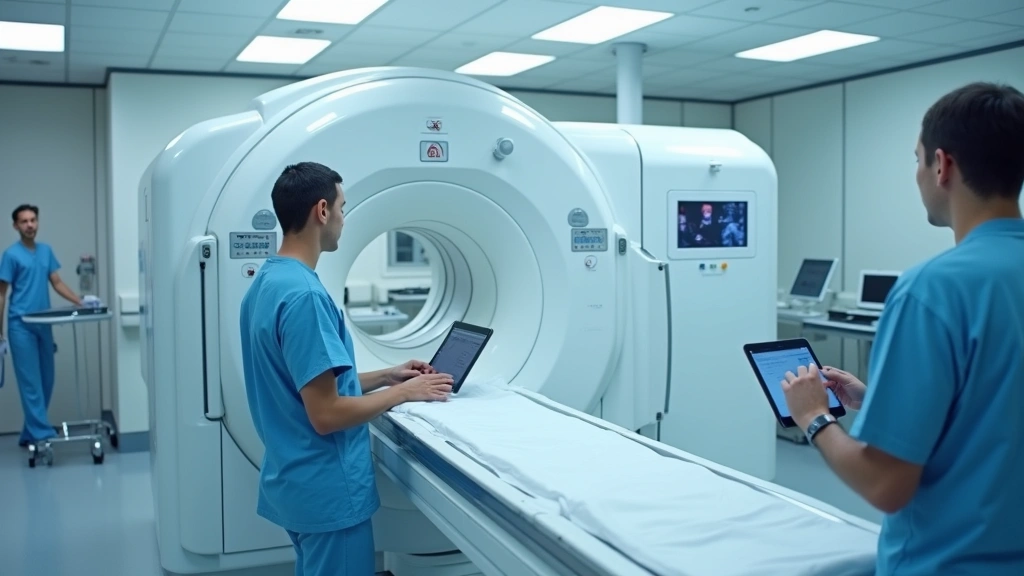
A CT tech certificate represents specialized training in computed tomography imaging, a critical diagnostic tool in modern healthcare. Computed tomography technologists operate sophisticated imaging equipment that creates detailed cross-sectional images of the body, enabling physicians to diagnose conditions ranging from cancers to internal injuries. Unlike general radiography, CT technology requires deeper technical knowledge of radiation physics, patient safety protocols, and advanced imaging software.
The certification demonstrates that you’ve met rigorous educational standards and possess the competency to work independently in clinical settings. Most CT scan tech job opportunities require either certification or the pursuit of certification, making this credential essentially non-negotiable for career progression. The American Registry of Radiologic Technologists (ARRT) maintains the most widely recognized certification standards across the United States.
Understanding the distinction between registration and certification is crucial. Registration refers to the official listing with a credentialing body, while certification indicates you’ve passed standardized exams demonstrating your knowledge and skills. Both components typically factor into employer hiring decisions and career advancement opportunities.

Educational Requirements and Program Structure
CT tech certificate programs typically span 12 to 24 months, depending on whether you’re entering as a radiologic technologist or pursuing CT specialization exclusively. Most programs require prerequisite coursework in anatomy, physiology, and basic physics before admission. Some institutions offer accelerated pathways for registered radiologic technologists (RTs) seeking CT specialization, condensing the curriculum to 6-12 months.
The curriculum encompasses both theoretical and hands-on components. Classroom instruction covers radiation safety, imaging physics, patient care, pathology recognition, and CT-specific protocols. Laboratory work involves operating phantom models before progressing to clinical rotations under experienced technologists. Clinical experience forms the backbone of practical training, typically requiring 1,000+ clinical hours depending on program structure.
Accreditation matters significantly. Programs accredited by the Joint Review Committee on Education in Radiologic Technology (JRCERT) meet established quality standards and are recognized nationally. Prospective students should verify accreditation status before enrolling, as non-accredited programs may limit certification eligibility or employer recognition.
Course content typically includes:
- CT imaging physics and instrumentation
- Patient positioning and anatomy
- Radiation protection and dosimetry
- Image quality assessment and troubleshooting
- Contrast media administration and protocols
- Emergency procedures and patient care
- Medical ethics and professional responsibility
- Specialized imaging techniques (cardiac, perfusion, reconstruction)
Certification Pathways and Licensing
The primary certification pathway involves passing the ARRT CT Technologist exam, a comprehensive assessment covering imaging principles, patient care, safety, and clinical applications. The exam consists of multiple-choice questions testing knowledge across all curriculum domains. Passing scores typically require 75% accuracy, though specific thresholds vary by testing year.
To sit for the ARRT exam, candidates must meet specific eligibility requirements. Most commonly, this means completing an accredited CT technology program and demonstrating clinical competency. Some candidates pursue the radiography pathway first, then specialize in CT technology, which may streamline certain educational components.
Connecticut-specific requirements align with national standards, though state regulations may impose additional licensing requirements. Some states mandate state licensure separate from ARRT certification, requiring separate applications and fees. Understanding your state’s specific regulations prevents delays in employment authorization.
The CT scan tech salary information often reflects certification status, with certified technologists commanding higher compensation than non-certified counterparts. Maintaining certification requires continuing education credits, typically 24 credits every two years, ensuring your knowledge remains current with evolving technology and best practices.
Career Prospects and Job Market
The healthcare imaging sector demonstrates robust employment growth, with CT technologists experiencing consistent demand. According to the U.S. Bureau of Labor Statistics, radiologic and MRI technologists—including CT specialists—are projected to grow faster than average occupations. This growth stems from aging populations requiring more diagnostic imaging, technological advances enabling new applications, and increased emphasis on early disease detection.
Employment settings for CT technologists include:
- Hospitals (largest employer, offering diverse case types)
- Diagnostic imaging centers (specialized high-volume facilities)
- Urgent care clinics (emergency and trauma imaging)
- Specialty practices (oncology, cardiology, neurology)
- Research institutions (advanced imaging protocols)
- Military medical facilities (federal employment opportunities)
Geographic location significantly influences job availability and compensation. Metropolitan areas and regions with aging populations typically offer more positions and competitive salaries. Rural areas often face technologist shortages, sometimes offering recruitment bonuses or loan forgiveness programs to attract qualified professionals.
Salary Expectations and Compensation
CT technologists enjoy competitive compensation packages reflecting their specialized training and critical role in patient care. Entry-level positions typically start at $35,000-$45,000 annually, with experienced technologists earning $55,000-$75,000 or higher depending on location, facility type, and specialization. Metropolitan areas consistently offer higher salaries, with some positions exceeding $80,000 for highly experienced technologists.
Beyond base salary, comprehensive compensation packages often include:
- Health insurance (medical, dental, vision)
- Retirement plans (401k, pension options)
- Continuing education reimbursement
- Shift differentials (evening/night premiums)
- Weekend and holiday bonuses
- Professional development funding
- Tuition assistance for advanced certifications
Specialization opportunities can enhance earning potential. Technologists pursuing additional certifications in cardiac CT imaging, CT angiography, or interventional procedures often command premium salaries. Some facilities offer clinical ladder progression, allowing experienced technologists to advance into supervisory or educational roles with corresponding salary increases.
Skills Required for Success
Technical proficiency forms the foundation of CT technology expertise. You’ll need strong understanding of imaging physics, equipment operation, software applications, and image post-processing. Comfort with technology and continuous learning mindset are essential, as imaging equipment undergoes regular updates and new protocols emerge constantly.
Patient care skills prove equally important. CT technologists interact with diverse patient populations—from pediatric cases requiring special communication approaches to elderly patients needing mobility assistance. Compassion, patience, and clear communication help anxious patients relax during procedures, improving image quality and safety outcomes.
Critical thinking abilities enable you to troubleshoot imaging problems, adjust protocols for specific pathologies, and recognize unusual findings requiring physician notification. You’ll need to make real-time decisions about positioning, contrast timing, and technical parameters to optimize diagnostic quality.
Additional essential skills include:
- Radiation safety awareness and contamination prevention
- Infection control and sterile technique
- Time management under high-volume conditions
- Documentation accuracy and attention to detail
- Teamwork and interdisciplinary communication
- Problem-solving and adaptability
- Physical stamina for standing and patient transfers
- Computer literacy and software proficiency
Program Costs and Financial Considerations
Educational costs vary significantly based on program type and institution. Community college CT programs typically cost $15,000-$30,000 for the full certificate, while university-based programs may range from $25,000-$50,000. Private institutions sometimes exceed these ranges, though they may offer accelerated timelines or specialized curriculum options.
Cost considerations extend beyond tuition. Budget for textbooks ($1,000-$2,000), exam fees ($300-$500), clinical uniform requirements, liability insurance, and transportation to clinical sites. Some programs require clinical rotations at distant facilities, necessitating relocation or commuting expenses.
Financial aid options can offset costs significantly. Federal student loans, grants, and work-study programs are available through FAFSA. Many employers offer tuition reimbursement after employment, making this a viable strategy for cost management. Some healthcare facilities partner with educational institutions to sponsor technologist training in exchange for employment commitments.
Return on investment calculations generally favor CT technology careers. With median earnings exceeding $65,000 and strong job security, most graduates recoup educational costs within 2-3 years. The career longevity and advancement opportunities provide long-term financial benefits beyond initial salary recovery.
Is CT Tech Right for You
Determining whether a CT tech career path suits your goals requires honest self-assessment across multiple dimensions. Consider your comfort level with technology—CT imaging requires continuous engagement with sophisticated equipment and software systems. If you enjoy technical challenges and troubleshooting, this aspect may appeal to you. Conversely, if technology creates anxiety, this career presents ongoing frustration.
Evaluate your interpersonal skills and patience with diverse populations. You’ll encounter confused elderly patients, anxious children, trauma victims, and individuals in pain. Your ability to remain calm, communicate clearly, and provide reassurance directly impacts patient outcomes and workplace satisfaction.
Physical demands deserve consideration. CT technologists spend substantial time standing, positioning patients, and occasionally performing manual transfers. Chronic back problems or mobility limitations may make this career challenging. Shift work, including evenings and weekends, characterizes many CT positions, affecting work-life balance.
Financial motivation matters too. While CT technology offers solid compensation, it’s not a path to extreme wealth. If you’re seeking six-figure incomes or rapid financial accumulation, alternative careers might better align with your objectives. However, if you value stable, middle-class income with benefits and job security, this career delivers.
Consider your long-term career vision. Some technologists remain in clinical roles throughout their careers and find deep satisfaction in direct patient care. Others view CT technology as a stepping stone toward supervisory, educational, or advanced clinical roles. Understanding your trajectory helps determine if the initial certificate suffices or if you’ll pursue additional credentials.
Reflect on your motivation for healthcare work. Genuine interest in patient care and diagnostic medicine sustains careers through challenging shifts and difficult cases. If you’re pursuing this career primarily for income or parental pressure, the demands may eventually lead to burnout.
FAQ
How long does a CT tech certificate typically take to complete?
Most programs require 12-24 months of full-time study. Accelerated programs for existing radiologic technologists may compress the timeline to 6-12 months. Part-time options exist but typically extend to 3+ years.
Do I need to be a radiologic technologist before pursuing CT certification?
No, many programs accept students directly into CT technology without prior radiography certification. However, some facilities prefer or require general radiography certification first. Check specific program requirements before applying.
What’s the difference between ARRT certification and state licensure?
ARRT certification is a national credential demonstrating competency through examination. State licensure is a legal requirement in some states, regulated by state health departments. Requirements vary by state, so verify your specific location’s regulations.
Can I work as a CT technologist without certification?
Most hospitals and imaging centers require ARRT certification or the pursuit of certification with defined timelines. Some smaller facilities or rural areas may hire uncertified technologists, but career advancement and earning potential remain limited without credentials.
What continuing education requirements exist after certification?
ARRT requires 24 continuing education credits every two years to maintain certification. Credits must include ethics and radiation safety. Many employers provide opportunities or funding for continuing education.
Is CT technology a good career for career changers?
Yes, many successful CT technologists enter from diverse backgrounds. The 12-24 month timeline is relatively short compared to many healthcare professions. However, ensure your motivation aligns with actual job demands before committing to the program.
What advancement opportunities exist beyond clinical CT technology?
Experienced technologists can pursue supervisory roles, quality assurance positions, education/training roles, or specializations in cardiac imaging or interventional procedures. Some advance to radiology supervisor or administrator positions.
For comprehensive information about technology news and updates, visit our main blog hub. Learn more about related tech career opportunities across emerging sectors.
External Resources:
- American Registry of Radiologic Technologists (ARRT) – Official certification and credentialing body
- Bureau of Labor Statistics – Radiologic Technologists – Employment outlook and salary data
- JRCERT – Radiologic Technology Program Accreditation – Educational program standards and accreditation information
- CNET Health Technology – Medical imaging technology innovations
- The Verge Healthcare – Healthcare technology trends and developments


