Retro Tech: 1950s Gadgets That Changed the World
The 1950s represent a pivotal era in technological innovation, a decade when post-war optimism fueled unprecedented advances in consumer electronics and industrial machinery. This golden age of invention introduced gadgets that fundamentally transformed how people communicated, entertained themselves, and worked. From the living room to the laboratory, these devices laid the groundwork for our modern digital society, establishing design principles and technological foundations that remain relevant today.
Understanding these pioneering 1950s innovations provides valuable context for appreciating contemporary technology. The engineering principles, materials science breakthroughs, and user-interface concepts developed during this period directly influenced subsequent generations of electronics. Many of the aesthetic choices and functional approaches we see in modern gadgets trace their lineage back to these revolutionary devices that captured the imagination of a generation eager for progress and convenience.
The Television Revolution
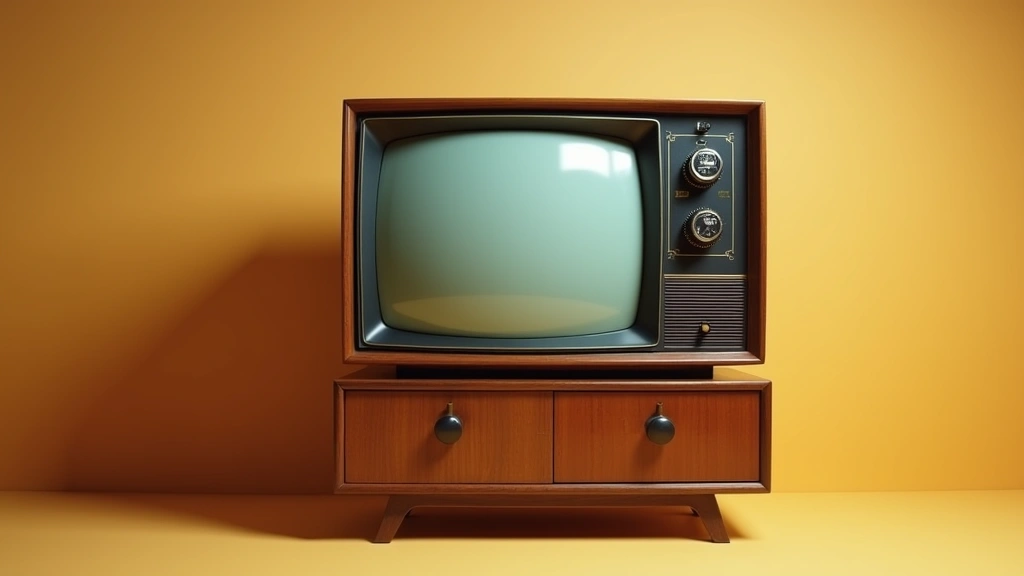
Television emerged as the defining consumer technology of the 1950s, transforming entertainment consumption and family social structures. The decade witnessed the transition from black-and-white to color television, with RCA leading the charge in developing practical color broadcast systems. Early 1950s television sets were substantial furniture pieces, often housed in wooden cabinets that served as status symbols in American households. These devices represented significant investments, with families gathering around them for evening entertainment just as people now congregate around modern digital entertainment platforms.
The engineering challenges of 1950s television were formidable. Engineers had to develop vacuum tube technology capable of handling higher frequencies, create reliable deflection systems for electron beams, and manufacture glass screens that could withstand internal pressure while displaying clear images. CNET’s technology archives document how these early color television systems required complex shadow mask technology to separate red, green, and blue signals. The RCA Victor Model 9-T-246, introduced in 1954, represented a technological milestone, offering 21-inch screens and genuine color capability that mesmerized viewers accustomed to monochrome broadcasts.
Television’s rapid adoption in the 1950s created unprecedented demand for broadcast infrastructure, antenna technology, and transmission systems. This infrastructure development parallels today’s discussions about broadband expansion and digital connectivity. The television’s success also established consumer expectations for on-demand entertainment, foreshadowing streaming technology that would emerge decades later through innovations discussed in our guide to technology transforming our future.
Transistor Technology Breakthrough
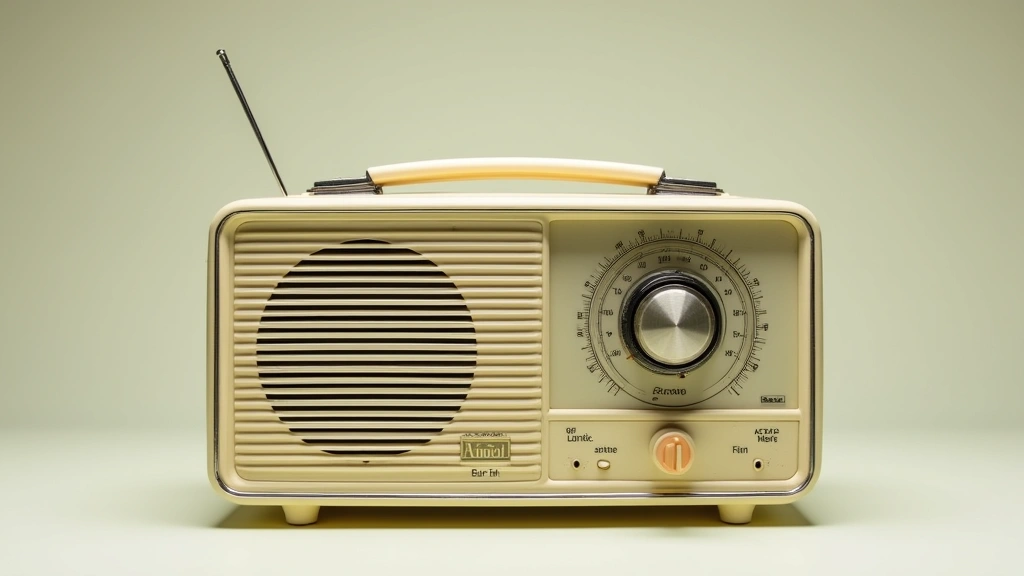
The transistor’s invention at Bell Laboratories in 1947 achieved practical commercialization throughout the 1950s, fundamentally revolutionizing electronics miniaturization. This semiconductor device replaced bulky, power-hungry vacuum tubes, enabling engineers to create portable consumer electronics that were previously impossible. The Regency TR-1, released in 1954, became the first commercially manufactured transistor radio, weighing merely 16 ounces and operating on a single 9-volt battery—an astonishing achievement compared to tube-based radios requiring external power sources.
Transistor technology represented more than mere component replacement; it embodied a paradigm shift in electronics design philosophy. Engineers could now envision compact, reliable devices consuming minimal power while delivering superior performance. The transistor’s development process, documented extensively by The Verge’s technology history coverage, demonstrates how semiconductor physics breakthroughs enabled consumer product innovation. By decade’s end, transistors appeared in hearing aids, portable radios, and early computing equipment, establishing the foundation for all modern semiconductor-based electronics.
The miniaturization enabled by transistor technology created new product categories and consumer expectations. Teenagers could now carry personal radios, enjoying music wherever they ventured. This portability concept directly influenced subsequent product development, from portable cassette players to today’s smartphones. The transistor’s success also drove investment in semiconductor manufacturing, establishing industrial infrastructure that would support the microelectronics revolution of subsequent decades.
Microwave Cooking Innovation
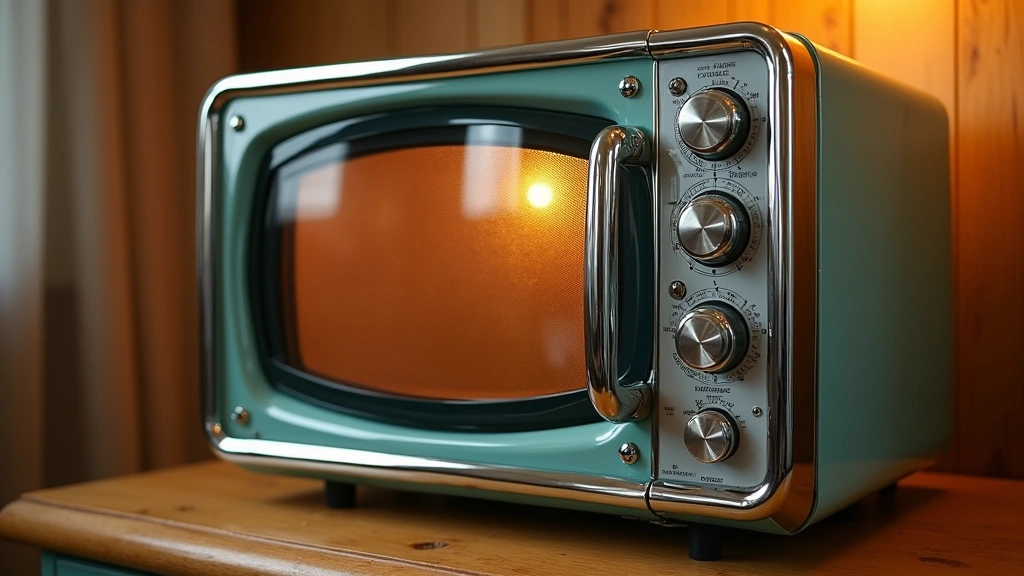
While microwave oven technology originated from radar research during World War II, the 1950s witnessed its transformation into a practical kitchen appliance. Percy Spencer’s serendipitous discovery that microwave radiation could heat food led to the first commercial microwave, the Radarange, introduced by Raytheon in 1947. However, 1950s refinements made these devices increasingly practical for residential kitchens, though they remained expensive and bulky by contemporary standards.
Early microwave ovens represented significant technological achievements in high-frequency electronics and food science. Engineers had to develop magnetron tubes capable of consistent microwave generation, design cavities that distributed energy efficiently, and create safety systems preventing radiation leakage. The Tappan Model RA-1, introduced in 1955, weighed over 750 pounds and cost approximately $4,000 in today’s currency, yet it represented revolutionary cooking technology. Understanding this historical context helps appreciate how modern technology optimization principles evolved from solving similar efficiency challenges.
Microwave cooking changed food preparation fundamentally, reducing cooking times and enabling new culinary possibilities. This innovation drove changes in food packaging, recipe development, and kitchen design. The microwave’s eventual ubiquity in American homes demonstrates how transformative technologies overcome initial skepticism and high costs through continuous refinement and manufacturing scale improvements.
Early Computing Machines
The 1950s marked computing’s transition from room-filling scientific instruments to business-oriented machines with commercial applications. The UNIVAC I, completed in 1951, represented the first general-purpose electronic computer designed for commercial use. IBM’s introduction of the IBM 701 in 1952 and subsequent System/360 architecture established computing standards that influenced business technology for decades. These machines demonstrated that electronic computing could address practical business problems including payroll processing, accounting, and inventory management.
Early computer design presented extraordinary engineering challenges requiring expertise in vacuum tube electronics, magnetic storage systems, and logical circuit design. The UNIVAC I occupied approximately 1,800 square feet, consumed 150 kilowatts of power, and cost nearly $1 million when adjusted for inflation. Despite these limitations, organizations recognized computing’s potential for automating tedious calculations and data processing tasks. This recognition drove substantial corporate investment in computer technology, establishing the computing industry’s foundation.
The programming methodologies developed during the 1950s—including FORTRAN and COBOL programming languages—established software engineering principles still relevant today. These early computer systems demonstrated that artificial intelligence applications and automated data processing required both hardware capabilities and sophisticated software architecture. The conceptual frameworks established by 1950s computer pioneers directly influenced contemporary computing paradigms.
Audio and Music Devices
The 1950s witnessed remarkable advances in audio reproduction technology, from high-fidelity stereo systems to portable music devices. The introduction of stereophonic recording and playback created immersive listening experiences that captivated audiophiles and music enthusiasts. Companies like Philco and RCA developed console stereo systems combining radio, turntable, and amplification in elegant wooden furniture pieces that dominated living rooms.
Magnetic tape technology matured significantly during the 1950s, enabling practical tape recorders for both professional and consumer applications. The Ampex 200A, released in 1948 but refined throughout the 1950s, established tape recording as a viable alternative to vinyl records. This technology enabled sound engineers to record, edit, and reproduce audio with unprecedented fidelity. The portability of reel-to-reel tape recorders made field recording possible, influencing journalism, music production, and scientific research.
The 45 rpm single format, standardized by RCA, became the dominant format for popular music distribution during the 1950s. This technological standardization enabled mass production and distribution of recorded music, creating unprecedented access to musical content. The combination of portable transistor radios, affordable record players, and standardized recording formats democratized music consumption, establishing patterns that influenced all subsequent audio technology development.
Home Appliances Transformation
The 1950s represented a golden age for home appliance innovation, with manufacturers introducing technologies that dramatically reduced household labor. Electric refrigerators evolved from iceboxes to sophisticated cooling systems with freezer compartments and automatic defrosting. Automatic washing machines, electric clothes dryers, and dishwashers transformed housework from labor-intensive tasks to push-button convenience. These appliances embodied post-war optimism about technology’s capacity to improve daily life.
Refrigerator design during the 1950s incorporated significant innovations in compressor efficiency, insulation materials, and temperature control systems. Manufacturers introduced frost-free freezers, automatic ice makers, and improved interior organization through adjustable shelving and specialized compartments. General Electric’s Monitor-Top design became iconic, establishing aesthetic standards for kitchen appliances that influenced design philosophy for decades. The reliability and efficiency improvements in 1950s refrigeration technology established performance baselines that modern computing and business technology still references when discussing efficiency metrics.
Automatic washing machines introduced during the 1950s incorporated mechanical timers, water level sensors, and programmable wash cycles that eliminated manual monitoring. Whirlpool and Maytag competed fiercely to introduce features like automatic spin cycles, multiple temperature settings, and gentle fabric handling. These innovations reflected engineering advances in electric motors, mechanical automation, and materials science that enabled sophisticated appliance design.
Measuring and Testing Instruments
Scientific and industrial applications drove development of sophisticated measuring instruments throughout the 1950s. Oscilloscopes became essential tools for electronics engineers, enabling visualization of electrical signals with unprecedented clarity. Multimeters evolved from simple analog devices to sophisticated instruments capable of measuring voltage, current, and resistance across wide ranges. Radiation detection equipment developed from nuclear research found applications in medical diagnostics, industrial inspection, and scientific research.
The 1950s witnessed rapid advancement in precision measurement technology driven by nuclear energy development, aerospace programs, and telecommunications expansion. Engineers required instruments capable of measuring at higher frequencies, with greater accuracy, and across broader ranges than previously possible. This demand drove innovation in electronics design, manufacturing precision, and calibration methodologies that established standards still referenced in modern test equipment specifications.
Cathode ray tube technology, originally developed for television, found extensive application in oscilloscopes and other scientific instruments. The ability to visualize electrical phenomena graphically revolutionized electronics design, enabling engineers to optimize circuits and troubleshoot complex systems. This visualization principle remains fundamental to modern diagnostic tools, from medical imaging equipment to software development environments.
Impact on Modern Technology
The technological foundations established during the 1950s directly influenced all subsequent electronic innovation. The transistor’s development and commercialization enabled the miniaturization trajectory that led from room-sized computers to pocket-sized smartphones. The design philosophies established by 1950s engineers—emphasizing efficiency, reliability, and user accessibility—remain central to contemporary technology development.
Contemporary consumer electronics design reflects 1950s principles regarding human-machine interaction, aesthetic integration, and functional efficiency. When modern appliance manufacturers design refrigerators with smart temperature management or washing machines with sensor-based cycle optimization, they build upon conceptual frameworks established during the 1950s. The emphasis on automation, convenience, and reliability that characterizes modern consumer electronics originated in this transformative decade.
Understanding 1950s technology innovations provides essential context for appreciating modern developments. The technology evolution documented by industry historians demonstrates how today’s innovations build incrementally upon previous breakthroughs. The smartphone represents the logical endpoint of a technological trajectory initiated by transistor commercialization, portable radio development, and personal computing research conducted during and after the 1950s.
The manufacturing infrastructure, design methodologies, and engineering education systems established to support 1950s technology innovation created the foundation for subsequent technological advancement. Universities developed electrical engineering curricula emphasizing semiconductor physics and electronics design. Manufacturing companies invested in precision production capabilities and quality control systems. These institutional developments enabled the rapid technological progress of subsequent decades.
FAQ
What was the most important 1950s tech invention?
The transistor’s commercialization represents the most consequential 1950s technology innovation. This semiconductor device enabled miniaturization of electronics, reduced power consumption, and improved reliability compared to vacuum tubes. The transistor’s success established the foundation for all modern semiconductor-based electronics, from computers to smartphones.
How much did 1950s gadgets cost?
1950s technology was extraordinarily expensive by contemporary standards. Early color televisions cost $500-$1,000 (approximately $5,000-$10,000 in today’s currency). Microwave ovens exceeded $4,000 adjusted for inflation. These high costs limited adoption to affluent households, though prices declined as manufacturing scaled and competition intensified.
Were 1950s appliances more reliable than modern versions?
1950s appliances generally featured simpler designs with fewer electronic components, reducing failure points. However, modern appliances incorporate sophisticated diagnostics, better materials, and superior engineering that typically result in longer useful lifespans. The comparison depends heavily on specific device types and maintenance practices.
How did 1950s technology compare internationally?
American manufacturers led in consumer electronics innovation during the 1950s, though European and Japanese companies developed competitive products. Britain’s television technology matched American capabilities, while German companies excelled in precision instruments. Japanese manufacturers began establishing competitive advantages in consumer electronics manufacturing efficiency during the decade’s latter years.
What 1950s gadgets are still used today?
Vinyl record players, vacuum tubes in specialized applications, and certain mechanical tools from the 1950s remain functional and actively used by enthusiasts. However, most 1950s consumer electronics have been superseded by modern technology offering superior performance, efficiency, and capabilities. Some vintage equipment is preserved by collectors and museums as historical artifacts.


