The 1960s marked a pivotal era in technological innovation, birthing gadgets that fundamentally shaped our modern digital landscape. From the earliest integrated circuits to pioneering computing machines, 1960s tech established principles still embedded in contemporary devices. But do these vintage instruments retain practical utility in today’s hyperconnected world, or have they become mere nostalgic relics? This comprehensive exploration examines which retro gadgets from that transformative decade remain genuinely useful and why tech enthusiasts continue championing their preservation.
The question of retro gadget relevance extends beyond sentiment. Many vintage technologies embody engineering principles, durability standards, and minimalist design philosophies that modern manufacturers struggle to replicate. Understanding their enduring value requires examining specific categories, from mechanical calculators to early transistor radios, and assessing their contemporary applications in professional, educational, and recreational contexts.
The Engineering Philosophy Behind 1960s Gadgets
The 1960s represented a fundamentally different approach to consumer electronics design. Engineers prioritized durability, repairability, and mechanical simplicity over planned obsolescence. Devices featured modular components, comprehensive documentation, and standardized parts that technicians could replace individually rather than discarding entire units. This contrasts sharply with contemporary sealed, non-repairable electronics that manufacturers design for replacement cycles measured in years.
According to The Verge’s technology analysis, the sustainability implications of vintage gadget longevity have sparked renewed interest among environmentally conscious consumers. A properly maintained 1960s device often functions after sixty years, whereas modern smartphones typically fail within five years. This durability factor alone justifies exploring how technology fundamentally transforms our approach to consumption and waste.
The industrial design of 1960s gadgets reflected aesthetic principles that emphasized form following function. Metal chassis, mechanical switches, and analog interfaces provided tactile feedback absent from modern touchscreens. Users could hear, feel, and see mechanical operations, creating intuitive understanding of device functionality. This transparency in design facilitated both learning and troubleshooting.

Mechanical Calculators: Still Calculating Today
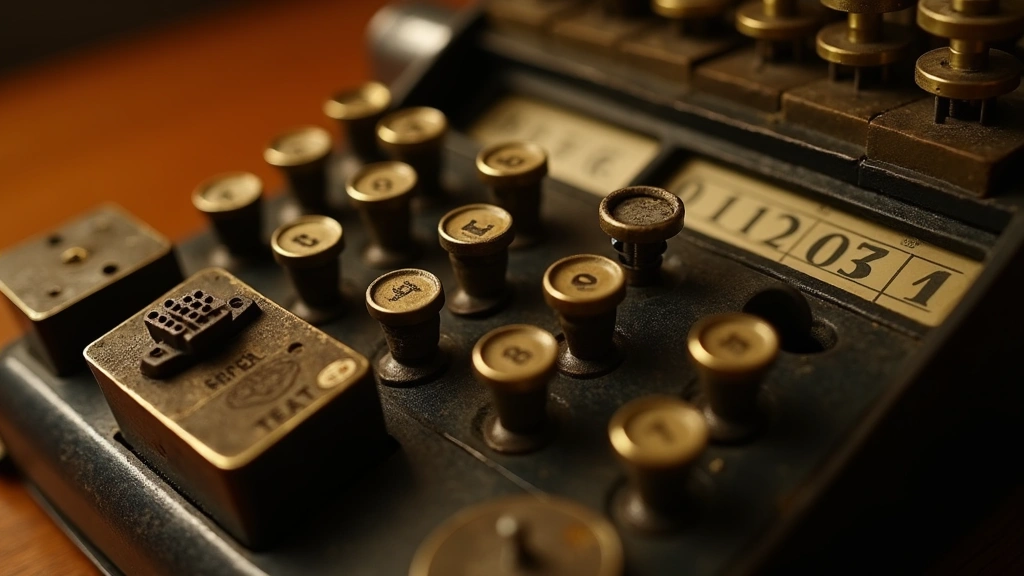
Mechanical calculators from the 1960s remain remarkably practical tools. Brands like Friden, Olivetti, and Marchant produced machines capable of addition, subtraction, multiplication, and division through purely mechanical means. These calculators require no electricity, possess zero obsolescence risk, and deliver instant results visible through mechanical displays.
Professional accountants, engineers, and educators increasingly appreciate mechanical calculators for specific applications. They function as offline calculation tools immune to software crashes, malware, or battery depletion. Standardized accounting practices still recognize mechanical calculator outputs as valid documentation in certain regulatory contexts. When addressing technology reliability issues, many professionals note that mechanical systems provide predictable, verifiable results.
CNET’s technology reviews have documented the resurgence of mechanical calculator interest among minimalist technology advocates. Prices for well-maintained vintage calculators have appreciated significantly, with rare models commanding premium valuations. Educational institutions increasingly incorporate them into STEM curricula to teach mathematical principles and mechanical engineering fundamentals.
The tactile experience of operating mechanical calculators provides pedagogical advantages over digital alternatives. Students manipulate physical components, understanding how mechanical advantage functions through direct observation. This hands-on learning reinforces conceptual understanding in ways digital interfaces cannot replicate.
Transistor Radios and Audio Equipment
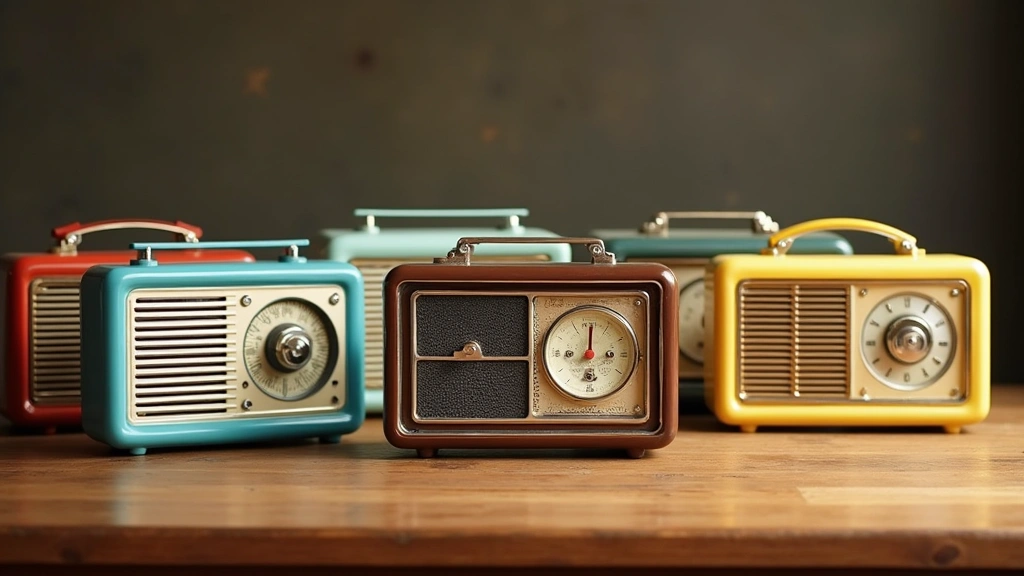
The transistor radio revolutionized portable audio during the 1960s, replacing bulky tube radios with compact, battery-powered devices. Models from Sony, Panasonic, and Zenith remain functional, collecting radio signals through mechanical tuning dials and delivering clear audio through built-in speakers or earpiece connections. Many still operate with original batteries lasting weeks or months.
Contemporary applications extend beyond nostalgic listening. Emergency preparedness specialists recommend vintage transistor radios for disaster scenarios where electrical infrastructure fails. Unlike modern digital radios requiring frequent charging, mechanical 1960s units operate indefinitely on replaceable batteries. Their simple circuitry proves resistant to electromagnetic pulse effects that disable modern electronics.
Audio enthusiasts appreciate 1960s tube amplifiers and speaker systems for their warm, analog sound characteristics. Vinyl record resurgence has revitalized appreciation for period-appropriate playback equipment. Vintage turntables paired with 1960s amplifiers and speakers deliver listening experiences many argue surpass modern digital audio systems. This aesthetic and acoustic preference drives thriving secondary markets for restored 1960s audio components.
The mechanical tuning mechanisms in vintage radios teach frequency selection principles more effectively than digital presets. Radio hobbyists and amateur operators continue using 1960s equipment for shortwave listening, amateur radio transmission, and signal reception activities. The community surrounding vintage radio equipment remains active and supportive, with extensive documentation ensuring continued functionality.
Early Computing Machines and Their Legacy
The earliest computer terminals and data processing machines from the 1960s established computational principles still governing modern systems. IBM’s System/360 series, though now museum pieces, introduced architectural concepts that influenced processor design for decades. Understanding contemporary technology developments through historical context reveals how foundational 1960s computing concepts remain relevant.
Universities maintain working 1960s mainframe computers for educational and historical purposes. These machines demonstrate computational theory, programming fundamentals, and data processing methodology in ways that illuminate modern system architecture. Students programming vintage computers gain appreciation for efficiency constraints that modern unlimited resources obscure.
The punch card systems used with 1960s computers exemplify interface design principles applicable to modern contexts. Information encoding through physical media forced precision and deliberation absent from casual digital data entry. This methodology survives in specific domains where data integrity proves critical.
Restoration and operation of vintage computing equipment constitutes a specialized hobby community. Enthusiasts maintain documentation, source replacement components, and share technical knowledge ensuring these machines remain operational. This preservation effort provides invaluable historical records and functional demonstrations of early computational theory.
Typewriters: The Unexpected Renaissance
Mechanical typewriters from the 1960s have experienced remarkable resurgence among writers, journalists, and creatives seeking distraction-free composition tools. Models from Royal, Olivetti, and Hermes deliver tactile writing experiences, mechanical feedback, and complete absence of digital distractions. The typewriter renaissance reflects broader dissatisfaction with hyperconnected writing environments.
Contemporary studies indicate that writers composing on mechanical typewriters produce different work compared to digital composition. The enforced linearity, absence of revision capability, and mechanical constraint create psychological conditions favoring flow states and creative output. Many professional authors maintain typewriters specifically for draft composition, later transferring text to digital formats for editing and publication.
Educational institutions increasingly incorporate 1960s typewriters into writing programs, recognizing pedagogical benefits of mechanical composition. The deliberate pacing enforced by typewriter mechanics contrasts with digital writing’s instantaneous correction capabilities. Students report improved focus and reduced perfectionism when using typewriters.
Journalists covering conflict zones and developing regions favor mechanical typewriters for their reliability, independence from electrical infrastructure, and resistance to digital surveillance. War correspondents maintain vintage portable typewriters for field reporting, ensuring communication capability regardless of technological availability. This practical utility extends beyond romantic nostalgia.
Analog Clocks and Precision Timekeeping
Mechanical watches and analog clocks from the 1960s continue providing accurate timekeeping through purely mechanical means. Swiss and Japanese manufacturers produced chronometers and timepieces incorporating precision engineering that modern quartz mechanisms often fail to match in longevity. A properly maintained 1960s mechanical watch functions indefinitely with periodic maintenance.
The resurgence of mechanical watch collecting reflects appreciation for engineering excellence and craftsmanship. Vintage timepieces from brands like Omega, Rolex, and Seiko command premium prices, with certain models appreciating significantly over decades. This contrasts with digital watches that become obsolete and worthless.
Analog clocks provide intuitive time visualization that digital displays cannot replicate. The mechanical representation of hours, minutes, and seconds through moving hands creates spatial understanding of temporal progression. Educators increasingly recognize this pedagogical advantage, incorporating analog clocks into elementary curricula despite digital ubiquity.
Survivalists and outdoor enthusiasts prefer mechanical watches for reliability in harsh environments where batteries fail and digital systems malfunction. Military personnel continue using mechanical chronographs for precision timing applications. These practical applications ensure continued demand for 1960s timepieces.
Vintage Photography Equipment
Film cameras and mechanical photography equipment from the 1960s remain professionally viable tools. Leica rangefinders, Nikon F series cameras, and Hasselblad medium format cameras deliver optical quality and mechanical reliability that many photographers argue surpasses modern digital alternatives. The film photography renaissance has revitalized markets for 1960s cameras and associated equipment.
Professional photographers increasingly incorporate vintage film cameras into contemporary workflows. The deliberate pacing enforced by film photography—limited exposures, delayed feedback through development, mechanical operation—encourages thoughtful composition and technical mastery. Digital photographers transitioning to film often report improved technical skills and creative satisfaction.
Optical glass quality in 1960s lenses frequently exceeds modern production standards. Vintage Zeiss, Carl Leitz, and Canon optics command premium prices among photographers seeking specific optical characteristics. These lenses remain fully functional and deliver distinctive aesthetic qualities prized in contemporary photography.
The accessibility of 1960s film cameras democratizes professional photography. Excellent mechanical cameras cost significantly less than modern digital equivalents, enabling photographers to develop technical skills with economical equipment. This affordability factor drives substantial international demand for restored vintage cameras.
Why Collectors Prefer Retro Tech
Collectors appreciate 1960s gadgets for multiple intersecting reasons beyond nostalgia. The engineering quality, design aesthetics, and historical significance create multifaceted appeal. Many collectors view vintage technology acquisition as investment strategy, with certain pieces appreciating substantially. Restored 1960s gadgets frequently command higher prices than contemporary equivalents.
The material culture surrounding 1960s technology reflects distinct historical periods and design movements. Mid-century modernism influenced industrial design, creating gadgets simultaneously functional and aesthetically distinctive. This design heritage appeals to contemporary collectors prioritizing aesthetic considerations in technology consumption.
Sustainability consciousness drives collector interest in durable goods designed for longevity. Acquiring and maintaining 1960s gadgets represents philosophical opposition to planned obsolescence and throwaway consumer culture. This environmental motivation aligns with broader movements toward sustainable technology practices and responsible consumption.
Community aspects of vintage technology collecting provide social connection and knowledge sharing. Enthusiast communities maintain forums, organize meetups, and document restoration procedures. This collective knowledge preservation ensures 1960s gadgets remain functional and celebrated.
Practical Applications in Modern Workflows
Contemporary professionals integrate 1960s gadgets into modern workflows for specific advantages. Writers use mechanical typewriters for distraction-free composition. Photographers employ film cameras for aesthetic and technical benefits. Engineers reference mechanical calculators for reliable calculations. This practical integration extends beyond hobbyist enthusiasm.
Modern technology recommendations often overlook how vintage equipment supplements contemporary tools. Hybrid workflows combining 1960s gadgets with current technology maximize advantages of both eras. This balanced approach provides reliability, aesthetic satisfaction, and functional optimization.
Organizations increasingly recognize value in redundant systems incorporating 1960s technology. Military installations maintain mechanical backup systems independent from digital infrastructure. Financial institutions preserve mechanical calculation systems for offline transaction processing. This redundancy ensures operational continuity during technological failures.
Educational institutions incorporate 1960s technology into curricula despite digital ubiquity. Students learning programming on vintage computers understand computational theory more profoundly. Mechanical engineering students examining 1960s gadgets grasp mechanical principles through direct observation. This pedagogical application ensures continued relevance.
The intersection of retro gadgets and contemporary technology creates opportunities for creative problem-solving. Makers and tinkerers combine 1960s mechanical components with modern digital systems, creating hybrid devices leveraging advantages of both technological eras. This innovative approach generates novel solutions to contemporary challenges.
Understanding how future technology development builds upon historical foundations provides perspective on technological evolution. 1960s gadgets represent crucial waypoints in this progression, embodying principles that continue influencing design and engineering practice.
FAQ
Do 1960s calculators actually outperform digital calculators?
Mechanical calculators perform mathematical operations identically to digital calculators, producing identical results. Their advantage lies in reliability, offline functionality, and absence of obsolescence risk rather than computational superiority. For basic calculations, either technology works equally well.
Can vintage transistor radios receive modern radio broadcasts?
Yes, 1960s transistor radios receive contemporary FM and AM radio broadcasts identically to modern receivers. Radio frequency standards remain unchanged since the 1960s, ensuring compatibility. Sound quality often exceeds modern portable radios.
Are mechanical typewriters practical for professional writing?
Many professional writers maintain mechanical typewriters specifically for composition. The distraction-free environment and tactile feedback create conditions some writers find conducive to productivity. Typewriters function as specialized tools within broader workflows including digital text editing.
How reliable are 1960s mechanical watches?
Well-maintained mechanical watches from the 1960s prove extremely reliable, often functioning for decades with periodic servicing. Mechanical watches actually appreciate in value, unlike digital watches that become obsolete. Accuracy rivals modern quartz movements when properly calibrated.
What makes vintage film cameras preferable to digital alternatives?
Film cameras offer aesthetic qualities, mechanical reliability, and deliberate pacing that photographers value. Vintage lenses frequently deliver superior optical quality. The cost advantage and learning benefits appeal to photographers developing technical skills.
Should I invest in 1960s technology?
Investment potential varies by specific item, condition, and rarity. Certain vintage gadgets appreciate substantially, while others maintain relatively stable value. Collecting should balance investment considerations with genuine appreciation for engineering, design, and functionality.
How do I maintain 1960s gadgets?
Maintenance requirements vary by device type. Generally, mechanical equipment benefits from regular use, proper storage, occasional lubrication, and professional servicing. Extensive online communities provide detailed maintenance documentation for specific models.


