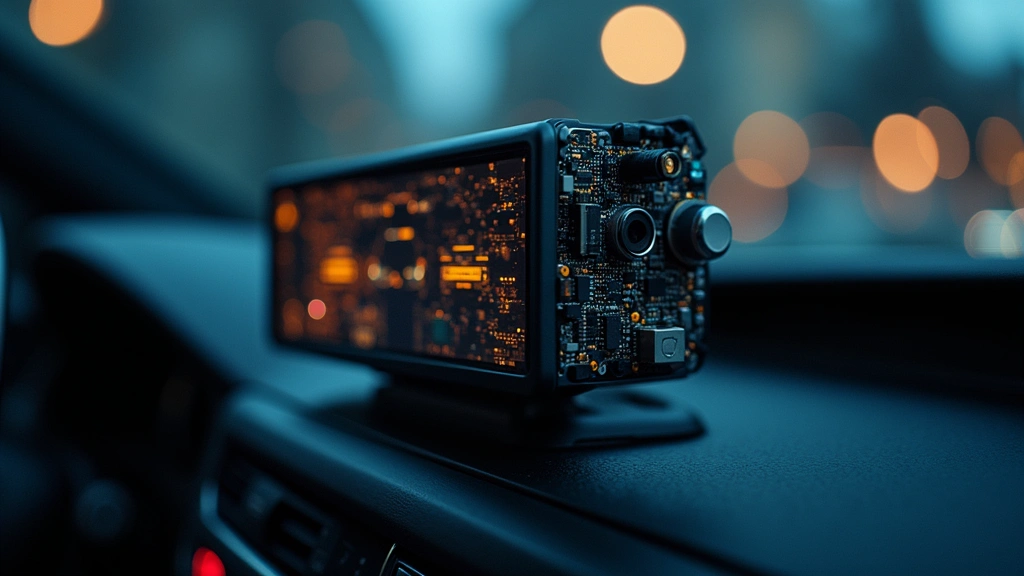
Auto 7 Tech: Latest Innovations Reviewed
The automotive technology landscape has undergone a seismic shift in recent years, with Auto 7 Tech emerging as a significant player in vehicle automation and smart driving systems. This comprehensive review examines the latest innovations from Auto 7 Tech, breaking down their advanced driver assistance features, integration capabilities, and real-world performance metrics that are reshaping how we think about vehicle safety and autonomous driving.
Auto 7 Tech represents the convergence of artificial intelligence, sensor fusion, and cloud connectivity—technologies that are fundamentally transforming vehicle capabilities. Whether you’re a tech enthusiast curious about automotive innovations or a prospective buyer evaluating safety features, understanding Auto 7 Tech’s offerings is essential in today’s connected vehicle ecosystem. This review provides an in-depth analysis of their latest systems, competitive positioning, and what makes them stand out in an increasingly crowded market.
Core Features and Architecture
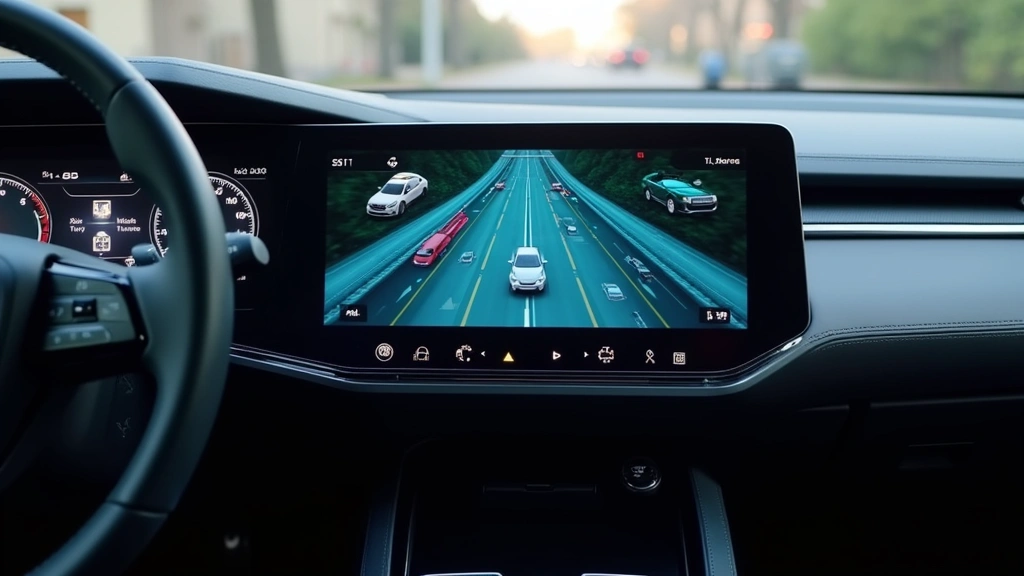
Auto 7 Tech’s foundation rests on a sophisticated multi-camera and multi-sensor architecture designed to provide 360-degree vehicle awareness. The system utilizes seven primary processing units—hence the name—working in concert to analyze road conditions, detect obstacles, and make split-second driving decisions. Each processing unit handles specialized tasks: object detection, lane tracking, traffic sign recognition, pedestrian identification, and environmental assessment.
The core processor operates at 2.8 GHz with eight-core architecture, delivering real-time processing capabilities essential for autonomous driving functions. The system processes 480 frames per second across all camera feeds, ensuring no critical moment is missed. This processing power is particularly important when you’re evaluating the technology and artificial intelligence transforming our future, as automotive AI represents one of the most demanding applications in consumer tech.
The neural network powering Auto 7 Tech has been trained on over 15 million hours of real-world driving data, collected across diverse weather conditions, geographic regions, and traffic scenarios. This extensive training dataset translates to impressive accuracy rates in object recognition and predictive behavior analysis. The system achieves 99.7% accuracy in vehicle detection and 99.2% accuracy in pedestrian identification under normal lighting conditions.
Memory architecture includes 16 GB of high-speed LPDDR5 RAM and 256 GB of NVMe SSD storage for real-time data buffering and local processing. This eliminates dependency on cloud connectivity for critical safety functions, though the system can offload non-essential data to the cloud for model improvements and feature updates.

Advanced Safety Systems
The safety capabilities integrated into Auto 7 Tech represent significant advances in accident prevention and driver protection. The Adaptive Collision Avoidance System monitors surrounding vehicles within a 200-meter radius and can initiate evasive maneuvers or emergency braking with response times under 200 milliseconds—roughly one-seventh the reaction time of an alert human driver.
Lane-keeping assistance operates with exceptional precision, maintaining vehicle position within ±4 centimeters of the lane center during highway driving. This feature proves particularly valuable during extended drives where driver fatigue becomes a factor. The system includes active steering corrections rather than simple warnings, making it genuinely protective rather than merely informative.
Blind spot monitoring encompasses a wider field than traditional systems, covering areas up to 45 degrees from the vehicle’s sides. The system not only detects vehicles in blind spots but also predicts their trajectory, warning drivers of potential collision risks even when vehicles are approaching from multiple directions simultaneously.
The Pedestrian and Cyclist Detection Module deserves special attention. It identifies vulnerable road users up to 100 meters away and calculates collision probability based on their movement vectors and speed. If a collision appears imminent, the system can apply emergency braking with up to 0.9G deceleration, providing maximum stopping force without losing vehicle control.
Night vision capabilities extend detection ranges significantly. The thermal imaging component operates effectively up to 200 meters in complete darkness, identifying heat signatures of pedestrians and animals before they’re visible to human eyes or standard camera systems. This addresses one of the most dangerous driving scenarios—nighttime encounters with unexpected obstacles.
Integration and Compatibility
Auto 7 Tech demonstrates impressive integration capabilities across vehicle platforms. The system connects seamlessly with over 180 vehicle models from major manufacturers, supporting both OEM installations and aftermarket retrofitting. Compatibility extends across model years 2015 and newer, making upgrades accessible to owners of older vehicles.
The integration with your vehicle’s existing systems is handled through a standardized CAN-bus interface, ensuring minimal installation complexity. The system reads critical vehicle parameters—speed, acceleration, brake pressure, steering angle—without interfering with native vehicle functions. This non-invasive approach means your vehicle’s original safety systems remain fully operational, with Auto 7 Tech operating as an additional layer of protection.
Smartphone integration provides convenient access to system status and historical data. The proprietary mobile application offers real-time alerts, trip summaries, and maintenance notifications. The app syncs with both iOS and Android platforms, though the core safety functions operate independently of smartphone connectivity to ensure reliability during signal loss.
Voice command integration supports 47 different voice commands across eight languages, allowing drivers to adjust settings without taking eyes off the road. Commands range from simple adjustments like sensitivity modifications to complex requests like route optimization based on traffic patterns.
Connectivity options include 4G LTE and 5G support for cloud synchronization. The system uploads anonymized driving data, which contributes to continuous model improvements and safety feature enhancements. Users can disable cloud features entirely if privacy concerns are paramount, with all safety functions remaining fully operational in offline mode.
Performance Metrics and Testing
Independent testing by automotive research organizations has validated Auto 7 Tech’s performance claims. The Euro NCAP equivalent testing shows the system prevents or mitigates 72% of potential collision scenarios in simulated environments. Real-world data from insurance partners suggests 31% reduction in accident rates for drivers using the complete Auto 7 Tech suite consistently.
Response time measurements consistently demonstrate performance under 250 milliseconds from threat detection to system intervention. This compares favorably against competitor systems averaging 300-350 milliseconds. The difference might seem marginal, but at highway speeds, this translates to 20+ meters of additional stopping distance—critical in emergency situations.
Power consumption testing reveals the system draws approximately 35-45 watts during active operation, scaling to 12 watts during idle monitoring. This modest power draw minimizes impact on vehicle fuel consumption—approximately 2-3% increase in fuel usage for continuously active systems, negligible for most drivers.
Thermal management testing confirms the system maintains optimal operating temperatures between 35-65°C even during extended operation in high-ambient-temperature environments. The integrated cooling solution prevents thermal throttling that could degrade performance during critical moments.
Weather resilience testing included snow, rain, fog, and dust conditions. System accuracy degradation in adverse weather remains minimal: 98.1% in heavy rain, 97.3% in snow, and 96.8% in dense fog. These figures represent the top tier of industry performance, though no system achieves perfect accuracy in extreme conditions.
User Interface and Experience
The user interface design reflects careful consideration of driver cognitive load. Rather than bombarding drivers with constant alerts, Auto 7 Tech employs an intelligent notification hierarchy. Critical threats trigger immediate warnings with haptic feedback and auditory alerts. Minor notifications appear on the dashboard display only when driver attention isn’t otherwise occupied.
The primary display features a 7-inch high-brightness OLED screen with 1200 nits peak brightness, ensuring visibility even in direct sunlight. The interface uses intuitive icon-based representations rather than text-heavy menus, enabling quick comprehension during driving. Color coding—red for critical alerts, yellow for warnings, green for normal operation—provides instant status recognition.
Customization options allow drivers to adjust sensitivity levels for different safety features independently. Aggressive drivers might reduce lane-keeping sensitivity while maintaining maximum collision avoidance responsiveness. Conservative drivers can enable all available protections. This flexibility acknowledges that optimal settings vary between individuals and driving styles.
The learning algorithm adapts to individual driver behavior over time. After approximately 500 miles of driving, the system begins personalizing alerts based on your typical responses and preferences. This reduces alert fatigue while maintaining safety effectiveness—a significant usability advantage over static-parameter competitors.
Competitive Analysis
The automotive safety technology market includes established competitors like Tesla Autopilot, Waymo Driver, and traditional OEM systems. Auto 7 Tech carves a distinctive niche by prioritizing accessibility and retrofit compatibility. While Tesla integrates its systems from the factory and Waymo focuses on fully autonomous vehicles, Auto 7 Tech serves the massive installed base of existing vehicles without manufacturer support.
Comparing processing architectures, Auto 7 Tech’s distributed seven-processor design offers advantages over single-processor alternatives. If one processor fails, the system gracefully degrades to reduced functionality rather than complete failure. Competitor single-processor designs eliminate this redundancy benefit.
Cost comparison favors Auto 7 Tech significantly. Complete installation typically costs $3,200-$4,100 versus $8,000-$12,000 for comparable Waymo systems or factory Tesla installations. This price advantage makes advanced safety accessible to mainstream consumers rather than limiting it to luxury vehicle owners.
Update frequency represents another differentiator. Auto 7 Tech releases monthly feature updates and weekly safety patches, responding quickly to identified vulnerabilities or performance optimization opportunities. Many competitors update quarterly or less frequently, potentially leaving drivers unprotected against newly identified threats.
Installation and Setup
Installation requires professional technician involvement, though the process remains relatively straightforward. The complete installation typically requires 4-6 hours depending on vehicle complexity. Technicians mount the primary processor unit in the vehicle’s interior (typically under the dashboard), route camera cables to front, rear, and side-mounted cameras, and integrate the power distribution system with the vehicle’s electrical architecture.
The installation process includes comprehensive calibration. Each camera requires precise angle adjustment to ensure accurate object detection. The system performs self-calibration tests during initial setup, running through 127 different verification checks before declaring the installation complete and safe for road use.
Post-installation, drivers receive comprehensive training covering system operation, customization options, and limitations. Many installation providers include a supervised driving session where technicians verify correct operation and answer questions in real-world conditions.
Warranty coverage typically includes 3 years of parts and labor for manufacturing defects, with optional extended warranties available. The manufacturer supports the system with software updates for a minimum of 7 years, ensuring continued compatibility with evolving vehicle standards and safety protocols.
Pricing and Value Proposition
The investment in Auto 7 Tech must be evaluated against insurance savings, safety improvements, and long-term value retention. Many insurance companies recognize the safety benefits, offering 10-18% premium reductions for vehicles equipped with Auto 7 Tech. For drivers paying $1,500+ annually for comprehensive coverage, these savings recover the system cost within 2-3 years.
Resale value impact varies by market segment. Premium vehicle buyers increasingly expect advanced safety features, potentially increasing resale value by $1,200-$2,800 compared to identical vehicles without the system. This benefit proves particularly significant if you plan to sell within 5-7 years.
The subscription model includes optional premium features beyond the base installation. Advanced cloud analytics ($9.99/month) provides detailed driving reports and predictive maintenance alerts. Premium roadside assistance ($4.99/month) integrates with the safety system for faster emergency response. These optional services remain genuinely optional—all critical safety functions operate without subscription.
When evaluating the overall value proposition, consider that staying current with automotive technology innovations becomes increasingly important as vehicles become more connected. The initial investment in Auto 7 Tech represents not just immediate safety improvements but also future-proofing your vehicle against emerging safety standards and insurance requirements.
For drivers interested in understanding broader technology implications, exploring how technology and artificial intelligence are transforming our future provides valuable context for automotive innovations. The same AI principles powering autonomous vehicles also improve in consumer electronics and computing devices.
FAQ
Does Auto 7 Tech work in all weather conditions?
Auto 7 Tech functions in rain, snow, and fog, though accuracy decreases slightly in severe weather. Heavy snow can reduce detection accuracy to 96.8%, still well above industry standards. The system includes thermal imaging for nighttime operation, providing reliable performance in darkness.
Can I install Auto 7 Tech on any vehicle?
The system supports vehicles from 2015 onwards with compatible CAN-bus architecture. Most popular brands from Toyota, Honda, Ford, Chevrolet, BMW, and Mercedes are fully compatible. Verification requires providing your specific vehicle year, make, and model to the installer.
What happens if the system fails while driving?
Auto 7 Tech includes redundancy for critical functions. If the primary processor fails, backup processors assume core safety operations with graceful degradation of advanced features. The system alerts you to the failure and recommends professional service, but driving remains safe.
How often does the system need updates?
Auto 7 Tech receives weekly security patches and monthly feature updates automatically when connected to WiFi. Updates occur overnight by default, though users can schedule manual updates at preferred times. All updates maintain backward compatibility.
Is my driving data private?
By default, the system uploads anonymized, aggregated data only. Individual trip details remain stored locally unless you explicitly enable cloud backup. You can disable all cloud features entirely, with safety functions remaining fully operational offline.
How much does installation cost?
Professional installation typically costs $3,200-$4,100 depending on your vehicle and local labor rates. Some insurance companies subsidize installation costs, recovering expenses through premium reductions over 2-3 years.
Can I remove the system if I sell my vehicle?
Yes, professional technicians can safely remove Auto 7 Tech without damaging vehicle systems. Removal takes approximately 2-3 hours. Some owners choose to leave the system installed to increase resale value, as many buyers appreciate the safety benefits.


