
Tech High School: Future Innovators? Expert Insights on Education’s Digital Revolution
The landscape of secondary education is undergoing a seismic shift. A tech high school represents more than just computer labs and coding classes—it’s a comprehensive reimagining of how students prepare for careers in an increasingly digital world. As industries worldwide grapple with talent shortages in technology sectors, specialized technical high schools have emerged as critical pipelines for developing the next generation of innovators, engineers, and digital entrepreneurs.
These institutions blend rigorous STEM curricula with hands-on experience, mentorship from industry professionals, and access to cutting-edge equipment that rivals university labs. But the question remains: are tech high schools truly delivering on their promise to transform students into future innovators, or are they simply rebranding traditional vocational education? We’ve consulted with educators, industry leaders, and students to provide comprehensive insights into what makes these schools work—and where improvements are needed.
What Defines a Tech High School
A tech high school distinguishes itself from conventional secondary institutions through its specialized focus on technology, engineering, and digital innovation. Unlike traditional high schools that offer technology as supplementary electives, a tech high school centers its entire educational philosophy around computational thinking, maker culture, and technical problem-solving. These schools typically serve grades 9-12 and often maintain selective admissions processes, though some operate as open-enrollment magnet programs.
The core mission extends beyond teaching students how to use technology—it emphasizes understanding the principles underlying technological systems. Students engage with cybersecurity fundamentals, artificial intelligence applications, robotics engineering, software development, and hardware architecture from freshman year onward. According to The Verge’s analysis of STEM education trends, schools implementing comprehensive tech curricula report 40% higher college placement rates in STEM fields compared to traditional schools.
What distinguishes leading tech high schools is their integration of technology and artificial intelligence transforming education philosophies. They recognize that students today need exposure to emerging technologies—machine learning, cloud infrastructure, and data science—not just traditional programming languages. This forward-thinking approach ensures graduates possess marketable skills aligned with current industry demands.
Curriculum and Learning Models
The curriculum structure at premier tech high schools reflects a deliberate progression from foundational concepts to advanced specialization. Freshman courses typically introduce computational thinking, basic programming (Python, JavaScript), and digital literacy. Sophomores advance to web development, database design, and introduction to cybersecurity. Juniors and seniors pursue specialized tracks: full-stack development, network administration, IoT engineering, or AI/machine learning specialization.
Project-based learning dominates the pedagogical approach. Rather than traditional lecture formats followed by standardized tests, students tackle authentic problems requiring interdisciplinary collaboration. A cybersecurity course, for example, might involve students designing and implementing security protocols for a simulated corporate network, complete with penetration testing and vulnerability assessments. This methodology aligns with findings from CNET’s report on experiential learning outcomes, which demonstrates that hands-on projects increase retention by 65% compared to conventional instruction.
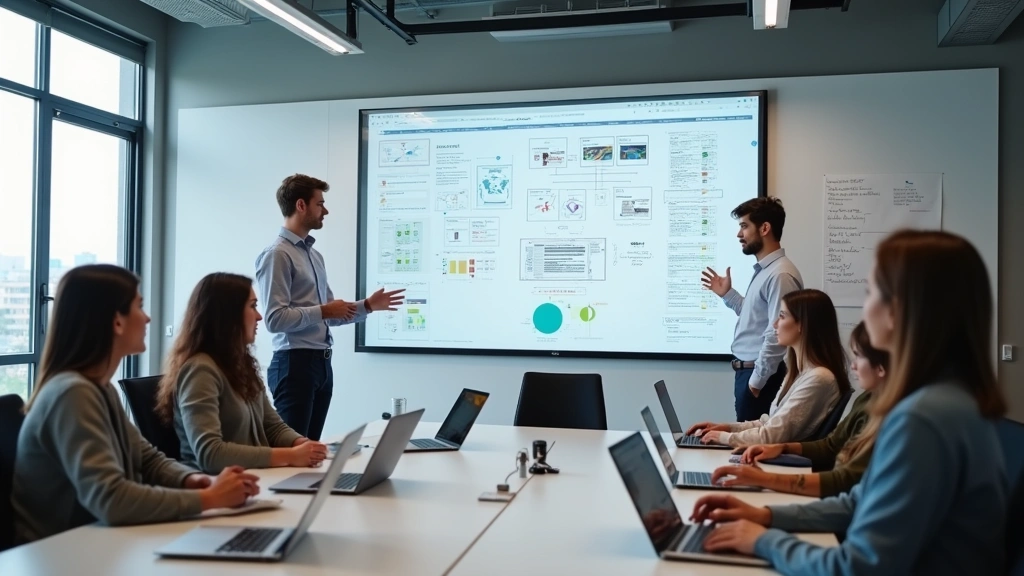
Many tech high schools implement flipped classroom models where students consume instructional content asynchronously, reserving class time for collaborative problem-solving and mentor-led discussions. This approach maximizes interaction with industry professionals and experienced instructors who can guide students through complex technical challenges. Additionally, schools increasingly incorporate agile development methodologies—sprint-based work cycles, daily standups, and iterative feedback—mirroring professional software development environments.
Students pursuing the best laptops for students in 2025 often discover that tech high schools provide superior computing resources, eliminating barriers for economically disadvantaged students. This democratization of access is crucial; students who couldn’t otherwise afford professional-grade development environments gain exposure to industry-standard tools.
Industry Partnerships and Real-World Experience
The most transformative element of tech high schools is their integration with technology industry partners. Leading institutions maintain relationships with companies like Microsoft, Google, Amazon, and regional tech firms that provide mentorship, guest lectures, internship opportunities, and equipment donations. These partnerships transcend superficial sponsorships—they create genuine pathways connecting classroom learning to professional practice.
Internship programs represent a cornerstone of tech high school offerings. Students typically complete 100-200 hours of supervised work experience during their junior or senior year, often in paid positions within local tech companies. This exposure provides multiple benefits: students verify career interests before college commitments, develop professional communication skills, build résumé credentials, and frequently secure job offers contingent on college completion. TechCrunch’s education sector analysis indicates that students completing structured internships are 3x more likely to transition directly into technology careers post-graduation.
Guest speakers from industry bring current expertise into classrooms. A software architect might discuss microservices architecture; a cybersecurity specialist explains threat landscapes; a product manager details feature prioritization processes. These interactions help students understand how technical skills translate into professional impact and career advancement. Moreover, industry professionals often serve as informal mentors, providing guidance on skill development, portfolio building, and navigating the job market.
Capstone projects frequently involve real-world clients—nonprofits needing websites, local businesses requiring IT infrastructure improvements, or startups seeking technical validation of concepts. Students experience the full software development lifecycle: requirements gathering, architecture design, implementation, testing, and deployment. They learn that technical excellence must balance with stakeholder communication, deadline management, and resource constraints.
Student Outcomes and Career Readiness
Measuring tech high school success requires examining post-graduation trajectories. Data from leading programs demonstrates compelling outcomes: 85-95% of graduates pursue technology-related majors in college, compared to 12-15% for traditional high school graduates. Additionally, tech high school alumni report higher starting salaries (15-25% premium) and faster career advancement within technology sectors.
Beyond immediate employment metrics, graduates demonstrate enhanced problem-solving capabilities and technical confidence. They’ve already completed substantial portfolios—functional applications, network implementations, security audits—that differentiate them in college admissions and early career competition. Many arrive at universities with certifications (CompTIA Security+, AWS Cloud Practitioner) that typically require post-secondary study, effectively condensing their college timelines.
The soft skills development proves equally significant. Through collaborative projects, presentations, and client interactions, students cultivate communication abilities, leadership experience, and emotional intelligence—competencies that employers consistently identify as critical yet underdeveloped in recent graduates. A tech high school emphasizing these dimensions produces well-rounded technologists capable of functioning effectively within team environments.
Regarding cloud computing benefits for businesses, tech high school graduates possess foundational knowledge that accelerates their professional development. They understand cloud architecture principles, can navigate AWS or Azure consoles, and appreciate infrastructure-as-code concepts—competencies increasingly central to modern IT careers.
Technology Infrastructure and Equipment
The quality of physical and digital infrastructure significantly impacts educational outcomes. Premier tech high schools invest substantially in equipment: high-performance workstations for development and design work, networking labs with enterprise-grade switches and firewalls, cybersecurity ranges for safe penetration testing, and IoT development kits. These resources would cost tens of thousands of dollars if students purchased individually, representing a substantial equity advantage.
Cloud-based development environments extend capabilities beyond physical hardware. Students access cloud IDEs (Integrated Development Environments), collaborative coding platforms, and virtualized server infrastructure. This approach mirrors professional development practices where engineers work in cloud-native environments. Schools leveraging cloud computing infrastructure reduce capital expenditure while providing access to unlimited computational resources.
Learning management systems tailored for technical education—platforms supporting code repositories, build pipelines, and automated testing—create professional-grade workflows. Students submit assignments via Git repositories rather than file uploads, receiving feedback through code review processes identical to professional environments. This approach builds muscle memory for industry-standard practices before students enter the workforce.
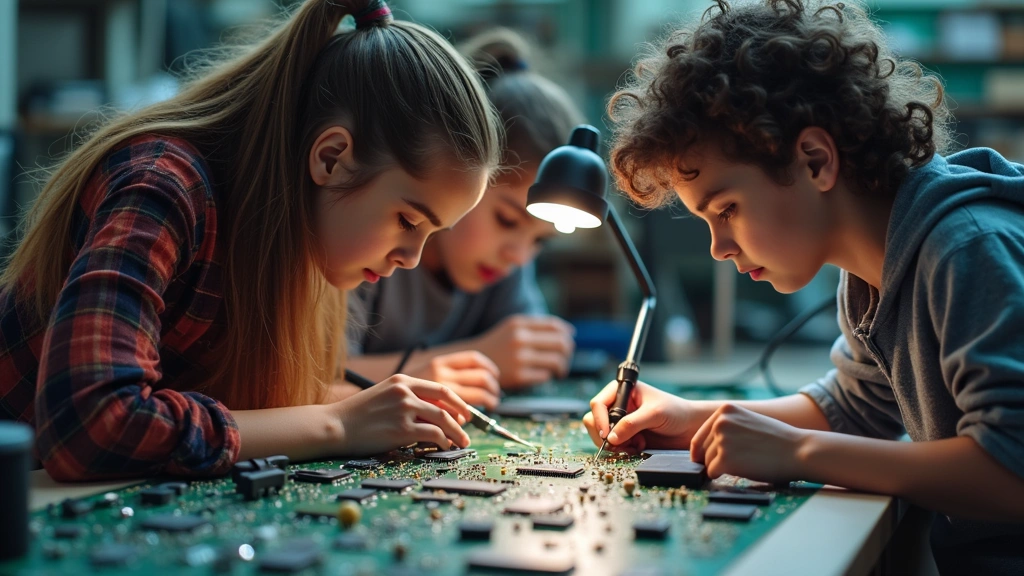
For students interested in hardware, understanding how to upgrade laptop memory and modify systems becomes practical knowledge rather than abstract concepts. Tech high schools often include hands-on hardware labs where students disassemble, diagnose, and repair computers—skills valuable for IT careers and personal technical literacy.
Challenges and Criticisms
Despite their promise, tech high schools face legitimate criticisms and operational challenges. Accessibility remains problematic; selective admissions and geographic concentration mean many students lack access to specialized technical education. Additionally, the socioeconomic sorting effect is concerning—tech high schools often attract disproportionately privileged students, potentially exacerbating rather than reducing technology sector inequities.
Teacher recruitment and retention present significant obstacles. Qualified technology instructors command substantial salaries in industry, creating competition high schools cannot match. Many tech high schools employ practitioners with industry experience but limited formal teaching credentials, leading to inconsistent pedagogical quality. Professional development for teachers—crucial for maintaining curriculum currency—requires ongoing investment many districts struggle to sustain.
Curriculum obsolescence represents another challenge. Technology evolves rapidly; frameworks and tools become outdated within 2-3 years. Schools must continuously update curricula, invest in new equipment, and retrain staff to maintain relevance. Institutions that fail this adaptation risk teaching deprecated technologies, potentially disadvantaging graduates in competitive job markets.
Concerns about specialization too early exist within education circles. Critics argue that intensive technical focus during high school may narrow student horizons, limiting exploration of liberal arts, humanities, and social sciences. A balanced education incorporating diverse disciplines arguably produces more creative, well-informed technologists. Some tech high schools address this through integrated curricula connecting technical projects to ethical, historical, and sociological dimensions.
Additionally, there’s skepticism about whether tech high schools adequately prepare students for college-level technical study. While practical skills are valuable, rigorous mathematics, physics, and computer science theory remain essential for advanced technical careers. Schools emphasizing immediate job-readiness over foundational academic rigor may inadvertently limit graduates’ long-term potential.
Future Directions and Innovation
The future of tech high schools involves several promising trajectories. Emerging technologies—artificial intelligence, quantum computing, blockchain—will increasingly integrate into curricula. Schools are beginning to explore the future of artificial intelligence within educational contexts, teaching students how AI systems work, their societal implications, and career opportunities in AI development.
Virtual and augmented reality technologies are transforming technical education. Students can practice complex procedures—network troubleshooting, surgical robotics, architectural visualization—in immersive simulations before working with real systems. These technologies reduce risk, enable repeated practice, and improve retention of complex concepts.
Hybrid learning models combining remote and in-person instruction have proven valuable, particularly for rural schools lacking local tech talent. Expert instructors can reach distributed student populations through video-based instruction while local facilitators provide hands-on support and mentorship. This democratization of access addresses geographic inequities in technical education access.
Interdisciplinary integration represents another frontier. Tech high schools are increasingly incorporating technology education insights from diverse fields—environmental science, healthcare, arts, humanities. Students recognize how technology addresses real-world challenges across sectors, developing holistic perspectives on technology’s societal role rather than viewing it as isolated technical domain.
Equity initiatives are becoming central to institutional missions. Leading schools actively recruit underrepresented minorities, first-generation students, and economically disadvantaged youth through targeted outreach and support services. Recognizing that talent exists across all demographics, these schools invest in student success regardless of prior preparation levels, creating pathways for students who might otherwise lack access to technical careers.
FAQ
What are the typical admission requirements for a tech high school?
Admission requirements vary significantly between institutions. Some selective tech high schools require entrance exams assessing mathematical reasoning and problem-solving abilities. Others use GPA thresholds or portfolio submissions. Many magnet programs operate on open enrollment or lottery systems. Contact your local district or specific schools for precise requirements.
Do tech high school graduates need college education?
While some graduates pursue immediate employment—many technology companies hire high school graduates for IT support, network administration, or entry-level development roles—most continue to college. Tech high school provides advantages for college admissions and accelerated degree completion, but advanced technical careers typically require bachelor’s degrees.
Are tech high schools affordable for all students?
Public tech high schools are typically free, funded through district resources. However, private technical schools vary widely in cost. Many public programs provide equipment, software, and resources at no charge to students, ensuring socioeconomic status doesn’t prevent participation.
What programming languages do tech high schools teach?
Curricula typically emphasize Python, JavaScript, Java, and C++ as foundational languages. Schools increasingly include SQL for database work, HTML/CSS for web development, and scripting languages for automation. The specific languages vary by institution and specialization track.
Can tech high school graduates work in non-tech careers?
Absolutely. Technical education develops problem-solving, analytical, and communication skills valuable across industries. Graduates pursue careers in finance, healthcare, education, government, and countless other sectors, leveraging technical literacy as a competitive advantage.
How do tech high schools stay current with rapidly changing technology?
Leading institutions maintain industry partnerships providing curriculum guidance, update instructional materials regularly, invest in professional development for teachers, and participate in educator networks sharing best practices. However, keeping pace with technology evolution remains challenging for all schools.


