
Afro Tech 2024: Innovation Insights & Trends Shaping the Future
The African technology landscape in 2024 is experiencing unprecedented momentum, with entrepreneurs, innovators, and tech companies driving transformative solutions across the continent. From fintech disruption to artificial intelligence applications, Afro Tech represents a dynamic ecosystem where African talent is solving global problems with distinctly local insights. This year marks a pivotal moment where African tech startups are not just participating in the global economy—they’re leading innovation in emerging markets and establishing themselves as serious contenders on the world stage.
What makes Afro Tech 2024 particularly significant is the convergence of increased venture capital investment, improved digital infrastructure, and a growing pool of skilled developers and entrepreneurs. The movement transcends simple technology adoption; it’s about creating sustainable, scalable solutions that address real challenges faced by African communities while capturing the attention of international investors and tech giants.

Fintech Revolution: Banking the Unbanked
The fintech sector remains the crown jewel of Afro Tech 2024, with companies like Flutterwave, Paystack, and Chipper Cash revolutionizing how Africans access financial services. According to The Verge’s technology coverage, the continent is home to more fintech unicorns than ever before, with payment processing solutions addressing the critical infrastructure gaps that traditional banking has ignored for decades.
What’s particularly noteworthy is how these fintech platforms are leveraging mobile technology to reach populations in rural areas where bank branches simply don’t exist. The mobile money revolution has created a parallel financial system that’s faster, cheaper, and more accessible than traditional banking infrastructure. Companies are now focusing on beyond payments services—offering insurance, savings accounts, credit facilities, and investment opportunities through smartphone applications.
The integration of artificial intelligence applications transforming finance has enabled these platforms to assess creditworthiness using alternative data sources, allowing millions of Africans to access credit for the first time. This democratization of financial services is creating ripple effects across the entire economy, enabling small business growth and individual entrepreneurship.
Investment data shows that African fintech companies raised over $2 billion in 2023, and 2024 continues this trajectory with strategic partnerships from global financial institutions. These companies aren’t just disrupting African markets—they’re becoming acquisition targets for major tech and finance companies worldwide.
Artificial Intelligence and Machine Learning Innovations
Artificial intelligence is no longer a distant dream for African tech companies—it’s the present reality driving innovation across multiple sectors. From healthcare diagnostics to agricultural optimization, AI applications are transforming African industries with solutions specifically designed for local contexts and challenges.
Companies like InstaDeep, acquired by Alphabet for over $600 million, exemplify how African AI talent can solve problems at scale. The company’s work in protein structure prediction and optimization algorithms demonstrates that cutting-edge AI research isn’t exclusive to Silicon Valley anymore. African researchers and entrepreneurs are publishing in top-tier journals and competing in international AI competitions.
Healthcare AI is particularly promising, with startups developing diagnostic tools for diseases prevalent in Africa. Machine learning models trained on diverse datasets are creating more accurate predictions for conditions like malaria, tuberculosis, and cancer. These solutions are being deployed in clinics and hospitals where medical professionals can benefit from AI assistance without requiring expensive imaging infrastructure.
Natural language processing innovations are breaking language barriers, with several companies developing AI tools that work in African languages—Swahili, Yoruba, Amharic, and others. This localization of AI technology is crucial for making these tools accessible to the broader African population beyond English speakers.
Mobile-First Technology Solutions
Africa’s mobile-first approach to technology isn’t a limitation—it’s a strategic advantage that’s driving innovation in 2024. With over 500 million mobile phone users across the continent, companies are designing applications and services optimized for smartphones as the primary computing device rather than an afterthought.
This mobile-first philosophy has led to innovations in low-bandwidth applications that work efficiently on 2G and 3G networks, making technology accessible even in areas with limited internet infrastructure. Progressive web apps, offline-first architectures, and data compression techniques developed by African tech companies are now being adopted globally.
The success of companies like Flutterwave and Jumia demonstrates how understanding mobile user behavior in African markets can create globally competitive products. These companies have solved problems related to payment processing, logistics, and customer engagement in ways that traditional tech companies never considered because they didn’t face these constraints.
Renewable Energy Tech Breakthroughs
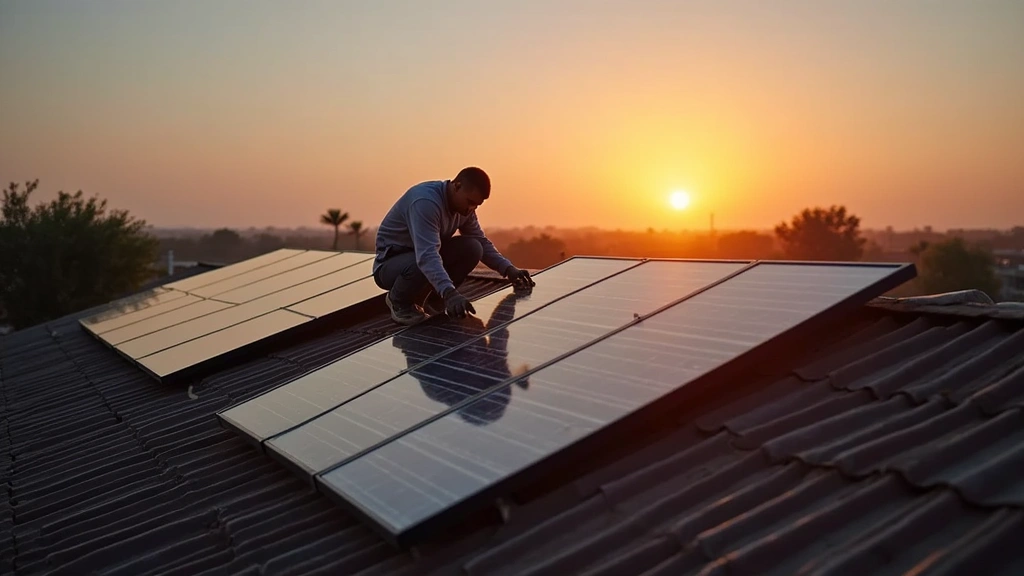
Renewable energy innovations are powering Africa’s sustainable future, with solar technology companies leading the charge. Companies like M-KOPA and Angaza are deploying pay-as-you-go solar systems using IoT technology and mobile payments, bringing clean energy to millions of households without reliable grid access.
The integration of smart energy management systems with renewable infrastructure is creating microgrids that can operate independently or integrate with national power systems. These solutions are particularly valuable in sub-Saharan Africa, where electricity access remains a critical challenge affecting economic development.
Battery technology innovations are complementing solar deployment, with companies developing affordable energy storage solutions that maximize the utility of intermittent renewable sources. The convergence of renewable energy technology with cloud computing infrastructure enables real-time monitoring and optimization of energy systems across distributed networks.
Cloud Infrastructure and Digital Transformation
Cloud computing is becoming the backbone of African digital transformation in 2024, with companies like Liquid Intelligent Technologies and MainOne building regional cloud infrastructure. Cloud computing benefits for African businesses extend beyond cost savings—they enable rapid scaling, improved security, and access to enterprise-grade tools for organizations that previously couldn’t afford such infrastructure.
The establishment of African data centers is crucial for data sovereignty and compliance with regulations like the African Union’s Digital Transformation Strategy. Companies are investing in redundant, secure infrastructure that keeps data within the continent while meeting international security standards.
Emerging technologies like edge computing and 5G networks are being deployed in coordination with cloud infrastructure, creating a comprehensive digital ecosystem. This infrastructure investment is enabling startups to focus on innovation rather than building expensive technical infrastructure from scratch.
E-Commerce and Digital Payment Ecosystems
The e-commerce sector in Africa is experiencing explosive growth, with platforms like Jumia, Takealot, and Konga creating sophisticated marketplaces that handle the unique logistics and payment challenges of African markets. The integration of digital payment systems with e-commerce platforms has created a virtuous cycle of growth and innovation.
What makes African e-commerce platforms unique is their deep understanding of local consumer behavior, payment preferences, and logistics constraints. These platforms have developed solutions for cash-on-delivery, mobile money integration, and distributed warehouse networks that work in contexts where credit card penetration is low and logistics infrastructure is developing.
The success of these platforms has attracted major international retailers and marketplaces to invest in African expansion, validating the market opportunity and creating competition that drives continuous improvement. CNET’s analysis of emerging market e-commerce shows African platforms leading in innovation for challenging operating environments.
AgriTech and Sustainable Agriculture
Agriculture remains central to African economies, and AgriTech innovations in 2024 are transforming farming practices through technology. Companies are developing precision agriculture tools using satellite imagery, IoT sensors, and data analytics to help farmers optimize yields while conserving resources.
Platforms connecting farmers directly to markets, providing weather forecasting, soil analysis, and pest management information, are reducing post-harvest losses and increasing farmer incomes. These solutions often work offline and on basic phones, ensuring accessibility to smallholder farmers who represent the majority of African agricultural producers.
The intersection of AgriTech with sustainable farming practices and renewable energy is creating holistic solutions that address both productivity and environmental concerns. Solar-powered irrigation systems, precision fertilizer application, and data-driven crop selection are becoming standard practices.
Cybersecurity and Data Protection
As African tech companies scale and handle increasingly sensitive data, cybersecurity has become a critical focus area. Companies like Cassava Security and regional security firms are developing solutions specifically designed to protect African businesses and consumers from evolving cyber threats.
The implementation of data protection regulations across African nations is driving investment in security infrastructure and compliance tools. Companies are building expertise in areas like zero-trust architecture, blockchain-based security, and biometric authentication that serve both African and global markets.
Cybersecurity talent development is becoming a priority, with training programs and educational initiatives preparing the next generation of African security professionals. This investment in human capital ensures that African companies can maintain security standards as they grow.
FAQ
What defines Afro Tech and its significance in 2024?
Afro Tech refers to the technology innovation ecosystem across Africa, characterized by African entrepreneurs and companies developing solutions for local and global markets. In 2024, it’s significant because African tech companies are achieving unicorn status, attracting major venture capital investment, and creating globally competitive products—particularly in fintech, AI, and mobile technology sectors.
How is African fintech different from traditional fintech?
African fintech companies are designed from the ground up to work in contexts with limited banking infrastructure, variable internet connectivity, and low credit card penetration. They’ve developed innovative solutions like mobile money integration, cash-on-delivery payment systems, and alternative credit assessment methods that have proven so effective they’re now being adopted globally.
What role does artificial intelligence play in Afro Tech?
Artificial intelligence is transforming African industries through applications in healthcare diagnostics, agricultural optimization, financial services, and more. African researchers are contributing to cutting-edge AI research while developing localized AI solutions in African languages and contexts.
How are African companies addressing infrastructure challenges?
Rather than viewing limited infrastructure as a barrier, African tech companies are designing solutions that work efficiently within these constraints. Mobile-first applications, low-bandwidth optimization, offline-first architectures, and distributed cloud infrastructure are examples of how African innovation is turning constraints into competitive advantages.
What investment trends are shaping Afro Tech in 2024?
Venture capital investment in African tech companies continues to grow, with fintech, AI, and renewable energy receiving the most funding. Additionally, strategic acquisitions by major tech companies and partnerships with international corporations are validating the market opportunity and providing growth capital for African startups.
How does Afro Tech impact economic development across the continent?
Tech innovation is creating job opportunities, enabling entrepreneurship through accessible tools and platforms, and providing essential services like financial inclusion and clean energy to underserved populations. The success of African tech companies is also attracting talent and investment that strengthens the broader innovation ecosystem.
What’s the connection between Afro Tech and global technology trends?
African tech companies are contributing to global innovation in areas like computing infrastructure optimization and cloud computing architecture. Solutions developed for African market constraints often have applications in other emerging markets and even developed economies.
Which African tech companies should I be watching in 2024?
Beyond established names like Flutterwave and Paystack, emerging companies in healthcare AI, AgriTech, renewable energy, and cybersecurity are making significant innovations. Following technology news and industry analysis will help you stay updated on the latest developments in the African tech ecosystem.
The Afro Tech movement of 2024 represents more than just business success—it’s a fundamental shift in how technology is developed, deployed, and scaled. African entrepreneurs are proving that innovation doesn’t require copying Silicon Valley models; instead, it requires understanding local contexts, constraints, and opportunities. As these companies continue to grow and attract global attention, they’re reshaping perceptions of African technology and creating pathways for the next generation of innovators. The future of global technology innovation will increasingly be shaped by the insights and solutions emerging from the African tech ecosystem.


